Cattedrale di Sens
Guarda attentamente le vetrate nella collaterale nord del coro, e troverai una figura inglese familiare.
La storia completa si sblocca nel tour
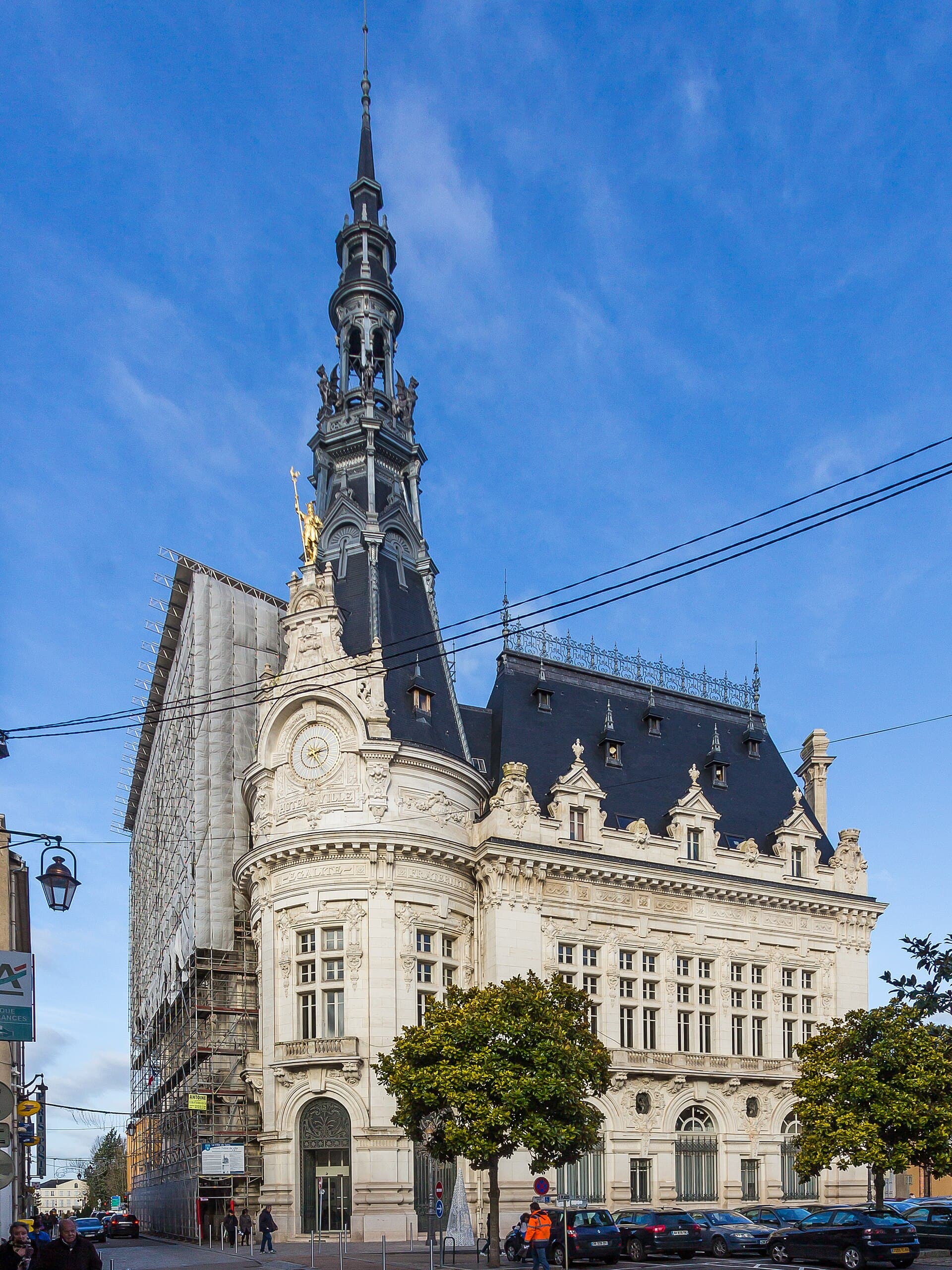 Raimond Spekking / CC BY-SA 4.0, via Wikimedia Commons
Tour audio autoguidato di Sens — percorso GPS a piedi, riproduzione offline, narrazione coinvolgente in 32 lingue.
“Dove l'ambizione gotica prese il volo per la prima volta e la storia lascia il suo segno su ogni pietra.”
Non le cartoline. Le storie che nemmeno i locali conoscono — sussurrate nel tuo orecchio, proprio dove sono accadute.
Guarda attentamente le vetrate nella collaterale nord del coro, e troverai una figura inglese familiare.
Sotto la grandezza del palazzo dell'Arcivescovo, una storia più oscura rimane incisa nelle mura stesse.
Tra le vaste collezioni del museo, un particolare set di gioielli dell'età del bronzo custodisce un sorprendente segreto sull'artigianato antico.
Scopri ogni segreto di Sens
Ogni indirizzo, ogni rivelazione completa — nel tuo orecchio, proprio dove è accaduta.
Scegli le tue tappe. Cammini. La voce rivela ciò che gli altri perdono.


Il tuo tour audio autoguidato di Sens è pronto — scegli i tuoi punti di interesse, seleziona la tua lingua e inizia nel momento in cui arrivi.
AcquistaLume include una guida in realtà aumentata. Alza il telefono: la fotocamera mostra la strada davanti a te, con una freccia luminosa sovrapposta all'immagine reale che punta sempre verso la tua prossima tappa — nessuna mappa da decifrare, nessuna svolta sbagliata. Come tutto in Lume, funziona completamente offline.
Sens, una città nel centro-nord della Francia, occupa un posto significativo nella storia dell'architettura come luogo di nascita della prima grande cattedrale gotica. Posizionata sulla riva destra del fiume Yonne, a sud-est di Parigi, questo antico comune era un tempo la capitale della potente tribù gallica dei Senoni, da cui deriva il suo nome. La posizione strategica della città alla confluenza dei fiumi Yonne e Vanne, al confine con le regioni dell'Île-de-France, Grand Est e Centre-Val de Loire, ha contribuito alla sua importanza storica come centro commerciale.
Oltre alle sue meraviglie architettoniche, Sens offre un viaggio nel tempo con il suo patrimonio medievale ben conservato. I viaggiatori possono esplorare antiche fortificazioni, case a graticcio e strade invitanti che riflettono secoli di storia. La città, riconosciuta per le sue esposizioni floreali, offre anche sereni spazi verdi come il Parc du Moulin à Tan, offrendo un mix di profondità storica e bellezza naturale.
Sebbene Sens non sia così conosciuta come alcune delle città più grandi della Francia, il suo fascino tranquillo consente un'esperienza autentica della Francia medievale senza la folla abituale. Serve come una comoda gita di un giorno da Parigi, invitando all'esplorazione del suo passato duraturo e del suo carattere distintivo.
La storia di Sens risale all'antichità, con le sue origini legate alla potente tribù gallica nota come Senoni. Questa tribù invase famosamente l'Italia settentrionale e persino conquistò Roma intorno al 387 a.C. sotto la guida di Brenno. Durante l'era romana, la città era conosciuta come Agedincum, un nome menzionato più volte da Giulio Cesare nei suoi Commentarii de Bello Gallico. Intorno al 275 d.C., fu costruita una cinta muraria difensiva con circa trenta torri per proteggere la città dalle invasioni germaniche. Queste mura, costruite con pietre tombali gallo-romane riutilizzate, offrono legami tangibili con l'antico passato di Sens, con alcuni resti ancora visibili oggi.
Nel Medioevo, Sens acquisì importanza come significativo centro ecclesiastico, sostenendo cinque abbazie. I suoi arcivescovi detenevano il prestigioso titolo di "Primate di Gallia e Germania", secondi solo al Papa in influenza, supervisionando diocesi che includevano Chartres, Auxerre, Meaux, Parigi, Orléans, Nevers e Troyes. Questo periodo vide Sens giocare un ruolo in importanti eventi storici, come il concilio del 1140 in cui San Bernardo di Chiaravalle condannò le dottrine di Pietro Abelardo. Il martire inglese San Tommaso Becket trovò rifugio a Sens dal 1166 al 1170, risiedendo nel monastero di Sainte-Colombe.
Un momento cruciale nella storia di Sens, e in effetti nella storia dell'architettura, fu la costruzione della Cattedrale di Saint-Étienne. Iniziata intorno al 1130-1135, è riconosciuta come una delle prime cattedrali gotiche in Francia e nel mondo, precedente a Notre-Dame de Paris. Il design innovativo della cattedrale, caratterizzato da volte a crociera, permise muri più alti e finestre più grandi, trasformando fondamentalmente l'architettura delle chiese. Fu consacrata nel 1164 da Papa Alessandro III. Nel 1234, il re Luigi IX di Francia sposò Margherita di Provenza nella cattedrale, e cinque anni dopo, vi depositò un frammento della Corona di Spine. Sebbene la provincia ecclesiastica di Sens fu smembrata nel 1627 con Parigi che divenne un arcivescovado, la sede arcivescovile fu ristabilita nel 1821, riaffermando l'eterna importanza religiosa di Sens.
L'attrazione principale della città è la Cattedrale di Saint-Étienne, un esempio fondamentale di architettura gotica. La sua costruzione iniziò intorno al 1130, rendendola una delle prime cattedrali gotiche in Francia. L'interno della cattedrale presenta un'alta navata gotica con due navate laterali e splendide vetrate dal XII al XVII secolo, inclusa una significativa che raffigura la vita di Thomas Becket. Adiacente alla cattedrale si trova il Palais Synodal, un edificio del XIII secolo restaurato da Eugène-Emmanuel Viollet-le-Duc nel XIX secolo. Quest'ex tribunale ecclesiastico è notevole per le sue prigioni medievali conservate e ospita mostre d'arte contemporanea durante l'estate.
I Musées de Sens, ospitati nell'ex Palazzo Arcivescovile e nel Palais Synodal, offrono una collezione diversificata che spazia dalla preistoria al XIX secolo. Tra i punti salienti figurano sculture gallo-romane, il Tesoro della Cattedrale con antichi tessuti e paramenti (inclusi quelli di Thomas Becket), e dipinti di artisti come Bruegel e bronzi di Rodin. All'esterno, il Jardin de l'Orangerie offre una piacevole passeggiata con le sue aiuole fiorite. Per un assaggio della vita locale, visitate il Marché Couvert (mercato coperto) del XIX secolo, che ospita mercati il lunedì, mercoledì, venerdì e sabato mattina. Esplorate il centro storico per scoprire case a graticcio, come la splendida Casa di Abramo del XVI secolo, adornata con un Albero di Jesse scolpito. Il Parc du Moulin à Tan offre un ampio spazio verde con serre tropicali, un arboreto e recinti per animali.
Il periodo più piacevole per visitare Sens per un clima gradevole va da giugno a settembre. Durante questi mesi, le temperature sono generalmente miti, con massime medie intorno ai 23-25°C (73-77°F) a luglio e agosto, e meno pioggia. Questo periodo è ideale per esplorare le attrazioni all'aperto della città e godersi i suoi parchi e giardini. Per coloro che cercano di evitare la folla, la primavera (marzo-maggio) e l'autunno (settembre-novembre) offrono temperature confortevoli e un'atmosfera più rilassata, sebbene con una maggiore probabilità di pioggia.
Sens si trova a circa 120 km a sud-est di Parigi, rendendola accessibile per una gita di un giorno o un soggiorno più lungo. L'aeroporto più vicino è Parigi Orly, a circa 90 km di distanza. I treni da Parigi a Sens impiegano circa un'ora e costano circa 23 €. Il centro della città è percorribile a piedi, consentendo una facile esplorazione dei suoi siti storici.
Quando pianificate la vostra visita, tenete presente gli orari di apertura, poiché alcuni piccoli esercizi commerciali e musei nelle città francesi come Sens potrebbero avere orari di apertura specifici. Sebbene la gente del posto sia generalmente accogliente, una conoscenza di base del francese può essere utile, anche se Google Translate e alcuni anglofoni possono aiutare con le barriere linguistiche. La specialità locale, le gougères (bignè al formaggio), si abbina bene al vino di Borgogna ed è da provare. Il sito ufficiale del turismo della città e l'ufficio turistico locale possono fornire ulteriori informazioni su tour guidati ed eventi.
Sens — coreano, cinese, ebraico e altre 29 lingue, ogni tappa narrata da una voce madrelingua. La più ampia scelta di lingue tra i tour audio autoguidati.
Disponibile in: