Clocher de la Laure de la Trinité-Saint-Serge
Parmi les nombreuses merveilles architecturales de la Laure, une structure s'élevait autrefois plus haut que le Kremlin de Moscou.
L'histoire complète se débloque dans le tour
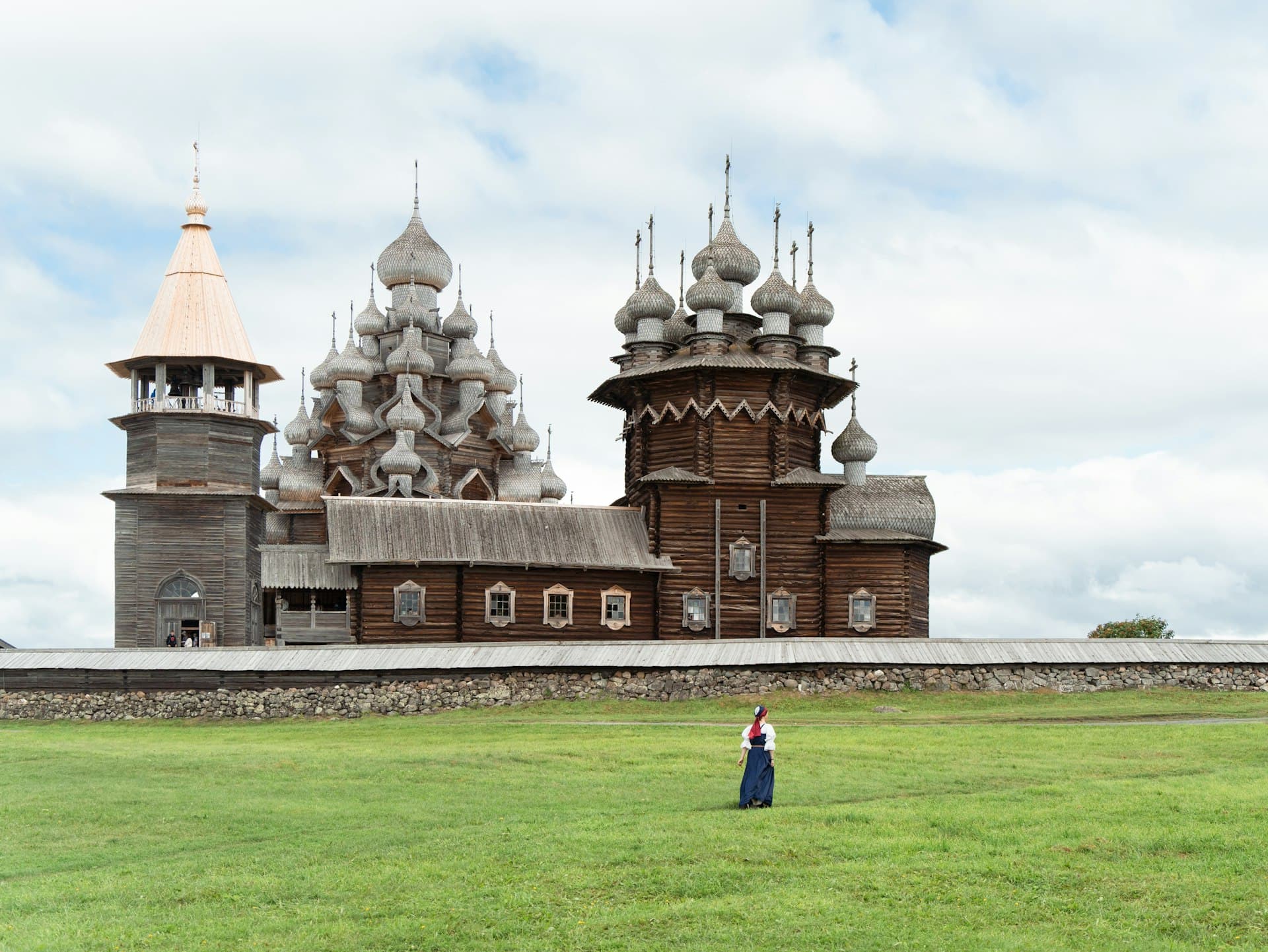 Photo: Evgeny Matveev / Unsplash
Visite audio autoguidée de Serguiev Possad — parcours GPS à pied, lecture hors ligne, narration en 32 langues.
“Là où les dômes dorés rencontrent les murmures anciens, et l'histoire respire un air sacré.”
Pas les cartes postales. Les histoires que même les habitants ignorent — soufflées à l'oreille, là où elles se sont passées.
Parmi les nombreuses merveilles architecturales de la Laure, une structure s'élevait autrefois plus haut que le Kremlin de Moscou.
Au sein de la partie la plus sacrée de la Laure, un chef-d'œuvre de l'art russe de renommée mondiale est subtilement placé.
Au-delà de sa signification spirituelle, cette ville recèle un secret ludique qui a enchanté les enfants du monde entier pendant des générations.
Découvrez tous les secrets de Serguiev Possad
Chaque adresse, chaque révélation en entier — dans ton oreille, là où elle s'est passée.
Tu choisis tes lieux. Tu marches. La voix te révèle ce que les autres ignorent.
Votre visite audioguidée de Serguiev Possad vous attend — choisissez vos lieux, votre langue, et lancez-vous dès votre arrivée.
AcheterLume intègre un guide en réalité augmentée. Levez votre téléphone : sa caméra montre la rue devant vous, avec une flèche lumineuse posée sur l'image réelle qui pointe toujours vers votre prochain arrêt — aucune carte à déchiffrer, aucun mauvais virage. Comme tout dans Lume, ça fonctionne entièrement hors-ligne.
Serguiev Possad, une ville située à environ 70 kilomètres au nord-est de Moscou, est un centre spirituel essentiel pour l'Église orthodoxe russe et une étape majeure sur la route touristique de l'Anneau d'Or de Russie. L'identité de la ville est inextricablement liée à la Laure de la Trinité-Saint-Serge, un vaste complexe monastique qui en est le cœur battant. Des milliers de pèlerins et de voyageurs s'y rendent chaque année, attirés par son importance historique et l'atmosphère spirituelle profonde qui imprègne ses terres anciennes.
Souvent appelée le 'Vatican russe', Serguiev Possad offre une fenêtre sur des siècles d'histoire, de culture et de traditions religieuses russes. L'ensemble architectural de la Laure de la Trinité, site classé au patrimoine mondial de l'UNESCO, présente une remarquable collection d'églises, de cathédrales et d'autres structures qui reflètent diverses périodes du développement architectural russe du XVe au XIXe siècle. Cette ville, avec son mélange de dévotion spirituelle et de grandeur historique, offre une expérience unique et enrichissante à ceux qui cherchent à comprendre l'essence de la Russie.
L'histoire de Serguiev Possad commence au XIVe siècle, ses origines étant liées au vénéré moine Serge de Radonège. Vers 1337, Serge et son frère Étienne cherchèrent une vie retirée, établissant une petite église en bois dédiée à la Sainte Trinité sur la colline de Makovets, entourée d'une forêt dense. Ce modeste ermitage attira progressivement d'autres moines, conduisant à l'organisation officielle d'une communauté monastique en 1345. L'autorité spirituelle de Serge de Radonège grandit immensément, et il devint une figure clé de l'histoire russe, bénissant même le prince Dmitri Donskoï avant la bataille décisive de Koulikovo contre les Tatars-Mongols en 1380.
Au fil des siècles, le petit monastère s'est considérablement agrandi, évoluant pour devenir la Laure de la Trinité-Saint-Serge. En 1408, le monastère fut attaqué et pillé par l'émir Edigu de la Horde d'Or, mais il fut ensuite reconstruit. La première cathédrale en pierre, la Cathédrale de la Trinité, fut construite en 1422, la même année où Serge fut canonisé. Cette cathédrale abrite les reliques de Saint Serge et présente des fresques des célèbres peintres d'icônes Andreï Roublev et Daniil Tcherny.
La Laure joua également un rôle militaire stratégique, avec d'épaisses murailles de pierre et 12 tours construites au milieu du XVIe siècle, qui résistèrent avec succès à un siège polonais de 1608 à 1610 pendant le Temps des Troubles. Commandée par Ivan le Terrible, la Cathédrale de l'Assomption centrale, avec ses cinq chapelles dorées et bleues, fut construite au XVe siècle, reflétant la Cathédrale de l'Assomption du Kremlin de Moscou. Le patronage impérial améliora encore le monastère ; l'impératrice Élisabeth le visita fréquemment, ce qui conduisit à sa décoration festive et à son entretien, ainsi qu'à la construction de l'impressionnant clocher de 88 mètres en 1770. En 1782, l'impératrice Catherine la Grande réorganisa officiellement les colonies environnantes en la ville de Serguiev Possad, nommée en l'honneur de Saint Serge.
Au XXe siècle, Serguiev Possad connut des changements significatifs. Après la Révolution russe, la Laure fut fermée en 1919, et le nom de la ville fut changé en Serguiev, puis en Zagorsk en 1930, en l'honneur du révolutionnaire Vladimir Zagorsky. Pendant l'ère soviétique, de nombreux objets de valeur ecclésiastiques furent saisis, mais les bâtiments du monastère furent largement préservés, avec l'ouverture d'un musée historique et architectural en son sein. Suite à la tolérance temporaire de l'Église par Joseph Staline pendant la Seconde Guerre mondiale, la Laure fut rendue à l'Église orthodoxe russe en 1945, et les services divins reprirent en 1946. L'Académie et le Séminaire théologiques de Moscou sont situés au sein de la Laure depuis 1814. En 1991, le nom original de la ville, Serguiev Possad, fut restauré. En 1993, l'Ensemble architectural de la Laure de la Trinité-Saint-Serge fut inscrit sur la Liste du patrimoine mondial de l'UNESCO, reconnaissant sa valeur universelle exceptionnelle.
L'attraction principale de Serguiev Possad est la Laure de la Trinité-Saint-Serge, un site classé au patrimoine mondial de l'UNESCO et le cœur spirituel de l'Église orthodoxe russe. Prévoyez de passer une grande partie de votre journée à explorer ses vastes terrains. Les sites clés de la Laure comprennent la Cathédrale de la Trinité, le plus ancien bâtiment du complexe, où sont conservées les reliques de Saint Serge de Radonège. Vous pouvez également y voir des œuvres du célèbre peintre d'icônes Andreï Roublev. La grande Cathédrale de l'Assomption, commandée par Ivan le Terrible, présente de superbes dômes bleus ornés d'étoiles dorées et abrite la tombe de Boris Godounov.
Au-delà des cathédrales principales, explorez l'Église du Saint-Esprit, l'élégant Clocher du XVIIIe siècle et la Chapelle au-dessus du Puits, où les pèlerins recueillent l'eau bénite d'une source découverte en 1644. La Laure abrite également l'Académie théologique de Moscou, l'une des plus anciennes institutions théologiques de Russie. En dehors des murs du monastère, envisagez de visiter le Musée-Réserve historique et artistique d'État de Serguiev Possad, qui présente d'anciennes icônes, des objets d'artisanat religieux et des expositions sur la vie russe. Le Musée du Jouet, fondé en 1918, offre une fascinante collection de jouets russes et internationaux, y compris ceux qui appartenaient aux enfants du tsar Nicolas II.
Serguiev Possad accueille les visiteurs toute l'année, ses musées et ses églises étant ouverts en toutes saisons. Les mois les plus chauds, de la fin du printemps à l'été et au début de l'automne, sont généralement considérés comme les plus agréables pour la marche et l'exploration. Juillet est le mois le plus chaud, avec des températures moyennes d'environ +18,5°C et des maximales diurnes atteignant +22,8°C. Si vous visitez en hiver, la neige peut donner à la Laure une qualité particulièrement pittoresque, bien que les températures restent bien en dessous de zéro, surtout en janvier. Il est conseillé d'éviter les grandes fêtes orthodoxes comme Noël (7 janvier) et Pâques, car le monastère peut être extrêmement bondé de pèlerins.
Serguiev Possad est facilement accessible depuis Moscou, située à environ 70-75 km au nord-est de la capitale. Le moyen le plus pratique d'y arriver est de prendre un train de banlieue depuis la gare de Iaroslavl à Moscou, les trajets durant généralement 1h30 à 2h. Les billets peuvent être achetés à la gare le jour du voyage. Des bus partent également de la station de métro VDNKh, prenant environ une heure, bien que le trafic puisse être imprévisible. Une fois à Serguiev Possad, des bus circulent de la gare à la Laure, ou vous pouvez choisir de marcher.
L'entrée dans l'enceinte de la Laure et la plupart des églises est généralement gratuite. Habillez-vous respectueusement lors de la visite du monastère, en couvrant les épaules et les genoux. Les femmes peuvent également être tenues de se couvrir la tête. Il est conseillé d'avoir de l'argent liquide pour les petits achats et les marchés locaux, car les cartes bancaires internationales (Visa, Mastercard) peuvent ne pas toujours fonctionner en Russie. Des chaussures de marche confortables sont essentielles pour explorer le vaste complexe monastique et la ville.
Serguiev Possad en coréen, en chinois ou en hébreu — et dans 29 autres langues, chaque étape narrée par une voix native. La plus large gamme de langues de tous les audioguides autoguidés.
Disponible en :