Área Cênica do Lago Leste
Este lago tranquilo, com suas formações rochosas dramáticas e passeios de barco, nem sempre foi uma maravilha natural serena.
História completa desbloqueada no tour
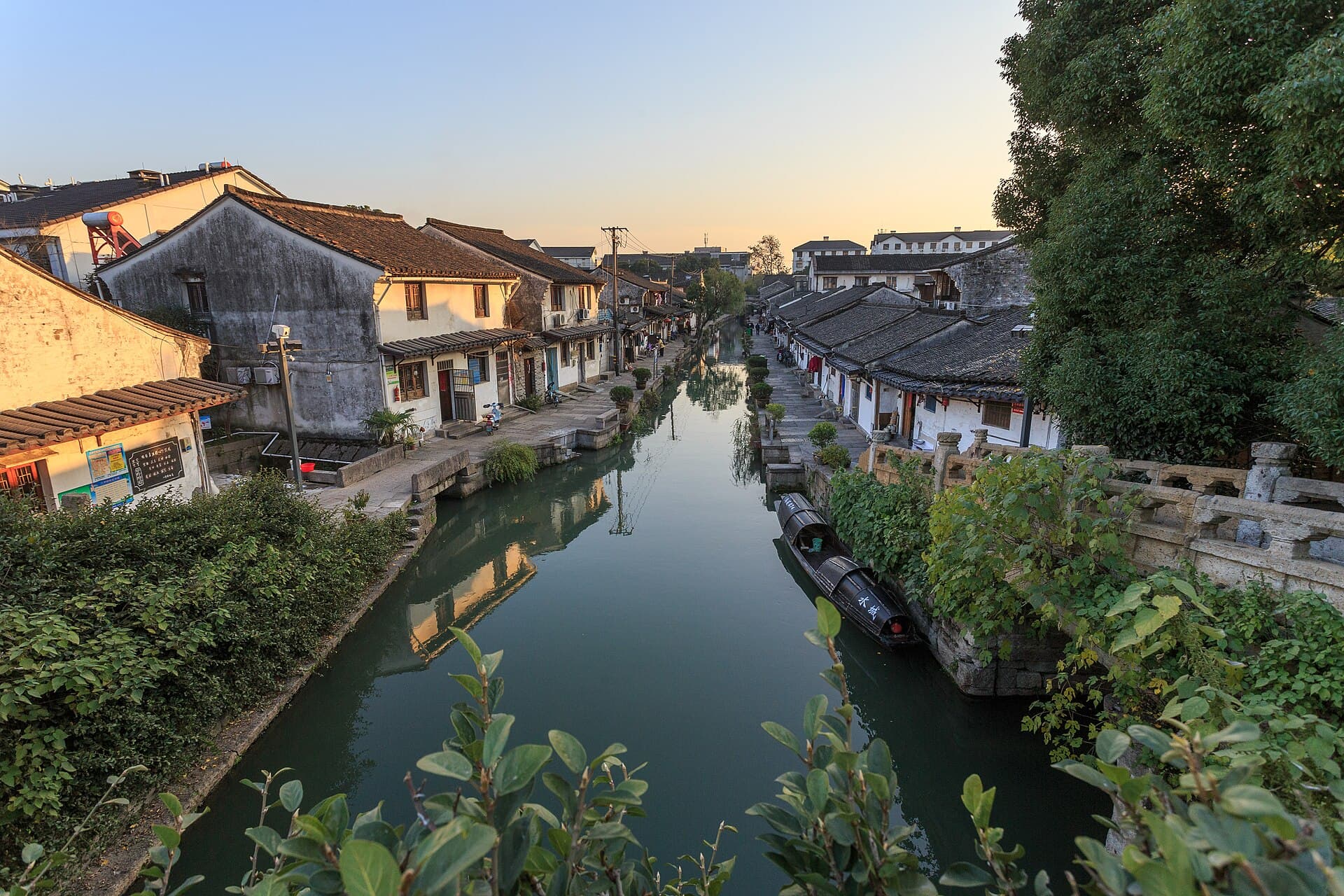 Zhangzhugang / CC BY-SA 4.0, via Wikimedia Commons
Tour de áudio autoguiado por Shaoxing — rota GPS a pé, reprodução offline, narração envolvente em 32 idiomas.
“Shaoxing: Onde antigas vias navegáveis carregam o aroma do vinho de arroz e sussurros literários.”
Não os postais. As histórias que nem os locais conhecem — sussurradas ao seu ouvido, exatamente onde aconteceram.
Este lago tranquilo, com suas formações rochosas dramáticas e passeios de barco, nem sempre foi uma maravilha natural serena.
Os icônicos barcos de toldo preto da cidade deslizam silenciosamente por canais antigos, mas essas vias navegáveis já desempenharam um papel crucial e menos romântico na governança.
O renomado vinho de arroz amarelo de Shaoxing é mais do que apenas uma bebida ou ingrediente culinário; é uma tradição familiar secular com um costume único.
Descubra cada segredo de Shaoxing
Cada endereço, cada revelação na íntegra — no seu ouvido, exatamente onde aconteceu.
Você escolhe as suas paragens. Você caminha. A voz revela o que os outros perdem.

O seu tour áudio autoguiado de Shaoxing está pronto — escolha os seus pontos de interesse, selecione o seu idioma e comece no momento em que chegar.
ComprarA Lume inclui um guia de realidade aumentada. Levante o telemóvel: a câmara mostra a rua à sua frente, com uma seta luminosa sobreposta à imagem real que aponta sempre para a sua próxima paragem — sem mapa para decifrar, sem voltas erradas. Como tudo na Lume, funciona totalmente offline.
Shaoxing, uma cidade na província de Zhejiang, é um lugar onde a história flui tão livremente quanto seus numerosos canais. Frequentemente chamada de 'Veneza do Oriente', ela apresenta uma rede de vias navegáveis e milhares de pontes de pedra antigas que definem seu caráter único. Com uma história que abrange mais de 2.500 anos, Shaoxing é considerada um 'museu sem paredes', preservando um profundo patrimônio cultural e histórico. A cidade combina harmoniosamente a tranquilidade de seus bairros antigos com a energia do desenvolvimento moderno, convidando os visitantes a uma contemplação tranquila de seu passado e presente.
Além de sua paisagem pitoresca, Shaoxing é celebrada por seus elementos culturais distintos. É o berço do vinho Shaoxing, um renomado vinho de arroz amarelo produzido aqui há milênios e que faz parte integrante da vida e culinária local. A cidade também está profundamente conectada a figuras proeminentes da literatura e história chinesas, incluindo o estimado escritor Lu Xun e o calígrafo Wang Xizhi. Explorar Shaoxing oferece um mergulho profundo no charme de Jiangnan, artesanato tradicional e a essência da herança chinesa.
As origens de Shaoxing remontam a mais de 2.500 anos, tornando-a uma das cidades mais antigas da China. Durante o Período das Primaveras e Outonos (770-476 a.C.), serviu como capital do poderoso Estado de Yue, inicialmente chamado Kuaiji. Lendas conectam a área a Yu, o Grande, o mítico fundador da dinastia Xia, que teria domado as inundações e está sepultado em um mausoléu ao pé da Montanha Kuaiji.
A localização estratégica da cidade e suas terras férteis contribuíram para seu desenvolvimento inicial como centro de artesanato e comércio. No início do século V a.C., sob o Rei Goujian, assentamentos permanentes começaram a se formar na planície aluvial ao norte das colinas. O nome 'Shaoxing' foi adotado em 1131 d.C. durante a dinastia Song do Sul, um termo poético que significa 'herdando a tarefa imperial e ressurgindo para a prosperidade'.
Ao longo das dinastias Ming e Qing, Shaoxing ganhou renome por sua rede de filhos nativos que ocupavam posições influentes na burocracia governamental chinesa. Esse período também solidificou sua reputação por artesanato tradicional, particularmente a produção de seda e o famoso vinho de arroz amarelo de Shaoxing. A cidade foi o lar de inúmeras figuras influentes, incluindo o calígrafo Wang Xizhi, cujo 'Prefácio do Pavilhão das Orquídeas' é um pilar da caligrafia chinesa, e Lu Xun, um dos maiores escritores modernos da China, cuja casa de infância é um importante sítio cultural. A duradoura importância cultural de Shaoxing lhe rendeu o reconhecimento como uma das primeiras 24 Cidades Históricas e Culturais Nacionais pelo Conselho de Estado.
Shaoxing oferece uma mistura de sítios históricos e beleza natural. Comece na Casa Natal de Lu Xun, uma atração popular que preserva a casa de infância e o local memorial do renomado escritor Lu Xun, apresentando arquitetura do final da dinastia Qing e início da República.
Explore o Jardim Shen, um jardim chinês clássico famoso pela trágica história de amor do poeta da dinastia Song, Lu You, e sua primeira esposa, Tang Wan.
Para uma experiência natural e cultural única, visite a Área Cênica do Lago Leste, conhecida por suas formações rochosas distintas, águas claras e pontes de pedra. Faça um passeio de barco tradicional com toldo preto pelo lago, passando por cavernas e paisagens exuberantes.
O Pavilhão Lan (Lanting) é um local reverenciado para entusiastas da caligrafia chinesa, onde Wang Xizhi escreveu seu famoso 'Prefácio do Pavilhão das Orquídeas'. O Museu do Vinho Amarelo de Shaoxing oferece insights sobre a história e o artesanato do vinho de arroz de Shaoxing, incluindo oportunidades para degustação de vinhos.
Passeie pela Cidade Antiga de Anchang, uma cidade histórica com arquitetura bem preservada, vias navegáveis e costumes tradicionais das dinastias Ming e Qing. A cidade também é conhecida por suas iguarias locais e técnicas de tingimento de índigo.
Faça uma caminhada pela Rua Cangqiao e pela Ponte Bazi, onde você pode experimentar o estilo tradicional da cidade de água de Jiangnan com barcos de toldo preto ainda navegando pelos antigos canais.
As melhores épocas para visitar Shaoxing são durante a primavera (março a maio) e o outono (setembro a novembro). Essas estações oferecem clima ameno e agradável, ideal para atividades ao ar livre e passeios turísticos. A primavera traz flores desabrochando e paisagens vibrantes, com festivais como o Festival de Caligrafia de Lanting em abril. O outono, conhecido como 'Outono Dourado', proporciona céus claros e temperaturas confortáveis. Os verões (junho a agosto) podem ser quentes e úmidos, com chuvas frequentes, enquanto os invernos são frios e úmidos.
Shaoxing é acessível por trem de alta velocidade, com a Estação Ferroviária Shaoxing Norte conectando a grandes cidades como Hangzhou (aproximadamente 15 minutos) e Xangai (cerca de 1,5 horas). O Aeroporto Internacional de Hangzhou Xiaoshan (HGH) é o principal aeroporto mais próximo, a cerca de 30 km de distância, com ônibus e táxis disponíveis para transferência.
Dentro de Shaoxing, um sistema de transporte público bem desenvolvido inclui ônibus que cobrem as principais atrações e bairros. Bicicletas compartilhadas também estão disponíveis para curtas distâncias. Aplicativos de transporte como DiDi são convenientes, e os pagamentos podem ser feitos via Alipay ou WeChat. Embora o inglês possa não ser amplamente falado, aprender frases básicas em mandarim é útil. É aconselhável baixar aplicativos de navegação como Apple Maps ou Amap (高德), pois o Google Maps pode ser pouco confiável na China.
Shaoxing — coreano, chinês, hebraico e mais 29 idiomas, cada parada narrada por uma voz nativa. A maior variedade de idiomas entre os passeios de áudio autoguiados.
Disponível em: