Центральный рынок (Голубой рынок)
Этот выдающийся рынок предлагает больше, чем просто золото и текстиль.
Полная история открывается в туре
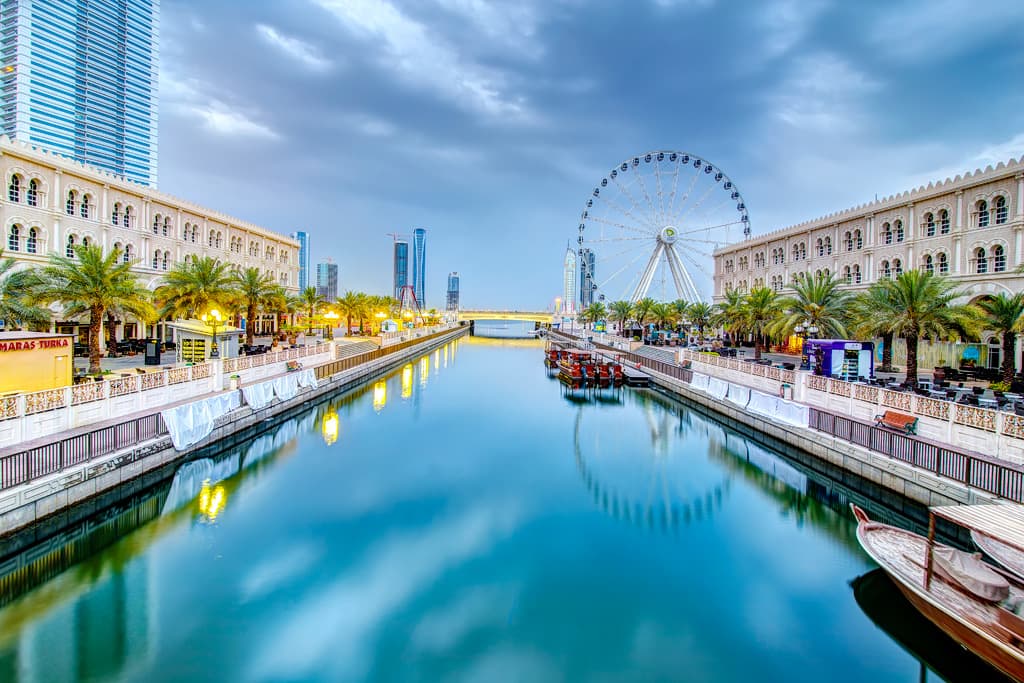 Firoze Edassery / CC BY-SA 3.0, via Wikimedia Commons
Самостоятельная аудиопрогулка по Шарджа — GPS-маршрут, офлайн-воспроизведение, увлекательное повествование на 32 языках.
“Шарджа: Где вечные традиции встречаются с процветающим культурным настоящим.”
Не открытки. Истории, которые не знают даже местные жители — шепотом в вашем ухе, прямо там, где они произошли.
Этот выдающийся рынок предлагает больше, чем просто золото и текстиль.
До появления высотных небоскребов Шарджа играла ключевую роль в ранней авиации.
Помимо пустынных просторов, здесь находится уникальный сад, связанный с древними текстами.
Откройте для себя каждый секрет Шарджа
Каждый адрес, каждое полное раскрытие — в вашем ухе, прямо там, где это произошло.
Вы выбираете остановки. Вы гуляете. Голос раскрывает то, что упускают другие.


Ваш самостоятельный аудиотур по Шарджа готов — выберите свои достопримечательности, выберите свой язык и начните в момент прибытия.
КупитьВ Lume встроен гид дополненной реальности. Поднимите телефон: камера показывает улицу перед вами, а поверх реального изображения светится стрелка, всегда указывающая на вашу следующую остановку — не нужно разбираться с картой и сворачивать не туда. Как и всё в Lume, это работает полностью офлайн.
Шарджа, третий по величине эмират в ОАЭ, предлагает опыт, отличный от его более блестящих соседей. Признанный ЮНЕСКО Культурной столицей арабского региона в 1998 году и столицей исламской культуры в 2014 году, Шарджа уделяет приоритетное внимание сохранению своего наследия, искусства и традиций. Это место, где ощущается глубокая связь с историей, предлагающее слияние традиционной арабской и исламской культуры с современными достижениями.
Имея побережье как в Персидском заливе, так и в Оманском заливе, география Шарджи охватывает разнообразные ландшафты, от внутренних пустынь до скалистых гор. Город служит центром образования, где расположены многочисленные музеи, парки и культурные центры. Путешественники могут исследовать исторические места, оживленные базары и достопримечательности для всей семьи, одновременно знакомясь с городом, который ценит свое прошлое.
## Древние корни и ранняя торговля История Шарджи насчитывает более 5000 лет, с археологическими свидетельствами поселений человека, датируемыми примерно 8500 г. до н.э. на Джебель-Фая. Древние географы и мореплаватели отмечали его значение как поселения на побережье Персидского залива. Эмират исторически был одним из самых процветающих городов региона, его экономика основывалась на торговле, сельском хозяйстве, охоте, рыболовстве и культивировании жемчуга.
## Династия Аль Касими и британское влияние Современная история Шарджи тесно связана с кланом Аль Касими (Кавасим), который установил свое правление в начале 18 века, объявив автономию Шарджи около 1727 года. В 17 веке прибыли британцы, которые начали торговлю с Кавасим. В 1820 году шейх Султан I подписал Общий морской договор с Великобританией, установив протекторат для предотвращения османского вмешательства. Шарджа служила базой для политического представителя Великобритании на Договорном побережье между 1823 и 1954 годами, подчеркивая ее стратегическое значение. В конце 19 и начале 20 веков он процветал как известный порт по добыче жемчуга и стал важным транспортным узлом, особенно с открытием первого аэропорта в регионе Персидского залива, Аль-Махатта, в 1932 году.
## Формирование ОАЭ и статус культурной столицы 2 декабря 1971 года Шарджа стала одним из основателей Объединенных Арабских Эмиратов. В 1972 году Его Высочество шейх д-р Султан бин Мухаммед Аль Касими принял руководство, которое он занимает с тех пор. В том же году в нефтяном месторождении Мубарак была обнаружена нефть, что способствовало развитию эмирата. Под руководством шейха Султана Шарджа сохраняла прочные связи со своим культурным наследием, что принесло ей статус «Культурной столицы арабского региона» по версии ЮНЕСКО в 1998 году и «Столицы исламской культуры» в 2014 году. Эмират также был признан «Всемирной столицей книги» в 2019 году, что отражает его приверженность литературе и интеллектуальным занятиям.
Шарджа предлагает множество достопримечательностей, сосредоточенных на культуре, наследии и мире природы. Сердце Шарджи — это захватывающее место, отреставрированный исторический район с традиционными эмиратскими домами, музеями и базарами. Здесь исследуйте крепость Аль-Хисн, бывшую резиденцию семьи Аль Касими и оборонительное сооружение, построенное в 1823 году. Прогуляйтесь по Сук Аль-Арса, одному из старейших рынков в ОАЭ, известному изделиями ручной работы и традиционными предметами. Музей исламской цивилизации Шарджи, расположенный в переоборудованном базаре, демонстрирует тысячи исламских артефактов.
Для оживленного шопинга Центральный рынок, также известный как Голубой рынок, является культовой достопримечательностью с его отличительным фасадом, облицованным синей плиткой, предлагающим все: от современных часов до бедуинских украшений и ковров. Любителям природы стоит посетить Парк пустыни Шарджи, образовательно-развлекательную зону с Центром арабской дикой природы, Музеем естественной истории и Детской фермой. Не пропустите остров Аль-Нур, тихое убежище с домом бабочек и художественными инсталляциями. Набережная Аль-Маджаз предлагает оживленный парк у озера с музыкальным фонтаном Шарджи.
Оптимальный период для посещения Шарджи — с ноября по апрель. В эти месяцы погода приятно прохладная, со средними температурами от 18 до 30 градусов Цельсия (64-86°F), что подходит для активного отдыха. Влажность низкая, возможны редкие дожди. Переходные сезоны, апрель и октябрь, также предлагают хорошее соотношение цены и качества при меньшем количестве туристов и приятных температурах. Лето, с мая по август, исключительно жаркое, с температурами, часто превышающими 40°C (104°F).
Международный аэропорт Шарджи (SHJ) находится примерно в 15 километрах от центра города, шаттл-автобусы ходят каждые 30 минут. Альтернативно, Международный аэропорт Дубая (DXB) также находится недалеко от границы Шарджи. Хотя общественные автобусы обслуживают некоторые маршруты, такси изобилуют, оснащены счетчиками и экономичны, также доступны приложения, такие как Uber и Careem. Рекомендуется арендовать автомобиль для поездок за пределы центра города, особенно в такие места, как Млейха или Хор-Факкан.
Шарджа — более консервативный эмират; рекомендуется скромная одежда, прикрывающая плечи и колени, особенно при посещении мечетей или исторических мест. Женщинам потребуется головной платок для посещения религиозных мест. Продажа и употребление алкоголя строго запрещены в большинстве мест, включая отели. Многие музеи и базары могут открываться позже по пятницам, в священный день, обычно после 16:00. Берите с собой воду, особенно в теплые месяцы, и носите удобную обувь для ходьбы.
Шарджа: корейский, китайский, иврит и ещё 29 языков — каждую остановку озвучивает носитель языка. Самый широкий выбор языков среди аудиоэкскурсий без гида.
Доступные языки: