Sherborne Abbey
Das prächtige Gewölbedach der Sherborne Abbey birgt ein Geheimnis, ein Zeugnis einer feurigen mittelalterlichen Auseinandersetzung.
Die ganze Geschichte wird in der Tour freigeschaltet
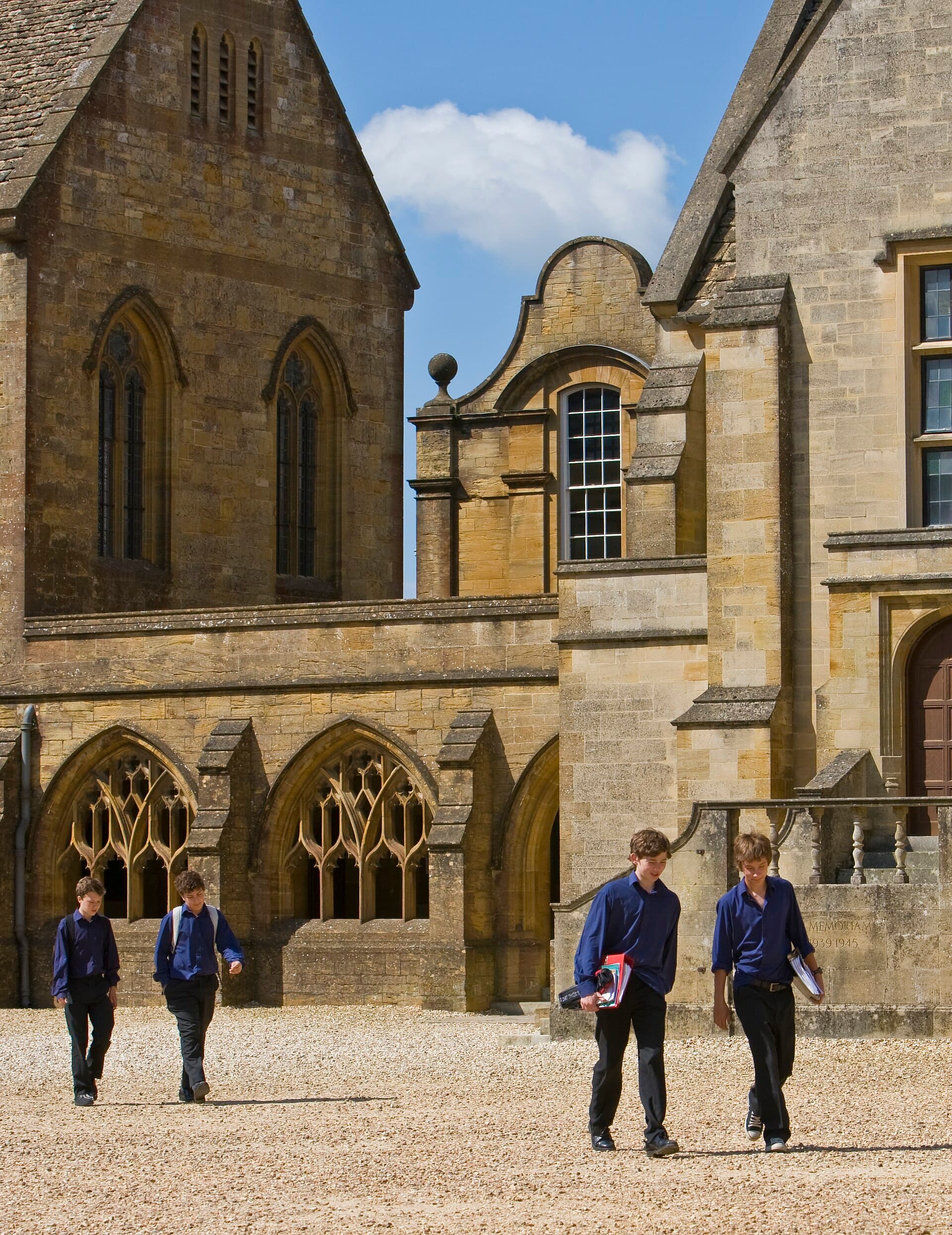 SophieHarris-Sherborne / CC BY-SA 4.0, via Wikimedia Commons
Selbstgeführte Audio-Walking-Tour durch Sherborne — GPS-Route, Offline-Wiedergabe, erzählerische Narration in 32 Sprachen.
“Wo alte Steine Geschichten von Königen, Flüchen und akademischen Bestrebungen erzählen.”
Nicht die Postkarten. Die Geschichten, die selbst Einheimische nicht kennen – dir ins Ohr geflüstert, genau dort, wo sie geschahen.
Das prächtige Gewölbedach der Sherborne Abbey birgt ein Geheimnis, ein Zeugnis einer feurigen mittelalterlichen Auseinandersetzung.
Sir Walter Raleigh, der berühmte Entdecker, erwarb Sherborne Old Castle, doch ein alter Fluch könnte seinen späteren Untergang beeinflusst haben.
Unter der würdevollen Fassade einer der ehrwürdigen Schulen Englands zeigt eine mittelalterliche Schnitzerei einen eher strengen Unterrichtsansatz.
Entdecke jedes Geheimnis von Sherborne
Jede Adresse, jede Enthüllung vollständig – in deinem Ohr, genau dort, wo es geschah.
Du wählst deine Stationen. Du gehst. Die Stimme enthüllt, was andere übersehen.


Deine selbstgeführte Audio-Tour durch Sherborne ist bereit – wähle deine Sehenswürdigkeiten, deine Sprache und starte, sobald du ankommst.
KaufenLume enthält einen integrierten Augmented-Reality-Guide. Halten Sie Ihr Handy hoch: Die Kamera zeigt die Straße vor Ihnen, mit einem leuchtenden Pfeil über dem echten Bild, der immer auf Ihren nächsten Stopp zeigt — keine Karte zum Rätseln, keine falschen Abzweigungen. Wie alles bei Lume funktioniert es komplett offline.
Sherborne, eine Marktstadt im Nordwesten Dorsets, England, präsentiert eine Landschaft, in der Geschichte in den unverwechselbaren honigbraunen Sherborne-Stein seiner Gebäude eingraviert ist. An der River Yeo am Rande des Blackmore Vale gelegen, bietet diese Stadt mit etwas mehr als 10.000 Einwohnern einen Zeitpassage von ihren sächsischen Anfängen bis zu ihrer Rolle als Kulturzentrum. Ihr Name, abgeleitet von den sächsischen Wörtern 'Scir Burn', was 'klarer Bach' oder 'Strom' bedeutet, bezieht sich auf den Wasserlauf, der sich durch ihr Herz schlängelt. Sherbornes Erbe zeigt sich in seiner historischen Abtei, zwei Burgen und angesehenen unabhängigen Schulen, die Besucher mit seiner Mischung aus alter Architektur und lebendigem Gemeinschaftsleben anziehen.
Über seine historischen Wahrzeichen hinaus ist Sherborne für seine kulturellen Veranstaltungen und unabhängigen Geschäfte bekannt. Die Cheap Street, die wichtigste Einkaufsstraße, ist gesäumt von Boutiquen, Antiquitätenläden und Cafés. Die Lage der Stadt inmitten sanfter Hügel, grüner Hänge und Wälder verstärkt ihren Reiz und macht sie zu einem idealen Ausgangspunkt für die Erkundung der Landschaft Dorsets. Ob Ihr Interesse mittelalterlicher Geschichte, architektonischer Wunder oder einfach nur einer reizvollen englischen Stadt gilt, Sherborne bietet ein fesselndes Erlebnis.
Sherbornes Erzählung beginnt in römischer Zeit und diente als Tor zu den fruchtbaren Ländereien westlich des Penselwood-Waldes. Bis 705 n. Chr. hatte es sich zu einer bedeutenden sächsischen Siedlung entwickelt, und Aldhelm gründete eine Kathedrale, die als erstes Bistum von West-Wessex fungierte. König Alfred der Große soll hier seine Ausbildung erhalten haben, und seine älteren Brüder Ethelbald und Ethelbert ruhen in der Abtei. Die kirchliche Bedeutung der Stadt setzte sich fort, und 1075 wurde die Kathedrale in eine Benediktinerabtei umgewandelt.
Im 12. Jahrhundert ließ Roger de Caen, Bischof von Salisbury und Kanzler von England, einen befestigten Palast errichten, der heute als Sherborne Old Castle bekannt ist. Diese mächtige Festung spielte eine Rolle im englischen Bürgerkrieg, diente als königliche Basis, bevor sie 1645 den parlamentarischen Truppen unterlag und in Trümmern lag. 1594 begann Sir Walter Raleigh, fasziniert von der alten Burg, in der Nähe ein neues elisabethanisches Herrenhaus zu bauen, das heute Sherborne Castle ist. Nach Raleighs Gunstenverlust und Hinrichtung wurde das neue Schloss 1617 von der Familie Digby erworben, deren Nachkommen dort bis heute leben.
Sherbornes Geschichte ist auch eng mit der Bildung verknüpft. Die Abtei und ihr Kloster boten in sächsischer und mittelalterlicher Zeit Unterricht an. Nach der Auflösung der Klöster im Jahr 1539 gründete König Edward VI. 1550 die Abbey School neu, die sich zur unabhängigen Sherborne School für Jungen entwickelte. Andere bemerkenswerte Schulen wie die Lord Digby's School für Mädchen und die Sherborne Prep School trugen ebenfalls zum akademischen Ansehen der Stadt bei. Die vorteilhafte Lage der Stadt an Postkutschenrouten und die spätere Ankunft der Eisenbahn in den 1860er Jahren stimulierten ihre Expansion und ihren Fortschritt weiter.
Sherborne bietet eine Sammlung historischer Stätten und einladender Straßen zur Erkundung. Die Sherborne Abbey, eine historische Kirche aus sächsischer Zeit, ist ein Höhepunkt, bekannt für ihre Gewölbedecken aus dem 15. Jahrhundert aus Ham-Stein und alte Steinsärge, die angeblich die Überreste der Brüder von König Alfred, Ethelbald und Ethelbert, enthalten. Besucher können ihre Kapellen, sächsischen Relikte und das Große Ostfenster erkunden.
Ein kurzer Spaziergang vom Stadtzentrum entfernt führt zu den Überresten von Sherborne Old Castle, einem befestigten Palast aus dem 12. Jahrhundert, der von Bischof Roger von Salisbury erbaut wurde. Seine Überreste, darunter der große Turm und das Torhaus, werden von English Heritage verwaltet. In der Nähe befindet sich Sherborne Castle and Gardens, ein wunderschönes Tudor-Herrenhaus, das 1594 von Sir Walter Raleigh erbaut wurde. Das Schloss, das noch immer ein privater Wohnsitz ist, ist zu bestimmten Zeiten für die Öffentlichkeit zugänglich und zeigt opulente Innenräume, Kunstsammlungen und von Capability Brown gestaltete Landschaftsgärten. Das Waldgebiet und der See des Anwesens bieten malerische Spazierwege.
Für einen Eindruck vom lokalen Leben schlendern Sie die Cheap Street entlang, die Haupteinkaufsstraße der Stadt, gefüllt mit unabhängigen Boutiquen, Antiquitätenläden, Cafés und Kunstgalerien. Das Sherborne Museum bietet Einblicke in die Vergangenheit der Stadt. Weitere Sehenswürdigkeiten sind das Almshouse of St John und die Pageant Gardens.
Die ideale Zeit für einen Besuch in Sherborne für angenehmes Wetter und Outdoor-Aktivitäten ist von Ende Juni bis Anfang September. Während dieser Sommermonate sind die Temperaturen angenehm, typischerweise zwischen 12°C und 22°C (54-71°F), und der Himmel ist oft klarer. Frühling und Herbst bieten ebenfalls malerische Ausblicke, mit blühenden Gärten im Frühling (April bis September) und der Landschaft, die sich im Herbst in goldenen Tönen verwandelt. Der Herbst bringt auch Veranstaltungen wie die Pack Monday Fair mit sich. Obwohl es das ganze Jahr über regnet, gibt es im Juli im Allgemeinen die wenigsten Regentage.
Sherborne ist über die Straße erreichbar, wobei die A30 es mit London und Penzance verbindet. Die Stadt verfügt auch über einen Hauptbahnhof mit Direktverbindungen nach London Waterloo. Sobald Sie in Sherborne sind, sind viele der Hauptattraktionen wie die Abtei und die Burgen vom Stadtzentrum aus zu Fuß erreichbar. Das Stadtzentrum bietet verschiedene Cafés, Restaurants und öffentliche Toiletten. Für diejenigen, die über Sherborne hinaus reisen, ist es ein praktischer Ausgangspunkt für den Besuch nahegelegener Attraktionen wie Glastonbury, Stonehenge und der Jurassic Coast. Hunde an der Leine sind auf Außengeländen wie Sherborne Old Castle und Sherborne Castle Gardens in der Regel willkommen.
Sherborne — Koreanisch, Chinesisch, Hebräisch und 29 weitere Sprachen, jede Station von einer muttersprachlichen Stimme erzählt. Die größte Sprachauswahl aller selbstgeführten Audiotouren.
Verfügbar auf: