Templo Ryosenji
Más allá de su importancia diplomática, el Templo Ryosenji guarda un sorprendente secreto botánico en sus tranquilos terrenos.
La historia completa se desbloquea en el tour
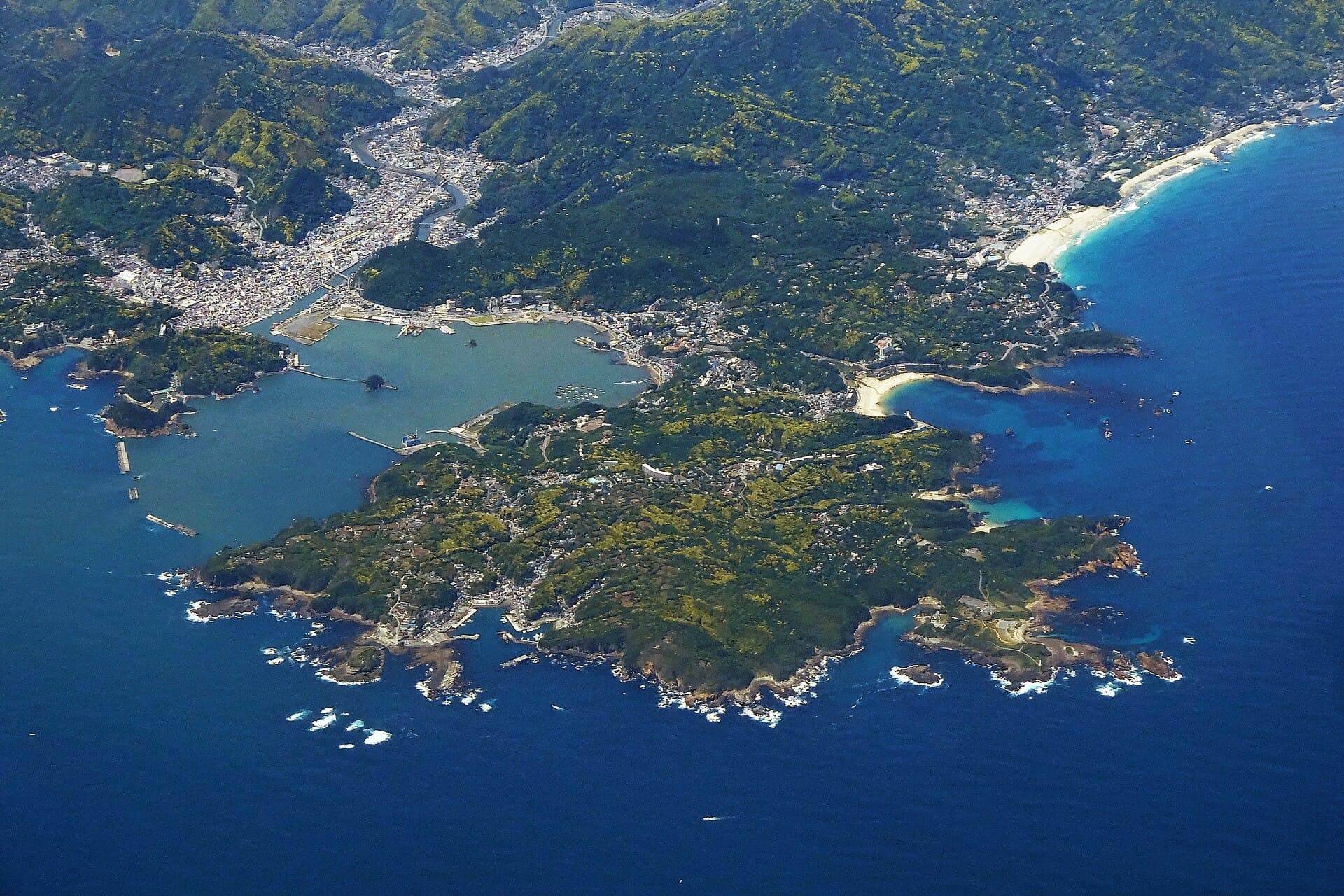 663highland / CC BY 2.5, via Wikimedia Commons
Tour de audio autoguiado de Shimoda — ruta GPS a pie, reproducción offline, narración en 32 idiomas.
“Donde las antiguas corrientes se encuentran con las costas modernas, y Japón abrió sus brazos al mundo.”
No las postales. Las historias que ni los locales conocen — al oído, justo donde ocurrieron.
Más allá de su importancia diplomática, el Templo Ryosenji guarda un sorprendente secreto botánico en sus tranquilos terrenos.
Esta atractiva vía adoquinada, que lleva el nombre del Comodoro Perry, presenta un elemento arquitectónico distintivo que habla de la ingeniosidad local.
Este museo en el puerto se extiende más allá de las exhibiciones históricas, ofreciendo una ventana culinaria única a las especialidades regionales de Shimoda.
Descubre todos los secretos de Shimoda
Cada dirección, cada revelación al completo — a tu oído, justo donde ocurrió.
Eliges tus paradas. Caminas. La voz te revela lo que los demás ignoran.

Tu tour de audioguía por Shimoda te espera — elige tus lugares, tu idioma y empieza al llegar.
ComprarLume incluye una guía de realidad aumentada. Levanta el móvil y su cámara muestra la calle que tienes delante, con una flecha luminosa sobre la imagen real que siempre apunta a tu próxima parada — sin mapas que descifrar, sin giros equivocados. Como todo en Lume, funciona completamente sin conexión.
Shimoda, una ciudad costera en el extremo sur de la Península de Izu en la Prefectura de Shizuoka, ocupa una posición central en la historia japonesa. Si bien hoy es apreciada por sus playas de arena blanca, relajantes aguas termales y ambiente tranquilo, una vez estuvo a la vanguardia de la dramática introducción de Japón al mundo occidental. Su puerto natural y su ubicación ventajosa la convirtieron en un puerto vital durante siglos, incluso sirviendo como puesto de inspección del Shogun para los buques que navegaban entre Osaka y Edo durante el período Edo.
Esta pacífica ciudad costera se transformó en un escenario para la diplomacia internacional a mediados del siglo XIX. La llegada de los "Barcos Negros" del Comodoro Matthew Perry en 1854 marcó la conclusión de la política de aislamiento nacional de 200 años de Japón, conocida como sakoku. Shimoda se convirtió en el escenario de importantes negociaciones y firmas de tratados, alterando para siempre la trayectoria de la historia japonesa e inaugurando una nueva época de relaciones diplomáticas con los Estados Unidos y otras potencias occidentales.
## Desde el asentamiento antiguo hasta el puerto del período Edo Los orígenes de Shimoda se extienden a tiempos prehistóricos, con restos del período Jōmon descubiertos dentro de los límites de la ciudad. Documentos del período Nara mencionan su papel como lugar de exilio para el Príncipe Ōtsu en 686, y registros del período Heian se refieren a sus depósitos de mineral de hierro. Durante el período Sengoku, el clan Odawara Hōjō tuvo el control de Shimoda y construyó un castillo, que Toyotomi Hideyoshi desmanteló más tarde.
Bajo el shogunato Tokugawa, Shimoda fue territorio tenryō, directamente supervisado por el shōgun. Floreció como puerto marítimo durante el período Edo, sirviendo como puerto principal para los buques costeros que viajaban entre Osaka y Edo. Como medida de seguridad, todos los buques debían detenerse en Shimoda antes de continuar hacia Edo hasta 1721.
## La llegada de los Barcos Negros y la apertura de Japón La era más transformadora en la narrativa de Shimoda comenzó en 1854 con la llegada de los "Barcos Negros" del Comodoro Matthew Perry. Aunque el desembarco inicial de Perry ocurrió cerca de Kurihama, Shimoda se convirtió en el lugar principal para las negociaciones y la firma de la Convención de Kanagawa, que efectivamente puso fin a la política aislacionista de larga data de Japón. Este acontecimiento, frecuentemente conocido como la apertura de Japón, llevó al establecimiento del primer Consulado Americano en Japón en el Templo Gyokusen-ji, bajo el Cónsul General Townsend Harris.
En 1858, Harris negoció el Tratado de Amistad y Comercio, solidificando aún más las relaciones diplomáticas y abriendo puertos japoneses adicionales al comercio exterior. Shimoda también fue sede de la firma del Tratado de Shimoda en 1855, formalizando el comercio y la navegación entre Japón y Rusia. Estos tratados, inicialmente percibidos como una vergüenza por el shogunato gobernante, ahora son reconocidos como coyunturas fundamentales en la historia de Japón y su compromiso con el mundo en general.
## Post-Restauración y la actualidad Después de la Restauración Meiji en 1868, la administración de Shimoda cambió de manos varias veces. El Faro de Mikomotoshima, completado en 1870 por el ingeniero británico Richard Henry Brunton, se erige hoy como el faro operativo más antiguo de Japón y un Monumento Histórico Nacional. Si bien la apertura del Puerto de Yokohama en 1858 llevó al traslado del consulado americano y a una caída temporal en la prosperidad de Shimoda, la ciudad se ha convertido desde entonces en un destino turístico favorito. Hoy en día, su economía florece gracias al turismo, particularmente sus complejos de aguas termales y actividades marinas, y la pesca comercial, siendo el Puerto de Shimoda conocido por su alto rendimiento de kinmedai (alfonsino espléndido).
Comience su exploración de Shimoda con un paseo por la Calle Perry, una calle adoquinada junto al canal bordeada de casas tradicionales, acogedores cafés y boutiques únicas. Este pintoresco camino traza la ruta que tomó el Comodoro Perry hasta el Templo Ryosenji para las discusiones del tratado. Al final de la Calle Perry, visite el Templo Ryosenji, un Sitio Histórico Nacional donde se firmó el Tratado de Shimoda. El templo también alberga un museo que exhibe artefactos relacionados con Perry y los Barcos Negros.
Para obtener vistas panorámicas de la Bahía de Shimoda y la costa, ascienda el Monte Nesugata a través del Teleférico de Shimoda. En la cima, descubrirá un templo, un estanque de koi y senderos para caminar. Aquellos interesados en la historia también deben visitar el Templo Gyokusen-ji, que sirvió como el primer Consulado Americano en Japón y contiene el Museo Townsend Harris y monumentos a marineros americanos y rusos. No pase por alto el Parque Shimoda, una elevación boscosa que ofrece senderos escénicos y el Monumento a la Apertura de las Relaciones Diplomáticas entre EE. UU. y Japón. En junio, el parque se adorna con miles de hortensias.
Shimoda también es muy apreciada por sus atractivas playas. La Playa Shirahama, con su arena blanca y agua clara, es popular para nadar y surfear. Otras opciones atractivas incluyen la Playa Tatadohama y la Playa Iritahama. Para un encuentro marino distintivo, el Acuario Flotante de Shimoda, situado en la Bahía de Wakanoura, permite a los visitantes interactuar con delfines y observar más de 200 especies de peces.
Shimoda recibe visitantes durante todo el año, y cada estación presenta atracciones distintas. Para actividades de clima cálido como actividades de playa y deportes marinos, de finales de septiembre a principios de noviembre ofrece temperaturas agradables. La temporada oficial de natación se extiende desde mediados de julio hasta agosto, a menudo continuando hasta septiembre. Junio es particularmente hermoso para observar las miles de hortensias en flor en el Parque Shimoda y en el Monte Nesugata. El invierno trae un festival de narcisos, mientras que principios de primavera muestra los cerezos en flor de Kawazu. A mediados de mayo se celebra el Kurofune Matsuri (Festival de los Barcos Negros), que conmemora la llegada de Perry con desfiles y celebraciones.
Shimoda es fácilmente accesible desde Tokio. La ruta más rápida implica tomar un Shinkansen a Atami, luego trasladarse a un tren local en la línea JR Ito y la Izukyu Railway hasta la Estación Izukyu-Shimoda. Este viaje suele durar menos de 2,5 horas. Un tren directo JR Odoriko Limited Express también sale de la Estación de Tokio, llegando a Shimoda en aproximadamente 2,5 horas. Para una opción más económica, los trenes locales tardan aproximadamente 3 horas y 40 minutos con transbordos. Una vez en Shimoda, el área central es compacta y fácil de recorrer a pie, con muchas atracciones a 30 minutos a pie de la estación. Hay autobuses disponibles para llegar a destinos más lejanos, como el Acuario de Shimoda o las Siete Cascadas de Kawazu. Considere una estancia de 2 o 3 días para apreciar plenamente la ciudad y su belleza natural circundante. Para comer, Shimoda ofrece numerosos restaurantes de mariscos, siendo el kinmedai una especialidad regional.
Shimoda en coreano, en chino o en hebreo — y 29 idiomas más, cada parada narrada por una voz nativa. La mayor variedad de idiomas de cualquier audioguía autoguiada.
Disponible en: