Siem Reap, CambodiaWilluconquer / CC BY-SA 4.0, via Wikimedia Commons
KH

Siem Reap

Beyond the temples, a palpable rhythm of Cambodian life.

The secrets of Siem Reap

Siem Reap, as no one tells it.

Not the postcards. The stories even locals don't know — whispered in your ear, right where they happened.

3 secrets below. Many more wait inside the tour.
Angkor Wat

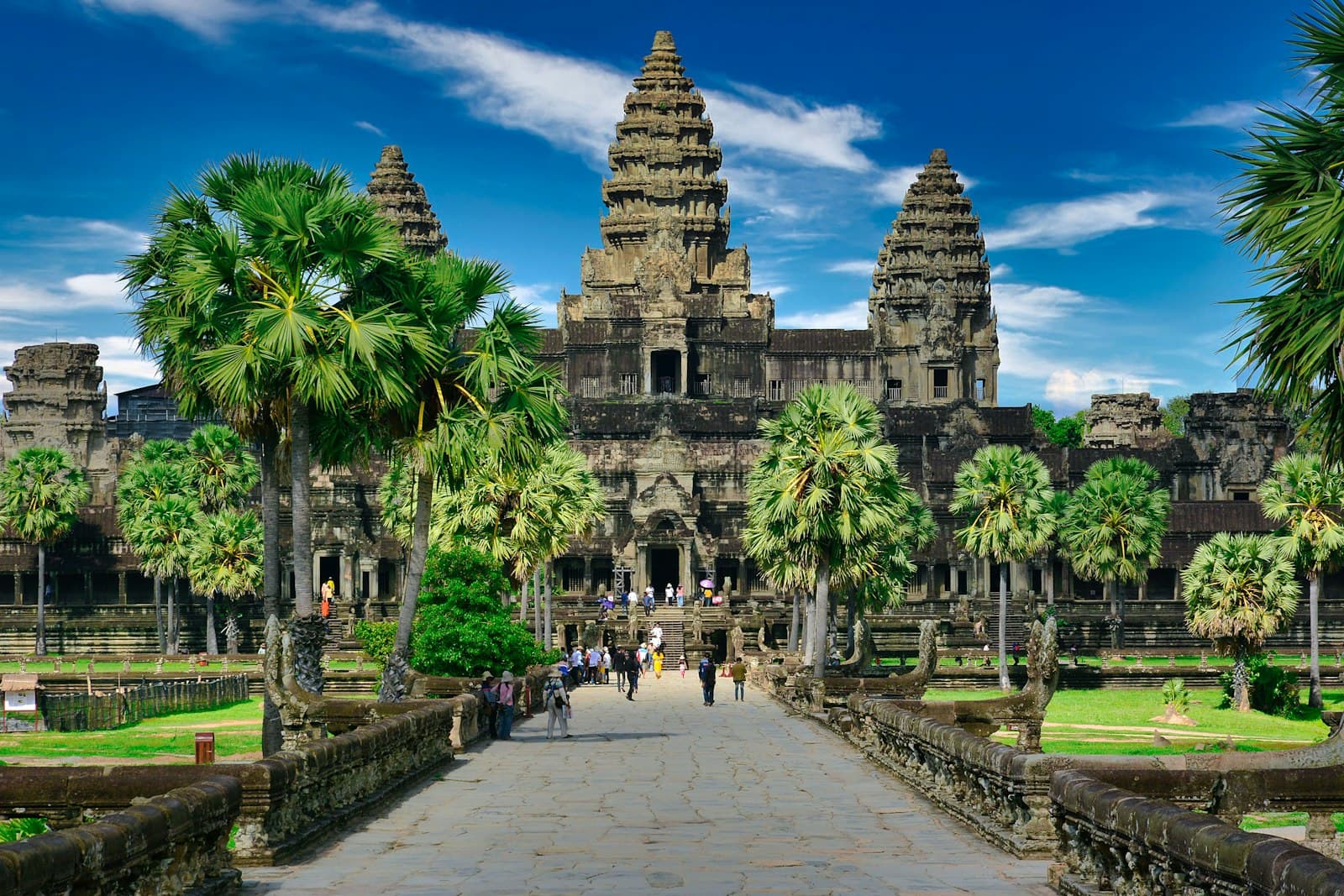
The sheer scale of Angkor Wat's construction, with millions of sandstone blocks, seems almost impossible for its time.

Full story unlocks in the tour
Bayon Temple

The enigmatic smiling faces of Bayon Temple, carved into its numerous towers, seem to follow you with their gaze.

Full story unlocks in the tour
Phnom Kulen's Reclining Buddha

High on the sacred mountain of Phnom Kulen, a massive reclining Buddha statue holds a subtle detail that hints at a deeper meaning than peaceful slumber.

Full story unlocks in the tour
The full tour

Discover every secret of Siem Reap

Every address, every reveal in full — in your ear, right where it happened.

Get the key to Siem Reap

You pick your stops. You walk. The voice reveals what the others miss.

Choose your time

How long do you have in Siem Reap?

No tours available yet. Check back soon — we're preparing them.

About Siem Reap

The story of Siem Reap

Siem Reap, in northwestern Cambodia, is a city interwoven with the awe-inspiring temples of Angkor, drawing millions to witness the architectural grandeur of the Khmer Empire. While Angkor Wat is undoubtedly the primary attraction, the city itself has blossomed into a destination offering a compelling mix of cultural experiences, bustling markets, and a burgeoning contemporary arts scene. From its French colonial and Chinese-style architecture to its dynamic dining and nightlife, Siem Reap provides a lively base for exploring both ancient wonders and modern Cambodian life.

The city's growth has been fueled by its role as the entry point to the Angkor Archaeological Park, a UNESCO World Heritage site encompassing over 50 accessible temples within a 400 square kilometer area. Beyond the iconic structures, Siem Reap offers opportunities to delve into local traditions, explore floating villages on Tonlé Sap Lake, and engage with the resilience and warmth of the Cambodian people.

History

From Ancient Empire to Modern Hub

The area around Siem Reap has been inhabited for millennia, with evidence of settlements dating back to 1000 BC. However, its prominence truly began with the rise of the Khmer Empire in the 9th century. The early capital, Hariharalaya (modern Roluos), was established near Siem Reap by Jayavarman II, strategically located close to the sacred Phnom Kulen mountain and the abundant Tonlé Sap lake. The Siem Reap River itself was a deliberate creation by Khmer kings to supply water to the burgeoning city.

Between the 9th and 13th centuries, the city of Angkor flourished, becoming one of the largest and most sophisticated urban centers in the world, home to an estimated one million residents. This period saw the construction of hundreds of temples, including the iconic Angkor Wat, a testament to the empire's architectural and artistic prowess. However, the reasons for Angkor's decline and eventual abandonment after 1431 remain unclear, with environmental changes and infrastructure failures cited as possible factors.

For centuries, the region, including Siem Reap, experienced periods of intervention and domination by its more powerful neighbors, Vietnam and Siam (modern Thailand). Siem Reap, meaning "Defeat of Siam" in Khmer, takes its name from a significant 16th-century battle victory of the Khmer Empire over the Kingdom of Siam. From 1795 until 1907, Siem Reap and other northwestern Cambodian cities were under Siamese administration.

Modern Siem Reap began to take shape after the French acquired Angkor in 1907 following a Franco-Siamese treaty. French explorers like Henri Mouhot had "re-discovered" Angkor in the 19th century, sparking archaeological interest and drawing early Western tourists. The École française d'Extrême-Orient (EFEO) played a crucial role in clearing and restoring the site, further boosting tourism. The Grand Hotel d'Angkor, opened in 1929, marked a new era for the city, attracting visitors until the late 1960s.

The civil war and the brutal Khmer Rouge regime in 1975 brought tourism to a halt, with city populations, including Siem Reap's, forcibly relocated to the countryside. Much of the town was destroyed during this period, though some colonial villas and old market shophouses survived. Following Pol Pot's death in 1998 and the return of stability, Siem Reap's tourism industry revived, transforming it into the effervescent cultural and economic hub it is today.

What to see

Siem Reap offers a wealth of experiences, primarily centered around the magnificent Angkor Archaeological Park. Dedicate at least two to three days to explore its wonders. Begin with Angkor Wat, the world's largest religious monument, ideally at sunrise, though anticipate crowds. Its intricate bas-reliefs and grand scale are captivating.

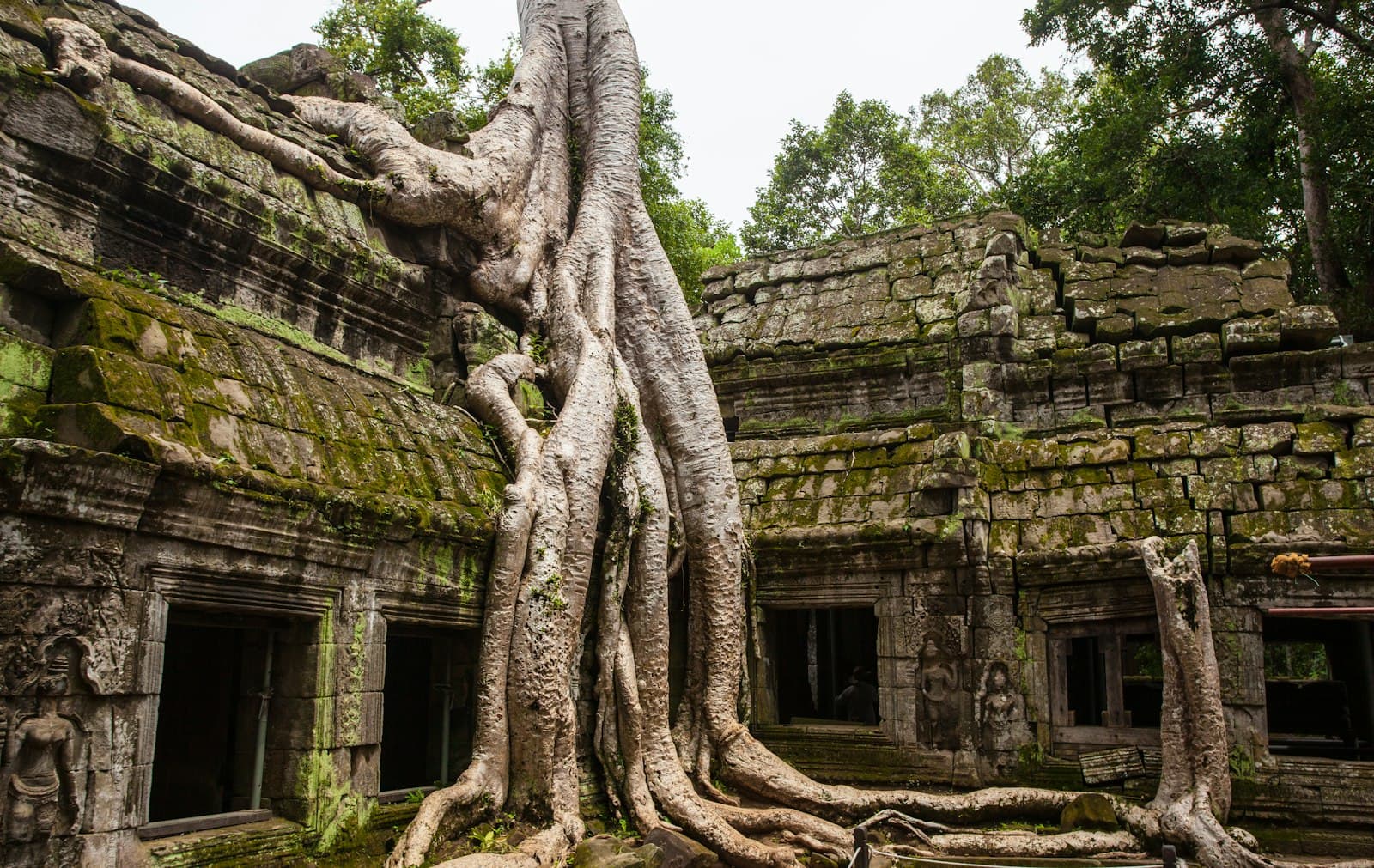
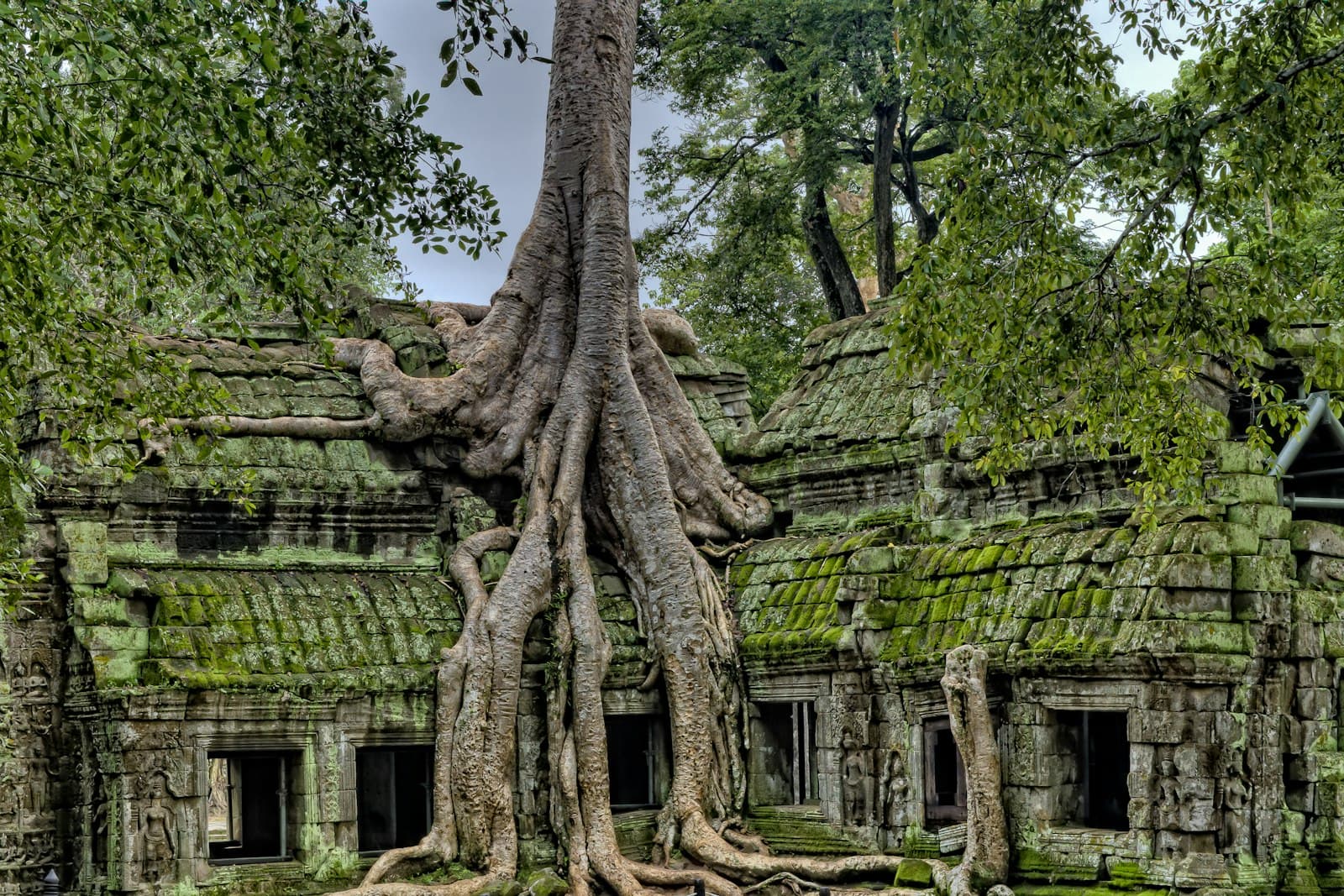
Next, venture into Angkor Thom, an ancient walled city. Here, the Bayon Temple stands out with its numerous towers adorned with enigmatic smiling faces. Don't miss Ta Prohm, often called the "Tomb Raider temple," where colossal tree roots intertwine with ancient stone structures, creating a mystical atmosphere. Other notable temples include Banteay Srei, known for its exquisite pink sandstone carvings, and the sprawling, jungle-engulfed Beng Mealea.

Beyond the temples, explore the sacred Phnom Kulen National Park, home to waterfalls, ancient carvings in the "River of a Thousand Lingas," and Cambodia's largest reclining Buddha at Preah Ang Thom. Discover the lively local culture at the Angkor Night Market and Old Market, perfect for souvenirs, street food, and traditional crafts. Consider a visit to a floating village on Tonlé Sap Lake for a glimpse into a unique way of life. For a modern cultural experience, catch a performance at Phare, the Cambodian Circus, which blends acrobatics with Khmer storytelling.

When to visit

The ideal time to visit Siem Reap is during the dry season, from November to February. During these months, the weather is cooler and dry, with comfortable temperatures ranging from 25°C to 30°C (77°F to 86°F), making it perfect for exploring the temples and outdoor activities. This is also the peak tourist season, so anticipate larger crowds and higher prices for accommodations and flights.

The wet season, from May to October, brings lush green landscapes and fewer crowds, often with hotel deals. Rainfall typically comes in short bursts rather than all-day downpours, and the vegetation around the temples is verdant. March and April are the hottest months, with temperatures sometimes reaching 40-45°C (104-113°F), so indoor activities are recommended during this time.

Practical

Cambodia's currency is the Riel, but US dollars are widely accepted, with change often given in Riel. It's advisable to carry fresh, low-denomination US dollar bills, as old or damaged bills may be rejected. ATMs are readily available. For getting around, tuk-tuks are a popular and affordable option, and ride-hailing apps like Grab and Bolt are also available. Siem Reap is a walkable city, especially the old center.

When visiting temples, a respectful dress code is essential: knees and shoulders should be covered. Avoid touching carvings, climbing restricted areas, and be mindful around monks. An e-visa can be obtained in advance through the government's e-arrival app. Many travelers recommend hiring a local guide to enhance the temple experience and provide historical context.

Good to know
What is Siem Reap best known for?
Siem Reap is best known as the entry point to the ancient temples of Angkor, particularly Angkor Wat, the largest religious monument in the world and a UNESCO World Heritage site.
What does the name Siem Reap mean?
The name Siem Reap means "Defeat of Siam" (Siam being the former name for Thailand), referring to a 16th-century battle victory of the Khmer Empire over the Kingdom of Siam.
Is Siem Reap safe for tourists?
Yes, Siem Reap is generally considered safe for tourists. As with any travel destination, it's wise to be aware of your surroundings and take standard precautions.
What are some unique cultural experiences in Siem Reap?
Beyond the temples, unique cultural experiences include attending an Apsara dance performance, watching the Phare Cambodian Circus, exploring local markets, taking a Khmer cooking class, and visiting a silk farm.
What should I wear when visiting the temples?
When visiting the temples, it is important to dress respectfully by covering your knees and shoulders.
What currency is used in Siem Reap?
While the Cambodian Riel is the official currency, US dollars are widely accepted and often preferred, with change typically given in Riel. It's recommended to carry clean, low-denomination US dollar bills.
Siem Reap
From€9.00
No booking · activate anytime · 12h to walk it
Get the key to Siem Reap