Stora Gatan
A rua principal de Sigtuna tem servido como uma via movimentada por mais de mil anos, mas o caminho que você percorre hoje não é o original.
História completa desbloqueada no tour
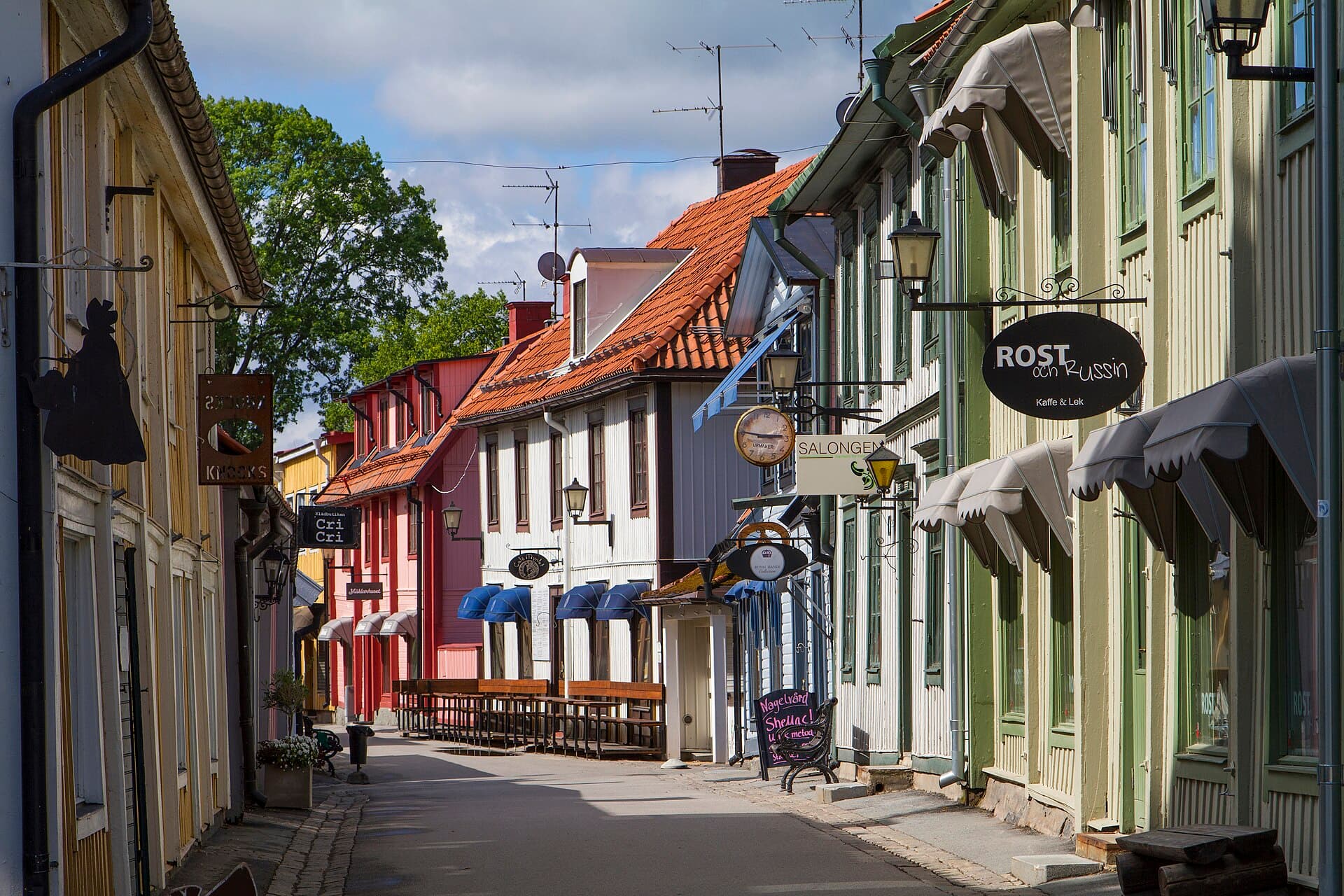 Brorsson / CC BY-SA 3.0, via Wikimedia Commons
Tour de áudio autoguiado por Sigtuna — rota GPS a pé, reprodução offline, narração envolvente em 32 idiomas.
“Onde os ecos vikings encontram a tranquilidade à beira do lago.”
Não os postais. As histórias que nem os locais conhecem — sussurradas ao seu ouvido, exatamente onde aconteceram.
A rua principal de Sigtuna tem servido como uma via movimentada por mais de mil anos, mas o caminho que você percorre hoje não é o original.
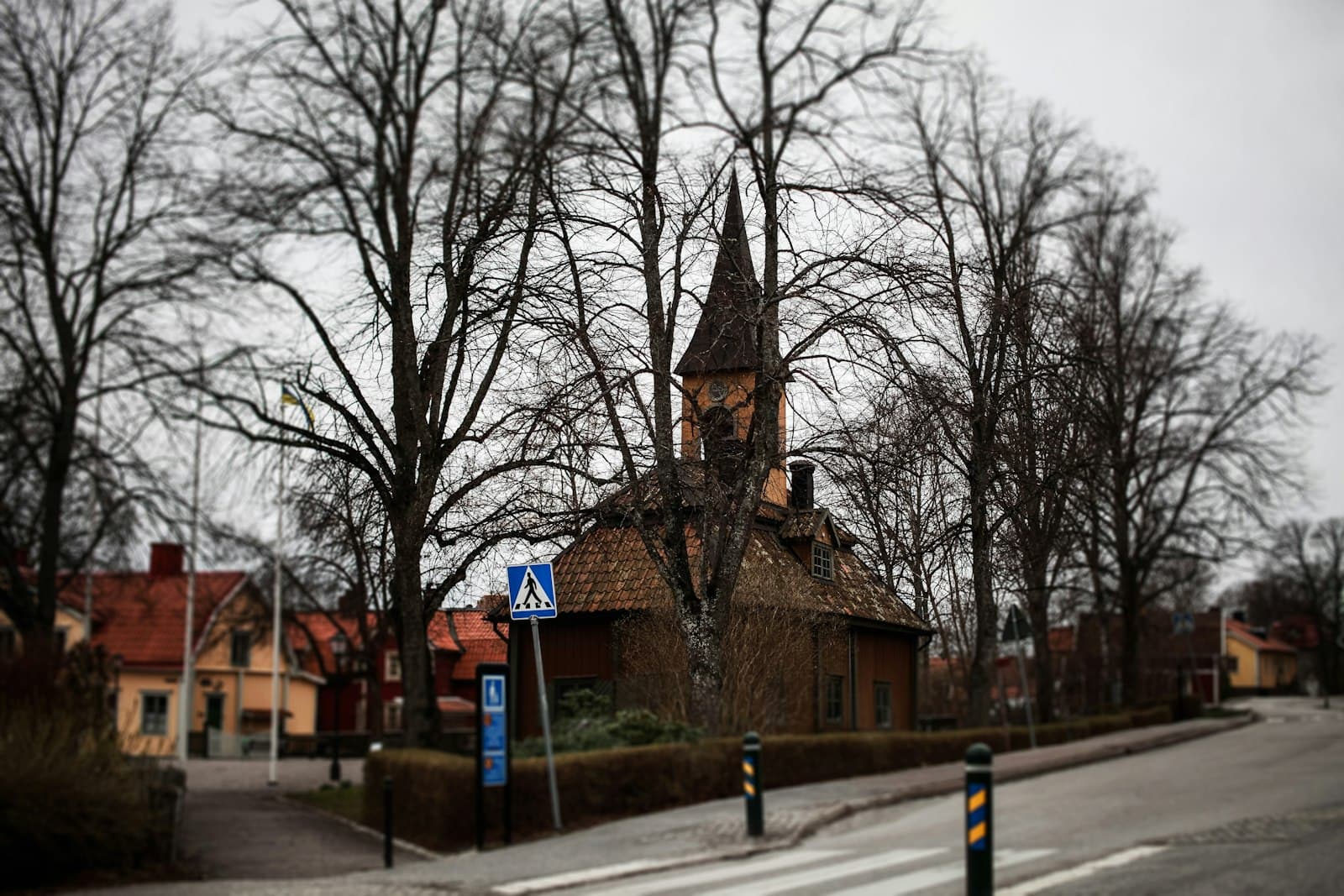
Este convidativo edifício de cor ocre detém uma distinção singular entre as estruturas municipais suecas.
Sigtuna é mundialmente reconhecida por sua notável concentração de antigas pedras inscritas, mas duas delas oferecem um elo especialmente direto com o passado.
Descubra cada segredo de Sigtuna
Cada endereço, cada revelação na íntegra — no seu ouvido, exatamente onde aconteceu.
Você escolhe as suas paragens. Você caminha. A voz revela o que os outros perdem.

O seu tour áudio autoguiado de Sigtuna está pronto — escolha os seus pontos de interesse, selecione o seu idioma e comece no momento em que chegar.
ComprarA Lume inclui um guia de realidade aumentada. Levante o telemóvel: a câmara mostra a rua à sua frente, com uma seta luminosa sobreposta à imagem real que aponta sempre para a sua próxima paragem — sem mapa para decifrar, sem voltas erradas. Como tudo na Lume, funciona totalmente offline.
Sigtuna, frequentemente chamada de a cidade mais antiga da Suécia, convida a uma viagem no tempo, com suas fundações lançadas na Era Viking por volta de 980 d.C. Repousando nas serenas margens do Lago Mälaren, a noroeste de Estocolmo, esta localidade envolvente apresenta uma mistura de narrativas antigas e beleza cênica. Suas avenidas amigáveis para pedestres, ladeadas por casas de madeira coloridas, convidam os visitantes a explorar um patrimônio que antecede muitas das maiores cidades da Suécia.
Uma vez um centro real e comercial fundamental, Sigtuna viu a cunhagem das primeiras moedas da Suécia e desempenhou um papel crucial na transição do paganismo nórdico para o cristianismo. Hoje, mantém uma atmosfera relaxada e local, tornando-a uma escapada ideal do burburinho urbano. De ruínas de igrejas medievais a numerosas pedras rúnicas, Sigtuna oferece uma conexão tangível com os anos formativos da Suécia, tornando-a um destino cativante para entusiastas de história e para aqueles que buscam uma experiência tranquila à beira do lago.
## O Berço de um Reino A história de Sigtuna começa por volta de 980 d.C., estabelecida pelo Rei Erik, o Vitorioso, tornando-a a primeira cidade da Suécia e, por um período, sua capital. Sua localização estratégica no Lago Mälaren permitiu-lhe controlar rotas comerciais vitais que ligavam o interior da Suécia ao Mar Báltico. Este antigo assentamento rapidamente se tornou um poderoso nexo político e comercial, um papel que manteve por aproximadamente 250 anos. Durante este período florescente, Sigtuna foi o local onde as primeiras moedas da Suécia foram cunhadas, um testemunho de sua importância econômica.
Além de sua proeza comercial, Sigtuna também foi um centro crítico para a disseminação do cristianismo na Suécia. Numerosas igrejas e mosteiros foram fundados aqui, marcando a transição do paganismo. Embora muitas dessas estruturas agora sejam ruínas evocativas, como as igrejas de St. Per, St. Olof e St. Lars, a Mariakyrkan (Igreja de Santa Maria) do século XIII, construída pela ordem Dominicana, permanece em grande parte intacta e é um dos edifícios de tijolos mais antigos da Suécia.
A importância da cidade diminuiu gradualmente no século XIII, com o poder mudando para cidades emergentes como Estocolmo e Uppsala. Embora alguns relatos históricos sugiram um ataque dos Estonianos em 1187, evidências arqueológicas indicam que a cidade continuou a prosperar por mais 50 anos, com seu declínio mais provavelmente ligado a problemas de navegabilidade causados pelo rebote pós-glacial. Apesar de seu papel político reduzido, o legado de Sigtuna como o berço da história urbana e cristã da Suécia perdura, preservado em seu antigo traçado de ruas, pedras rúnicas e ruínas medievais.
Uma visita a Sigtuna é uma caminhada por um museu vivo. Comece na Stora Gatan, a rua principal mais antiga da Suécia, onde edifícios de madeira coloridos dos séculos XVII e XVIII abrigam agora boutiques independentes, cafés e restaurantes. A configuração da rua permaneceu em grande parte consistente por mil anos, embora o nível do solo tenha subido significativamente.
Explore a Câmara Municipal de Sigtuna (Rådhuset), um pequeno e distinto edifício ocre de 1744, notável por ser a menor câmara municipal da Suécia. Perto dali, o Museu de Sigtuna oferece insights sobre o passado viking e medieval da cidade através de achados arqueológicos, incluindo anéis de ouro, inscrições rúnicas e moedas antigas. O museu também destaca o papel da Fundação Sigtuna como hospital de quarentena para sobreviventes do Holocausto em 1945.
Sigtuna é reconhecida por suas pedras rúnicas. Um mapa do Museu de Sigtuna ou da Informação Turística pode guiá-lo a essas antigas inscrições, muitas das quais ainda estão em seus locais originais. Descubra as ruínas de antigas igrejas cristãs, incluindo St. Per's, St. Lars' e St. Olof's, que oferecem um vislumbre da história religiosa da cidade. A bem preservada Mariakyrkan (Igreja de Santa Maria), uma igreja de tijolos do século XIII, também vale a visita por seus afrescos medievais e pia batismal.
Dê um passeio pela calçada à beira-mar junto ao Lago Mälaren, oferecendo vistas panorâmicas e uma atmosfera tranquila. Para aqueles interessados em propriedades mais grandiosas, vários castelos ficam a uma curta distância, incluindo o Castelo de Skokloster barroco e o Palácio de Rosersberg.
A época ideal para visitar Sigtuna para um clima agradável e atividades ao ar livre é durante junho, julho e agosto. Durante esses meses de verão, as temperaturas geralmente variam de 21°C a 24°C (70°F a 75°F), com longas horas de luz do dia e uma atmosfera animada. Embora possa haver alguma chuva, as condições amenas são ideais para explorar. Reservar acomodação com antecedência é aconselhável se visitar em julho devido à sua popularidade.
Primavera (abril-maio) oferece ruas floridas e menos multidões, com dias frescos, mas ensolarados, perfeitos para passear. Outono (setembro-outubro) traz folhagem vibrante e um ritmo mais aconchegante. Mesmo dezembro pode ser atraente, com a cidade se transformando para os mercados de Natal, embora as temperaturas sejam frias.
Sigtuna está convenientemente situada a aproximadamente 40 quilômetros (25 milhas) a noroeste de Estocolmo e é facilmente acessível. O Aeroporto de Estocolmo Arlanda (ARN) fica a apenas cerca de 12 quilômetros (7,5 milhas) de distância, com conexões regulares de ônibus para Sigtuna. De Estocolmo, você pode pegar um trem para Märsta, seguido por um curto passeio de ônibus até Sigtuna.
A moeda oficial em Sigtuna, e em toda a Suécia, é a Coroa Sueca (SEK). Embora a Suécia seja em grande parte uma sociedade sem dinheiro, com pagamentos por cartão e celular amplamente aceitos, é aconselhável carregar uma pequena quantia de moeda local para compras menores. Caixas eletrônicos (Bankomat ou Uttagsautomat) estão disponíveis para saques em dinheiro. O inglês é comumente falado em Sigtuna.
Sapatos confortáveis para caminhar são recomendados para explorar as ruas antigas e os locais históricos. Camadas de roupas são práticas devido ao clima mutável, e uma jaqueta leve para chuva é útil. O Centro de Informações Turísticas de Sigtuna, localizado no Museu de Sigtuna (Stora Gatan 55), fornece mapas, dicas e reservas de passeios.
Sigtuna — coreano, chinês, hebraico e mais 29 idiomas, cada parada narrada por uma voz nativa. A maior variedade de idiomas entre os passeios de áudio autoguiados.
Disponível em: