Grotte de Gutman
Cette grotte millénaire recèle bien plus que des merveilles géologiques ; c'est une toile de déclarations séculaires.
L'histoire complète se débloque dans le tour
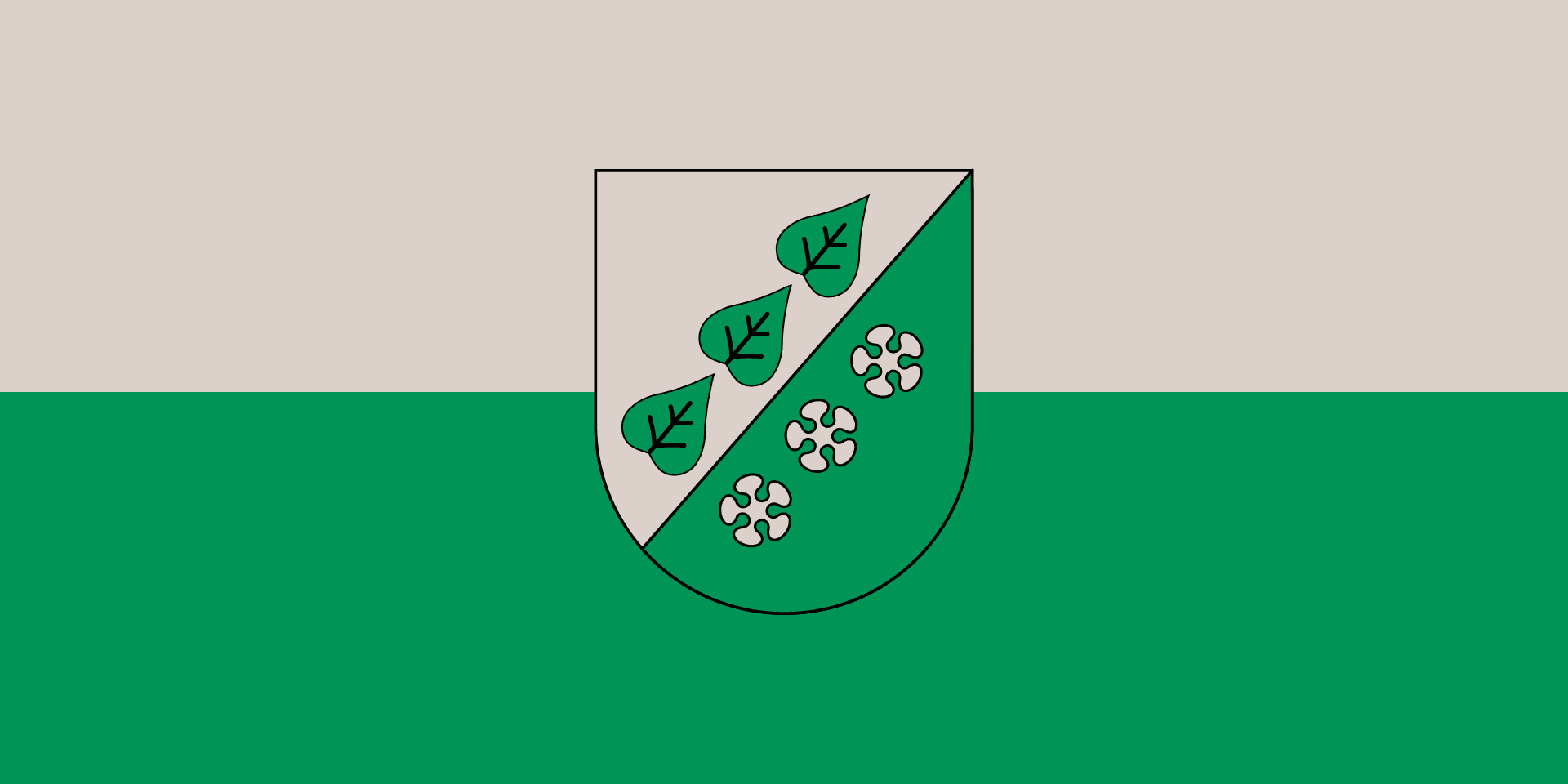 lv:Lietotājs:Kikos (uploader) / Public domain, via Wikimedia Commons
Visite audio autoguidée de Sigulda — parcours GPS à pied, lecture hors ligne, narration en 32 langues.
“Là où les légendes ancestrales résonnent à travers les falaises de grès et les châteaux médiévaux.”
Pas les cartes postales. Les histoires que même les habitants ignorent — soufflées à l'oreille, là où elles se sont passées.
Cette grotte millénaire recèle bien plus que des merveilles géologiques ; c'est une toile de déclarations séculaires.
Au-delà de sa façade néo-gothique, ce château a autrefois servi à un but unique, favorisant une communauté surprenante.
La prouesse de la Lettonie dans les sports d'hiver a un lien profond avec Sigulda, où un esprit pionnier a autrefois tracé un chemin.
Découvrez tous les secrets de Sigulda
Chaque adresse, chaque révélation en entier — dans ton oreille, là où elle s'est passée.
Tu choisis tes lieux. Tu marches. La voix te révèle ce que les autres ignorent.
Votre visite audioguidée de Sigulda vous attend — choisissez vos lieux, votre langue, et lancez-vous dès votre arrivée.
AcheterLume intègre un guide en réalité augmentée. Levez votre téléphone : sa caméra montre la rue devant vous, avec une flèche lumineuse posée sur l'image réelle qui pointe toujours vers votre prochain arrêt — aucune carte à déchiffrer, aucun mauvais virage. Comme tout dans Lume, ça fonctionne entièrement hors-ligne.
Sigulda, souvent surnommée la « Suisse de la Vidzeme » en raison de son terrain vallonné et de sa beauté scénique, est une ville de Lettonie située dans le parc national de la Gauja. À environ 55 kilomètres au nord-est de la capitale Riga, Sigulda offre un mélange d'intrigues historiques et d'aventures en plein air. La ville est nichée au cœur de la pittoresque vallée de la rivière Gauja, caractérisée par des falaises de grès dévonien rougeâtre et des forêts luxuriantes.
Cette destination est un lieu prisé des habitants et des visiteurs internationaux désireux d'explorer des châteaux médiévaux, des grottes anciennes et de vastes paysages naturels. Sigulda constitue une excellente base pour la randonnée et le cyclisme, avec de nombreux sentiers bien balisés serpentant à travers le parc national. Au-delà de son attrait naturel, Sigulda est également connue comme la capitale de l'aventure de la Lettonie, proposant des activités allant du bobsleigh au saut à l'élastique.
La région autour de l'actuelle Sigulda était habitée par les Livoniens de la Gauja entre le XIe et le XIIIe siècle, qui y construisirent des forteresses en bois sur des collines fortifiées. Le premier château en pierre de Sigulda fut érigé entre 1207 et 1209 par les Chevaliers Porte-Glaive, un ordre militaire de « moines guerriers » allemands désireux de christianiser la région baltique. Cette structure initiale était une forteresse de type castellum, agrandie plus tard pour devenir un bâtiment de style couvent. En 1432, le château devint la résidence du Maréchal de l'Ordre de Livonie, le deuxième plus haut dignitaire de l'ordre.
Le château subit d'importants dommages pendant la guerre de Livonie (1558-1583) et la guerre polono-suédoise au début du XVIIe siècle, tombant finalement en ruine. Malgré des périodes de restauration, le château fut largement abandonné après la Grande Guerre du Nord. Au XVIIIe siècle, la région se transforma en manoir féodal, devenant une partie du gouvernement de Livonie. C'est au XIXe siècle que les ruines du château attirèrent l'attention en tant que site romantique, ce qui conduisit à quelques réaménagements et à l'ajout d'une porte en 1867.
En 1867, le manoir de Sigulda fut hérité par la princesse Olga Kropotkin qui, avec son fils Nikolai Kropotkin, joua un rôle central dans le développement de Sigulda en ville de villégiature. Ils soutinrent le développement d'installations touristiques et d'hébergements et s'assurèrent même que la ligne de chemin de fer Riga-Pskov traverse la ville. Le nouveau château néo-gothique de Sigulda fut construit entre 1878 et 1881 comme leur résidence, en utilisant des matériaux d'un ancien bâtiment du XVIIe siècle. Après avoir été pillé pendant la Première Guerre mondiale, le nouveau château fut donné à l'Association lettone des écrivains et journalistes en 1922, devenant connu sous le nom de Palais des Écrivains. Il subit d'importantes reconstructions en 1937, acquérant un intérieur romantique national unique qui a été préservé et restauré.
Après l'indépendance de la Lettonie en 1991, Sigulda s'est concentrée sur la conservation de ses monuments publics et de ses parcs tout en améliorant son secteur touristique. Aujourd'hui, le quartier du château de Sigulda, qui englobe à la fois les ruines médiévales et le nouveau château, est un centre d'ateliers créatifs et d'événements culturels, y compris le célèbre Festival international d'opéra de Sigulda. La ville continue d'être un centre d'activités de plein air et un témoignage de son histoire durable et de son attrait naturel.
Sigulda offre un large éventail de sites, des fortifications antiques aux merveilles naturelles. Le Complexe du Château de Sigulda comprend les ruines du Château médiéval de l'Ordre de Livonie, construit en 1207, et le Nouveau Château de Sigulda néo-gothique de 1878. Les visiteurs peuvent monter dans les tours de l'ancien château pour admirer la vue sur les environs et explorer les ateliers créatifs dans le quartier du château.
De l'autre côté de la vallée de la rivière Gauja, accessible par le Téléphérique de Sigulda, se trouve la Réserve du Musée de Turaida. Cette vaste zone comprend le Château de Turaida reconstruit, une église en bois du XVIIIe siècle et le Jardin des Chants Populaires. Ne manquez pas la Grotte de Gutman, la grotte la plus large et la plus haute des pays baltes, connue pour ses anciennes inscriptions et son lien avec la légende de la Rose de Turaida. À proximité se trouve la plus petite Grotte de Victor, également liée à la légende.
Pour les amateurs d'adrénaline, la Piste de bobsleigh et de luge de Sigulda est l'une des rares au monde ouverte au public pour des descentes, offrant une occasion unique d'atteindre des vitesses allant jusqu'à 100 km/h. La piste offre également une plateforme d'observation pour ceux qui préfèrent observer. Les amateurs de plein air peuvent explorer les nombreux sentiers de randonnée et de cyclisme du Parc national de la Gauja, souvent surnommé la « Suisse de la Lettonie ». Des vues panoramiques peuvent être appréciées depuis la Colline du Paradis (Colline du Peintre) et Keizarskats (Vue Royale).
Sigulda offre des expériences distinctes au fil de ses quatre saisons. L'été (juin-août) est populaire pour son temps chaud, ses longues journées et ses conditions idéales pour la randonnée et le cyclisme, bien qu'il puisse être très fréquenté. L'automne (septembre-novembre) est prisé pour son feuillage éclatant, transformant le paysage en nuances d'or, d'ambre et de rouge, notamment dans le parc national de la Gauja. Début octobre est souvent cité comme le meilleur moment pour admirer les couleurs automnales. Le printemps (avril-mai) apporte un temps frais et humide, propice à l'observation des oiseaux et à la floraison des cerisiers pendant le Festival de la Ville. L'hiver (décembre-février) transforme Sigulda en un pays des merveilles enneigé, populaire pour le ski, le bobsleigh et la luge, bien que certains sentiers de randonnée plus longs puissent être fermés.
Sigulda est facilement accessible depuis Riga, située à environ une heure en train ou en bus. Les trains sont généralement préférés, vous déposant au centre-ville, tandis que certaines lignes de bus passent plus près des châteaux. Une fois à Sigulda, de nombreuses attractions sont accessibles à pied, mais un téléphérique relie les deux côtés de la vallée de la rivière Gauja, offrant des vues panoramiques et un transport entre des sites clés comme le château de Sigulda et le manoir de Krimulda. Des taxis ou des applications de covoiturage comme Bolt sont également disponibles pour les longues distances, comme pour atteindre le château de Turaida.
Pour explorer le parc national de la Gauja, respectez les sentiers balisés afin de protéger l'environnement naturel. Envisagez de séjourner dans des petites maisons d'hôtes ou des gîtes pour soutenir l'économie locale. Sigulda est réputée pour ses cannes sculptées à la main, un souvenir unique dont l'histoire remonte à plus de 200 ans. Vous pouvez souvent trouver des ateliers démontrant leur fabrication dans le quartier du nouveau château de Sigulda.
Sigulda en coréen, en chinois ou en hébreu — et dans 29 autres langues, chaque étape narrée par une voix native. La plus large gamme de langues de tous les audioguides autoguidés.
Disponible en :