Biblioteca del Castello di Peleș
Re Carol I, un uomo di contemplazione tranquilla, aveva una via di fuga segreta dalla sua grande biblioteca.
La storia completa si sblocca nel tour
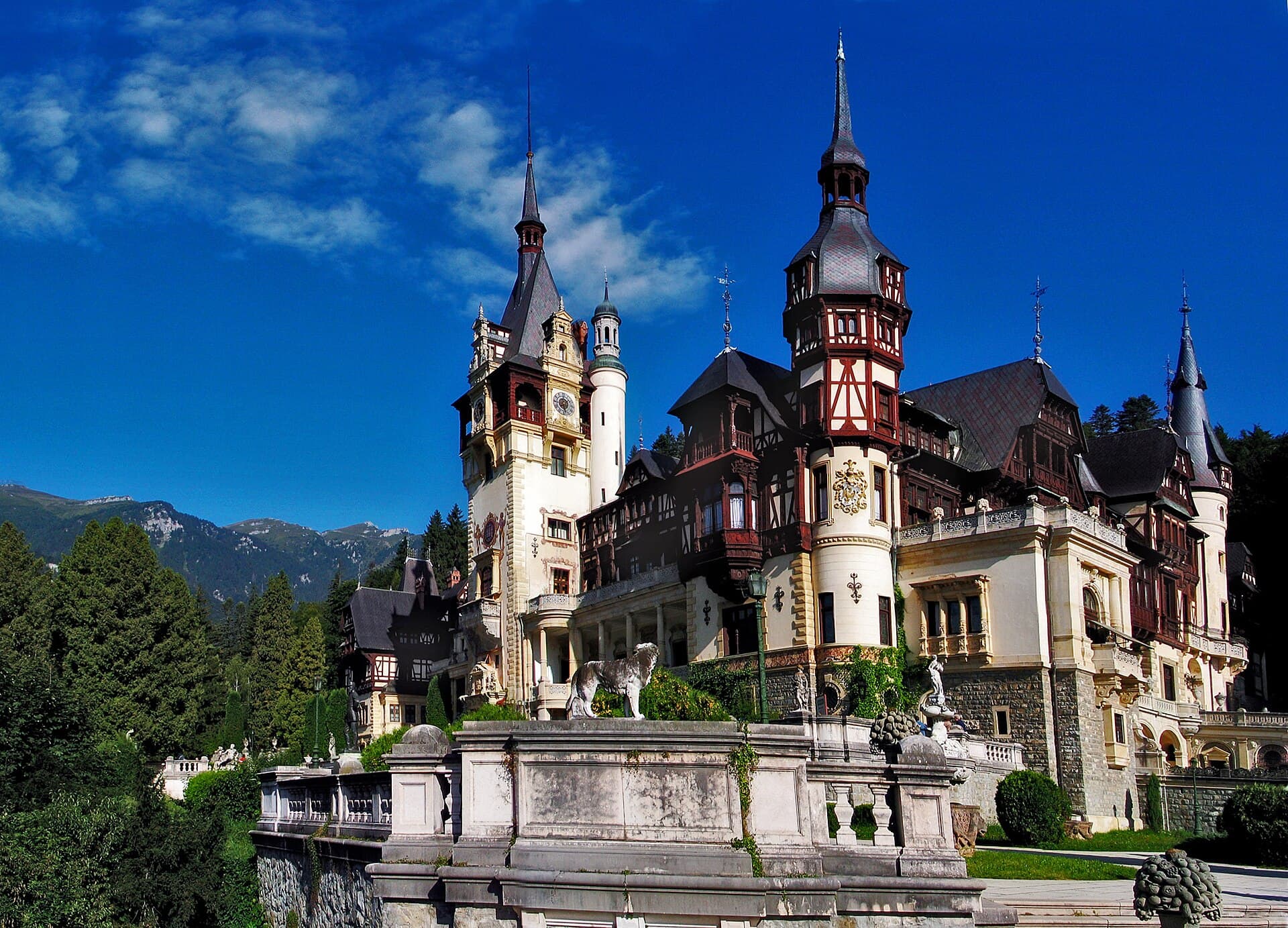 Camil72 / CC BY-SA 3.0, via Wikimedia Commons
Tour audio autoguidato di Sinaia — percorso GPS a piedi, riproduzione offline, narrazione coinvolgente in 32 lingue.
“Dove le vette dei Carpazi incontrano sussurri reali e l'aria di montagna porta echi di opulenza.”
Non le cartoline. Le storie che nemmeno i locali conoscono — sussurrate nel tuo orecchio, proprio dove sono accadute.
Re Carol I, un uomo di contemplazione tranquilla, aveva una via di fuga segreta dalla sua grande biblioteca.
Sotto i luccicanti lampadari del Casinò di Sinaia, i giocatori d'azzardo di alto profilo cercavano spesso un'uscita clandestina.
Il cuore di un'amata regina rumena riposa in un'unica camera dorata all'interno del Castello di Pelișor.
Scopri ogni segreto di Sinaia
Ogni indirizzo, ogni rivelazione completa — nel tuo orecchio, proprio dove è accaduta.
Scegli le tue tappe. Cammini. La voce rivela ciò che gli altri perdono.


Il tuo tour audio autoguidato di Sinaia è pronto — scegli i tuoi punti di interesse, seleziona la tua lingua e inizia nel momento in cui arrivi.
AcquistaLume include una guida in realtà aumentata. Alza il telefono: la fotocamera mostra la strada davanti a te, con una freccia luminosa sovrapposta all'immagine reale che punta sempre verso la tua prossima tappa — nessuna mappa da decifrare, nessuna svolta sbagliata. Come tutto in Lume, funziona completamente offline.
Sinaia, spesso chiamata la “Perla dei Carpazi,” è una città turistica montana nella contea rumena di Prahova, situata nei Monti Bucegi. A meno di due ore a nord di Bucarest e un'ora a sud di Brașov, serve come fuga ideale per coloro che cercano sia la grandezza storica che la bellezza naturale. L'altitudine della città varia tra 767 e 860 metri (2.516-2.822 piedi) sul livello del mare.
Sviluppata come ritiro reale alla fine del XIX secolo, l'atmosfera elegante e raffinata di Sinaia è ancora palpabile. Offre un mix di storia preservata, architettura imponente e abbondanti opportunità per l'avventura all'aria aperta, dalle escursioni in estate allo sci in inverno. Il fascino della città risiede nelle sue pittoresche ville e nello sfondo maestoso delle cime dei Carpazi, invitando i visitatori a esplorare i suoi tesori culturali e i suoi paesaggi notevoli.
La storia di Sinaia inizia alla fine del XVII secolo con il Principe Mihail Cantacuzino. Ispirato dal suo pellegrinaggio al Monte Sinai, fondò il Monastero di Sinaia tra il 1690 e il 1695. Questo insediamento religioso divenne il nucleo attorno al quale sarebbe cresciuta la città di Sinaia, prendendo il nome dal monastero stesso.
Inizialmente, l'area era una distesa disabitata di foreste nella Valle di Prahova. I primi abitanti furono i monaci del Monastero di Sinaia, insieme a delle guardie incaricate di sorvegliare il monastero. La città fu menzionata per la prima volta nei documenti intorno al 1690, con la creazione di case per "scutelnici" (contadini esentasse) vicino al monastero per la sua protezione. Il villaggio fu inizialmente chiamato "Izvorul" e divenne ufficialmente Sinaia nel 1874.
Le sorti della città cambiarono drasticamente con l'arrivo del Re Carol I di Romania. Attratto dalla bellezza selvaggia della regione, Re Carol I visitò il Monastero di Sinaia nel 1866. Successivamente scelse Sinaia come luogo per la sua residenza estiva, portando alla costruzione del magnifico Castello di Peleș tra il 1873 e il 1883. Il re fu profondamente coinvolto nello sviluppo e nel miglioramento del castello fino alla sua morte nel 1914, finanziando il progetto personalmente piuttosto che attraverso lo stato.
Con la presenza della famiglia reale, Sinaia si sviluppò rapidamente. Acquisì lo status di comune urbano nel 1880, comprendendo le cittadine più piccole di Izvor, Furnica e Poiana Tapului. La fine del XIX secolo vide Sinaia trasformarsi in una località preferita dall'alta società rumena, che costruì lussuose ville per le vacanze. Seguirono imponenti hotel, un casinò, ristoranti moderni e negozi, trasformando Sinaia in quella che era considerata la capitale estiva non ufficiale della Romania. Il Casinò di Sinaia, costruito tra il 1912 e il 1913, fu un'altra iniziativa di Carol I, con la sua grande inaugurazione che vide una performance del celebre compositore George Enescu. Quest'epoca consolidò la reputazione di Sinaia come destinazione distinta ed elegante.
Sinaia offre una gamma accattivante di attrazioni, che uniscono storia reale e splendore naturale. L'attrazione principale è il Castello di Peleș, un capolavoro neorinascimentale costruito per Re Carol I. Le sue 160 stanze sono adornate con intagli in legno intricati, belle arti e vetrate, mostrando un mix di stili architettonici. Adiacente a Peleș si trova il Castello di Pelișor, costruito per Re Ferdinando I e la Regina Maria, caratterizzato da un design Art Nouveau con elementi bizantini e celtici.
Il Monastero di Sinaia, fondato nel 1695, è il cuore spirituale della città. Comprende una Chiesa Antica (1695) in autentico stile Brâncovenesc e una Chiesa Nuova più grande (1846), entrambe adornate con affreschi e manufatti religiosi. Il monastero ospita anche il primo museo religioso della Romania.
Per uno sguardo al passato aristocratico della città, visita il Casinò di Sinaia, una meraviglia architettonica Art Nouveau. Sebbene non sia più una sala da gioco, ora funge da centro culturale e congressuale, ospitando mostre d'arte e concerti. Fai una passeggiata nel Parco Dimitrie Ghica, un piacevole spazio verde nel centro della città, particolarmente affascinante durante le festività natalizie con il suo mercato di Natale e la pista di pattinaggio sul ghiaccio. Per ampie vedute, prendi la Funivia di Sinaia sui Monti Bucegi, che offre accesso a sentieri escursionistici e piste da sci.
Sinaia è una destinazione che si visita tutto l'anno, con ogni stagione che offre un'esperienza distinta. Per il clima caldo ideale per visite turistiche ed escursioni, visita tra giugno e settembre, quando le temperature medie diurne variano da 19°C a 24°C (66°F-75°F). Agosto è particolarmente piacevole, con temperature confortevoli.
L'inverno, da dicembre a marzo, trasforma Sinaia in una popolare stazione sciistica, con copertura nevosa costante e un'atmosfera festosa. Le stagioni intermedie (aprile-maggio e settembre-novembre) offrono meno folla, prezzi di alloggio più bassi e temperature piacevoli per passeggiare, con l'autunno che mostra uno spettacolare fogliame autunnale. Si noti che il Castello di Peleș è tipicamente chiuso il lunedì e il martedì, quindi è consigliabile confermare gli orari di apertura prima della visita.
Sinaia è facilmente raggiungibile in treno sia da Bucarest (1,5-2,5 ore) che da Brașov (1 ora), rendendola una comoda gita di un giorno o una tappa. Si consiglia di acquistare i biglietti del treno in anticipo, soprattutto durante l'alta stagione. Sebbene la guida sia un'opzione, sii consapevole dei potenziali ingorghi e delle difficoltà di parcheggio, in particolare durante i periodi di punta.
Una volta a Sinaia, la maggior parte delle attrazioni nel centro della città sono raggiungibili a piedi. Il Castello di Peleș si trova un po' in salita dal centro città, a circa 30 minuti a piedi dalla stazione ferroviaria, ma anche le linee di autobus locali (T1 e T3) possono portarti nelle vicinanze. Sono disponibili anche taxi. Quando visiti i castelli, tieni presente che alcuni sportelli dei biglietti potrebbero accettare solo contanti, sebbene siano disponibili bancomat nelle vicinanze. Si consiglia un abbigliamento modesto quando si visita il Monastero di Sinaia, poiché è un sito religioso attivo.
Sinaia — coreano, cinese, ebraico e altre 29 lingue, ogni tappa narrata da una voce madrelingua. La più ampia scelta di lingue tra i tour audio autoguidati.
Disponibile in: