Quinta da Regaleira
De Initiatiewell in Quinta da Regaleira daalt negen verdiepingen diep in de aarde, maar was nooit bedoeld om water vast te houden. Wat was dan het ware doel ervan?
Volledig verhaal ontgrendeld in de tour
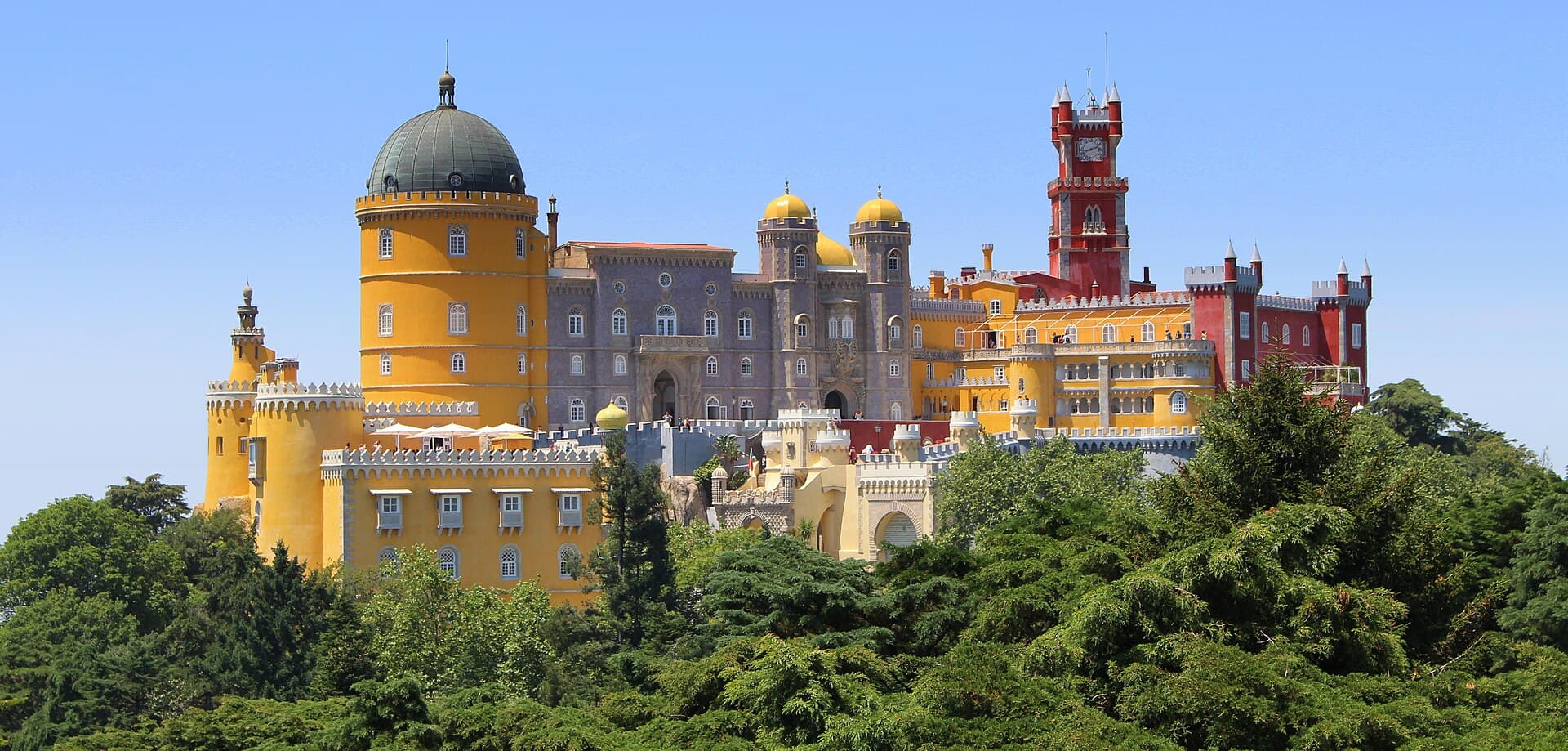 Singa Hitam / CC BY 2.0, via Wikimedia Commons
Zelfgeleide audiowandeling door Sintra — GPS-route, offline afspelen, meeslepende vertelling in 32 talen.
“Waar nevelige paleizen vergeten tijdperken vertellen.”
Niet de ansichtkaarten. De verhalen die zelfs locals niet kennen — gefluisterd in je oor, precies waar ze gebeurden.
De Initiatiewell in Quinta da Regaleira daalt negen verdiepingen diep in de aarde, maar was nooit bedoeld om water vast te houden. Wat was dan het ware doel ervan?
Sintra voelt vaak koeler en mistiger aan dan het nabijgelegen Lissabon, zelfs in de zomer. Dit is geen optische illusie; het is een duidelijk natuurlijk fenomeen.
Tijdens de Tweede Wereldoorlog speelde dit pittoreske stadje, schijnbaar onaangetast door het wereldwijde conflict, een verrassende rol in internationale intriges.
Ontdek elk geheim van Sintra
Elk adres, elke onthulling volledig — in je oor, precies waar het gebeurde.
Jij kiest je stops. Jij wandelt. De stem onthult wat de anderen missen.


Je zelfgeleide audiotour van Sintra is klaar — kies je bezienswaardigheden, kies je taal en start zodra je aankomt.
KopenLume heeft een ingebouwde augmented-reality-gids. Houd je telefoon omhoog: de camera toont de straat voor je, met een oplichtende pijl over het echte beeld die altijd naar je volgende stop wijst — geen kaart om uit te puzzelen, geen verkeerde afslagen. Zoals alles in Lume werkt het volledig offline.
Sintra, een UNESCO-werelderfgoedsite in Portugal, is een stad waar fantastische architectuur samenkomt met weelderige, glooiende heuvels. Een korte reis vanuit Lissabon biedt een boeiende ontsnapping naar een rijk van uitgebreide paleizen, oude forten en mystieke tuinen. Het unieke microklimaat van de stad, vaak gehuld in een romantische mist, versterkt zijn etherische aantrekkingskracht en creëert een sfeer die dichters en monarchen al eeuwenlang inspireert.
Sintra, in 1995 aangewezen als een Cultureel Landschap door UNESCO, wordt geprezen om zijn 19e-eeuwse romantische architectuur en de harmonieuze samensmelting van natuurlijke pracht met menselijke kunst. Van de levendige kleuren van Paleis Pena tot de raadselachtige diepten van Quinta da Regaleira, Sintra belooft een meeslepende ervaring die zowel groots als intiem persoonlijk aanvoelt. Het is een plek die aanzet tot verkenning en bezoekers uitnodigt om door zijn historische landgoederen te dwalen en de verhalen te ontdekken die in zijn stenen zijn gegrift.
Het gebied rond Sintra wordt al millennia bewoond, met bewijs van Neolithische en Bronstijdgemeenschappen. In de Romeinse tijd stond het bekend als 'Mons Lunae', of 'Maanbergen', een benaming die hint naar de mystieke uitstraling die vandaag de dag nog steeds aanwezig is. Het strategische belang van Sintra werd bijzonder duidelijk met de komst van de Moren in de 8e of 9e eeuw, die het formidabele Kasteel van de Moren bouwden. Dit middeleeuwse fort, met zijn weidse uitzichten, diende meer dan 500 jaar als een vitale vesting.
In 1147, tijdens de christelijke Reconquista, werd Sintra heroverd door Afonso Henriques, de eerste koning van Portugal, wat het einde betekende van het Moorse bestuur en een belangrijke verschuiving in de culturele identiteit van de regio. Hoewel het militaire belang van het kasteel in de loop van de tijd afnam, groeide de aantrekkingskracht van Sintra als een rustig toevluchtsoord. Tegen de 15e eeuw werd het Nationaal Paleis van Sintra, met zijn kenmerkende omgekeerde sneeuwkap-schoorstenen, een favoriete verblijfplaats voor de Portugese royalty, die diende als zomerontsnapping aan de hitte van Lissabon en als een heiligdom tijdens periodes van pest.
Sintra bloeide werkelijk op in de 19e eeuw onder invloed van Koning Ferdinand II, een in Duitsland geboren echtgenoot van Koningin Maria II. Ferdinand, een bewonderaar van de kunsten, transformeerde een verwoest 16e-eeuws klooster tot het levendige en eclectische Paleis Pena, een voorbeeldig symbool van het Portugese Romantisme. Zijn visie, die Gotische, Egyptische, Moorse en Renaissance-architectuurstijlen combineerde, creëerde een grillig zomerpaleis dat bezoekers blijft boeien. In deze periode werden ook andere grandioze landgoederen en tuinen ontwikkeld, wat de status van Sintra als een romantisch landschap en een speeltuin voor de welgestelden verstevigde.
Sintra biedt een geconcentreerde reeks architectonische en natuurlijke wonderen. Het Paleis Pena is waarschijnlijk het meest herkenbare, een kleurrijk romantisch kasteel met een locatie op de bergtop en een eclectisch ontwerp. Het uitgestrekte park beschikt over afgelegen paden, uitzichtpunten en diverse plantensoorten. In de buurt biedt het oude Kasteel van de Moren een weids uitzicht over Sintra, waarbij de ruïnes bezoekers duizend jaar terugvoeren.
Quinta da Regaleira is een ander hoogtepunt, bekend om zijn mystieke tuinen, grotten en de beroemde Initiatiewell, een spiraalvormige ondergrondse toren. Het Nationaal Paleis van Sintra, gelegen in het historische centrum, is de best bewaarde middeleeuwse koninklijke residentie van Portugal, opmerkelijk vanwege zijn dubbele conische schoorstenen. Voor een rustigere ervaring biedt het Paleis van Monserrate een mix van Moorse, Indiase en Gotische architectuur te midden van rustige botanische tuinen.
Naast de belangrijkste paleizen kunt u overwegen het sobere Convento dos Capuchos te verkennen, een 16e-eeuws Franciscaans klooster dat in de rotsen en het bos is gebouwd, of het afgelegen Santuário da Peninha, een kapel op een klif met een weids uitzicht op de kust. Voor een dramatisch natuurlijk uitzicht is Cabo da Roca, het meest westelijke punt van het vasteland van Europa, een korte reis verwijderd.
De meest gunstige tijden om Sintra te bezoeken zijn de lente (april tot mei) en de herfst (september tot oktober). Tijdens deze schouderseizoenen is het weer mild, met temperaturen tussen 17°C en 22°C, en zijn de drukte kleiner dan in de zomer. De lente brengt bloeiende bloemen voort, terwijl de herfst levendige herfstkleuren biedt, wat de aantrekkingskracht van de stad vergroot. De zomer (juni tot augustus) is het hoogseizoen, met warme, zonnige dagen maar ook de grootste drukte en mogelijke lange wachtrijen. De winter (november tot maart) ziet minder toeristen en lagere prijzen, hoewel de dagen korter zijn en regen frequenter voorkomt. Het unieke microklimaat van Sintra betekent dat mist en nevel zelfs in de warmere maanden kunnen voorkomen, dus een lichte jas is het hele jaar door aan te raden.
Sintra is gemakkelijk bereikbaar vanuit Lissabon met de trein, met frequente vertrekken vanaf station Rossio. De reis duurt ongeveer 40-45 minuten. Hoewel rijden een optie is, wordt het ontmoedigd vanwege beperkte parkeergelegenheid en beperkte toegang voor privévoertuigen in het historische centrum en nabij veel monumenten. Eenmaal in Sintra zijn een combinatie van lopen, openbaar vervoer (zoals de toeristenbus 434 die langs de belangrijkste bezienswaardigheden rijdt) en tuk-tuks de meest effectieve manieren om te navigeren. Wees voorbereid op steile hellingen en geplaveide paden, dus comfortabel schoeisel is essentieel.
Het vooraf online boeken van tickets voor attracties wordt sterk aanbevolen, vooral voor Paleis Pena en Quinta da Regaleira, omdat deze vaak tijdgebonden toegang hebben en uitverkocht kunnen raken, met name tijdens het hoogseizoen. Kortingen zijn beschikbaar bij het kopen van tickets voor meerdere locaties in dezelfde transactie. Houd voldoende tijd vrij voor elke locatie; bijvoorbeeld, Paleis Pena en zijn park kunnen gemakkelijk 2-3 uur duren om te verkennen.
Sintra — Koreaans, Chinees, Hebreeuws en nog 29 talen, elke stop verteld door een moedertaalspreker. Het grootste taalaanbod van alle zelfgeleide audiotours.
Beschikbaar in: