Antico Albero Incantato di Balete
Questo antico albero non è solo un punto di riferimento; la gente del posto crede che nasconda un segreto.
La storia completa si sblocca nel tour
 Lawrence Ruiz / CC BY-SA 4.0, via Wikimedia Commons
Tour audio autoguidato di Siquijor — percorso GPS a piedi, riproduzione offline, narrazione coinvolgente in 32 lingue.
“Siquijor: dove antichi sussurri incontrano acque turchesi.”
Non le cartoline. Le storie che nemmeno i locali conoscono — sussurrate nel tuo orecchio, proprio dove sono accadute.
Questo antico albero non è solo un punto di riferimento; la gente del posto crede che nasconda un segreto.
Un'unica pratica di guarigione prevede un bicchiere d'acqua e una misteriosa pietra nera.
Il nome spagnolo di Siquijor, "Isola del Fuoco", non era dovuto ai suoi tramonti infuocati.
Scopri ogni segreto di Siquijor
Ogni indirizzo, ogni rivelazione completa — nel tuo orecchio, proprio dove è accaduta.
Scegli le tue tappe. Cammini. La voce rivela ciò che gli altri perdono.

Il tuo tour audio autoguidato di Siquijor è pronto — scegli i tuoi punti di interesse, seleziona la tua lingua e inizia nel momento in cui arrivi.
AcquistaLume include una guida in realtà aumentata. Alza il telefono: la fotocamera mostra la strada davanti a te, con una freccia luminosa sovrapposta all'immagine reale che punta sempre verso la tua prossima tappa — nessuna mappa da decifrare, nessuna svolta sbagliata. Come tutto in Lume, funziona completamente offline.
Siquijor, una provincia insulare nella regione delle Visayas Centrali delle Filippine, è spesso chiamata l'"Isola Mistica" per la sua duratura reputazione di guarigione tradizionale e folklore. È la terza provincia più piccola del paese sia per popolazione che per estensione territoriale. Oltre al suo fascino mistico, Siquijor offre spiagge incontaminate, fiorenti santuari marini e cascate, attirando visitatori in cerca di relax e avventura. Il ritmo tranquillo dell'isola e la genuina cultura locale offrono un'esperienza distinta, lontana dagli hub turistici più sviluppati.
Conosciuta dagli spagnoli come "Isla del Fuego" o "Isola del Fuoco" per le abbondanti lucciole che un tempo illuminavano i suoi alberi di molave, Siquijor ha un carattere unico. La sua bellezza naturale, unita alle intriganti credenze locali riguardanti la guarigione popolare e la "magia bianca", crea un'atmosfera sia serena che accattivante.
Le origini di Siquijor sono intrecciate con la leggenda, con racconti che suggeriscono che l'isola sia emersa dalle profondità del mare durante una grande tempesta e un terremoto. Scoperte moderne di conchiglie giganti da parte di agricoltori delle alture conferiscono un tocco di credibilità a questo antico folklore.
Prima della colonizzazione spagnola, l'isola era conosciuta come "Katugasan", un nome derivato dagli abbondanti alberi di tugas o molave che coprivano le sue colline. Questi alberi resistenti venivano utilizzati dagli abitanti nativi per i pali delle case. Gli spagnoli avvistarono per la prima volta Siquijor nel 1565 durante la spedizione di Miguel López de Legazpi e successivamente la annetterono all'Impero spagnolo. La battezzarono "Isla del Fuego" a causa dello splendore ipnotico di innumerevoli lucciole negli alberi di molave.
Il folklore suggerisce anche che il nome attuale dell'isola, Siquijor, derivi da un malinteso. All'arrivo degli spagnoli, un sovrano locale di nome Re Kihod si presentò dicendo "si Kihod" (io sono Kihod), che gli spagnoli presero erroneamente come nome dell'isola. Successivamente lo adattarono in Siquijor per facilitarne la pronuncia.
Siquijor divenne il primo comune e parrocchia dell'isola nel 1783, inizialmente amministrata dalla Diocesi di Cebu e civilmente sotto Bohol. Nel corso dei secoli, furono istituite altre parrocchie da sacerdoti agostiniani e recolletti. Durante l'occupazione americana, Siquijor divenne una sotto-provincia di Negros Oriental nel 1901. Ottenne la piena indipendenza come provincia il 17 settembre 1971, in virtù della Republic Act 6398. La capitale era inizialmente Larena, ma fu trasferita nel comune di Siquijor nel 1972.
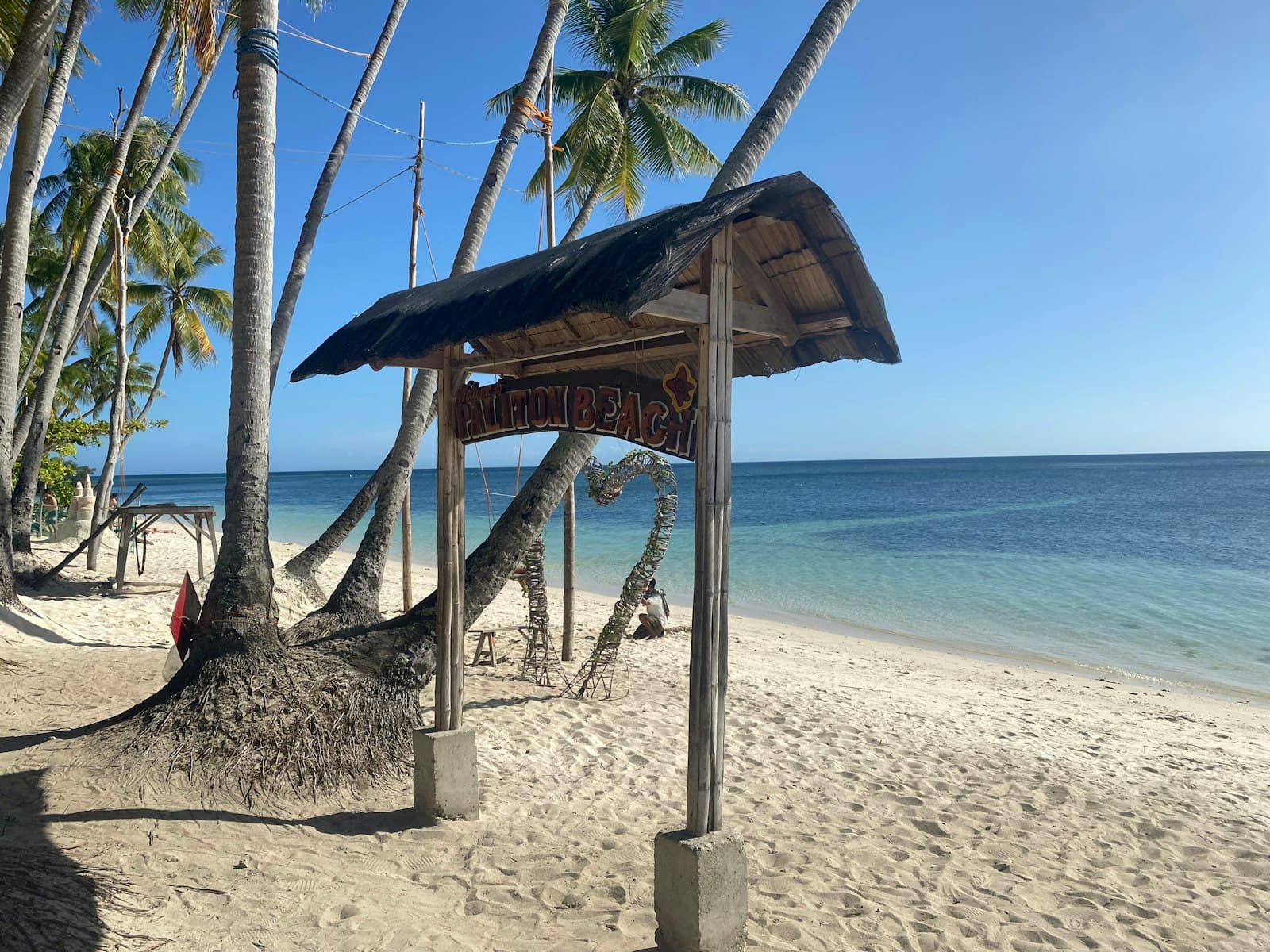
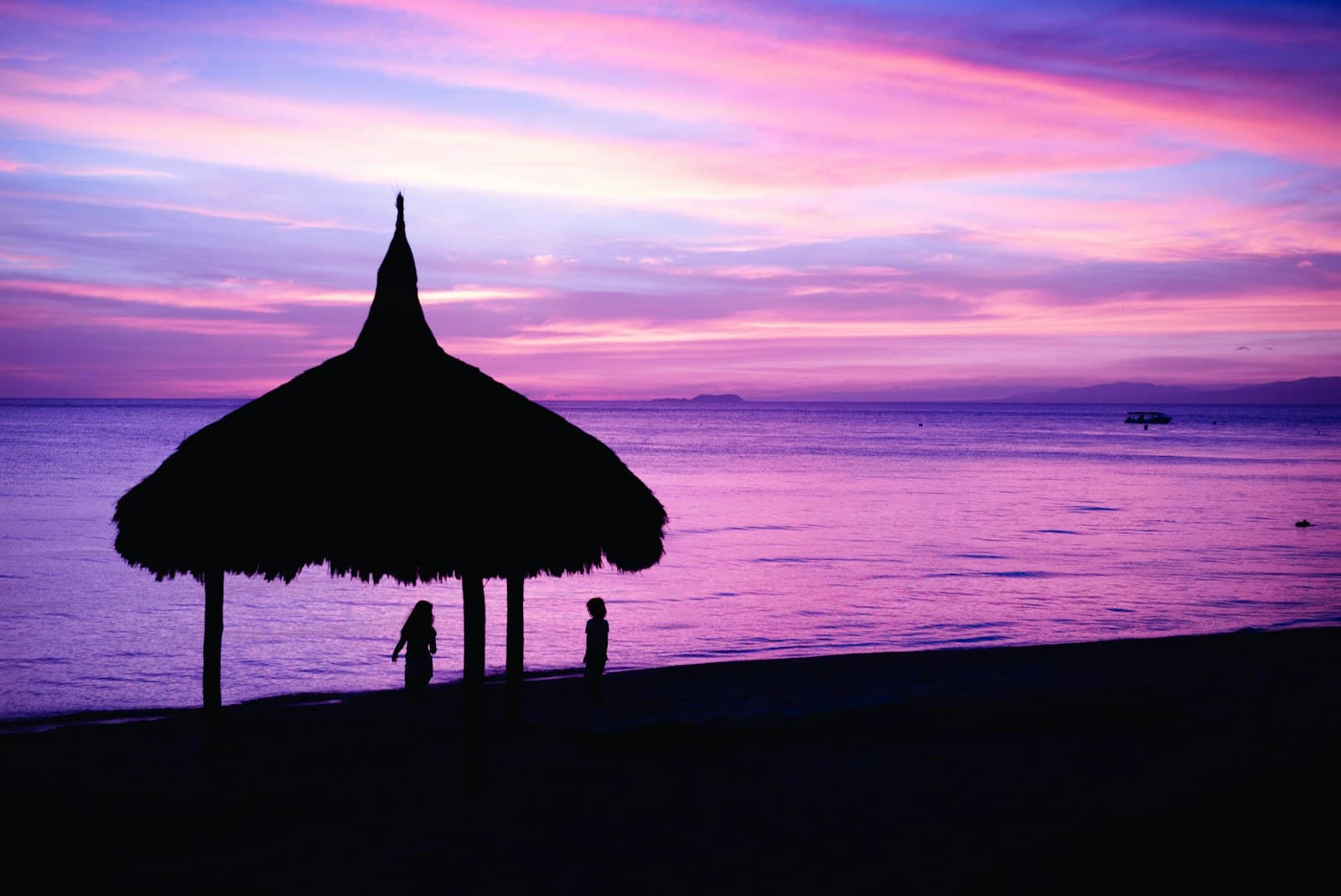
Siquijor offre un mix di meraviglie naturali ed esperienze culturali. Una visita gratificante è quella alle Cambugahay Falls a Lazi, una cascata a tre livelli con suggestive acque turchesi perfette per nuotare e dondolarsi con la fune. Per gli amanti della spiaggia, Paliton Beach a San Juan offre sabbia bianca fine, palme ondeggianti e tramonti memorabili. Salagdoong Beach, sul lato orientale dell'isola, è nota per le sue esaltanti piattaforme per il cliff jumping.
L'Antico Albero Incantato di Balete a Lazi è un affascinante albero di banyan di 400 anni con massicce radici aeree pendenti, ritenuto incantato dalla gente del posto. Alla sua base è disponibile una spa naturale per pesci. Per coloro che sono interessati al lato spirituale dell'isola, visitare un mananambal (guaritore) locale per un rituale di guarigione bolo-bolo offre una visione culturale unica. Immersioni e snorkeling sono attività popolari, con siti come il Tubod Marine Sanctuary che offrono fiorenti barriere coralline e una vita marina diversificata. La Chiesa e il Convento di San Isidro Labrador a Lazi, una chiesa in stile barocco costruita nel 1857, è un punto di riferimento storico.
Il periodo migliore per visitare Siquijor è durante la stagione secca, che va da novembre a maggio. Questo periodo offre tempo soleggiato, mare calmo e condizioni ideali per attività balneari, snorkeling ed esplorazione delle cascate. L'alta stagione turistica va da gennaio a giugno, con febbraio-aprile considerati ideali per cieli limpidi e acque tranquille. Sebbene l'isola possa essere visitata tutto l'anno, la stagione delle piogge da giugno a ottobre porta piogge più intense, che possono influire sui piani di viaggio e sugli orari dei traghetti.
Siquijor è accessibile principalmente tramite traghetto. Il modo più semplice è volare a Dumaguete (Negros Oriental) e poi prendere un traghetto di 45 minuti-1 ora per Siquijor. Sono disponibili anche traghetti diretti da Cebu City e Bohol, sebbene questi viaggi possano essere più lunghi. Una volta sull'isola, noleggiare uno scooter è il modo più consigliato per esplorare, offrendo flessibilità e libertà. I noleggi di scooter costano in genere circa 300-400 pesos al giorno. I risciò sono anche facilmente disponibili per il trasporto. San Juan è un'area popolare per l'alloggio, che offre una vasta gamma di ristoranti e hotel.
Siquijor — coreano, cinese, ebraico e altre 29 lingue, ogni tappa narrata da una voce madrelingua. La più ampia scelta di lingue tra i tour audio autoguidati.
Disponibile in: