De dorpsnaam, Şirince
Voordat het bekend stond als 'aangenaam', had dit charmante dorp een nogal onaantrekkelijke naam.
Volledig verhaal ontgrendeld in de tour
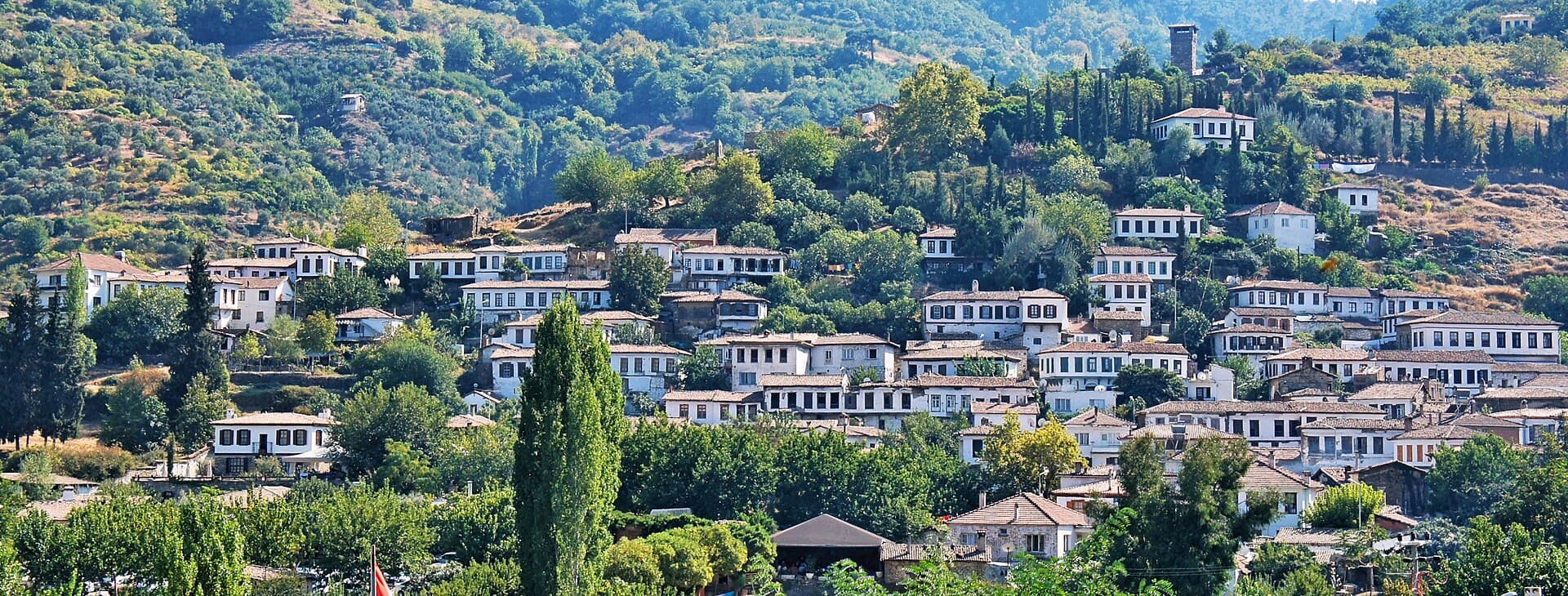 Cheyrek / CC BY-SA 3.0, via Wikimedia Commons
Zelfgeleide audiowandeling door Şirince — GPS-route, offline afspelen, meeslepende vertelling in 32 talen.
“Waar oude fluisteringen fruitwijn ontmoeten op zonovergoten heuvels.”
Niet de ansichtkaarten. De verhalen die zelfs locals niet kennen — gefluisterd in je oor, precies waar ze gebeurden.
Voordat het bekend stond als 'aangenaam', had dit charmante dorp een nogal onaantrekkelijke naam.
Dit rustige dorp bevond zich in het centrum van een onverwacht wereldwijd fenomeen.
Een taalkundige en zijn vrouw speelden een cruciale rol bij het redden van het historische karakter van Şirince.
Ontdek elk geheim van Şirince
Elk adres, elke onthulling volledig — in je oor, precies waar het gebeurde.
Jij kiest je stops. Jij wandelt. De stem onthult wat de anderen missen.


Je zelfgeleide audiotour van Şirince is klaar — kies je bezienswaardigheden, kies je taal en start zodra je aankomt.
KopenLume heeft een ingebouwde augmented-reality-gids. Houd je telefoon omhoog: de camera toont de straat voor je, met een oplichtende pijl over het echte beeld die altijd naar je volgende stop wijst — geen kaart om uit te puzzelen, geen verkeerde afslagen. Zoals alles in Lume werkt het volledig offline.
Gelegen in de heuvels van de Turkse provincie İzmir, biedt Şirince een boeiende inkijk in een vervlogen tijdperk. Dit kleine dorp, ongeveer 8 kilometer ten oosten van Selçuk en de oude stad Efeze, staat bekend om zijn prachtig bewaard gebleven Ottomaans-Griekse huizen uit de 19e eeuw, kronkelende paden en een ontspannen, ambachtelijke sfeer.
Een wandeling door Şirince voelt als het betreden van een openluchtmuseum, waar nieuwe constructies strikt worden gereguleerd om het authentieke karakter te behouden. Het dorp is een heerlijk labyrint van smalle doorgangen, rood pannendaken en houten balkons versierd met overvloedige bloemen. Het is een plek waar de geur van lokale producten zich vermengt met het aroma van Turkse koffie, en bezoekers uitnodigt om te vertragen en van de ervaring te genieten.
Naast zijn visuele aantrekkingskracht wordt Şirince gevierd om zijn agrarische tradities, met name zijn fruitwijnen en olijfolie. Het dorp is een populaire bestemming geworden voor zowel lokale als internationale toeristen die op zoek zijn naar een culturele ontsnapping, vaak bezocht als contrast met de nabijgelegen grootschalige archeologische vindplaatsen.
De geschiedenis van Şirince gaat terug tot de oudheid, met aardewerkvondsten die wijzen op nederzettingen in het gebied uit de Hellenistische periode (323–31 v.Chr.). Sommige theorieën suggereren dat het dorp, mogelijk Solmissos genaamd, werd gesticht door Efeziërs die zich in de 15e eeuw in de bergen terugtrokken nadat Efeze was verlaten.
Volgens een populaire legende werd het dorp bewoond door vrijgelaten Griekse slaven die, om anderen te ontmoedigen zich bij hen te voegen, het 'Çirkince' noemden, wat 'lelijk' betekent in het Turks. Deze naam stond echter in schril contrast met de inherente schoonheid van het dorp. Een verslag uit 1650 vermeldt slechts 18 belastingbetalende orthodoxe christenen die er woonden, een detail dat werd bevestigd door de Britse priester Edmund Chishull in 1699.
Eeuwenlang bloeide Şirince als een Grieks dorp, met een bevolking die in 1908/1909 groeide tot meer dan 1.000 Grieks-orthodoxe christelijke huishoudens, die voornamelijk Turks spraken met een oud dialect. Het begin van de 20e eeuw bracht aanzienlijke veranderingen met de Grieks-Turkse Oorlog en de daaropvolgende bevolkingsuitwisseling in 1923. De oorspronkelijke Griekse inwoners werden verdreven naar Griekenland, en Turkssprekende moslims uit Thessaloniki en Noord-Griekenland vestigden zich in Şirince. Deze uitwisseling leidde tot een periode van verval, waarbij veel Griekse gebouwen in verval raakten.
In 1926 hernoemde de gouverneur van de provincie Izmir het dorp officieel van Çirkince naar Şirince, wat 'aangenaam' of 'lief' betekent, een naam die beter bij zijn karakter past. Het dorp kende een heropleving in de jaren negentig toen het werd uitgeroepen tot nationaal erfgoed. Inspanningen van taalkundige Sevan Nişanyan en zijn vrouw, Müjde Tönbekici, om verwoeste historische huizen te restaureren met traditionele methoden, speelden een cruciale rol bij het behoud van het unieke architecturale erfgoed van Şirince. Vandaag de dag blijft Şirince een testament van zijn gelaagde verleden, met een harmonieuze mix van Ottomaanse en Griekse architecturale stijlen.
Wandel door de smalle, kronkelende straatjes van Şirince, waar traditionele Ottomaans-Griekse huizen met hun kenmerkende rood pannendaken en houten kozijnen een pittoreske omgeving creëren. Veel van deze gerestaureerde huizen dienen nu als pensions, restaurants en ambachtelijke winkels.
Het dorp staat bekend om zijn fruitwijnen, en u vindt er talloze wijnkelders en proeflokalen die monsters aanbieden van variëteiten gemaakt van moerbeien, perziken, granaatappels en zelfs meloenen. Naast wijn, verken de mini-bazaar voor lokale ambachten, olijfolie, handgemaakte zepen, jam en traditionele Turkse delight.
Bezoek de twee historische kerken: de Kerk van Sint-Johannes de Doper, daterend uit 1805 en gerestaureerd in 1832, biedt een weids uitzicht vanuit zijn binnenplaats. De 18e-eeuwse Kerk van Sint-Demetrius, hoewel verwaarloosd, behoudt nog steeds zijn indrukwekkende fresco's op gewelfde plafonds en marmeren vloer. Mis de unieke ervaring niet om Turkse koffie bereid in heet zand te zien in een van de cafés van het dorp.
Voor degenen die meer actieve bezigheden zoeken, bieden de omliggende heuvels wandelmogelijkheden te midden van olijfgaarden, dennenbossen en wijngaarden. Şirince is ook een handige uitvalsbasis voor een bezoek aan nabijgelegen archeologische vindplaatsen zoals Efeze en het Huis van de Maagd Maria.
De beste tijd om Şirince te bezoeken is tijdens de lente (april-juni) en de herfst (september-oktober). Het weer is warm en droog, waardoor het ideaal is om het dorp te voet te verkennen. Weekdagochtenden, vooral vóór 11:00 uur, worden aanbevolen om grote drukte te vermijden, aangezien het dorp een populaire bestemming is voor lokale toeristen, vooral in het weekend. Een bezoek in de vroege ochtend of een overnachting zorgt voor een rustigere ervaring, aangezien de touringbussen 's avonds vertrekken.
Şirince ligt ongeveer 8 kilometer ten oosten van Selçuk en 85 kilometer van Izmir. De dichtstbijzijnde luchthaven is Izmir Adnan Menderes Airport. Vanuit Selçuk rijden er frequente minibussen (dolmuş) naar Şirince, die elke 10-20 minuten vertrekken vanaf het hoofd busstation. Als u met de auto rijdt, houd er rekening mee dat privéauto's mogelijk moeten betalen voor parkeren nabij de ingang van het dorp, aangezien het dorpscentrum beperkte autotoegang heeft en het beste te voet kan worden verkend.
Plan 3 tot 4 uur om Şirince te verkennen, wat voldoende tijd biedt om door de straten te dwalen, wijn te proeven, winkels te bezoeken en te genieten van een maaltijd. Comfortabele, stevige wandelschoenen zijn essentieel vanwege de steile, oneffen paden. Het dorp is gebouwd op een steile heuvel met veel trappen, wat het uitdagend maakt voor bezoekers met mobiliteitsproblemen, rolstoelen of kinderwagens.
Şirince — Koreaans, Chinees, Hebreeuws en nog 29 talen, elke stop verteld door een moedertaalspreker. Het grootste taalaanbod van alle zelfgeleide audiotours.
Beschikbaar in: