Scaliger Kasteel
Dit middeleeuwse fort, dat schijnbaar uit het Gardameer oprijst, verbergt een tragisch, romantisch geheim binnen zijn stenen muren.
Volledig verhaal ontgrendeld in de tour
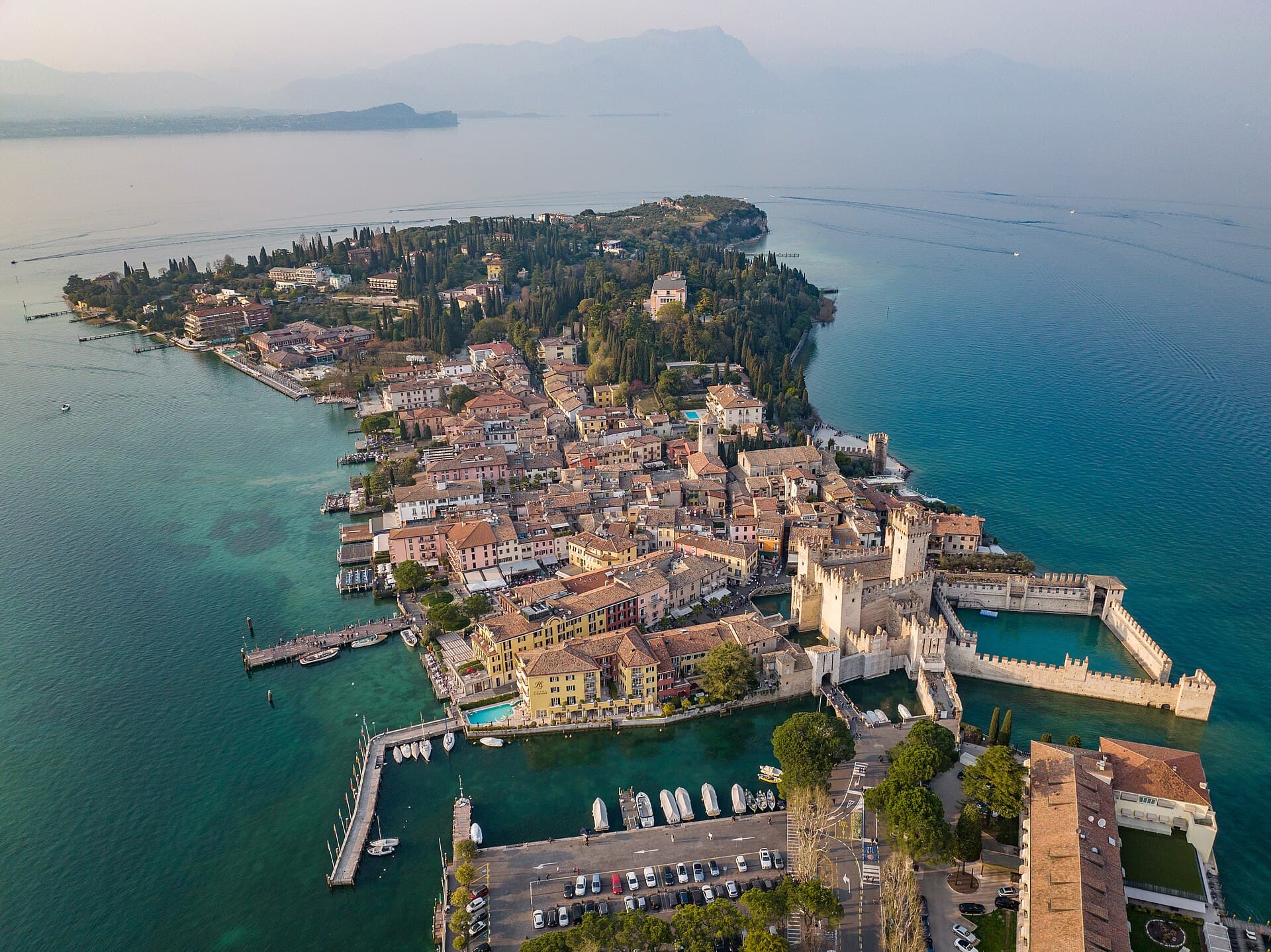 Arne Müseler / CC BY-SA 3.0 de, via Wikimedia Commons
Zelfgeleide audiowandeling door Sirmione — GPS-route, offline afspelen, meeslepende vertelling in 32 talen.
“Waar oude ruïnes thermale wateren ontmoeten, en het Gardameer verhalen van dichters en diva's fluistert.”
Niet de ansichtkaarten. De verhalen die zelfs locals niet kennen — gefluisterd in je oor, precies waar ze gebeurden.
Dit middeleeuwse fort, dat schijnbaar uit het Gardameer oprijst, verbergt een tragisch, romantisch geheim binnen zijn stenen muren.
Ondanks zijn naam werd de beroemde Romeinse villa op de punt van het schiereiland Sirmione niet daadwerkelijk gebouwd door de dichter Catullus.
De helende thermale wateren van Sirmione worden al sinds de Romeinse tijd geprezen, maar de precieze oorsprong van dit natuurwonder bleef eeuwenlang een raadsel.
Ontdek elk geheim van Sirmione
Elk adres, elke onthulling volledig — in je oor, precies waar het gebeurde.
Jij kiest je stops. Jij wandelt. De stem onthult wat de anderen missen.
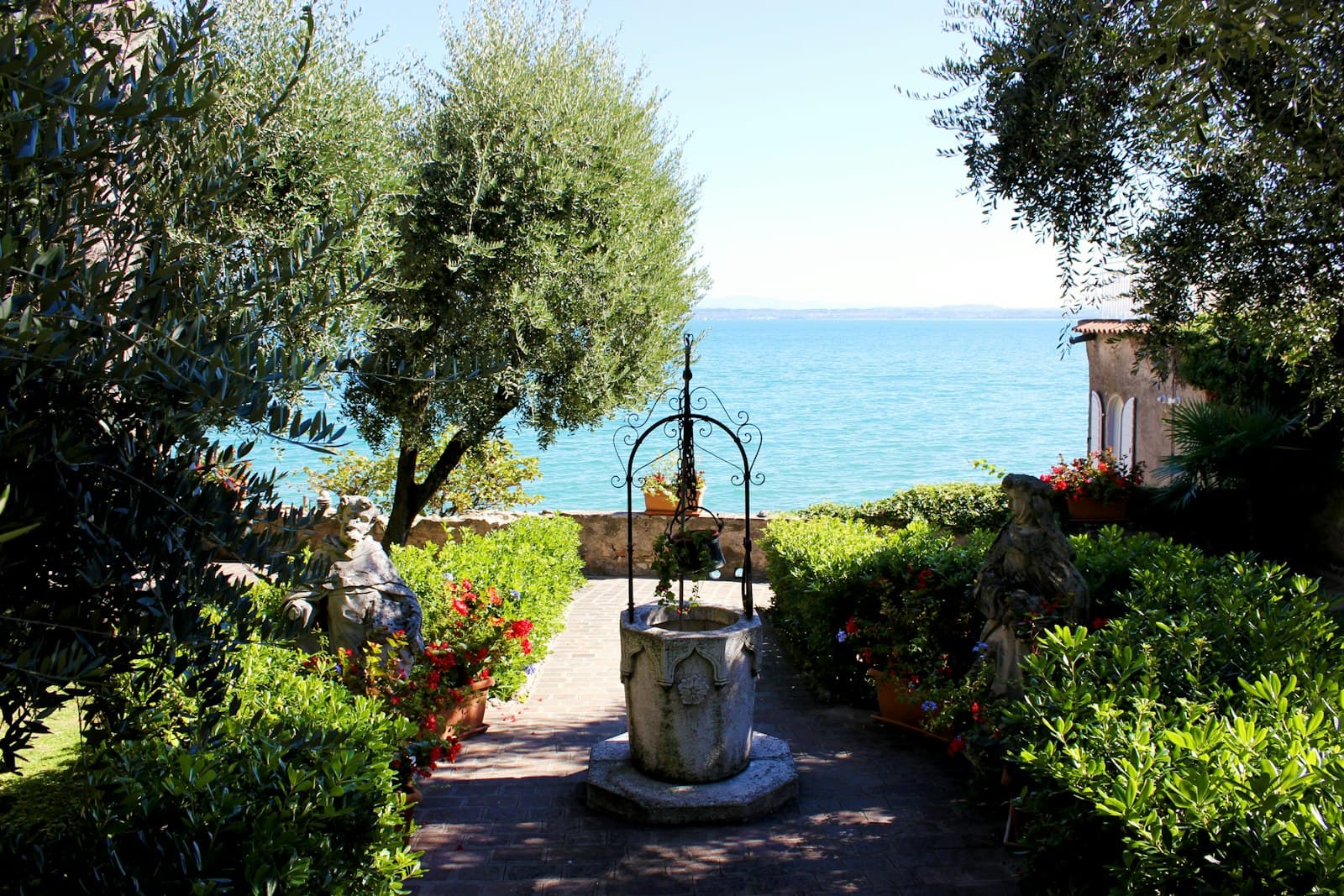
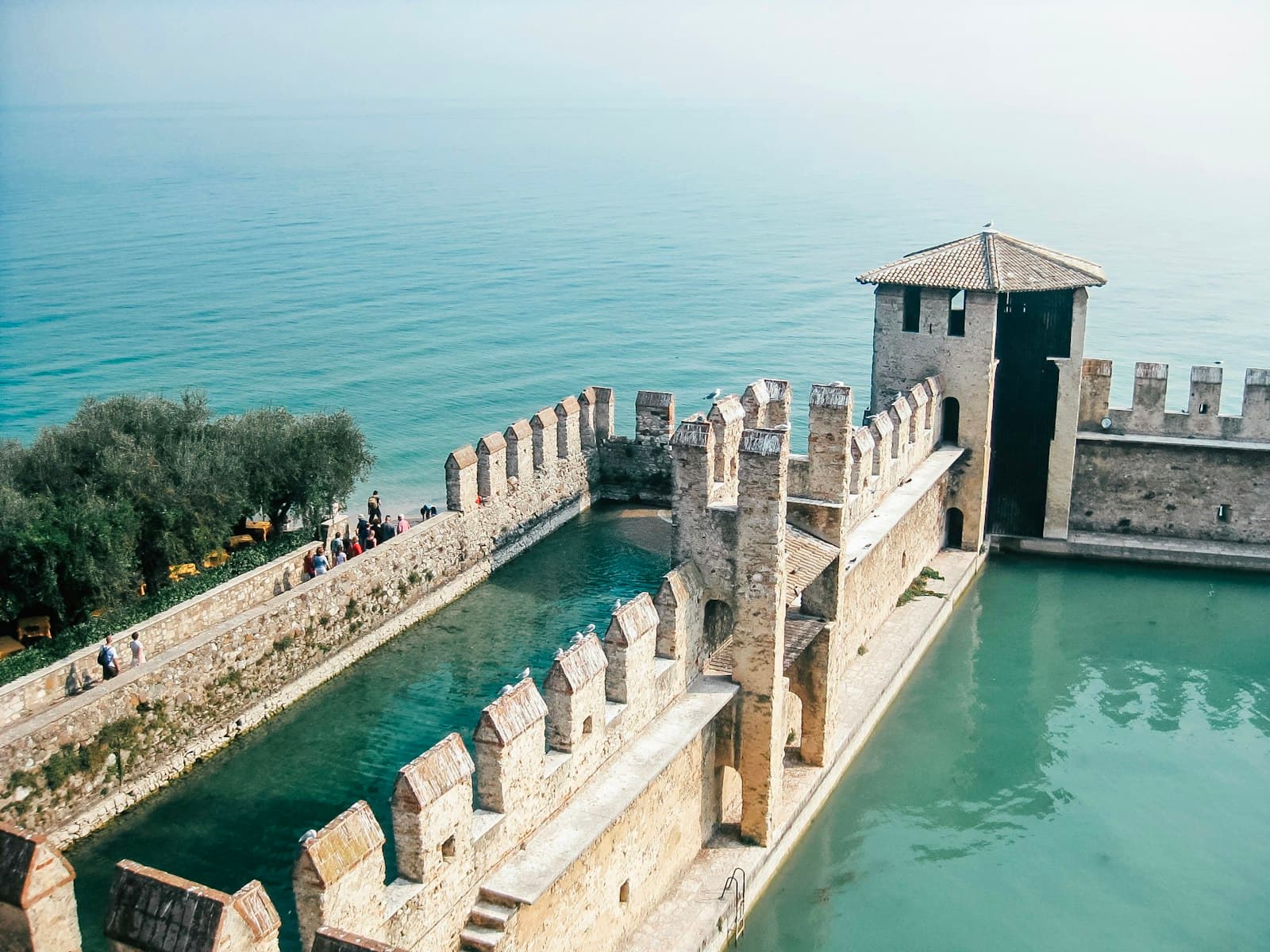
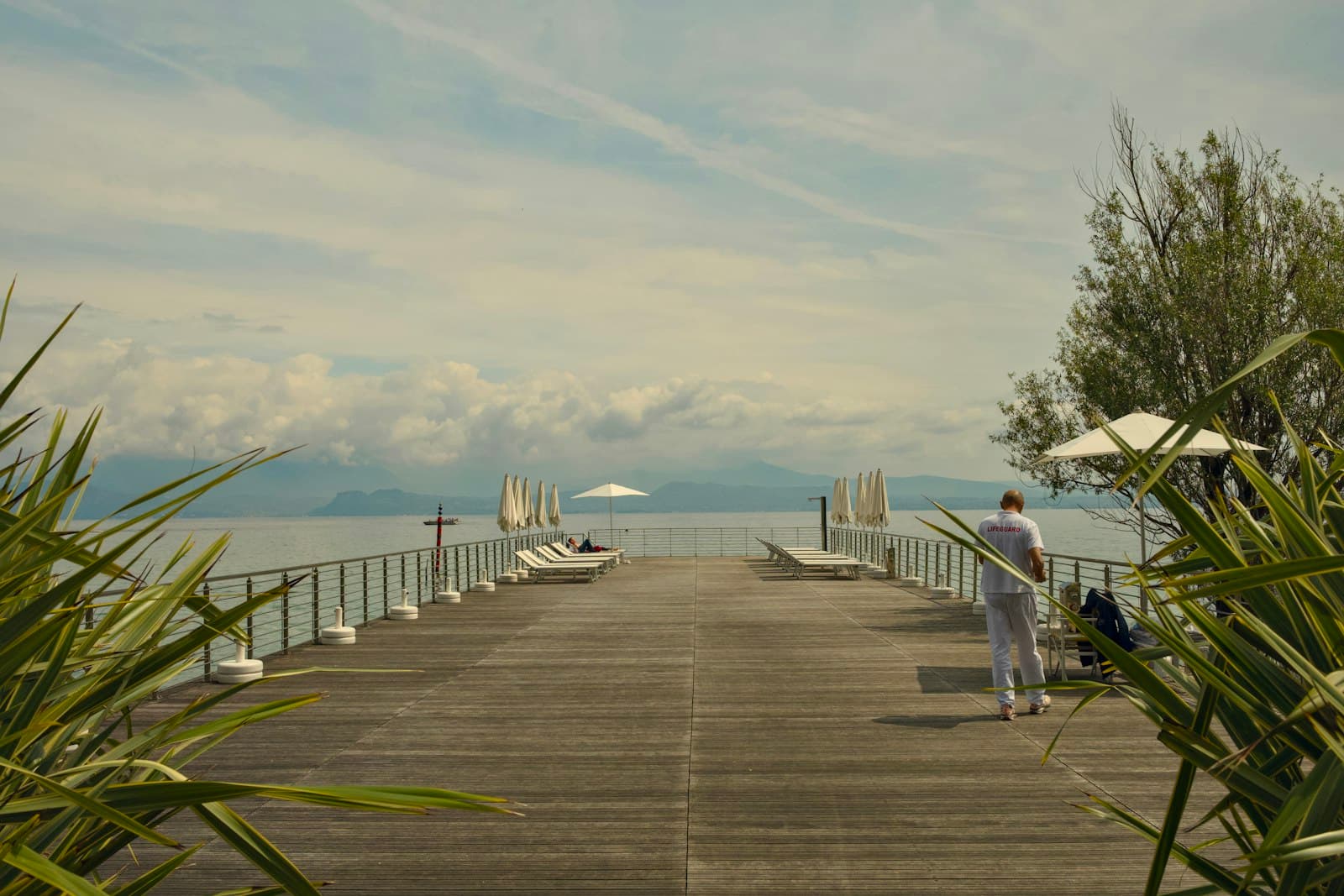
Je zelfgeleide audiotour van Sirmione is klaar — kies je bezienswaardigheden, kies je taal en start zodra je aankomt.
KopenLume heeft een ingebouwde augmented-reality-gids. Houd je telefoon omhoog: de camera toont de straat voor je, met een oplichtende pijl over het echte beeld die altijd naar je volgende stop wijst — geen kaart om uit te puzzelen, geen verkeerde afslagen. Zoals alles in Lume werkt het volledig offline.
Sirmione, een slanke schiereiland dat zich uitstrekt in het zuidelijke deel van het Gardameer, biedt een boeiende mix van natuurlijke schoonheid, oude geschiedenis en therapeutische wateren. Dit schilderachtige stadje, vaak het 'poëtenschiereiland' genoemd, heeft schrijvers en romantici al meer dan twee millennia geïnspireerd, waaronder de Romeinse dichter Catullus en operazangeres Maria Callas. De strategische ligging en verdedigende kwaliteiten hebben het door de geschiedenis heen tot een belangrijke plaats gemaakt, terwijl de serene charme bezoekers blijft trekken die op zoek zijn naar ontspanning en culturele onderdompeling.
Na het oversteken van de middeleeuwse ophaalbrug, betreden bezoekers een autovrij historisch centrum, een labyrint van smalle, stenen geplaveide straatjes, gevuld met cafés, boetiekjes en ijssalons. Van oude Romeinse ruïnes tot een formidabel middeleeuws kasteel, Sirmione biedt een unieke reis door de tijd, allemaal tegen de achtergrond van het glinsterende turquoise water van het Gardameer.
Het vroegste bewijs van menselijke aanwezigheid in Sirmione dateert uit het 6e-5e millennium voor Christus, met nederzettingen op palen die opkwamen in het 3e en 2e millennium voor Christus. Tegen de 1e eeuw voor Christus werd het gebied rond het Gardameer, inclusief Sirmione, een favoriete bestemming voor welgestelde Romeinse families uit Verona, destijds een belangrijke Romeinse stad in Noordoost-Italië. De Romeinse dichter Catullus, die leefde van ongeveer 84 tot 54 voor Christus, prees de schoonheid van Sirmione en vermeldde dat hij er een villa bezat. De indrukwekkende ruïnes van de Romeinse villa, tegenwoordig bekend als de Grotte di Catullo, werden grotendeels na zijn dood gebouwd, tussen het einde van de 1e eeuw voor Christus en het begin van de 1e eeuw na Christus. Deze ruïnes, een opvallend voorbeeld van een Romeins privégebouw in Noord-Italië, werden uiteindelijk onderdeel van de verdedigingswerken van de stad in de late Romeinse tijd (4e-5e eeuw na Christus).
Rond het jaar 1000 functioneerde Sirmione waarschijnlijk als een vrije gemeente voordat het in de vroege 13e eeuw onder controle kwam van de familie Scaliger uit Verona. Mastino I della Scala wordt vaak gecrediteerd met de stichting van het Scaliger Kasteel, waarvan de bouw rond 1277 begon. Dit middeleeuwse fort diende als een cruciaal verdedigingsbolwerk, dat de smalle toegang tot het schiereiland Sirmione bewaakte en een veilige haven bood voor de vloot van de Scaliger. De kenmerkende Ghibellijnse zwaluwstaartkantelen en muren, gebouwd met afwisselende kiezel- en baksteenlagen, zijn vandaag de dag nog steeds zichtbaar. Sirmione werd ook een toevluchtsoord voor Patarijnen, een groep die in deze periode als ketters werd beschouwd.
Van 1405 tot 1797 was Sirmione een bezit van de Venetiaanse Republiek, die het kasteel verder vergrootte en verbeterde. Het militaire belang van het kasteel nam in de 16e eeuw af met de bouw van een nieuw fort in het nabijgelegen Peschiera del Garda, en het diende vervolgens als arsenaal en militaire kazerne. Na de val van de Venetiaanse Republiek werd Sirmione in 1797 geannexeerd door het Habsburgse Rijk en werd uiteindelijk onderdeel van het Koninkrijk Italië in 1860. Het kasteel onderging in 1919 een restauratie en functioneert nu als museum. De natuurlijke thermale bronnen van de stad hebben ook een belangrijke rol gespeeld in de geschiedenis, en trekken sinds de Romeinse tijd bezoekers aan vanwege hun therapeutische eigenschappen.
Sirmione biedt een geconcentreerde ervaring van geschiedenis en natuurlijke schoonheid. Het imposante Scaliger Kasteel (Rocca Scaligera), een 13e-eeuws fort, verwelkomt bezoekers bij de ingang van het historische centrum. U kunt de binnenplaatsen, de binnenste wandelgangen verkennen en de toren beklimmen voor een weids uitzicht over het Gardameer. Buiten de kasteelmuren nodigt het aantrekkelijke Oude Stad Sirmione uit tot ontspannen wandelingen door de autovrije, stenen geplaveide straatjes, omzoomd met winkels en eetgelegenheden.
Aan de noordpunt van het schiereiland liggen de Grotte di Catullo, de ruïnes van een uitgestrekte Romeinse villa uit de 1e eeuw voor Christus tot de 1e eeuw na Christus. Deze archeologische site, een van de belangrijkste in Noord-Italië, biedt een kijkje in de oude Romeinse luxe en beschikt over een klein museum. Vlakbij biedt Jamaica Beach een unieke omgeving met zijn heldere water en platte stenen platen. Voor ontspanning biedt Terme di Sirmione moderne thermale spa's, waaronder Aquaria Thermal SPA, waar u kunt genieten van mineraalrijk water met uitzicht op het meer. Overweeg een boottocht rond het schiereiland om het kasteel en de Romeinse ruïnes vanuit een ander perspectief te waarderen.
De ideale tijd om Sirmione te bezoeken zijn de schouderseizoenen van mei-juni en september-oktober. Gedurende deze maanden is het weer aangenaam om te verkennen en zijn de drukte kleiner dan in de zomermaanden juli en augustus. Mei en september bieden warme temperaturen die geschikt zijn om te zwemmen, terwijl oktober gouden licht en de lokale Lugana-wijn oogst brengt. De winters zijn mild, hoewel sommige attracties mogelijk beperkte openingstijden hebben.
Als u in juli of augustus bezoekt, plan dan om voor 10:00 uur of na 16:00 uur aan te komen om de drukste tijden te vermijden.
Het historische centrum van Sirmione is autovrij. Als u met de auto arriveert, moet u parkeren op een van de betaalde parkeerplaatsen buiten de stadsmuren en over de ophaalbrug onder het Scaliger Kasteel lopen. Voor degenen die zonder auto reizen, is Sirmione bereikbaar per veerboot of bus vanuit Desenzano del Garda, dat per trein bereikbaar is. Het wordt aanbevolen om tickets voor populaire attracties zoals de Grotte di Catullo en reserveringen voor de thermale spa van tevoren te boeken, vooral tijdens het hoogseizoen. Neem comfortabele wandelschoenen, een zwempak, een handdoek en zonnebrandcrème mee, vooral als u van plan bent te genieten van de stranden of thermale baden. Een overnachting kan een rustigere ervaring van de stad bieden, waardoor u kunt genieten van de straten wanneer de dagjesmensen vertrokken zijn.
Sirmione — Koreaans, Chinees, Hebreeuws en nog 29 talen, elke stop verteld door een moedertaalspreker. Het grootste taalaanbod van alle zelfgeleide audiotours.
Beschikbaar in: