Grenen
No ponto mais ao norte da Dinamarca, dois mares poderosos se encontram, criando um espetáculo visível. No entanto, uma instrução específica guia sua visita.
História completa desbloqueada no tour
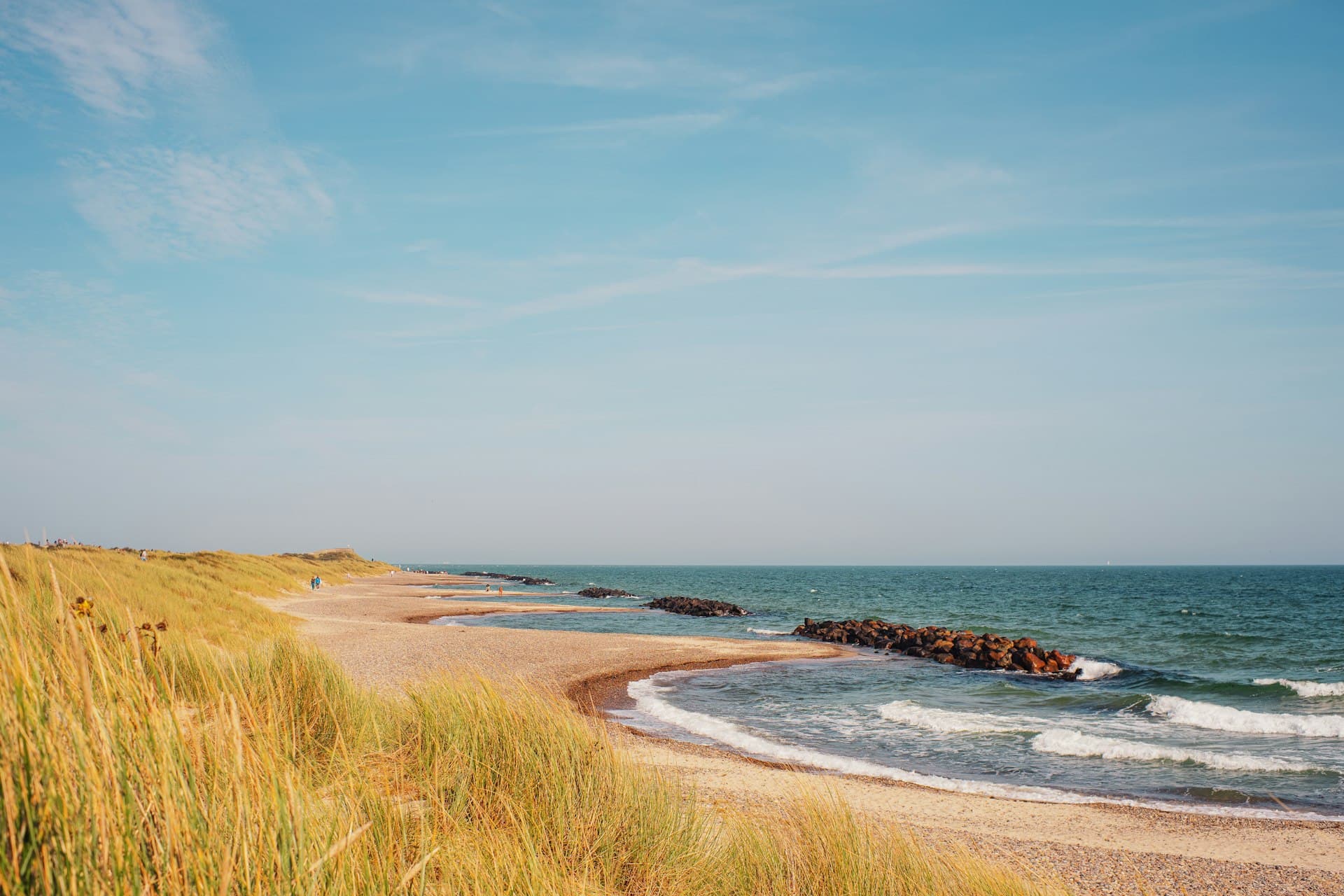 Photo: Patrick von der Wehd / Unsplash
Tour de áudio autoguiado por Skagen — rota GPS a pé, reprodução offline, narração envolvente em 32 idiomas.
“Onde dois mares convergem, e a luz inspira a arte.”
Não os postais. As histórias que nem os locais conhecem — sussurradas ao seu ouvido, exatamente onde aconteceram.
No ponto mais ao norte da Dinamarca, dois mares poderosos se encontram, criando um espetáculo visível. No entanto, uma instrução específica guia sua visita.
Uma igreja medieval fica parcialmente sepultada na areia, sua torre um sentinela solitário. A narrativa sob a superfície sugere um passado mais profundo.
A maior duna migratória da Europa apresenta uma vasta paisagem desértica em constante movimento. Sua jornada incessante guarda uma previsão surpreendente para o futuro.
Descubra cada segredo de Skagen
Cada endereço, cada revelação na íntegra — no seu ouvido, exatamente onde aconteceu.
Você escolhe as suas paragens. Você caminha. A voz revela o que os outros perdem.
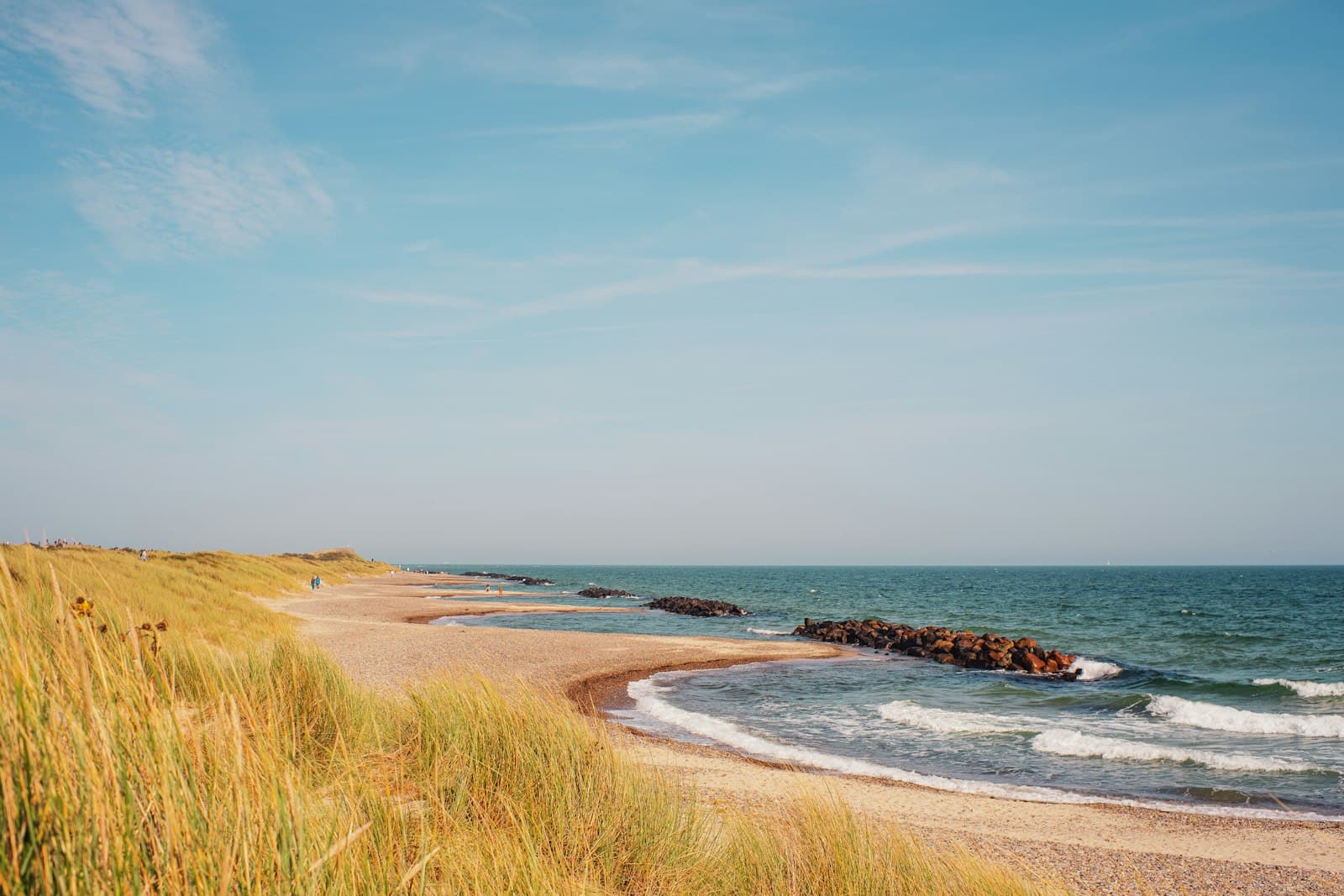
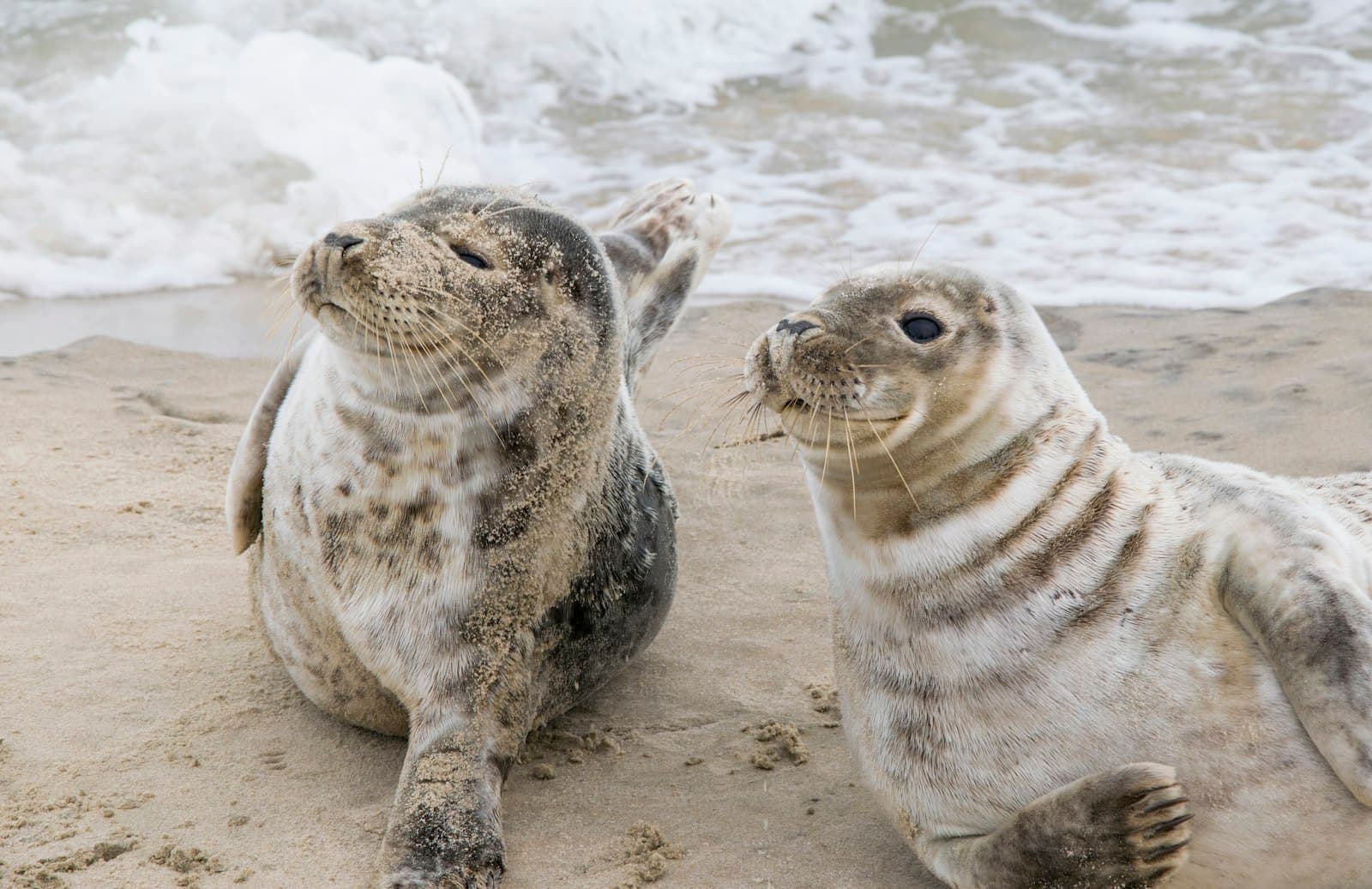
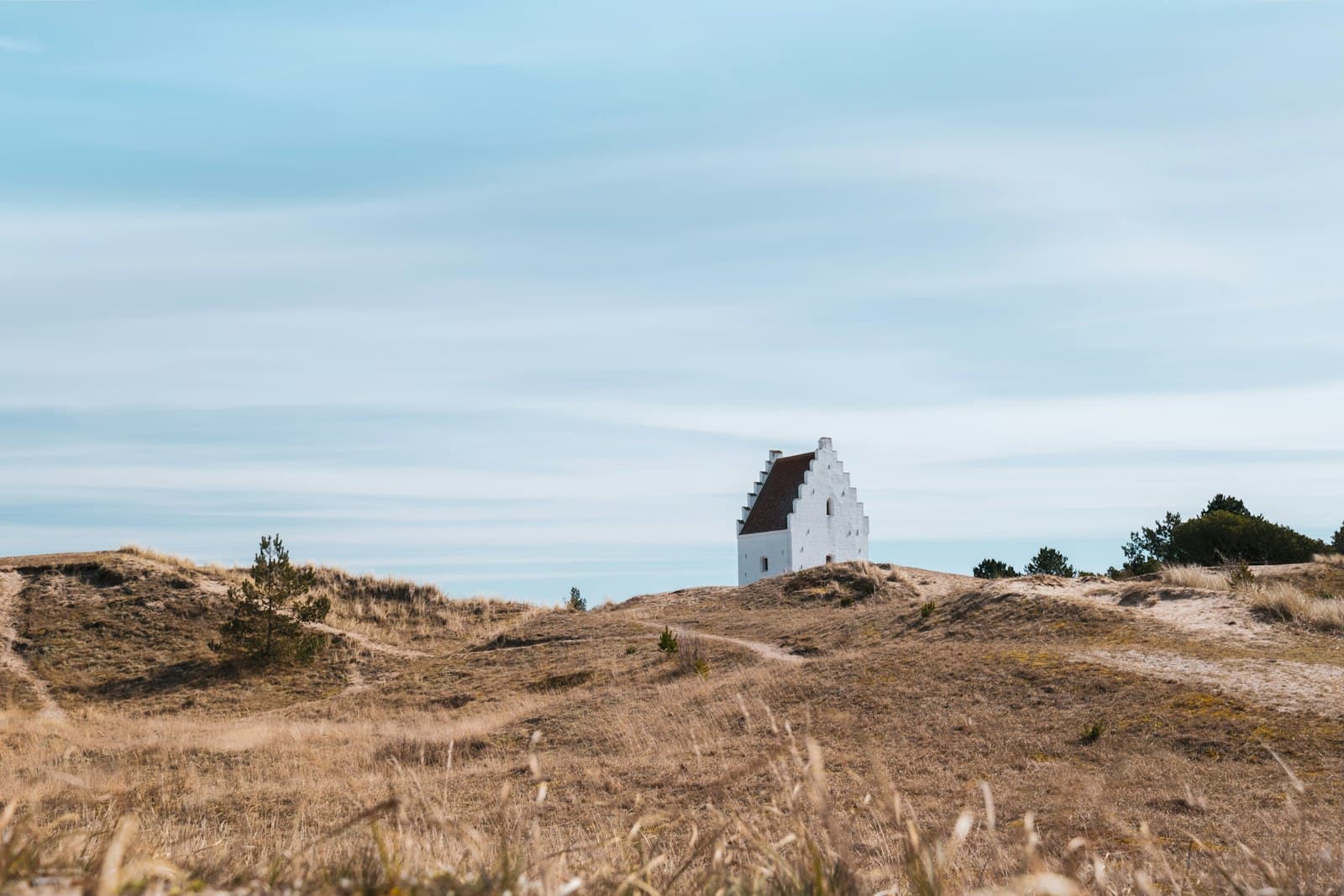
O seu tour áudio autoguiado de Skagen está pronto — escolha os seus pontos de interesse, selecione o seu idioma e comece no momento em que chegar.
ComprarA Lume inclui um guia de realidade aumentada. Levante o telemóvel: a câmara mostra a rua à sua frente, com uma seta luminosa sobreposta à imagem real que aponta sempre para a sua próxima paragem — sem mapa para decifrar, sem voltas erradas. Como tudo na Lume, funciona totalmente offline.
Skagen, a cidade mais ao norte da Dinamarca, é um lugar onde as forças dramáticas da natureza se entrelaçam com um profundo legado artístico. Situada na península de Skagen Odde, é celebrada por sua luz distinta, praias extensas e o extraordinário fenômeno de dois mares se encontrando. Esta charmosa cidade costeira, caracterizada por suas casas pintadas de amarelo com telhados vermelhos, oferece uma atmosfera singular que cativa visitantes há séculos.
Além de seu apelo natural, Skagen ocupa uma posição significativa na história da arte como lar dos Pintores de Skagen, um coletivo de artistas escandinavos que se reuniram aqui a partir do final do século XIX. Suas obras, inspiradas na vida local, nas paisagens marítimas dramáticas e na luz etérea, ajudaram a inaugurar o 'Romantismo Nórdico' na arte nórdica. Hoje, Skagen continua a atrair viajantes em busca de uma mistura de beleza natural, imersão cultural e um vislumbre do passado marítimo da Dinamarca.
As origens de Skagen remontam à Idade Média como um assentamento de pesca disperso, com a primeira menção registrada datando de 1299. Em 1413, o Rei Erik da Pomerânia concedeu a Skagen o status de cidade mercantil, tornando-a brevemente a maior comunidade de Vendsyssel, prosperando com as exportações de peixe. No entanto, a partir do final do século XVI, a cidade enfrentou sérios desafios de tempestades e areias movediças, levando a um declínio na pesca durante o século XVII.
Apesar dessas dificuldades, a localização geográfica única de Skagen e a qualidade excepcional de sua luz começaram a atrair atenção. Na década de 1870, um grupo de artistas escandinavos, mais tarde conhecidos como os Pintores de Skagen, estabeleceu uma colônia de arte na vila. Atraídos pela comunidade pesqueira intocada, pelas paisagens marcantes e pela luz distinta, esses artistas — incluindo figuras proeminentes como Anna e Michael Ancher, e P.S. Krøyer — rejeitaram as rígidas tradições das academias de arte. Eles abraçaram o Impressionismo e o Realismo, pintando en plein air para capturar o cotidiano, os pescadores e a cativante paisagem costeira. Seus encontros no Hotel Brøndums tornaram-se centrais para a vida social e intelectual vibrante da colônia.
A chegada da ferrovia de Frederikshavn em 1890 conectou ainda mais Skagen ao mundo exterior, estimulando seu desenvolvimento e aumentando o turismo. Um porto moderno, principalmente para pesca, foi construído entre 1904 e 1907, solidificando o papel de Skagen como o principal porto de pesca da Dinamarca. Muitas das casas características da cidade, de paredes amarelas caiadas e telhados vermelhos, construídas entre 1890 e 1930, foram projetadas pelo arquiteto Ulrik Plesner, que também projetou a estação ferroviária e o Museu de Skagen. Com o florescimento do turismo, ele eventualmente superou a pesca em importância econômica, transformando Skagen no destino amado que é hoje.
Skagen oferece uma mistura de maravilhas naturais e sítios culturais. Comece em Grenen, o ponto mais ao norte da Dinamarca, onde os mares Kattegat e Skagerrak convergem visivelmente. Você pode caminhar até a ponta ou pegar o 'Sandormen', um ônibus puxado por trator. Ao sul de Skagen, explore Den Tilsandede Kirke (A Igreja Coberta de Areia), uma torre de igreja do século XIV emergindo das dunas, um testemunho da força das areias movediças. Mais ao sul fica Råbjerg Mile, a maior duna migratória do norte da Europa, apresentando paisagens extensas e desérticas e vistas panorâmicas.
Mergulhe no patrimônio artístico de Skagen no Museu de Skagen, que abriga a coleção mais extensa do mundo de obras dos Pintores de Skagen. Ao lado do museu, visite Anchers Hus e Drachmanns Hus, as antigas casas e estúdios dos proeminentes artistas de Skagen, Anna e Michael Ancher e Holger Drachmann. Para vistas amplas, suba o Det Grå Fyr (O Farol Cinza), o segundo farol mais alto da Dinamarca, que também abriga um centro internacional de aves. Passeie pelo centro de Skagen, admirando as distintas casas amarelas, galerias de arte e lojas locais. Explore o porto, um centro movimentado onde você pode saborear frutos do mar frescos.
A época ideal para visitar Skagen é durante os meses de verão, de junho a agosto, quando o clima é mais ameno, com temperaturas médias em torno de 15-17°C. Este período oferece longas horas de luz do dia e uma atmosfera animada, embora possa ser movimentado. Para uma experiência mais calma, considere o final da primavera (abril-maio) ou o início do outono (setembro-outubro). A primavera traz aves migratórias, enquanto o outono oferece a distinta luz da 'hora azul' que inspirou os Pintores de Skagen. Os invernos são frios e úmidos, com possibilidade de neve, mas oferecem um Skagen tranquilo e com influência local.
Skagen é acessível de carro, ônibus ou bicicleta. O centro da cidade é compacto e fácil de percorrer a pé, mas as bicicletas são uma forma preferida de explorar a área mais ampla. Ônibus públicos circulam do centro da cidade para Grenen. Para o trecho final até Grenen, considere o 'Sandormen', um ônibus puxado por trator. A moeda na Dinamarca é a Coroa Dinamarquesa (DKK); cartões de crédito são amplamente aceitos e caixas eletrônicos estão disponíveis na cidade. As lojas geralmente funcionam das 10h às 17h30, com supermercados abertos por mais tempo. Roupas em camadas são recomendadas durante todo o ano devido ao clima marítimo e aos ventos frequentes, juntamente com sapatos confortáveis e impermeáveis para caminhada. Mapas gratuitos da cidade estão frequentemente disponíveis nos píeres de cruzeiro.
Skagen — coreano, chinês, hebraico e mais 29 idiomas, cada parada narrada por uma voz nativa. A maior variedade de idiomas entre os passeios de áudio autoguiados.
Disponível em: