Internationaler Flughafen Skiathos (JSI)
Die Landung am Flughafen Skiathos bietet einen besonderen Nervenkitzel, der oft mit einem Flughafen auf einer fernen Karibikinsel verglichen wird.
Die ganze Geschichte wird in der Tour freigeschaltet
 Mrcsifkin / CC BY-SA 3.0, via Wikimedia Commons
Selbstgeführte Audio-Walking-Tour durch Skiathos — GPS-Route, Offline-Wiedergabe, erzählerische Narration in 32 Sprachen.
“Wo smaragdgrüne Pinienwälder auf die türkisfarbene Ägäis treffen.”
Nicht die Postkarten. Die Geschichten, die selbst Einheimische nicht kennen – dir ins Ohr geflüstert, genau dort, wo sie geschahen.
Die Landung am Flughafen Skiathos bietet einen besonderen Nervenkitzel, der oft mit einem Flughafen auf einer fernen Karibikinsel verglichen wird.
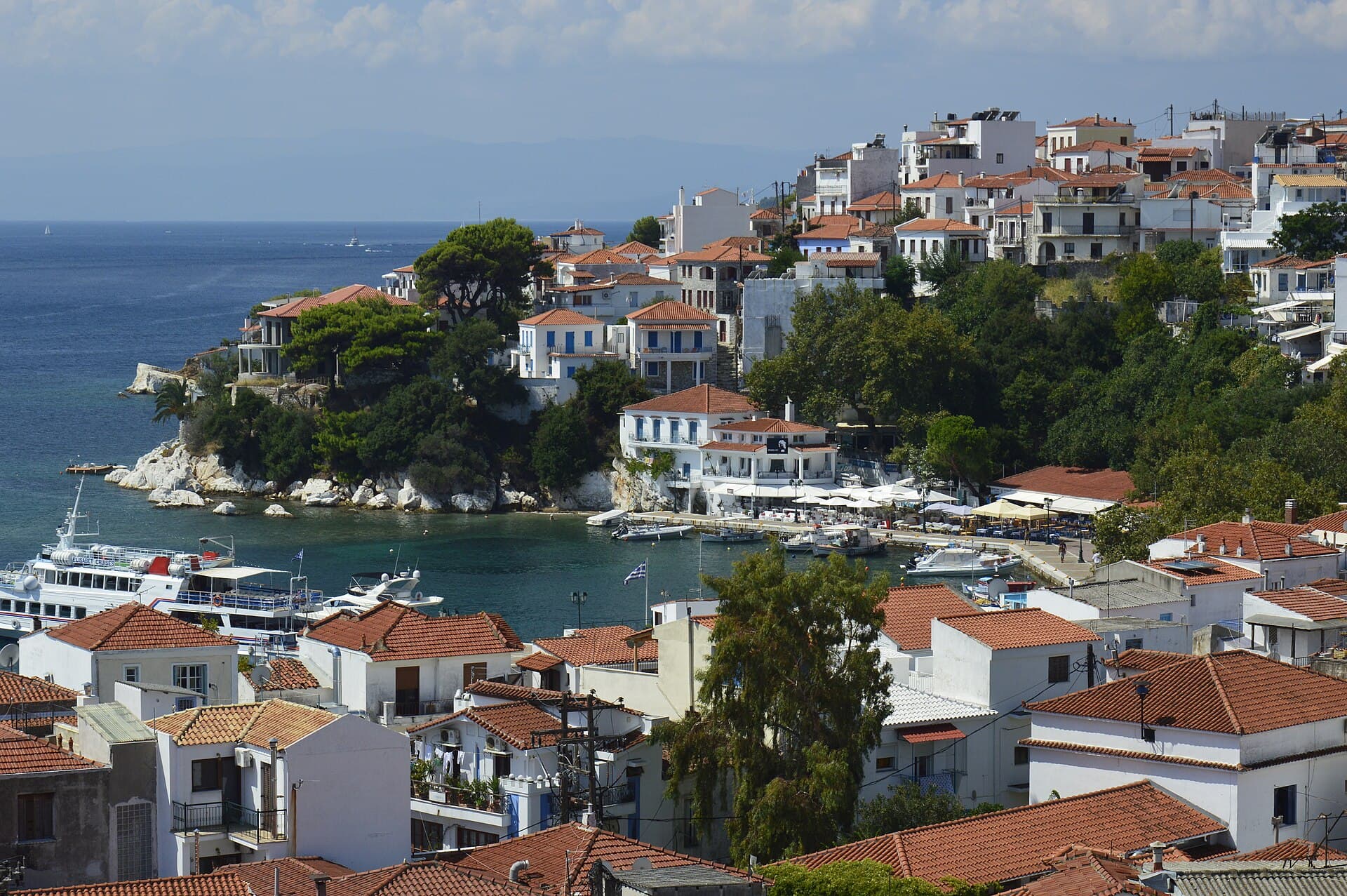
Diese kleine, von Bäumen bedeckte Halbinsel, die den Hafen von Skiathos trennt, birgt ein Geheimnis über ihren ursprünglichen Zweck.
Die traditionelle Küche von Skiathos bietet eine einzigartige Geschmacksmischung, aber eine Schlüsselzutat könnte in ihrer Dominanz überraschen.
Entdecke jedes Geheimnis von Skiathos
Jede Adresse, jede Enthüllung vollständig – in deinem Ohr, genau dort, wo es geschah.
Du wählst deine Stationen. Du gehst. Die Stimme enthüllt, was andere übersehen.

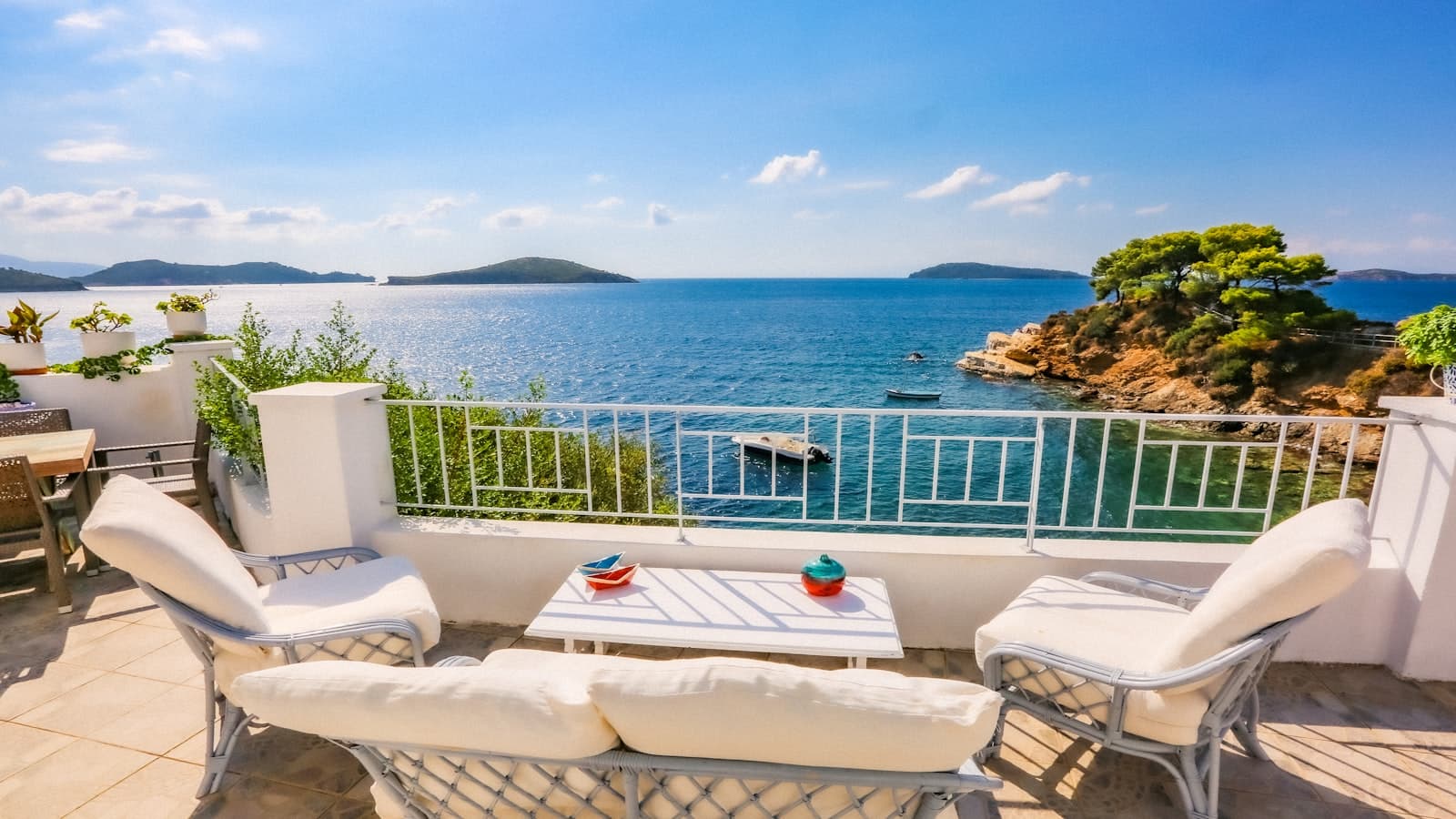
Deine selbstgeführte Audio-Tour durch Skiathos ist bereit – wähle deine Sehenswürdigkeiten, deine Sprache und starte, sobald du ankommst.
KaufenLume enthält einen integrierten Augmented-Reality-Guide. Halten Sie Ihr Handy hoch: Die Kamera zeigt die Straße vor Ihnen, mit einem leuchtenden Pfeil über dem echten Bild, der immer auf Ihren nächsten Stopp zeigt — keine Karte zum Rätseln, keine falschen Abzweigungen. Wie alles bei Lume funktioniert es komplett offline.
Skiathos, eine grüne Insel in der nordwestlichen Ägäis, gehört zum Sporaden-Archipel. Bekannt für seine üppigen Kiefernwälder und über 60 Sandstrände, bietet die Insel eine Mischung aus Entspannung und lebendiger Energie. Skiathos-Stadt, die Hauptstadt der Insel, ist ein reizvolles Zentrum mit weiß getünchten Gebäuden, engen Gassen und einer belebten Uferpromenade, die in den Sommermonaten zum Leben erwacht.
Die natürliche Pracht der Insel erstreckt sich über ihre beliebten Küsten hinaus, mit sanften Hügeln und dichten Wäldern, die eine malerische Landschaft schaffen. Skiathos hat sich zu einem internationalen Touristenziel entwickelt, behält aber viel von seinem ursprünglichen Charakter. Es ist ein Ort, der vielfältigen Geschmäckern gerecht wird, von denen, die lebhafte Strandclubs suchen, bis hin zu denen, die abgelegene Buchten und malerische Wanderwege suchen.
Obwohl Skiathos, besonders während der Hauptsaison, eine beliebte Wahl ist, ist es immer noch möglich, ruhigere Erlebnisse zu entdecken. Die Insel ist kompakt, was die Erkundung ihrer verschiedenen Angebote einfach macht, sei es mit öffentlichen Verkehrsmitteln, einem Mietfahrzeug oder einem Boot.
Die Geschichte von Skiathos reicht bis in prähistorische Zeiten zurück, wobei die Pelasger als seine ersten Bewohner gelten. Sie sollen die Insel "Skiathos" genannt haben, was wegen der vielen Bäume "Schatten" auf Griechisch bedeutet. Nach den Pelasgern siedelten Kreter und Mykener auf der Insel. Im 7. und 6. Jahrhundert v. Chr. gründeten Kolonisten aus Chalkis auf der Insel Euböa die erste befestigte Stadt auf Skiathos. Das fruchtbare Land und die strategische Lage machten die Insel zu einem begehrten Ort, was im Laufe ihrer frühen Geschichte zu zahlreichen Invasionen und Machtwechseln führte.
Während der Perserkriege spielte Skiathos eine kleine, aber bedeutende Rolle, wobei sein Hafen als Flottenbasis für die Athener diente. Im Jahr 480 v. Chr. erlitt die persische Flotte von König Xerxes durch einen Sturm an den Felsen der Küste von Skiathos Schäden. Skiathos trat später 478 v. Chr. dem Ersten Attischen Bund, auch bekannt als Delischer Bund, bei, der Schutz und Handelsvorteile bot. Seine Unabhängigkeit ging jedoch schließlich verloren, und die Stadt wurde 200 v. Chr. von Philipp V. von Makedonien zerstört.
Das Christentum wurde um 325 n. Chr. nach Skiathos gebracht, und die erste Kirche, die der Heiligen Dreifaltigkeit geweiht war, wurde 530 n. Chr. erbaut. Im Jahr 1207 n. Chr. kam die Insel unter venezianische Herrschaft, als die Gizi-Brüder sie eroberten und die Festung Bourtzi errichteten, um sich vor Piraten zu verteidigen. Trotzdem waren Piratenüberfälle eine ständige Bedrohung, die die Bewohner schließlich zwangen, ihre Hauptstadt Mitte des 14. Jahrhunderts vom antiken Standort nach Kastro zu verlegen, einer befestigten Stadt auf einer hohen, felsigen Klippe im nördlichsten Teil der Insel. Die Ruinen dieser mittelalterlichen Stadt, einschließlich Straßen, Häusern und Kirchen, sind heute noch sichtbar.
Das Osmanische Reich dominierte Skiathos nach 1538 n. Chr. Im frühen 19. Jahrhundert wurde die Insel ein bedeutendes Schiffbauzentrum in der Ägäis, das die zahlreichen Kiefernwälder nutzte. Die Inselbewohner nahmen aktiv am Griechischen Unabhängigkeitskrieg teil, wobei das Evangelistria-Kloster als Zufluchtsort für griechische Rebellen diente. Die erste Flagge Griechenlands wurde 1807 sogar in Skiathos geschaffen und gehisst.
Nach der Griechischen Revolution und der Eingliederung der Insel in den unabhängigen griechischen Staat im Jahr 1830 verließen die Bewohner Kastro und bauten die Stadt an ihrem ursprünglichen Standort wieder auf, wo heute die moderne Stadt Skiathos steht. 1964 wies die Griechische Nationale Tourismusorganisation Skiathos als Tourismusentwicklungszone aus. Diese Entscheidung führte zu bedeutenden Veränderungen, darunter der Bau der Küstenstraße von Skiathos-Stadt nach Koukounaries, die Einrichtung des Flughafens Skiathos im Jahr 1984 und die Entwicklung zahlreicher Hotels, die seinen Status als wichtiges Touristenziel festigten.
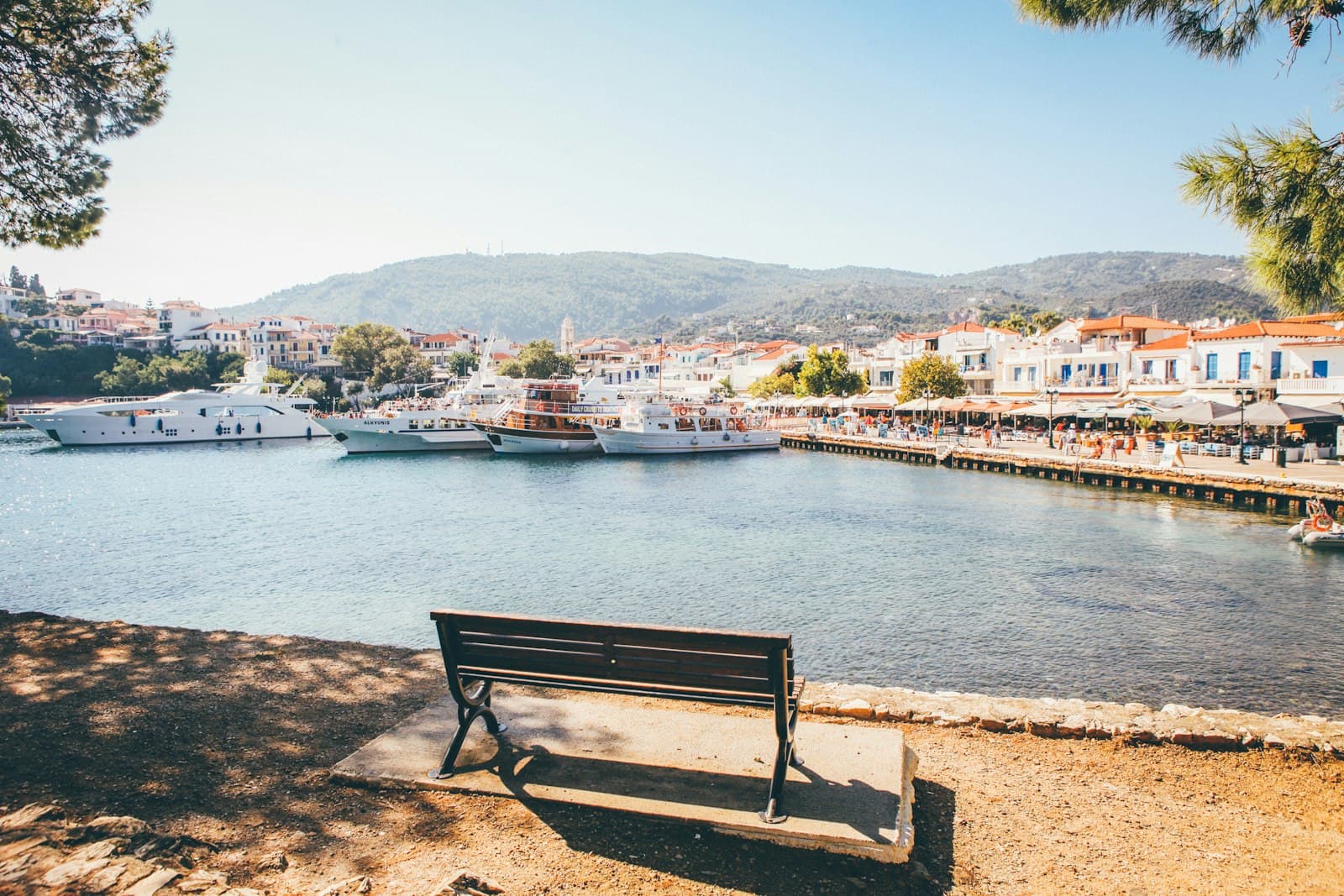
Skiathos-Stadt, die Hauptstadt der Insel, ist ein lebendiger Ausgangspunkt für Erkundungen. Schlendern Sie durch die gepflasterten Straßen, stöbern Sie in den Geschäften und genießen Sie die vielen Restaurants und Cafés. Der alte Hafen der Stadt ist besonders malerisch und voller traditioneller Fischerboote. Zwischen dem alten und dem neuen Hafen liegt die Halbinsel Bourtzi, ein von Kiefern bewachsenes Gebiet mit den Überresten einer venezianischen Festung und einem Kulturzentrum. Sie bietet einen weiten Blick auf die Stadt und die Küste.
Jenseits der Stadt bietet Skiathos zahlreiche Strände. Der Strand von Koukounaries ist weithin bekannt für seinen weißen Sand und sein klares türkisfarbenes Wasser, eingerahmt von einem Kiefernwald. Weitere südliche Strände sind Achladies, Vromolimnos und Banana Beach, letzterer bekannt für seine lebhafte Atmosphäre und einen Bereich für FKK-Baden (Little Banana). Für ein abgeschiedeneres Erlebnis ist der Strand Lalaria mit seinen charakteristischen weißen Kieselsteinen und seinem natürlichen Felsentor nur per Boot erreichbar.
Für einen Einblick in die Vergangenheit der Insel besuchen Sie das Kloster Evangelistria, das eine Rolle im Griechischen Unabhängigkeitskrieg spielte. Das mittelalterliche Kastro, die ehemalige Hauptstadt der Insel, bietet Überreste alter Strukturen auf einer felsigen Klippe, die per Boot oder über eine Feldstraße erreichbar sind. Das Haus von Alexandros Papadiamantis, einem berühmten griechischen Romanautor, der aus Skiathos stammt, ist ebenfalls von Interesse. Für Outdoor-Enthusiasten bietet Skiathos 26 markierte Wanderwege durch Kiefernwälder und Olivenhaine.
Die beste Zeit für einen Besuch in Skiathos ist von Mai bis September, wenn die Insel warmes, einladendes Wetter hat. In diesen Monaten liegen die Tagestemperaturen typischerweise zwischen 24 °C und 30 °C, mit minimalen Niederschlägen und Wassertemperaturen von durchschnittlich 22 °C bis 26 °C, ideal zum Schwimmen und für Wasseraktivitäten. Juli und August sind die wärmsten und belebtesten Monate mit höheren Preisen. Für ein Gleichgewicht zwischen angenehmem Wetter und weniger Menschenmassen sollten Sie einen Besuch im Mai, Anfang Juni oder September in Betracht ziehen. Diese Übergangszeiten bieten angenehme Bedingungen zum Wandern und Erkunden der üppigen Natur der Insel. April und Oktober sind ebenfalls machbar, mit milden Temperaturen zwischen 18 °C und 22 °C, obwohl die Regenwahrscheinlichkeit etwas höher ist und einige Einrichtungen im Oktober zu schließen beginnen.
Die Währung in Skiathos und ganz Griechenland ist der Euro (EUR). Kredit- und Debitkarten werden in den meisten Hotels, Restaurants und größeren Geschäften weitgehend akzeptiert, aber es ist ratsam, etwas Bargeld für kleinere Einkäufe, Busfahrkarten und abgelegene Tavernen mitzunehmen, da viele lokale Geschäfte Bargeld bevorzugen. Geldautomaten sind in Skiathos-Stadt leicht verfügbar, aber auf anderen Teilen der Insel möglicherweise rar.
Der internationale Flughafen Skiathos (JSI), auch bekannt als Flughafen Alexandros Papadiamantis, liegt nur wenige Kilometer von Skiathos-Stadt entfernt. Er empfängt Direktflüge von Athen und verschiedenen europäischen Zielen, insbesondere während der Hochsaison. Öffentliche Busse bieten eine erschwingliche und effiziente Möglichkeit, vom Flughafen nach Skiathos-Stadt zu gelangen. Die Fahrt dauert etwa 10-15 Minuten. Taxis sind ebenfalls außerhalb des Terminals verfügbar.
Die Fortbewegung auf der Insel wird durch ein zuverlässiges öffentliches Busnetz erleichtert, insbesondere entlang der Südküste, das Skiathos-Stadt mit dem Strand von Koukounaries verbindet. Die Busse fahren während der Sommermonate alle 15-20 Minuten. Die Fahrpreise liegen je nach Entfernung typischerweise zwischen 2,00 € und 3,00 €. Tickets können beim Schaffner oder an ausgewiesenen Kiosken gekauft werden. Wassertaxis verkehren auch vom Alten Hafen zu mehreren südlichen Stränden und bieten eine malerische Alternative. Für mehr Flexibilität wird die Anmietung eines Autos, Rollers oder ATVs empfohlen, insbesondere für die Erkundung der weniger entwickelten nördlichen Teile der Insel und ihrer unbefestigten Straßen.
Skiathos — Koreanisch, Chinesisch, Hebräisch und 29 weitere Sprachen, jede Station von einer muttersprachlichen Stimme erzählt. Die größte Sprachauswahl aller selbstgeführten Audiotouren.
Verfügbar auf: