Bassin du canal de Leeds & Liverpool
Le bassin tranquille du canal a autrefois reçu une importation tropicale surprenante, témoignant des connexions mondiales inattendues de Skipton.
L'histoire complète se débloque dans le tour
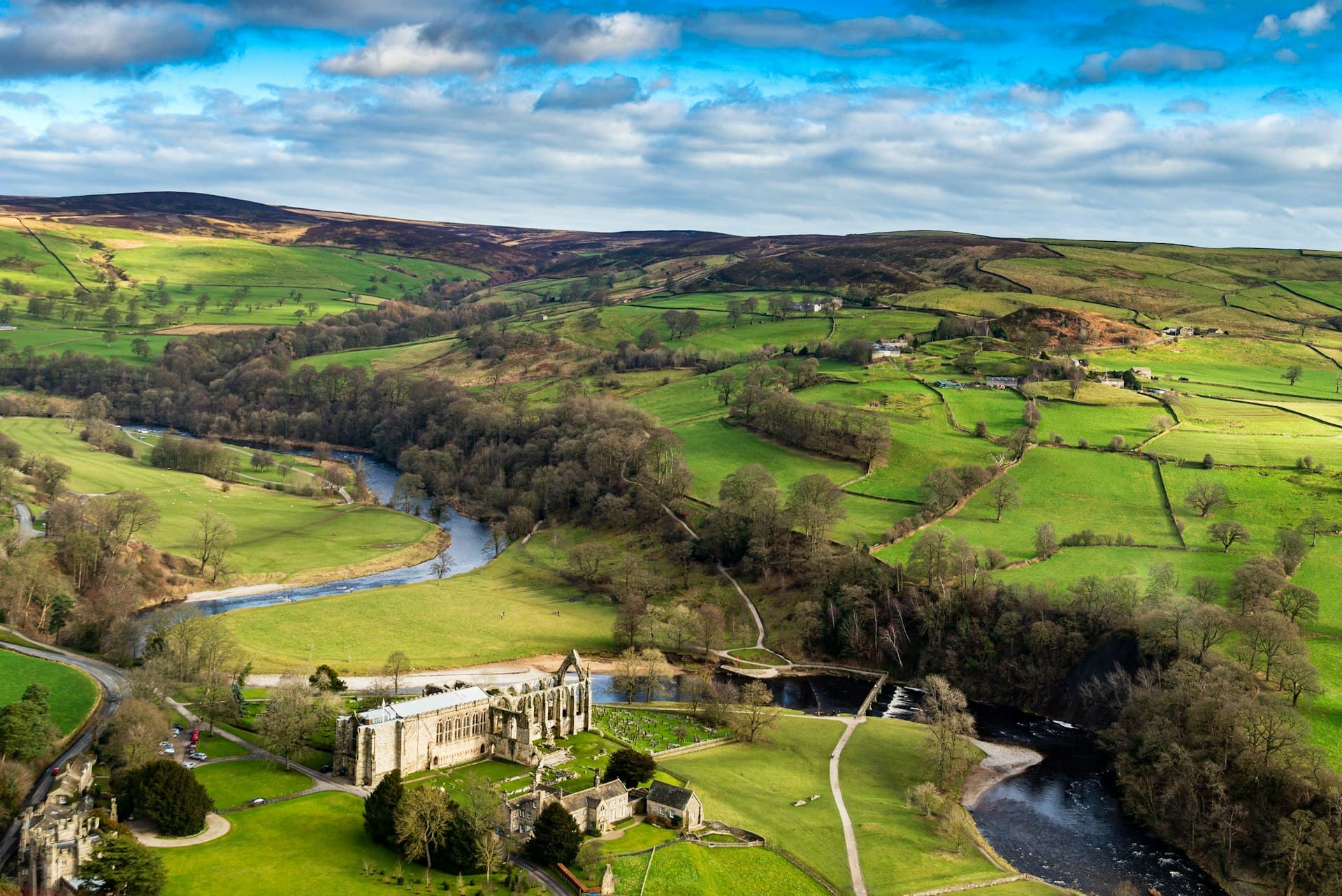 Photo: James Genchi / Unsplash
Visite audio autoguidée de Skipton — parcours GPS à pied, lecture hors ligne, narration en 32 langues.
“Là où la pierre ancienne rencontre le marché animé, et où les Dales commencent leur ascension.”
Pas les cartes postales. Les histoires que même les habitants ignorent — soufflées à l'oreille, là où elles se sont passées.
Le bassin tranquille du canal a autrefois reçu une importation tropicale surprenante, témoignant des connexions mondiales inattendues de Skipton.
Parmi les artefacts locaux et les merveilles géologiques, le Musée Craven abrite un trésor littéraire qui dément son cadre tranquille.
Among the local artifacts and geological marvels, the Craven Museum safeguards a literary treasure that belies its quiet setting.
Découvrez tous les secrets de Skipton
Chaque adresse, chaque révélation en entier — dans ton oreille, là où elle s'est passée.
Tu choisis tes lieux. Tu marches. La voix te révèle ce que les autres ignorent.


Votre visite audioguidée de Skipton vous attend — choisissez vos lieux, votre langue, et lancez-vous dès votre arrivée.
AcheterLume intègre un guide en réalité augmentée. Levez votre téléphone : sa caméra montre la rue devant vous, avec une flèche lumineuse posée sur l'image réelle qui pointe toujours vers votre prochain arrêt — aucune carte à déchiffrer, aucun mauvais virage. Comme tout dans Lume, ça fonctionne entièrement hors-ligne.
Skipton, souvent appelée la « Porte des Dales », est une ville marchande du North Yorkshire, en Angleterre, reconnue pour son château médiéval, sa vénérable rue principale et son canal pittoresque. Elle présente un mélange d'héritage durable avec des boutiques indépendantes, des cafés et des pubs. La ville maintient une atmosphère joyeuse, même en semaine, avec des habitants qui se rencontrent le long de la rue principale et des enfants qui nourrissent les canards au bord du canal. Skipton convient pour une visite d'une demi-journée, un week-end, ou comme point de départ pour découvrir le vaste parc national des Yorkshire Dales.
Le caractère de la ville est façonné par sa fusion d'histoire et de vie quotidienne. Le château de Skipton, vieux de plus de 900 ans, domine le haut de la rue principale, tandis que le canal de Leeds & Liverpool serpente à travers la ville, offrant des promenades sereines et des excursions en bateau. Le marché, qui se tient quatre jours par semaine, contribue au caractère traditionnel du Yorkshire de Skipton, et sa situation en fait un point d'entrée pratique vers les Dales.
À Skipton, on peut explorer une forteresse médiévale le matin, parcourir les boutiques indépendantes à l'heure du déjeuner et se retrouver à la campagne l'après-midi. La High Street de la ville a même été honorée comme « High Street de l'année », surpassant des artères londoniennes notables.
L'histoire enregistrée de Skipton remonte à 1085, apparaissant dans le Domesday Book de Guillaume Ier en 1086 sous le nom de « Scepeton », signifiant « ville aux moutons » en anglo-saxon. Cette désignation reflète son rôle précoce en tant que centre économique pour le Craven et les Dales du Sud.
Le château de Skipton fut construit vers 1090 par Robert de Romille, un baron normand, pour se défendre contre les incursions écossaises. La position stratégique du château permit à la ville de s'étendre, et en 1204, une Charte Royale accorda à Skipton le droit de tenir un marché hebdomadaire pour les moutons et les produits lainiers. Cette tradition de marché perdure sur la High Street aujourd'hui.
En 1310, le roi Édouard II accorda le château et les terres environnantes à Robert Clifford, marquant le début de plus de 300 ans de gouvernance par la dynastie Clifford. Robert Clifford commença à fortifier le château, bien qu'il soit mort à la bataille de Bannockburn en 1314. Le château résista à un raid des forces écossaises en 1318 et à un siège pendant le Pèlerinage de Grâce en 1536.
Pendant la guerre civile anglaise, le château de Skipton servit de dernier bastion royaliste dans le nord de l'Angleterre. Il endura un siège de trois ans avant de se rendre en décembre 1645. Après le conflit, Oliver Cromwell ordonna que les toits du château soient retirés pour empêcher son utilisation future comme fortification. Cependant, Lady Anne Clifford, la dernière Clifford à posséder le château, entreprit de vastes restaurations, réparant les dommages.
La Révolution Industrielle apporta une croissance économique substantielle à Skipton. Le canal de Leeds & Liverpool, la plus longue voie navigable intérieure de Grande-Bretagne, joua un rôle pivot. La construction commença en 1770, et la première section sans écluses de Skipton à Bingley ouvrit en 1773. L'ensemble du canal fut achevé en 1816, facilitant le transport de la pierre, du charbon, de la laine, du coton, du calcaire et des céréales, et transformant Skipton en une route de transport vitale. Des moulins, tels que High Corn Mill, furent établis, renforçant davantage l'économie locale. Skipton servit également de camp de prisonniers de guerre pendant les Première et Seconde Guerres mondiales. Aujourd'hui, Skipton maintient son identité de ville marchande animée tout en servant de base populaire pour les visiteurs explorant les Yorkshire Dales.
Commencez votre exploration au château de Skipton, l'un des châteaux médiévaux les mieux conservés d'Angleterre, datant de plus de 900 ans. Vous pouvez explorer sa salle de banquet, sa tour de guet, son donjon et sa cour Tudor. Adjacents au château se trouvent les bois du château de Skipton, offrant des promenades tranquilles en forêt avec divers itinéraires. Observez les hérons et les martins-pêcheurs résidents.
Promenez-vous le long du canal de Leeds & Liverpool, qui traverse la ville, offrant des vues paisibles sur les péniches. Envisagez une excursion en bateau pour voir la ville sous un angle différent. Le bassin du canal a également subi de récentes transformations avec de nouveaux pavés, des panneaux, des jardinières et des sièges.
Le marché animé de Skipton se tient sur la High Street quatre jours par semaine – le lundi, le mercredi, le vendredi et le samedi. Vous y découvrirez des produits locaux, de l'artisanat, des vêtements et des cadeaux. Au Craven Museum & Gallery, situé dans le Skipton Town Hall, vous pourrez vous plonger dans l'histoire locale, l'archéologie et la géologie. Le musée abrite une collection d'environ 60 000 objets, dont un rare Shakespeare First Folio. L'église Holy Trinity, à côté du château, vaut également le détour pour ses vitraux et ses stalles de chœur sculptées.
La période idéale pour visiter Skipton pour des activités par temps chaud s'étend de début juillet à fin août, lorsque les températures maximales moyennes quotidiennes sont supérieures à 16 °C (61 °F). Juillet est généralement le mois le plus chaud, avec une moyenne maximale de 18 °C (65 °F) et une minimale de 12 °C (53 °F). La partie la plus dégagée de l'année à Skipton dure de fin avril à début octobre. Bien que Skipton connaisse des saisons distinctes sans températures extrêmes, préparez-vous à des précipitations fréquentes tout au long de l'année.
Skipton est accessible en train, avec des services réguliers la reliant à Leeds, Bradford et d'autres grandes villes. La ville est compacte et facilement explorable à pied. Pour ceux qui conduisent, divers parkings sont disponibles, notamment Cavendish Street et Coach Street pour les séjours plus longs, et Providence Place pour une durée maximale de 24 heures. Le Centre d'information touristique, situé dans la mairie, offre des informations complètes sur les attractions et les événements locaux. Des toilettes publiques sont disponibles au parking de Skipton High Street, à la gare routière de Skipton et au parking de Coach Street. La mairie de Skipton dispose également d'une installation « Changing Places » pour les personnes atteintes de handicaps graves ou multiples. Skipton est considérée comme une ville sûre, mais il est toujours conseillé de faire attention à ses effets personnels dans les zones très fréquentées comme le marché.
Skipton en coréen, en chinois ou en hébreu — et dans 29 autres langues, chaque étape narrée par une voix native. La plus large gamme de langues de tous les audioguides autoguidés.
Disponible en :