Municipio di Słupsk
Il grande Municipio di Słupsk sorge su un sito che un tempo era un piccolo lago.
La storia completa si sblocca nel tour
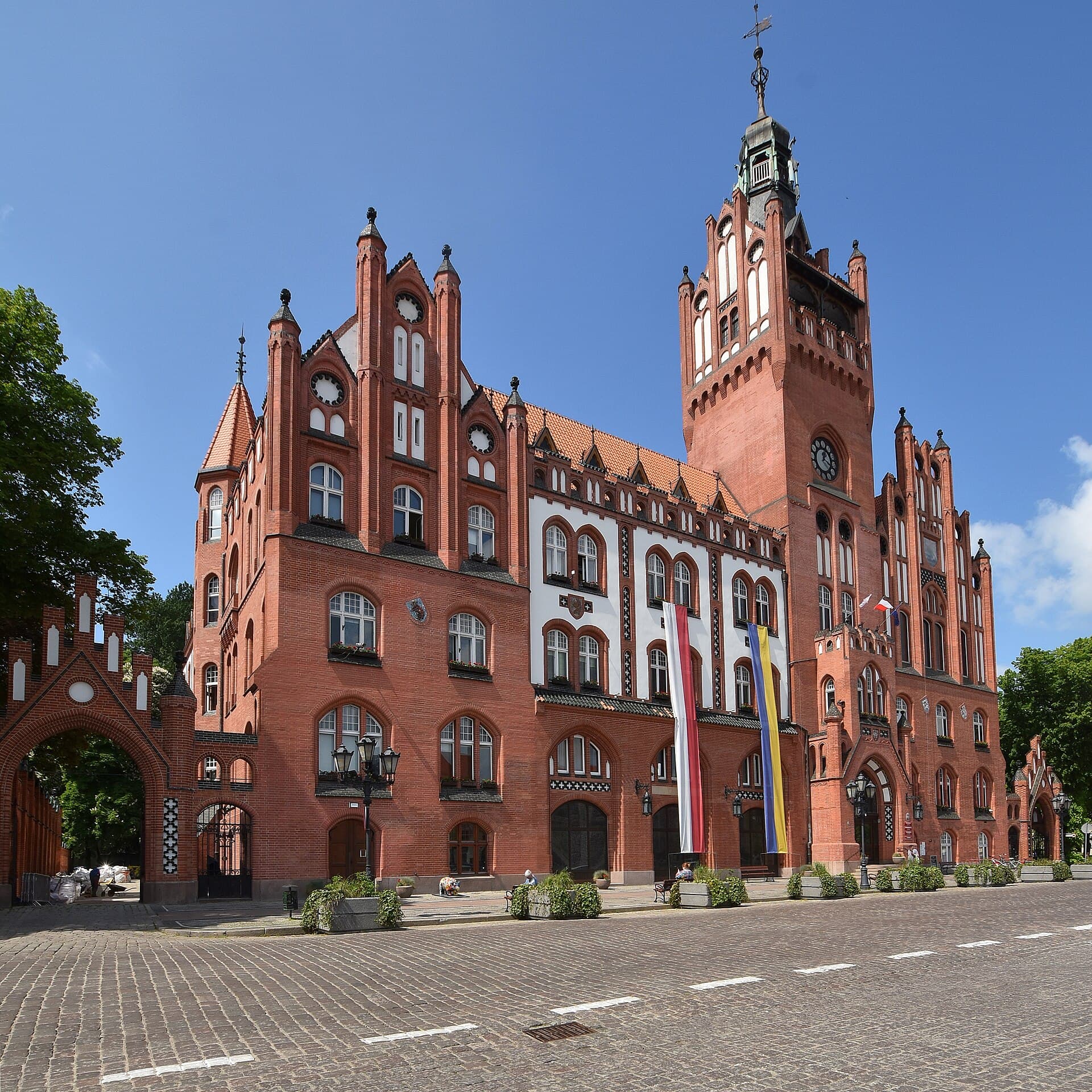 Henryk Bielamowicz / CC BY-SA 4.0, via Wikimedia Commons
Tour audio autoguidato di Słupsk — percorso GPS a piedi, riproduzione offline, narrazione coinvolgente in 32 lingue.
“Dove l'ambra brilla e la storia scorre con l'ansa del fiume.”
Non le cartoline. Le storie che nemmeno i locali conoscono — sussurrate nel tuo orecchio, proprio dove sono accadute.
Il grande Municipio di Słupsk sorge su un sito che un tempo era un piccolo lago.
Questa torre medievale, un residuo delle difese di Słupsk, porta un nome che allude a un capitolo più oscuro.
Słupsk detiene una sorprendente distinzione culinaria che potrebbe incuriosire gli appassionati di pizza.
Scopri ogni segreto di Słupsk
Ogni indirizzo, ogni rivelazione completa — nel tuo orecchio, proprio dove è accaduta.
Scegli le tue tappe. Cammini. La voce rivela ciò che gli altri perdono.

Il tuo tour audio autoguidato di Słupsk è pronto — scegli i tuoi punti di interesse, seleziona la tua lingua e inizia nel momento in cui arrivi.
AcquistaLume include una guida in realtà aumentata. Alza il telefono: la fotocamera mostra la strada davanti a te, con una freccia luminosa sovrapposta all'immagine reale che punta sempre verso la tua prossima tappa — nessuna mappa da decifrare, nessuna svolta sbagliata. Come tutto in Lume, funziona completamente offline.
Słupsk, una città nel nord della Polonia, si estende lungo il fiume Słupia, a circa 18 chilometri (11 miglia) dalla costa del Mar Baltico. Questo centro regionale nel Voivodato della Pomerania combina una profonda narrativa storica con un'atmosfera rilassata e pedonale. Un tempo importante centro commerciale e membro della Lega Anseatica, Słupsk oggi funge da fulcro amministrativo, di trasporto, commerciale e industriale.
La città offre un mix di architettura medievale e una vivace cultura locale, rendendola una destinazione invitante per coloro che cercano un'autentica esperienza polacca. La sua vicinanza al Parco Nazionale di Słowiński e alle spiagge di Ustka posiziona anche Słupsk come una comoda base per esplorare la più ampia regione della Pomerania.
## Primi inizi e crescita medievale Słupsk iniziò come un insediamento pomerano all'inizio del Medioevo, strategicamente posizionato sulle rive del fiume Słupia in un guado lungo un'importante rotta commerciale. Ciò portò alla costruzione di un insediamento fortificato slavo, o grod, su un isolotto fluviale, naturalmente protetto da paludi e da una palizzata. Le fonti storiche suggeriscono che Słupsk facesse parte della Polonia già nel X secolo.
La città ottenne i diritti civici nel 1265, uno status successivamente confermato ed esteso nel 1310 e 1313. Nel XIV secolo, Słupsk era fiorita diventando un centro chiave per l'amministrazione locale e il commercio, associandosi all'influente Lega Anseatica. Nel 1337, i governatori della città acquisirono il villaggio di Stolpmünde (l'odierna Ustka), stabilendo un porto che stimolò il commercio marittimo e la crescita economica. Tra il 1368 e il 1478, Słupsk servì come residenza dei Duchi di Słupsk, vassalli del Regno di Polonia.
## Dominio prussiano e Polonia del dopoguerra Dopo il Trattato del 1648, Słupsk entrò a far parte del Brandeburgo-Prussia. Fu quindi incorporata nella neonata Provincia prussiana della Pomerania nel 1815, rimanendo sotto il dominio prussiano fino alla conclusione della Seconda Guerra Mondiale. Nonostante gli sforzi di germanizzazione, l'area di Słupsk mantenne il suo carattere slavo. Il XIX secolo vide una significativa espansione urbana, inclusa la costruzione di una nuova stazione ferroviaria nel 1869 e l'imponente Municipio, completato nel 1901.
La Seconda Guerra Mondiale portò notevoli trasformazioni a Słupsk. Sebbene la città non abbia subito bombardamenti aerei importanti per gran parte della guerra, i rifugiati tedeschi ne aumentarono la popolazione negli ultimi mesi del 1945. Dopo la guerra, Słupsk tornò ad essere parte della Polonia e la sua popolazione tedesca fu in gran parte reinsediata e sostituita da coloni polacchi. Dal 1975 al 1998, servì come capitale del Voivodato di Słupsk prima di diventare parte del più ampio Voivodato della Pomerania nel 1999.
## Słupsk moderna Nel dopoguerra, Słupsk si è ristabilita come centro culturale, con l'apertura di teatri e college negli anni '50. Oggi, Słupsk è una città dinamica che continua ad evolversi, preservando i suoi monumenti storici mentre abbraccia il suo ruolo di nucleo regionale.
Inizia la tua esplorazione nel centro storico di Słupsk, dove stretti vicoli invitano a piacevoli passeggiate tra architetture storiche. Il Castello dei Duchi di Pomerania, costruito nel 1507 e successivamente ricostruito in stile rinascimentale, ospita il Museo della Pomerania Centrale. Questo museo presenta mostre etnografiche e regionali, oltre alla più grande collezione di opere dell'artista dell'inizio del XX secolo Stanisław Ignacy Witkiewicz (Witkacy).
Il Municipio di Słupsk, completato nel 1901, è un edificio distintivo con vetrate decorative e dipinti che raffigurano la storia della città. Sali sulla sua torre per ammirare ampie vedute della città. Altre notevoli strutture storiche includono le chiese gotiche, le fortificazioni medievali con porte cittadine come la Porta del Mulino (Mill Gate) e la Porta Nuova (New Gate), e l'intrigante Torre delle Streghe (Baszta Czarownic), che oggi ospita arte contemporanea.
Oltre al nucleo storico, esplora il Parco della Cultura e della Ricreazione per godere di spazi verdi e relax. Per un manufatto storico unico, cerca la più antica struttura industriale conservata in Polonia, il Castello del Mulino (Castle Mill). Słupsk ha anche un percorso di "Orsi d'Ambra", simboli della città che raccontano storie sul luogo, e murales espressivi che adornano i suoi muri.
Il periodo ideale per visitare Słupsk è la tarda primavera (maggio e giugno) e l'inizio dell'autunno (settembre e ottobre). Durante questi mesi, il clima è mite, con temperature medie che vanno da 10°C a 20°C (50-68°F), perfette per passeggiare ed esplorare. L'estate, da giugno ad agosto, offre anch'essa un clima piacevole con temperature medie tra i 18°C e i 22°C (64-72°F), sebbene luglio sia il mese più piovoso. Per coloro che amano le giornate più soleggiate, maggio e giugno offrono più ore di sole.
Słupsk si trova nel Voivodato della Pomerania, nel nord della Polonia. L'aeroporto principale più vicino è l'Aeroporto di Gdańsk Lech Wałęsa (GDN), a circa 120 chilometri di distanza. Da Gdańsk, puoi raggiungere Słupsk in treno o autobus; il viaggio in treno dura solitamente circa due ore. La città è generalmente considerata sicura per i viaggiatori, ma è sempre consigliabile prendere precauzioni standard contro i piccoli crimini. La valuta locale è lo złoty polacco (PLN) e, sebbene le carte di credito siano ampiamente accettate, si consiglia di portare un po' di contanti per i piccoli esercizi commerciali. Il trasporto pubblico all'interno di Słupsk avviene principalmente tramite autobus locali e taxi, con collegamenti ferroviari regionali disponibili per le città vicine e la costa baltica. Il noleggio di biciclette è anche un'opzione per esplorare la città.
Słupsk — coreano, cinese, ebraico e altre 29 lingue, ogni tappa narrata da una voce madrelingua. La più ampia scelta di lingue tra i tour audio autoguidati.
Disponibile in: