Aldea Abai
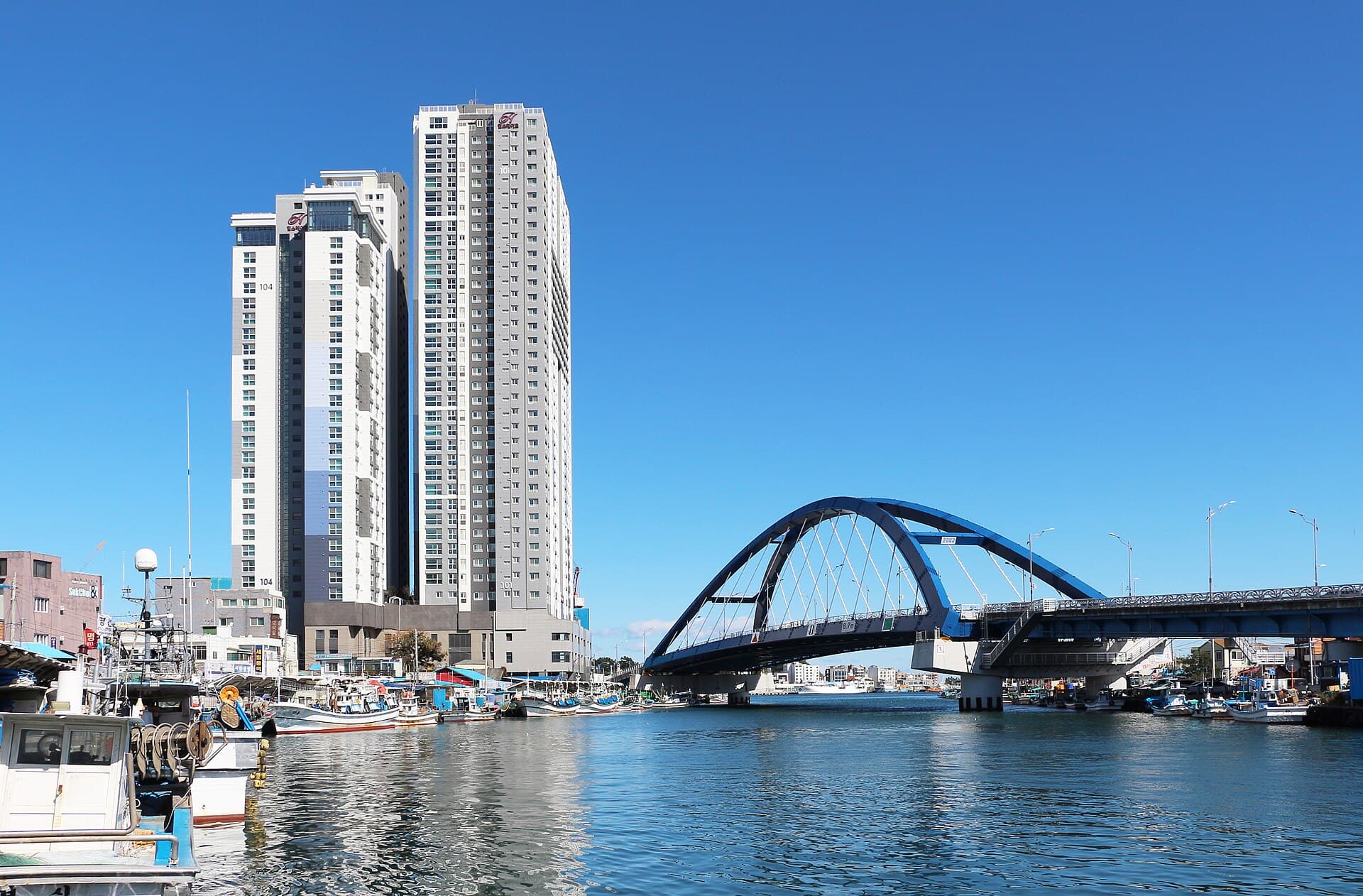
Esta aldea, una tranquila comunidad pesquera, guarda un profundo secreto sobre sus orígenes.
La historia completa se desbloquea en el tour
 Bernard Gagnon / CC0, via Wikimedia Commons
Tour de audio autoguiado de Sokcho — ruta GPS a pie, reproducción offline, narración en 32 idiomas.
“Donde los picos de granito se encuentran con el Mar del Este, y la resiliencia moldea la costa.”
No las postales. Las historias que ni los locales conocen — al oído, justo donde ocurrieron.
Esta aldea, una tranquila comunidad pesquera, guarda un profundo secreto sobre sus orígenes.
El nombre de este pabellón costero, conocido por sus amaneceres, se refiere a un sonido que no escucharás con tus oídos.
Durante un breve período después de la Segunda Guerra Mundial, esta ciudad surcoreana no formó parte de Corea del Sur en absoluto.
Descubre todos los secretos de Sokcho
Cada dirección, cada revelación al completo — a tu oído, justo donde ocurrió.
Eliges tus paradas. Caminas. La voz te revela lo que los demás ignoran.

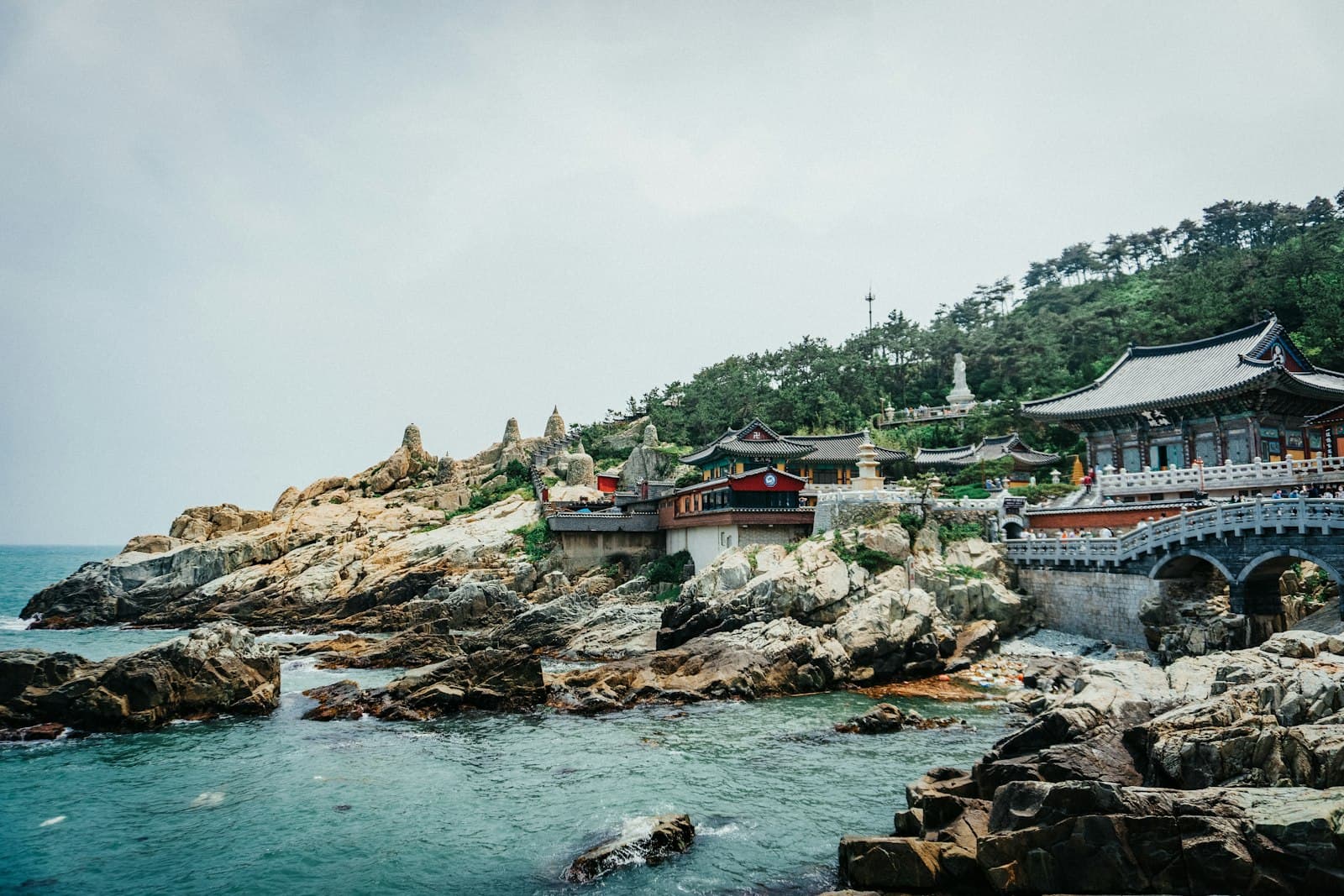

Tu tour de audioguía por Sokcho te espera — elige tus lugares, tu idioma y empieza al llegar.
ComprarLume incluye una guía de realidad aumentada. Levanta el móvil y su cámara muestra la calle que tienes delante, con una flecha luminosa sobre la imagen real que siempre apunta a tu próxima parada — sin mapas que descifrar, sin giros equivocados. Como todo en Lume, funciona completamente sin conexión.
Sokcho, una cautivadora ciudad portuaria en la provincia de Gangwon, Corea del Sur, ofrece una mezcla única de imponentes montañas, lagos plácidos y el extenso Mar del Este. Con el Parque Nacional Seoraksan al oeste y una costa salpicada de playas y puertos pesqueros, Sokcho es una maravilla natural donde diversos paisajes coexisten en un radio pequeño. Es un destino que atiende tanto a ávidos excursionistas como a aquellos que buscan relajación costera, proporcionando una escapada refrescante con sus distintos encantos estacionales.
La ciudad es un centro para mariscos frescos, lo que refleja su profunda conexión con el océano. Más allá de su esplendor natural y delicias culinarias, Sokcho también lleva un pasado conmovedor, moldeado por su proximidad a la frontera con Corea del Norte y la Guerra de Corea. Esta historia está tejida en el tejido de sus comunidades, ofreciendo una capa más profunda de comprensión para los viajeros curiosos.
Desde los bulliciosos mercados hasta los templos tranquilos, Sokcho ofrece una rica variedad de experiencias. Ya sea que te atraigan los dramáticos picos de Seoraksan, la animada atmósfera de sus mercados tradicionales o las conmovedoras historias que se guardan en sus aldeas, Sokcho promete un viaje inolvidable a un rincón menos explorado de Corea del Sur.
## De Costas Antiguas a una Península Dividida Los orígenes de Sokcho se remontan a alrededor del siglo III a principios del siglo V d.C., cuando formaba parte del antiguo reino de Dongye. Lo que comenzó como una aldea de pescadores escasamente poblada a orillas del lago Cheongchoho se transformó gradualmente en un puerto significativo debido a su ubicación estratégica en el Mar de Japón (también conocido como el Mar del Este en Corea).
El desarrollo de la ciudad se aceleró en 1937 cuando se convirtió en un puerto de transferencia de minerales. Sin embargo, su trayectoria dio un giro dramático después de la Segunda Guerra Mundial. Con la división de la península coreana en 1945, Sokcho se encontró bajo control norcoreano. Este período, posterior a la era colonial japonesa que vio la supresión de la cultura coreana, trajo la experiencia del régimen comunista de Kim Il-sung a los residentes locales. Corea del Norte implementó intensas reformas agrarias, con el objetivo de desmantelar la clase terrateniente existente.
La Guerra de Corea, que comenzó el 25 de junio de 1950, remodeló profundamente Sokcho. Se convirtió en una ciudad de llegadas, ya que familias de las provincias del norte buscaron refugio, a menudo esperando que su desplazamiento fuera temporal. El 18 de agosto de 1951, las fuerzas surcoreanas capturaron Sokcho, y permaneció bajo el gobierno militar de la ONU hasta que la autoridad administrativa fue transferida al gobierno de la República de Corea en noviembre de 1954. Desde el Acuerdo de Armisticio de Corea en 1953, Sokcho ha sido parte de Corea del Sur.
En 1963, Sokcho fue ascendida oficialmente a ciudad, separándose del condado de Yangyang. Esta historia de desplazamiento y resiliencia es particularmente evidente en lugares como la Aldea Abai, un asentamiento único fundado por refugiados norcoreanos, cuya cultura gastronómica refleja estos recuerdos fronterizos. Hoy, Sokcho se erige como un testimonio de su pasado, una ciudad donde los ecos de la historia se entrelazan con su belleza natural y su animada vida local.
Sokcho ofrece una diversa variedad de lugares de interés, que atienden tanto a entusiastas de la naturaleza como a aquellos interesados en la cultura y la historia. Una atracción principal es el Parque Nacional Seoraksan, un sitio de protección de la biosfera de la UNESCO conocido por sus imponentes picos, bosques verdes y variada vida silvestre. Los visitantes pueden explorar varias rutas de senderismo, desde el camino relativamente fácil a las Cataratas Biryong hasta el ascenso más extenuante a la Roca Ulsanbawi, que ofrece vistas panorámicas del Mar del Este. Para una experiencia menos exigente, un teleférico ofrece vistas aéreas de las montañas y la costa.
Dentro del Parque Nacional Seoraksan, el Templo Sinheungsa, un antiguo templo budista zen que data del año 652 d.C., ofrece un vistazo al patrimonio espiritual de Corea. Su estatua de Buda de bronce de 10 metros es un hito prominente. A lo largo de la costa, el Pabellón del Amanecer Yeonggeumjeong es un lugar popular para presenciar el amanecer, ofreciendo vistas pintorescas del mar y las rocas circundantes. Cerca, el Observatorio del Faro de Sokcho ofrece vistas de 360 grados de la ciudad y la costa.
Para probar la vida y la historia local, la Aldea Abai es un destino atractivo. Esta aldea única, habitada por refugiados norcoreanos, ofrece una cocina distintiva como el Abai sundae (calamar relleno o morcilla) y un encantador paseo en balsa Gaetbae tirada a mano a través del agua. El Mercado Turístico y Pesquero de Sokcho (Mercado Jungang) es un centro animado donde se pueden degustar mariscos frescos, especialidades locales como el dakgangjeong (pollo dulce y crujiente) y varios alimentos callejeros. Finalmente, la Playa de Sokcho ofrece un sereno refugio costero con sus arenas blancas y bosques de pinos, perfecto para un paseo tranquilo o para disfrutar de la brisa marina.
Sokcho experimenta cuatro estaciones distintas, cada una ofreciendo un atractivo único. Para actividades de clima cálido y condiciones agradables, los mejores momentos para visitar son desde finales de mayo hasta principios de julio y nuevamente desde mediados de agosto hasta principios de octubre.
La primavera (marzo a mayo) se considera ideal para el senderismo y la exploración, con clima templado y el espectáculo de los cerezos en flor a finales de marzo y principios de abril. El verano (junio a agosto) es la temporada alta de playa, con temperaturas máximas diarias promedio superiores a 23°C (74°F) y máximas en agosto que alcanzan alrededor de 28°C (82°F). Sin embargo, julio y agosto también pueden ser los meses más húmedos debido a la temporada de monzones. El otoño (septiembre a noviembre) es conocido por el dramático follaje del Parque Nacional Seoraksan, con los colores máximos en los valles inferiores que suelen ocurrir a finales de octubre. El invierno (noviembre a febrero) trae temperaturas más frías, siendo enero el mes más frío, pero es un excelente momento para el cangrejo de las nieves y una experiencia costera más tranquila.
Llegar a Sokcho se hace más comúnmente en autobús exprés, ya que no hay servicio de tren directo desde Seúl. Los autobuses desde la Terminal de Autobuses Exprés de Seúl salen con frecuencia, tardando aproximadamente de 2.5 a 3 horas, con billetes que oscilan entre ₩17,000 y ₩25,000 dependiendo del tipo de asiento. También hay autobuses directos desde el aeropuerto de Incheon.
Una vez en Sokcho, los autobuses locales son una forma eficiente y asequible de moverse por la ciudad. Las rutas 7 y 7-1 son particularmente útiles para llegar al Parque Nacional Seoraksan. Las tarjetas de transporte CashBee se aceptan en los autobuses de Sokcho, pero las tarjetas T-money pueden no serlo. Los taxis también están fácilmente disponibles, con tarifas que comienzan alrededor de ₩2,800. Si bien caminar es factible para áreas específicas, la ciudad está bastante extendida.
Las opciones de alojamiento van desde hostales cerca del parque para excursionistas hasta hoteles y casas de huéspedes en toda la ciudad. Muchos lugares, especialmente los hostales, tienen personal que habla inglés y puede ofrecer recomendaciones locales. Para comer, el Mercado Turístico y Pesquero de Sokcho y el Puerto de Daepo son excelentes lugares para probar mariscos frescos y especialidades locales. Espere pagar entre ₩5,000 y ₩15,000 por una comida en el mercado y ₩15,000 a ₩50,000+ por persona en restaurantes de mariscos con servicio de mesa.
Sokcho en coreano, en chino o en hebreo — y 29 idiomas más, cada parada narrada por una voz nativa. La mayor variedad de idiomas de cualquier audioguía autoguiada.
Disponible en: