Palazzo Sertoli
Voorbij de elegante gevel onthult een kamer in Palazzo Sertoli een verrassend geheim over het ontwerp van Alpenwoningen.
Volledig verhaal ontgrendeld in de tour
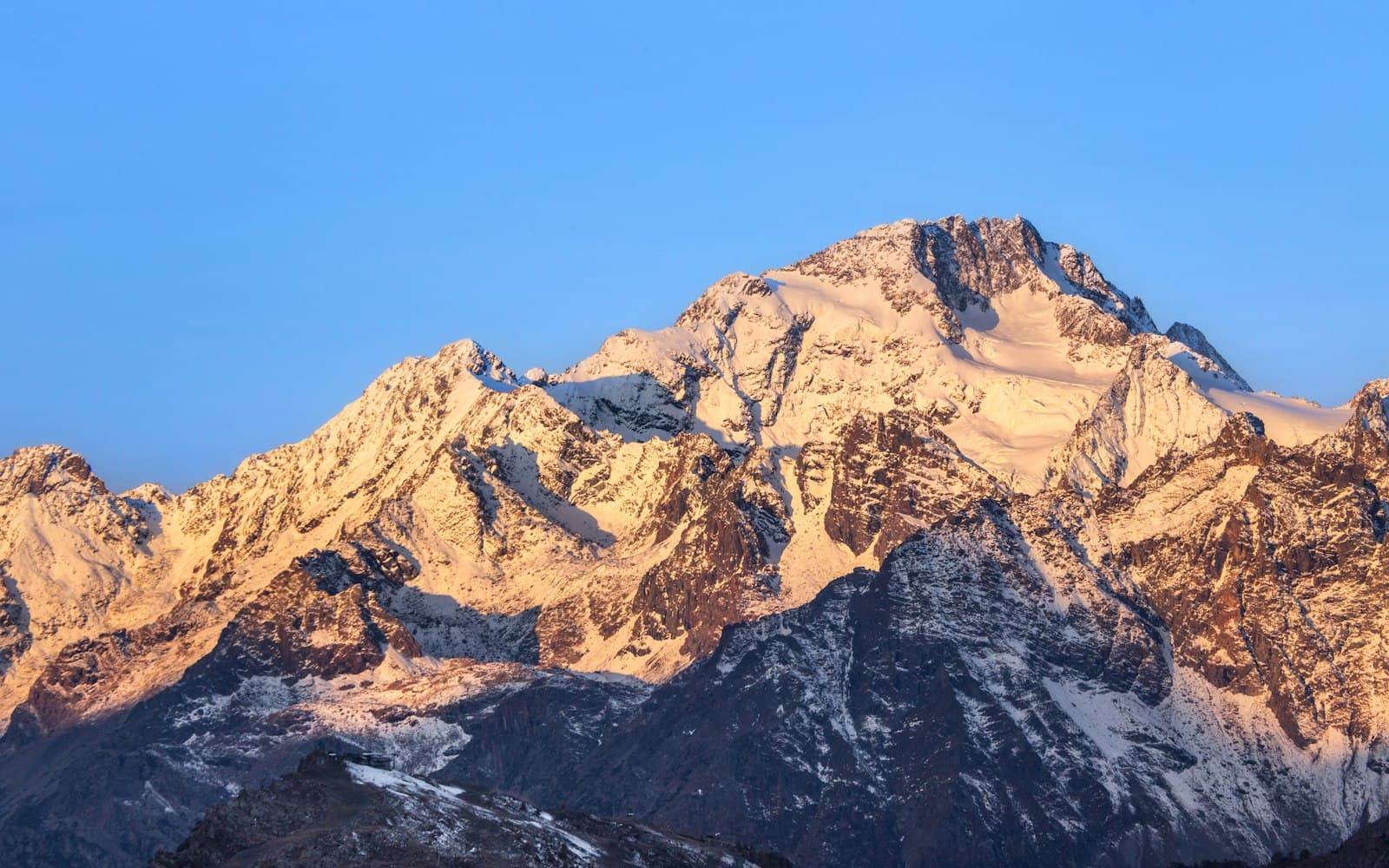
 Photo: Marek Piwnicki / Unsplash
Zelfgeleide audiowandeling door Sondrio — GPS-route, offline afspelen, meeslepende vertelling in 32 talen.
“Sondrio: Waar alpiene grandeur oude wijngaarden en stille geschiedenis ontmoet.”
Niet de ansichtkaarten. De verhalen die zelfs locals niet kennen — gefluisterd in je oor, precies waar ze gebeurden.
Voorbij de elegante gevel onthult een kamer in Palazzo Sertoli een verrassend geheim over het ontwerp van Alpenwoningen.
Deze charmante, schijnbaar rustieke wijk bevat een aanwijzing naar de vroegere verdedigingswerken van Sondrio tegen een aanhoudende natuurlijke dreiging.
De schilderachtige terrasvormige wijngaarden rond Sondrio zijn meer dan alleen mooi; ze zijn een bewijs van een ingenieuze oude landbouwpraktijk.
Ontdek elk geheim van Sondrio
Elk adres, elke onthulling volledig — in je oor, precies waar het gebeurde.
Jij kiest je stops. Jij wandelt. De stem onthult wat de anderen missen.


Je zelfgeleide audiotour van Sondrio is klaar — kies je bezienswaardigheden, kies je taal en start zodra je aankomt.
KopenLume heeft een ingebouwde augmented-reality-gids. Houd je telefoon omhoog: de camera toont de straat voor je, met een oplichtende pijl over het echte beeld die altijd naar je volgende stop wijst — geen kaart om uit te puzzelen, geen verkeerde afslagen. Zoals alles in Lume werkt het volledig offline.
Sondrio, de hoofdstad van de minst geïndustrialiseerde provincie van Italië in Lombardije, biedt een boeiende mix van Alpenlandschap en cultureel erfgoed. Gelegen in het hart van de Valtellina-vallei, geflankeerd door de Retische en Orobie Alpen, is de stad een toegangspoort tot zowel buitenavontuur als historische verkenning. In tegenstelling tot sommige van zijn drukkere Lombardijnse tegenhangers, biedt Sondrio een rustige ontsnapping, waar het ritme van het leven verweven is met de omliggende bergen en terrasvormige wijngaarden.
De charme van de stad is onmiddellijk duidelijk in het goed bewaarde historische centrum, met kronkelende steegjes, aristocratische palazzi en traditionele winkels. De samenvloeiing van de Mallero-stroom en de grotere Adda-rivier vormt het landschap van de stad en biedt serene uitzichten en wandelpaden. Sondrio wordt ook gevierd als een 'Stad van de Wijn', een titel verdiend door zijn uitgebreide wijngaarden die onderscheidende rode wijnen produceren zoals Sassella en Grumello. Zijn inzet voor het behoud van zijn natuurlijke en culturele bezittingen leverde het in 2007 de titel 'Alpenstad van het Jaar' op.
Bezoekers van Sondrio kunnen een unieke Italiaanse ervaring verwachten, met mogelijkheden om te wandelen door weelderige valleien, oude kerken en musea te verkennen, en te genieten van lokale culinaire hoogstandjes. Het is een bestemming die aantrekkelijk is voor degenen die op zoek zijn naar authentiek Italiaans leven, weg van grotere menigten, of het nu gaat om gezinsuitstapjes gericht op de natuur, romantische uitjes of solo-verkenning.
De oorsprong van Sondrio gaat terug tot een oud Romeins militair kamp. De stad werd later gesticht door de Longobarden, met de naam Sundrium, wat 'exclusief eigendom' betekende - een verwijzing naar de vrije status van de vroege inwoners. Na de val van het Longobardische Koninkrijk werd Sondrio onderdeel van het Heilige Roomse Rijk, met de controle in 1040 door keizer Hendrik II toegekend aan de Capitanei van Vizzola.
In de 14e eeuw raakte Sondrio verwikkeld in conflicten tussen de Welfen en Ghibellijnen van Como, wat uiteindelijk leidde tot de incorporatie in de Visconti-dominions van Milaan in 1335. Vanaf het midden van de 16e tot het einde van de 18e eeuw diende Sondrio als de hoofdstad van Valtellina onder het bestuur van de Zwitserse 'Tre Leghe Grigie' (Drie Grijze Liga's) van Graubünden. Deze periode werd gekenmerkt door aanzienlijke religieuze strijd, waarbij Sondrio een brandpunt werd van de strijd tussen katholieke Valtellinezen en protestantse Graubündners na de Reformatie. Een opmerkelijke gebeurtenis vond plaats in 1620 toen burgers, geleid door Giacomo Robustelli, 180 protestanten doodden en de onafhankelijkheid van Valtellina uitriepen.
Na een korte periode als onderdeel van de Cisalpijnse Republiek tijdens het Napoleontische tijdperk, werden Sondrio en Valtellina in 1815 geannexeerd aan het Oostenrijkse Koninkrijk Lombardije-Venetië. De regio sloot zich uiteindelijk in 1866 aan bij het Koninkrijk Italië. Gedurende zijn geschiedenis behield Sondrio en de Valtellina-vallei strategisch belang vanwege hun verbindingen met Europa via Alpenpassen zoals de Splügenpas, waardoor ze een betwist gebied werden in diverse Europese conflicten, met name de godsdienstoorlogen van de 16e en 17e eeuw.
Het compacte stadscentrum van Sondrio is gemakkelijk te voet te verkennen. Piazza Garibaldi, een breed 18e-eeuws plein, wordt beschouwd als het hart van de stad en herbergt het gerenoveerde Teatro Sociale. Vlakbij herbergt Piazza Campello de Collegiale Kerk van Sint Gervasius en Protasius - een middeleeuwse kerk die in 1838 in Neoclassicistische stijl werd herbouwd - en het Palazzo Pretorio, dat ooit de regering van Graubünden huisvestte. De Torre Ligariana, een 50 meter hoge klokkentoren, staat prominent op Piazza Campello.
Voor een kijkje in het verleden, dwaal door de 'sprookjesachtige steegjes' van Scarpatetti, een historische wijk met stenen huizen en houten balkons die een landelijk dorpsgevoel oproepen. Boven de stad, Castel Masegra, het enige kasteel in Sondrio dat niet in de 16e eeuw werd verwoest, herbergt nu het CAST 'verhalende' museum over de Alpen cultuur. Het Palazzo Sassi is de thuisbasis van het Kunst- en Geschiedenismuseum van Valtellina (MVSA), dat inzicht biedt in de identiteit van de regio. Mis Via Roma niet, een levendige straat met elegante gebouwen en winkels. Voor natuurliefhebbers biedt de Valmalenco-vallei, ten noorden van Sondrio, tal van wandelpaden met een spectaculair landschap.
Sondrio heeft een semi-continentaal klimaat met koude winters en hete zomers. Het hoogseizoen is tijdens de zomermaanden (juni tot augustus), met temperaturen variërend van 18°C tot 30°C (64-86°F), ideaal voor buitenactiviteiten en culturele evenementen. Deze periode kan echter ook hogere prijzen en grotere drukte met zich meebrengen. Voor milder weer en minder toeristen, overweeg de schouderseizoenen lente (april tot mei) en herfst (september tot oktober), wanneer de temperaturen tussen 10°C en 25°C (50-77°F) liggen. Deze maanden zijn uitstekend voor wandelen of het bezoeken van lokale markten. Half mei tot half juni en september worden bijzonder aanbevolen voor aangenaam weer.
Sondrio is gemakkelijk bereikbaar met de trein, met regelmatige diensten vanuit Milaan via Lecco naar het treinstation van Sondrio, gelegen aan Piazzale Bertacchi, aan de zuidoostelijke rand van het stadscentrum. Het station wordt beheerd door Rete Ferroviaria Italiana (RFI) en treindiensten worden geëxploiteerd door Trenord. Als u met de auto reist, is Sondrio bereikbaar via de SS38-weg door de Valtellina-vallei vanuit het Comomeergebied.
Openbaar vervoer binnen Sondrio bestaat voornamelijk uit bussen, die een kosteneffectieve optie zijn voor ongeveer €2 per rit. Taxi's zijn ook beschikbaar, maar zijn doorgaans duurder. Italiaans is de officiële taal, hoewel Engels vaak wordt gesproken in toeristische gebieden. De officiële munteenheid is de Euro (€). Voor visumvereisten hebben bezoekers uit het Schengengebied geen visum nodig, terwijl andere nationaliteiten een aanvraag moeten indienen via de Italiaanse ambassade of het consulaat in hun thuisland, met een verwerkingstijd van 15 tot 30 dagen. De dichtstbijzijnde grote luchthavens zijn Milaan Linate (LIN) en Milaan Malpensa (MXP), met treinverbindingen naar Sondrio.
Sondrio — Koreaans, Chinees, Hebreeuws en nog 29 talen, elke stop verteld door een moedertaalspreker. Het grootste taalaanbod van alle zelfgeleide audiotours.
Beschikbaar in: