Spiaggia di Samila
La scintillante Sirena d'Oro a Spiaggia di Samila racchiude una narrazione che va oltre il suo splendore metallico.
La storia completa si sblocca nel tour
 Mozhar / CC BY-SA 3.0, via Wikimedia Commons
Tour audio autoguidato di Songkhla — percorso GPS a piedi, riproduzione offline, narrazione coinvolgente in 32 lingue.
“Dove antiche rotte commerciali convergono con l'arte di strada espressiva.”
Non le cartoline. Le storie che nemmeno i locali conoscono — sussurrate nel tuo orecchio, proprio dove sono accadute.
La scintillante Sirena d'Oro a Spiaggia di Samila racchiude una narrazione che va oltre il suo splendore metallico.
La vivace street art che adorna i muri del centro storico offre più di un piacere visivo; racconta storie locali.
Al largo della costa di Spiaggia di Samila, due piccole isole portano nomi curiosi: Isola del Gatto e Isola del Topo.
Scopri ogni segreto di Songkhla
Ogni indirizzo, ogni rivelazione completa — nel tuo orecchio, proprio dove è accaduta.
Scegli le tue tappe. Cammini. La voce rivela ciò che gli altri perdono.
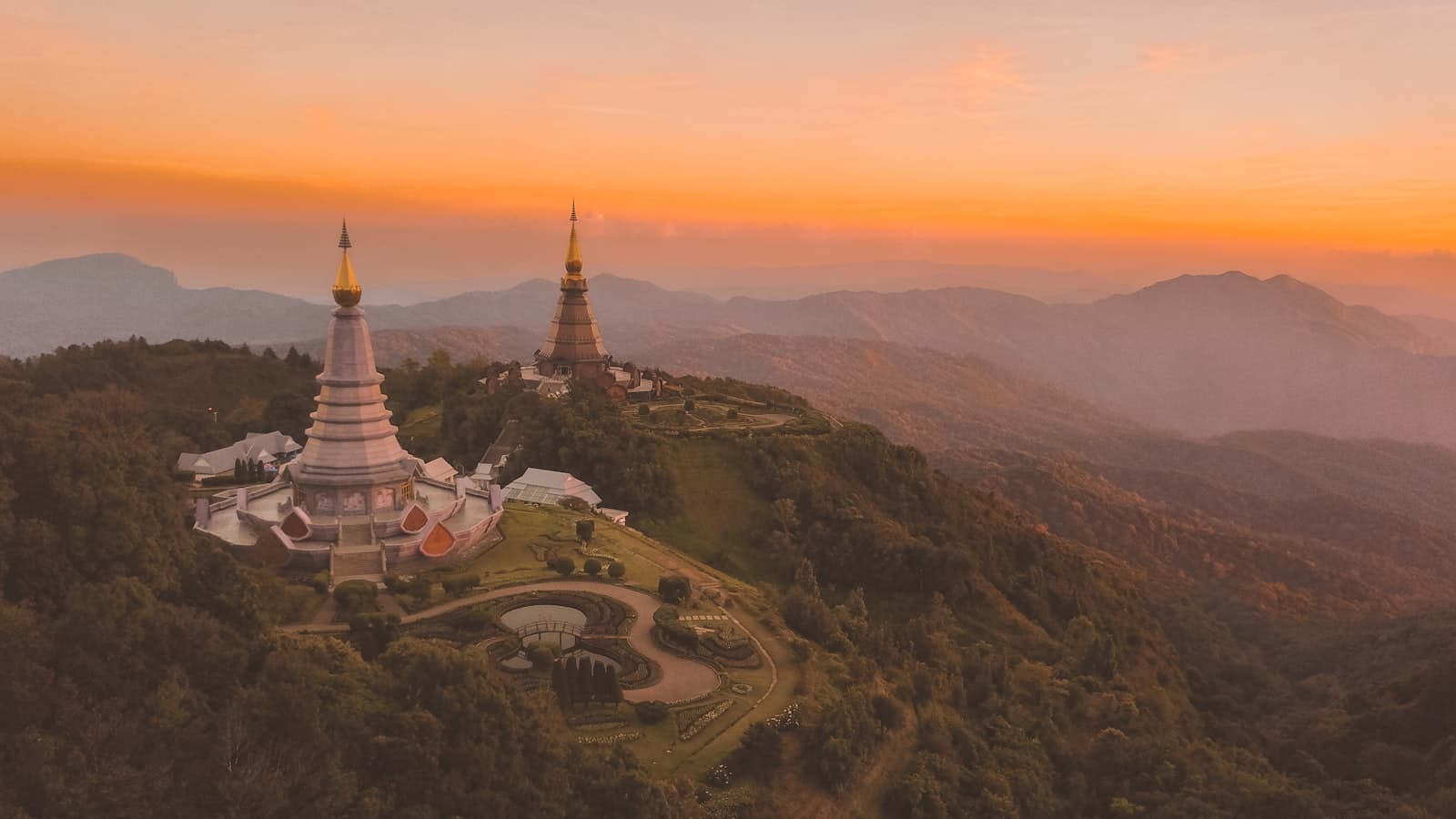
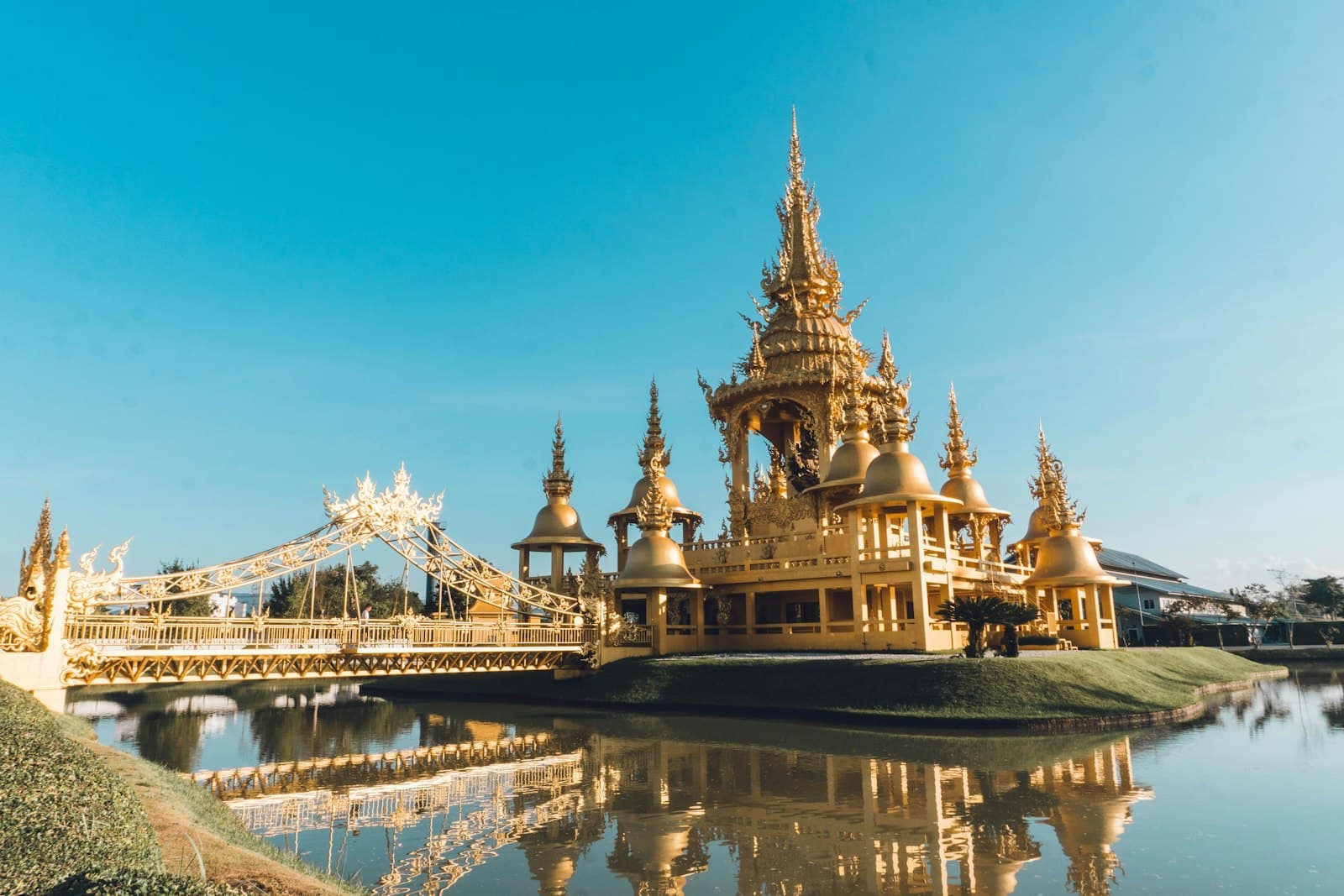
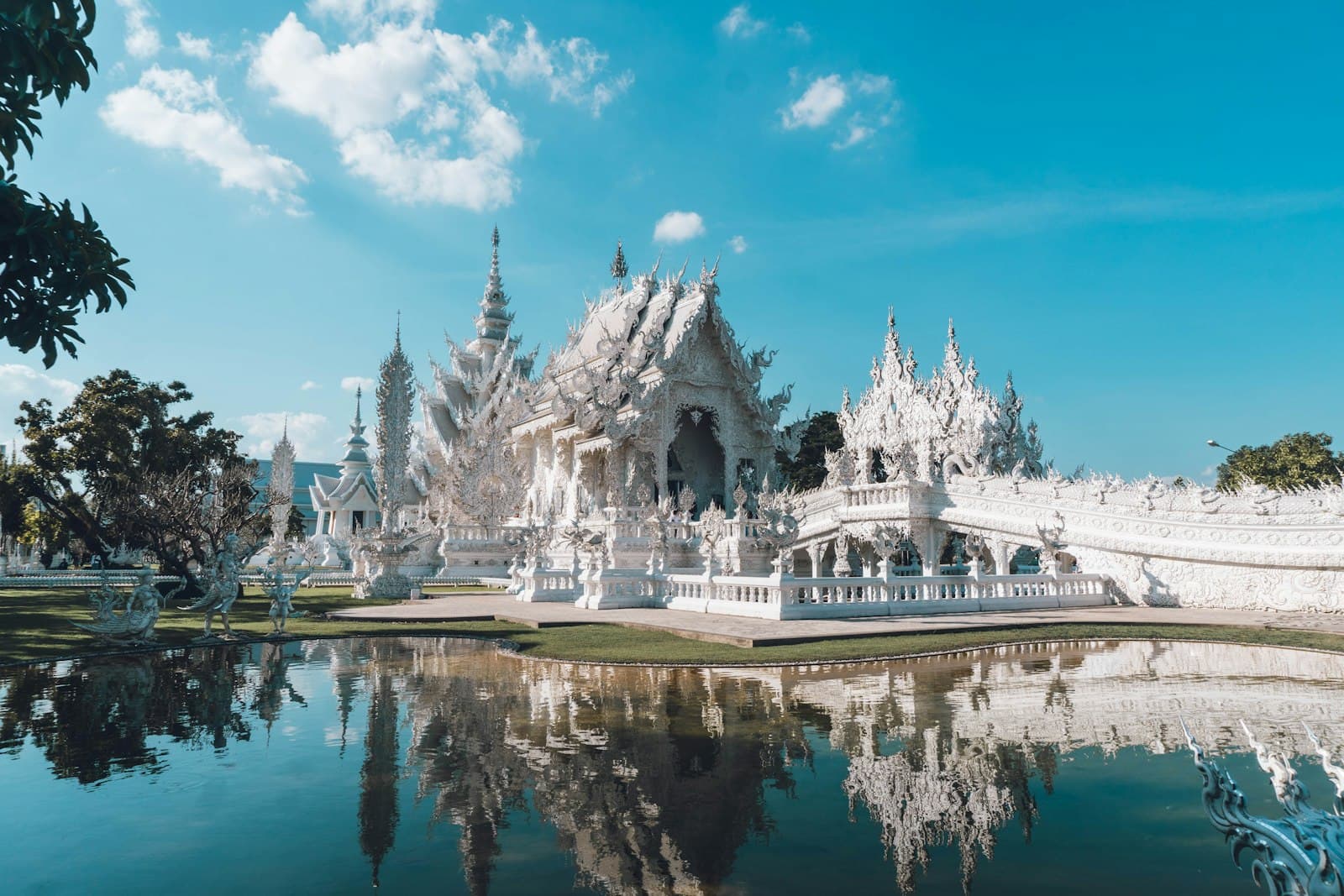
Il tuo tour audio autoguidato di Songkhla è pronto — scegli i tuoi punti di interesse, seleziona la tua lingua e inizia nel momento in cui arrivi.
AcquistaLume include una guida in realtà aumentata. Alza il telefono: la fotocamera mostra la strada davanti a te, con una freccia luminosa sovrapposta all'immagine reale che punta sempre verso la tua prossima tappa — nessuna mappa da decifrare, nessuna svolta sbagliata. Come tutto in Lume, funziona completamente offline.
Songkhla, una città nel sud della Thailandia, presenta una fusione avvincente di patrimonio, cultura e fascino costiero. Posizionata sulla penisola malese, confina in modo unico sia con il Golfo di Thailandia che con l'immenso Lago Songkhla, il più grande lago naturale della Thailandia. Questa geografia strategica ha plasmato la sua identità di importante porto commerciale e peschereccio per secoli, attirando diverse influenze dall'Asia e dall'Europa. Mentre Hat Yai è emersa come centro economico della regione, Songkhla conserva il suo carattere distintivo, attirando visitatori con il suo centro storico ben conservato, paesaggi artistici e spiagge tranquille.
L'atmosfera della città è spesso descritta come più culturale e meno apertamente orientata al turismo di massa rispetto ad alcune delle destinazioni più famose della Thailandia. Le sue vie percorribili rivelano una ricca miscela di tradizioni thailandesi, cinesi e malesi riflesse nella sua architettura e nei costumi locali. Dall'esplorazione di antiche fortificazioni all'ammirazione di murales contemporanei, Songkhla offre un'esperienza immersiva che risulta autentica e invitante.
L'area ora conosciuta come Songkhla possiede un passato lungo e stratificato, con prove archeologiche che suggeriscono che fosse un importante centro urbanizzato e un hub commerciale marittimo internazionale tra il X e il XIV secolo. Durante questo periodo, era conosciuta con nomi come Singgora o Singhapura, che significa 'Città del Leone', probabilmente riferendosi a una montagna vicina a forma di leone. La sua posizione strategica facilitava il commercio con terre lontane, tra cui Quanzhou in Cina.
All'inizio del XVII secolo, un mercante persiano di nome Dato Mogol fondò il Sultanato di Singora, che fiorì sotto suo figlio, il Sultano Sulaiman Shah. Questo sultanato era una città portuale pesantemente fortificata, impegnata nel commercio con varie nazioni, inclusa la Compagnia olandese delle Indie orientali. Tuttavia, dopo decenni di conflitti, Singora fu distrutta e abbandonata intorno al 1680.
L'attuale città di Songkhla fu fondata nel XVIII secolo sul lato opposto dello stretto, che collega il Mar Cinese Meridionale e il Lago Songkhla. Immigrati cinesi, in particolare da Guangdong e Fujian, iniziarono ad arrivare in numero considerevole durante il XVIII secolo, influenzando profondamente il paesaggio economico e culturale della città. Nel 1775, un influente mercante cinese, Luang Inthakhiri (Yiang Sae-Hao, noto anche come Wu Rang), divenne governatore, stabilendo la potente dinastia della famiglia Na Songkhla che governò la provincia per oltre un secolo. Questa famiglia svolse un ruolo cruciale nello sviluppo della città come importante porto.
Durante il regno di Re Rama III (1824-1851), furono costruite imponenti mura cittadine con dieci porte tra il 1836 e il 1846; alcuni resti sono ancora visibili oggi. Songkhla divenne la capitale di un Monthon (un grande distretto regionale) nel 1896, consolidando la sua importanza amministrativa nel sud della Thailandia. L'influenza della città come importante snodo dei trasporti, tuttavia, iniziò a diminuire negli anni '70 con l'ascesa di Hat Yai e la chiusura della sua linea ferroviaria e dell'aeroporto commerciale. Nonostante ciò, Songkhla ha vissuto una rivitalizzazione, in particolare nel suo centro storico, attraverso sforzi guidati dalla comunità incentrati sul turismo culturale e sulla conservazione dal 2009.
Songkhla occupa anche un posto significativo nella storia della Seconda Guerra Mondiale. L'8 dicembre 1941, l'esercito imperiale giapponese sbarcò a Songkhla come parte della loro invasione della Thailandia e della successiva avanzata in Malesia e Singapore. Questo evento, avvenuto ore prima dell'attacco a Pearl Harbor, segnò un momento critico nella Guerra del Pacifico. Oggi, la città abbraccia il suo passato multiforme, fondendo la sua narrativa storica con una vivace cultura contemporanea, inclusa una fiorente scena di street art emersa nel 2016.
Inizia la tua esplorazione nel centro storico di Songkhla, un quartiere affascinante caratterizzato dalla sua architettura sino-portoghese e da una deliziosa miscela di influenze thailandesi, cinesi e malesi. Passeggia per le sue tre strade storiche principali—Nakhon Nok, Nakhon Nai e Nang Ngam—per scoprire case a schiera splendidamente conservate, boutique hotel e un'impressionante collezione di street art. Questi murales, iniziati nel 2016, raffigurano spesso la vita e la storia locale, offrendo opportunità fotografiche uniche.
Una visita a Songkhla sarebbe incompleta senza una passeggiata lungo Spiaggia di Samila. Questo popolare tratto di sabbia bianca è noto per la sua iconica statua della Sirena d'Oro, un simbolo della città radicato nel folklore thailandese. Nelle vicinanze, troverai anche le coinvolgenti sculture del Gatto e del Topo, che fanno parte di una leggenda locale. Per ampie vedute della città, della laguna e del Golfo di Thailandia, sali sulla Collina di Tangkuan. Puoi raggiungere la cima tramite una scenografica scalinata sorvegliata da Naga o un ascensore funicolare, dove troverai un padiglione reale e uno stupa buddista.
Approfondisci il passato della regione al Museo Nazionale di Songkhla, ospitato nell'ex municipio, che espone la storia della città con mostre informative sia in inglese che in thailandese. Considera una gita in barca sul Lago Songkhla, il più grande lago naturale della Thailandia, per sperimentare il suo ecosistema unico e le comunità di pescatori. L'isola di Ko Yo, accessibile tramite il ponte Tinsulanonda, offre ristoranti di pesce fresco e siti culturali come templi e musei.
Songkhla gode di un clima tropicale, costantemente caldo e umido, con due distinte stagioni monsoniche. Il periodo ideale per visitare per attività balneari ed esplorazione culturale è durante la stagione più secca, da fine gennaio ad aprile, con febbraio spesso il meno caldo. Questa finestra offre abbondante sole e minori precipitazioni, rendendola confortevole per passeggiare per le strade del centro storico e godersi i mercati all'aperto. Le notti più fresche di dicembre e gennaio rendono anche questi mesi piacevoli per le visite turistiche. Le piogge più intense si verificano tipicamente da fine ottobre a novembre a causa del monsone di nord-est.
Muoversi a Songkhla è semplice ed economico. Le opzioni includono colorati tuk-tuk, taxi moto per spostamenti più rapidi e songtaew (taxi condivisi) per distanze più lunghe. Noleggiare una bicicletta è un modo piacevole per esplorare il centro storico e il lungomare al proprio ritmo. Se si prevede di avventurarsi nelle aree circostanti, sono disponibili noleggi auto, ma è bene essere consapevoli delle usanze di guida locali. Songkhla è generalmente considerata sicura per i turisti, ma le precauzioni standard come prestare attenzione ai propri effetti personali nelle aree affollate sono sempre consigliabili. Quando si visitano i templi, vestirsi in modo modesto, coprendo spalle e ginocchia, e ricordarsi di togliersi le scarpe prima di entrare nelle case e nei siti religiosi. Sebbene Songkhla possieda un suo fascino distintivo, è anche una comoda base per gite di un giorno nella vicina Hat Yai, una città commerciale più grande con servizi e attrazioni aggiuntive, situata a circa 30-45 minuti di distanza.
Songkhla — coreano, cinese, ebraico e altre 29 lingue, ogni tappa narrata da una voce madrelingua. La più ampia scelta di lingue tra i tour audio autoguidati.
Disponibile in: