Der Feuerturm
Dieser ikonische Turm, ein Symbol Soprons, hatte einst eine sehr spezifische und eher ungewöhnliche Aufgabe für seine Wachen.
Die ganze Geschichte wird in der Tour freigeschaltet
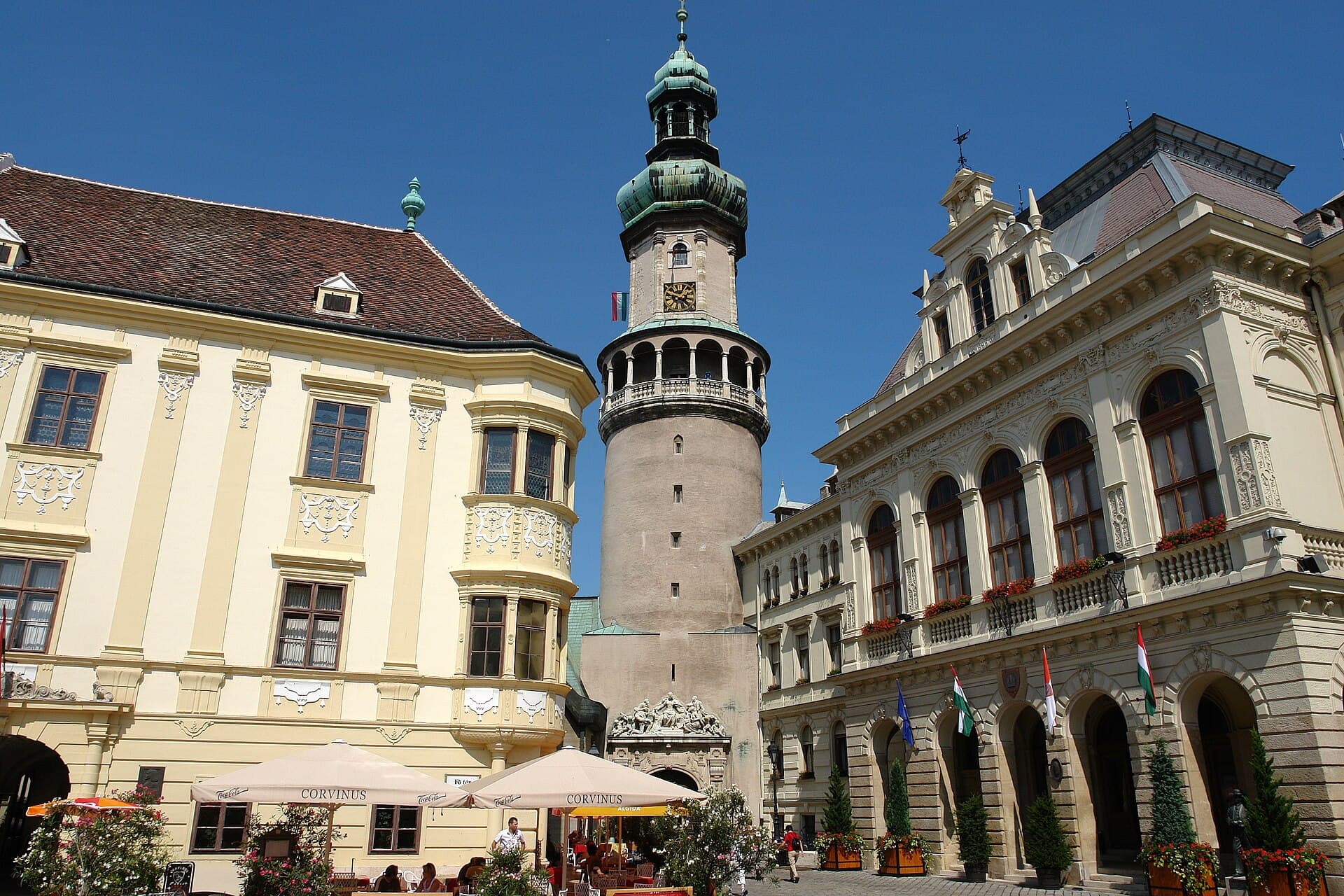 Thaler / CC BY-SA 3.0, via Wikimedia Commons
Selbstgeführte Audio-Walking-Tour durch Sopron — GPS-Route, Offline-Wiedergabe, erzählerische Narration in 32 Sprachen.
“Wo alte Loyalität durch Barockstraßen und Kékfrankos fließt.”
Nicht die Postkarten. Die Geschichten, die selbst Einheimische nicht kennen – dir ins Ohr geflüstert, genau dort, wo sie geschahen.
Dieser ikonische Turm, ein Symbol Soprons, hatte einst eine sehr spezifische und eher ungewöhnliche Aufgabe für seine Wachen.
Bevor er ein prächtiger öffentlicher Platz war, diente dieser prominente Ort in Sopron einem eher demütigenden Zweck.
Unter den Pflastersteinen des Soproner Hauptplatzes verbirgt sich ein Geheimnis aus dem Römischen Reich.
Entdecke jedes Geheimnis von Sopron
Jede Adresse, jede Enthüllung vollständig – in deinem Ohr, genau dort, wo es geschah.
Du wählst deine Stationen. Du gehst. Die Stimme enthüllt, was andere übersehen.

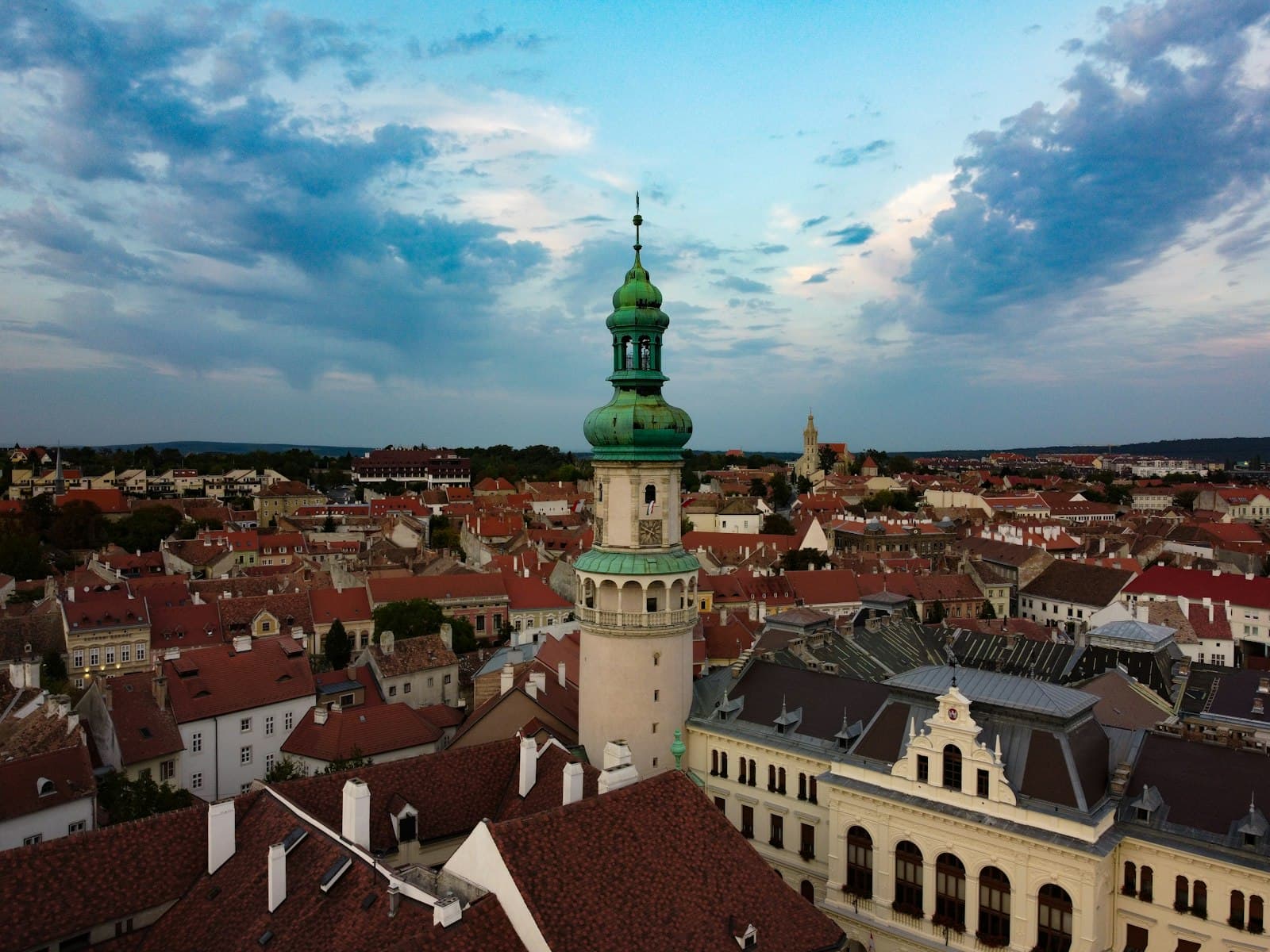
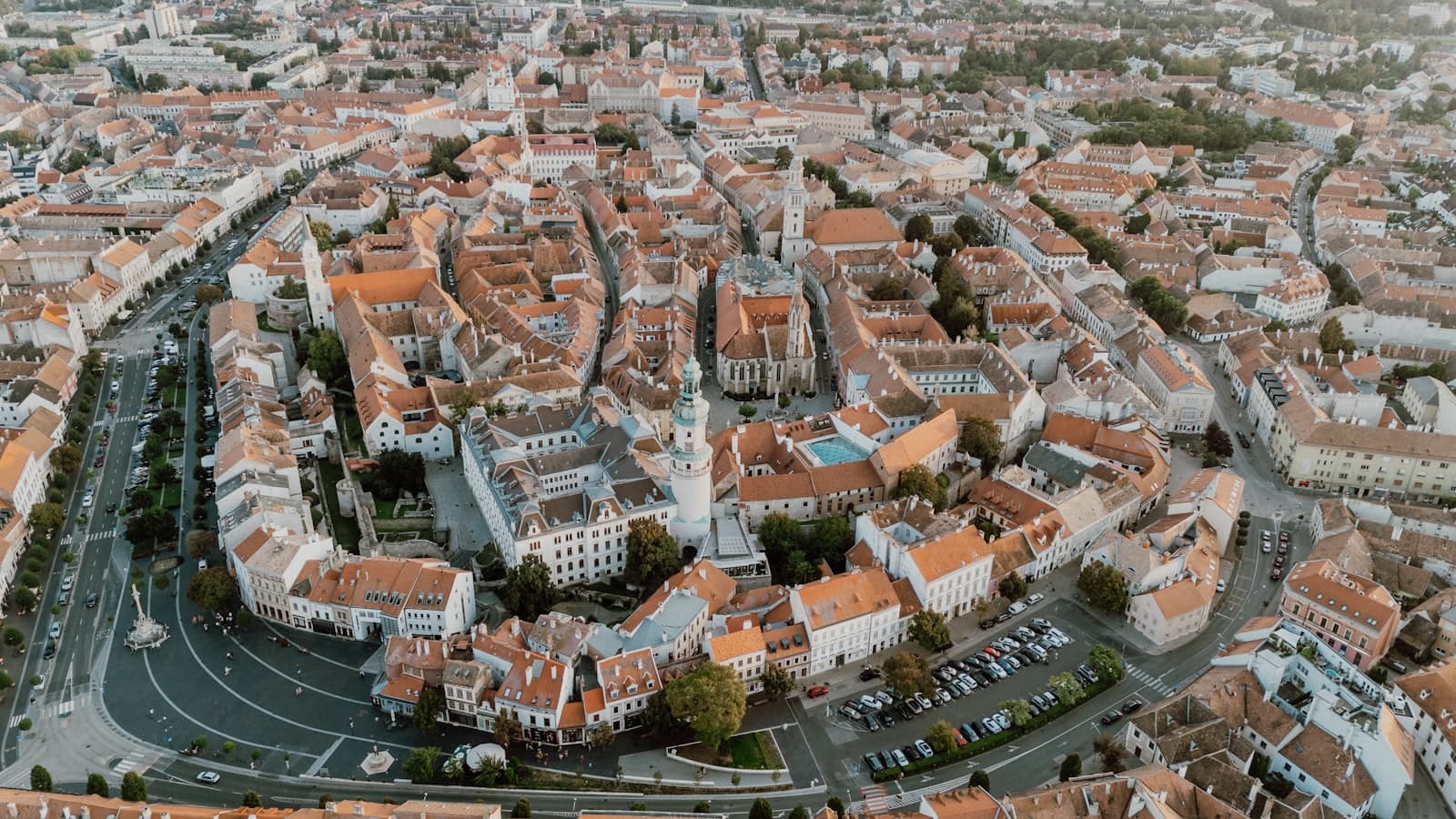
Deine selbstgeführte Audio-Tour durch Sopron ist bereit – wähle deine Sehenswürdigkeiten, deine Sprache und starte, sobald du ankommst.
KaufenLume enthält einen integrierten Augmented-Reality-Guide. Halten Sie Ihr Handy hoch: Die Kamera zeigt die Straße vor Ihnen, mit einem leuchtenden Pfeil über dem echten Bild, der immer auf Ihren nächsten Stopp zeigt — keine Karte zum Rätseln, keine falschen Abzweigungen. Wie alles bei Lume funktioniert es komplett offline.
Sopron, eine Stadt an Ungarns Westgrenze zu Österreich, ist ein Ort, an dem sich die Schichten der Geschichte an jeder Ecke zeigen. Oft als 'Civitas Fidelissima' – 'Die treueste Stadt' – bezeichnet, verdiente sich Sopron diesen Titel, nachdem seine Bürger 1921 in einem Referendum dafür stimmten, Teil Ungarns zu bleiben, und sich damit den territorialen Veränderungen nach dem Ersten Weltkrieg widersetzten. Diese beständige Loyalität ist in die Identität der Stadt eingewoben und spiegelt sich in Monumenten wie dem Loyalitätstor am Feuerturm wider.
Die einzigartige Lage der Stadt am Fuße der Alpen, kombiniert mit ihrer Nähe zum Neusiedler See (Fertő-tó), bietet eine Mischung aus kultureller Erkundung und natürlicher Schönheit. Soprons historisches Zentrum mit seinen Pflastersteinen und gut erhaltenen mittelalterlichen und barocken Architekturen lädt Besucher ein, zu wandern und seine vielen Geschichten zu entdecken.
## Von römischer Scarbantia zur königlichen Stadt Soprons Wurzeln reichen bis in die Vorgeschichte zurück, mit Siedlungsspuren aus der frühen Stein-, Kupfer- und Bronzezeit. In der Römerzeit gedieh eine Stadt namens Scarbantia am Kreuzungspunkt der Bernsteinstraße und einer Hauptstraße von Ost nach West, wobei sich das Forum auf dem heutigen Soproner Hauptplatz befand. Nach dem Römischen Reich verfiel Scarbantia und wurde während der Völkerwanderungszeit zu einer Stadt der Ruinen.
Nach der Ankunft der Ungarn entstand eine neue Siedlung. Zwischen dem 9. und 11. Jahrhundert wurden die alten römischen Stadtmauern verstärkt und eine Burg errichtet. Die Stadt erhielt ihren ungarischen Namen Sopron von einem Burggrafen namens Suprun. Bis 1153 war sie als wichtige Festung anerkannt. Im 13. Jahrhundert erhielt die Siedlung unterhalb der Festung Stadtrechte. Ein entscheidender Moment ereignete sich 1273, als König Ottokar II. von Böhmen die Burg besetzte. 1277 öffnete Sopron jedoch seine Tore für König László IV., der Sopron als Dank für seine Treue zur königlichen Freistadt erklärte und ihr besondere Rechte und Freiheiten gewährte.
## Überleben von Invasionen und Wiedergeburt Soprons strategische Lage bedeutete, dass es im Laufe seiner Geschichte zahlreichen Herausforderungen ausgesetzt war. 1529 wurde die Stadt von den Türken verwüstet, obwohl sie nie unter osmanische Herrschaft fiel. Viele Menschen, die aus besetzten Gebieten flohen, suchten Zuflucht in Sopron und trugen zu seiner wachsenden Bedeutung bei. Ein Großbrand im Jahr 1676 zerstörte einen Großteil der Stadt, was zu einem bedeutenden Wiederaufbau im Barockstil führte, der sein heutiges Erscheinungsbild maßgeblich prägt. In dieser Zeit entstanden viele der architektonischen Strukturen, die seine Straßen säumen, wie die Dreifaltigkeitssäule und die 'Ziegenkirche'.
## Die 'treueste Stadt' und der Eiserne Vorhang Das 20. Jahrhundert brachte neue Herausforderungen. Nach dem Ersten Weltkrieg wies der Vertrag von Saint-Germain Sopron zunächst Österreich zu. In einem Plebiszit von 1921 stimmten jedoch 65 % der Bürger von Sopron und acht umliegender Dörfer dafür, Teil Ungarns zu bleiben, anstatt zu Österreich zu gehören. Diese Treuehandlung brachte Sopron den Titel 'Civitas Fidelissima' – 'Die treueste Stadt' – ein, eine Entscheidung, die bis heute jährlich gefeiert wird. Trotz erheblicher industrieller Entwicklung nach dem Zweiten Weltkrieg gelang es Sopron, seinen barocken Charakter zu bewahren. Seine Lage im Schatten des Eisernen Vorhangs isolierte es jedoch bis in die 1970er Jahre sowohl von Österreich als auch von anderen ungarischen Regionen. Sopron spielte eine symbolische Rolle beim Fall des Kommunismus, da in der Nähe der Stadt 1989 das Paneuropäische Picknick stattfand, eine Veranstaltung, die über 600 DDR-Bürgern die Flucht in den Westen ermöglichte und zur Zerschlagung der Berliner Mauer beitrug.
Soprons historischer Kern ist ein Hort architektonischer Stile, von römischen Fundamenten bis zu barocken Fassaden. Beginnen Sie am Feuerturm (Tűztorony), dem bekanntesten Wahrzeichen der Stadt, dessen untere Teile aus dem 13. Jahrhundert stammen. Erklimmen Sie seine 200 Stufen für einen weiten Blick über die Stadt, den Neusiedler See und das benachbarte Österreich. Darunter erinnert das Loyalitätstor an das Referendum von 1921. Der Hauptplatz (Fő tér) ist von eleganten Gebäuden umgeben, darunter die barocke Dreifaltigkeitssäule von 1701, das eklektische Rathaus von 1895 und historische Häuser wie das Storno-Haus.
Erkunden Sie die Templom utca (Kirchenstraße), Heimat der Ziegenkirche, einer alten Kirche, die erstmals 1280 erwähnt wurde und Krönungen und Parlamentssitzungen beherbergte. In der Nähe befindet sich die Benediktinerkirche zur Heiligen Maria, Soprons älteste Kirche mit Fresken und Lanzettfenstern. Entdecken Sie die Alte Synagoge aus dem 13. Jahrhundert und eine Synagoge aus dem 14. Jahrhundert in der Új utca, die Einblicke in das jüdische Erbe der Stadt bieten. Verpassen Sie nicht das Fabricius-Haus, das ein Museum beherbergt, und das Apothekenmuseum. Außerhalb der Altstadt lädt die Stadtmauerpromenade zu einem Spaziergang entlang mittelalterlicher Befestigungsanlagen ein, die auf römischen Ruinen errichtet wurden. Für ein einzigartiges Erlebnis sollten Sie Schloss Taródi besuchen, eine skurrile, privat erbaute Festung im Lővérek-Wald.
Die beste Zeit für einen Besuch in Sopron für Aktivitäten bei warmem Wetter ist von Mitte Juni bis Anfang September, wenn die Temperaturen angenehm sind und der Himmel klarer ist. Der Frühling (April bis Mai) bietet mildes Wetter, blühende Landschaften und weniger Menschenmassen, ideal für Stadtspaziergänge und Naturpfade. Der Herbst (September bis Oktober) bringt angenehme Temperaturen und fällt mit der Weinlese zusammen, was ihn perfekt für Weinliebhaber macht. Während der Sommer (Juni bis August) die Hauptsaison mit lebhaften Festivals ist, kann er auch höhere Preise und mehr Besucher bedeuten.
Sopron hat keinen eigenen Flughafen; der nächstgelegene ist der Flughafen Wien-Schwechat (VIE), etwa 60 km entfernt. Züge von Wien nach Sopron brauchen ungefähr eine Stunde, während Direktzüge von Budapest 2,5 bis 3 Stunden dauern. In Sopron ist das Stadtzentrum leicht zu Fuß zu erkunden. Es gibt öffentliche Busse, deren Fahrkarten und Pässe im Voraus oder beim Fahrer gekauft werden können. Viele Besucher nutzen auch Fahrräder, um sich fortzubewegen und die meisten Orte in 10-15 Minuten zu erreichen.
Die lokale Währung ist der ungarische Forint (HUF). Obwohl Kreditkarten weit verbreitet sind, ist es nützlich, etwas Bargeld für kleinere Einkäufe dabei zu haben. Trinkgeld von 10-15 % in Restaurants ist üblich, wenn die Bedienung nicht bereits enthalten ist. Soprons Nähe zur österreichischen Grenze bedeutet, dass die Lebenshaltungskosten, insbesondere für Mietunterkünfte, höher sein können als in anderen ungarischen Städten ähnlicher Größe.
Sopron — Koreanisch, Chinesisch, Hebräisch und 29 weitere Sprachen, jede Station von einer muttersprachlichen Stimme erzählt. Die größte Sprachauswahl aller selbstgeführten Audiotouren.
Verfügbar auf: