Plaza Mayor
Osserva attentamente la statua del poeta e potresti notare un dettaglio curioso sul suo abbigliamento.
La storia completa si sblocca nel tour
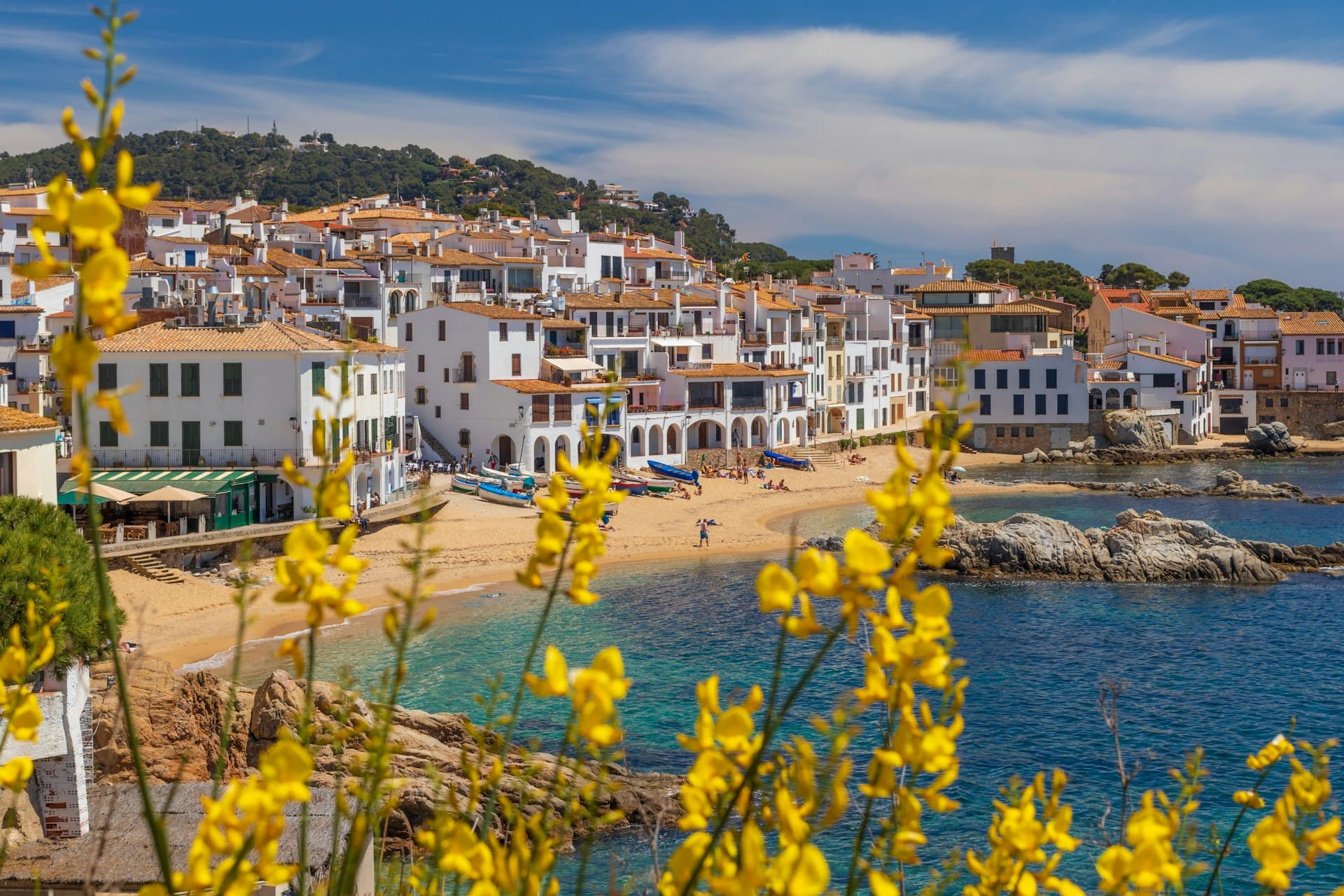 Photo: Susan Flynn / Unsplash
Tour audio autoguidato di Soria — percorso GPS a piedi, riproduzione offline, narrazione coinvolgente in 32 lingue.
“Dove gli echi castigliani incontrano i sussurri romani.”
Non le cartoline. Le storie che nemmeno i locali conoscono — sussurrate nel tuo orecchio, proprio dove sono accadute.
Osserva attentamente la statua del poeta e potresti notare un dettaglio curioso sul suo abbigliamento.
Gli archi qui raccontano una storia di ambizione architettonica non del tutto completata.
Un edificio particolare in questa strada storica custodisce un segreto sul suo scopo originale, molto più grandioso di quanto suggerisca la sua attuale facciata.
Scopri ogni segreto di Soria
Ogni indirizzo, ogni rivelazione completa — nel tuo orecchio, proprio dove è accaduta.
Scegli le tue tappe. Cammini. La voce rivela ciò che gli altri perdono.


Il tuo tour audio autoguidato di Soria è pronto — scegli i tuoi punti di interesse, seleziona la tua lingua e inizia nel momento in cui arrivi.
AcquistaLume include una guida in realtà aumentata. Alza il telefono: la fotocamera mostra la strada davanti a te, con una freccia luminosa sovrapposta all'immagine reale che punta sempre verso la tua prossima tappa — nessuna mappa da decifrare, nessuna svolta sbagliata. Come tutto in Lume, funziona completamente offline.
Soria, una città spesso trascurata nel cuore della regione spagnola di Castilla y León, offre un profondo senso di storia e una bellezza tranquilla che premia il viaggiatore curioso. Situata sulle rive del fiume Duero, è un luogo dove l'architettura romanica si erge in armonia con il paesaggio naturale e dove lo spirito della poesia castigliana sembra sempre presente. Questa è una città che ti invita a rallentare, a passeggiare per le sue antiche strade e a scoprire gli strati del suo passato, dagli insediamenti celtiberici alle fortezze medievali.
Oltre ai suoi monumenti storici, Soria possiede un carattere distintivo plasmato dalla sua posizione in alta quota e dal suo legame con la provincia circostante di Soria. La città funge da porta d'accesso a suggestivi parchi naturali e a una scena culinaria profondamente radicata nei prodotti locali, in particolare i suoi rinomati funghi e selvaggina. È una destinazione per coloro che apprezzano l'autenticità, cercando un'esperienza che trascenda il tipico percorso turistico e si addentri nell'anima della vecchia Spagna.
## Dalle Radici Celtiberiche alla Corona Castigliana Le origini di Soria risalgono all'epoca celtiberica, con il vicino sito archeologico di Numancia che testimonia la fiera resistenza dei suoi abitanti contro la conquista romana nel II secolo a.C. Questa antica città, simbolo della sfida iberica, ha profondamente plasmato l'identità della regione. Dopo il periodo romano, Soria conobbe il dominio visigoto e poi quello moresco, sebbene la sua importanza strategica fiorisse veramente durante la Reconquista.
Nel XII secolo, Alfonso I d'Aragona concesse a Soria la sua prima carta, e divenne rapidamente una città di frontiera vitale nel Regno di Castiglia. La sua posizione sul fiume Duero e la sua vicinanza a importanti rotte commerciali contribuirono alla sua crescita e prosperità. Le mura medievali della città, sebbene oggi in gran parte frammentate, un tempo cingevano una fiorente comunità di nobili, mercanti e artigiani. Molte delle chiese romaniche più significative della città, come Santo Domingo e San Juan de Rabanera, risalgono a questo periodo, mostrando la perizia architettonica e il fervore religioso dell'epoca.
Il tardo Medioevo e l'inizio dell'età moderna videro Soria continuare a svolgere un ruolo negli affari castigliani, sebbene la sua importanza diminuisse rispetto ad altre grandi città. Nonostante ciò, la città mantenne il suo carattere nobiliare, con diverse famiglie aristocratiche che mantennero palazzi all'interno delle sue mura. Il XIX e il XX secolo portarono le proprie trasformazioni, ma Soria ha in gran parte preservato il suo nucleo storico, offrendo un legame tangibile con il suo passato stratificato.
## Echi Letterari Soria occupa un posto speciale nella letteratura spagnola, in particolare per la sua associazione con il poeta Antonio Machado. Visse e insegnò a Soria all'inizio del XX secolo, e la città e i suoi paesaggi circostanti influenzarono profondamente la sua opera, in particolare la sua raccolta 'Campos de Castilla' (Campi di Castiglia). I versi toccanti di Machado catturarono la bellezza austera delle pianure castigliane, lo stoicismo della sua gente e il fascino malinconico di Soria stessa. La sua presenza ha lasciato un segno indelebile, e i visitatori possono ripercorrere i suoi passi attraverso la città, dall'istituto dove insegnava ai luoghi che ispirarono la sua poesia. Questo legame letterario aggiunge un ulteriore livello di profondità all'atmosfera già evocativa di Soria, invitando alla contemplazione e a un maggiore apprezzamento del suo spirito unico.
Inizia la tua esplorazione nella Plaza Mayor, un'affascinante piazza principale fiancheggiata dal Municipio rinascimentale. Da qui, passeggia fino alla Co-cattedrale di San Pedro, una magnifica struttura romanica e gotica con un imponente chiostro. Non perderti la Chiesa di Santo Domingo, rinomata per la sua ricca facciata romanica scolpita. Una breve passeggiata lungo il fiume Duero conduce alle suggestive rovine del Monastero di San Juan de Duero, celebrato per il suo unico chiostro ad arcate che presenta un mix di stili romanico, moresco e gotico.
Sali al Castello di Soria per godere di ampie vedute della città e della valle del Duero. Sebbene in gran parte rovina, il sito offre un potente senso di storia. Per arte e archeologia, il Museo Numantino ospita reperti dell'antica città celtiberica di Numancia e di altri siti regionali. Infine, immergiti nella bellezza naturale dell'Alameda de Cervantes, un grande parco urbano perfetto per una passeggiata rilassante.
I periodi migliori per visitare Soria sono la primavera (da aprile a giugno) e l'autunno (da settembre a ottobre). Durante questi mesi, il clima è piacevolmente mite, ideale per esplorare a piedi, e i paesaggi naturali circostanti la città sono particolarmente belli, sia in fiore che adornati dai colori autunnali. Le estati possono essere calde e gli inverni spesso freddi con neve, anche se la città ha un fascino unico sotto una coltre bianca.
Soria è facilmente raggiungibile in autobus dalle principali città spagnole come Madrid e Saragozza. Una volta in città, la maggior parte delle attrazioni principali sono raggiungibili a piedi l'una dall'altra. Il trasporto pubblico all'interno di Soria è limitato ma generalmente non necessario per esplorare il centro storico. Le opzioni di alloggio vanno da affascinanti boutique hotel a pensioni più economiche. Cenare a Soria offre un assaggio autentico della cucina castigliana, con specialità locali che spesso includono selvaggina, funghi e arrosti tradizionali. La cultura delle tapas è vivace; cerca 'migas' o 'torreznos'.
Soria — coreano, cinese, ebraico e altre 29 lingue, ogni tappa narrata da una voce madrelingua. La più ampia scelta di lingue tra i tour audio autoguidati.
Disponibile in: