Just beyond Sorrento's bustling Piazza Tasso lies a dramatic, overgrown chasm that most visitors walk right past.
Photo: Nick Fewings / UnsplashSorrento
“Where the scent of lemons meets the whisper of ancient legends.”
Sorrento, as no one tells it.
Not the postcards. The stories even locals don't know — whispered in your ear, right where they happened.
Beyond the main marinas, a secluded natural swimming hole offers clear waters and a touch of ancient Roman luxury.
The historic center's winding alleys are not merely charming; their design reveals a clever ancient secret for mitigating the Mediterranean sun.
Discover every secret of Sorrento
Every address, every reveal in full — in your ear, right where it happened.
You pick your stops. You walk. The voice reveals what the others miss.
How long do you have in Sorrento?
No tours available yet. Check back soon — we're preparing them.
The story of Sorrento
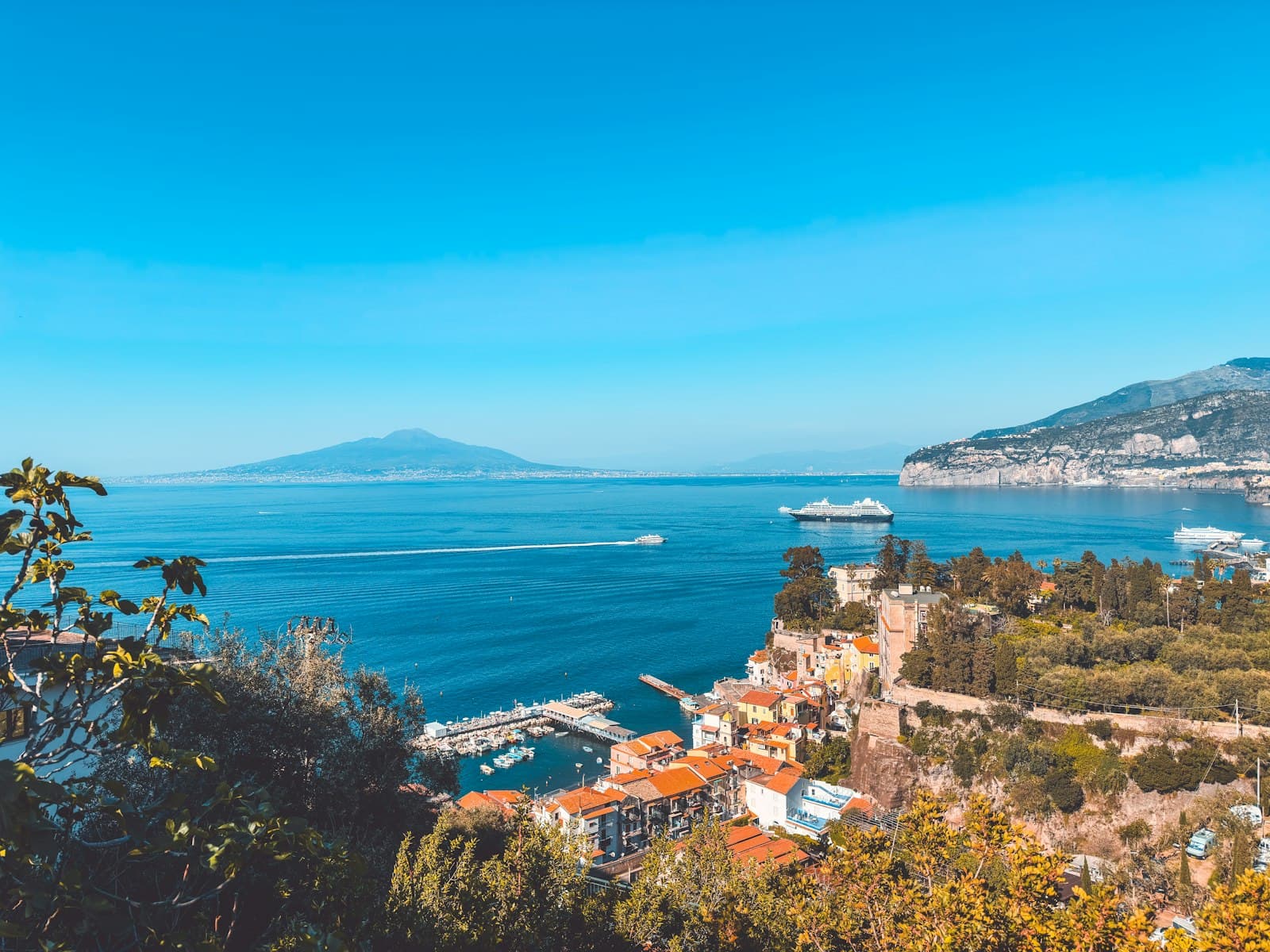
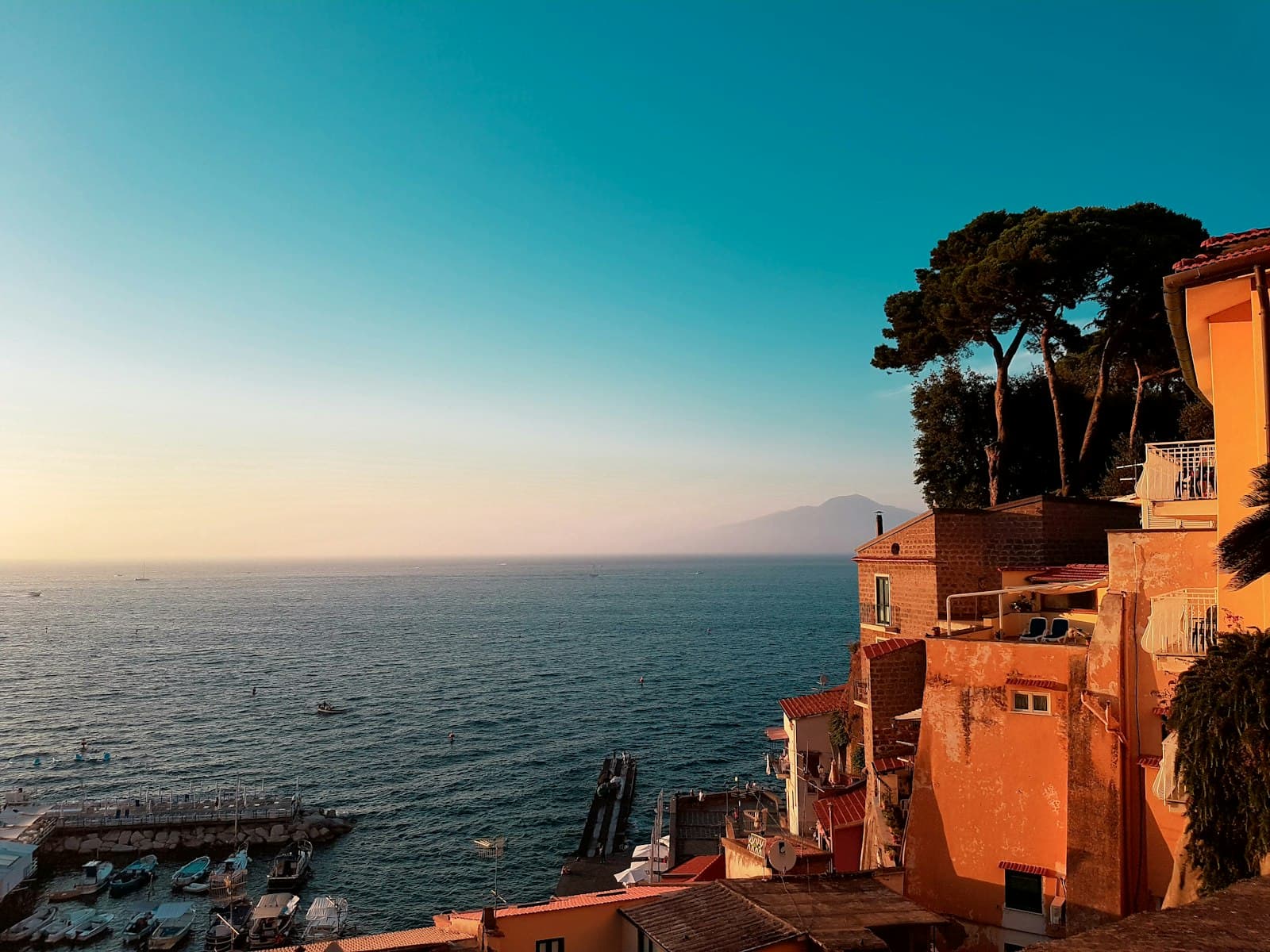
Sorrento, a captivating coastal town in Southern Italy, gazes out over the Bay of Naples, offering expansive views of Mount Vesuvius and the island of Capri. It occupies a position on the Sorrentine Peninsula, a dramatic landscape where volcanic cliffs descend into the Tyrrhenian Sea. This advantageous location has long made Sorrento a sought-after destination, drawing visitors for centuries with its unique combination of natural beauty, historical depth, and engaging local culture.
The town itself strikes a balance between a lively atmosphere and a relaxed pace. Wander through its historic center, a labyrinth of slender streets filled with artisan shops, or savor the pervasive scent of lemon groves. Sorrento is not merely a picturesque stop; it serves as an excellent starting point for exploring the wider Campania region, with convenient access to iconic sites like Pompeii and the Amalfi Coast.
From Ancient Origins to Modern Resort
Sorrento's story stretches back millennia, with its origins likely Greek. The earliest ruins uncovered date to around 600 BC, and the town's name, 'Sorrento,' is thought to derive from the Sirens of Greek mythology, who were said to entice sailors in these very waters. According to Greek historian Diodorus Siculus, Sorrento was established by Liparus, son of Ausonus, king of the Ausoni, a tribe connected to Ulysses and Circe. The ancient city, then known as Surrentum, bore the influence of Greek civilization, evident in its architecture and the presence of a sanctuary dedicated to Athena.
By the Roman age, Sorrento had become a favored retreat, with Romans constructing grand villas along its coast for summer leisure. The old town still retains narrow streets from its Roman colonial period, which established it as an important trading post in the Middle Ages. After the fall of the Western Roman Empire, Sorrento experienced a period of flux, passing under the control of the Ostrogoths and then the Eastern Byzantine Empire. It later became an autonomous duchy in the 9th century, before being acquired by Guaimar IV of Salerno in 1035 and eventually incorporated into the Norman Kingdom of Sicily in 1137.
The 16th century saw Sorrento facing frequent incursions from pirates, prompting the construction of robust walls and towers for defense, many of which still stand today. In 1861, Sorrento was officially annexed to the newly formed Kingdom of Italy. From this point onward, its status as a renowned tourist destination grew, attracting notable visitors such as Charles Dickens, Johann Wolfgang von Goethe, Wilhelm Richard Wagner, and Henrik Ibsen. This legacy of welcoming travelers continues, with Sorrento remaining a popular and accessible center for exploring the beauty of Southern Italy.
Begin your exploration in Piazza Tasso, Sorrento's main square, an ideal spot for an aperitivo and observing daily life. From here, delve into the Historic Center, a maze of narrow, stone-paved streets lined with artisan workshops offering local ceramics, lacework, and the well-known limoncello. Be sure to experience the Cloister of San Francesco, a tranquil 14th-century Franciscan monastery featuring a beautiful courtyard.
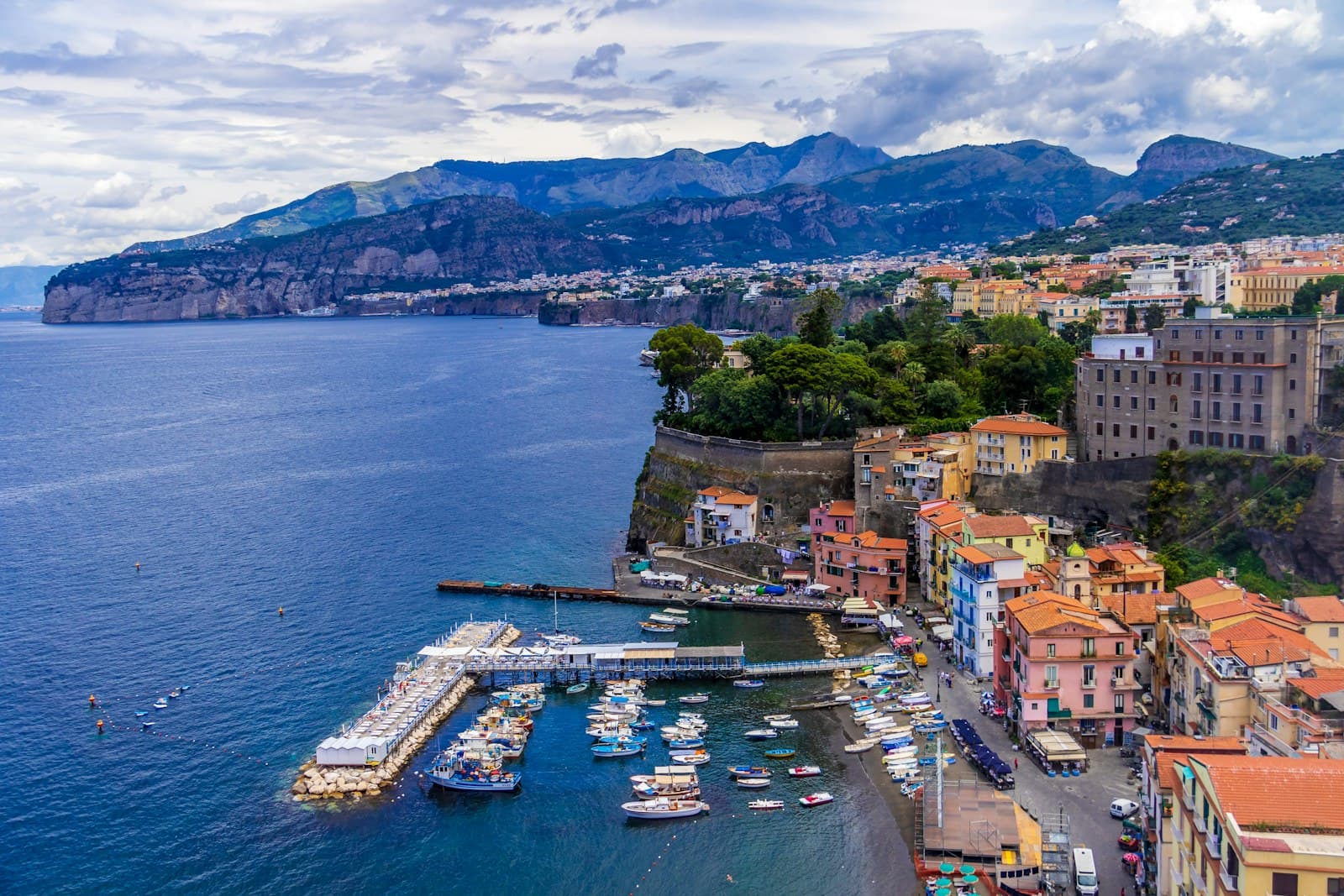
For sweeping views of the Bay of Naples and Mount Vesuvius, proceed to Villa Comunale Park. An elevator or stairs from this vantage point can lead you down to the waterfront. Explore Marina Grande, a charming fishing village with brightly colored houses and seafood restaurants, offering a more serene atmosphere. For a distinctive swimming experience, venture to Bagni della Regina Giovanna, a natural cove with clear green waters and Roman villa ruins.
Consider visiting the Museo Correale di Terranova for a collection of Campanian decorative art, medieval sculpture, and paintings. And for a glimpse into a distinctive natural wonder, seek out the Vallone dei Mulini (Valley of the Mills), a deep, foliage-covered gorge behind Piazza Tasso revealing ancient mill ruins.
The most favorable time to visit Sorrento is generally between April and October. During late spring (April to June) and early autumn (September to October), temperatures are pleasant, ranging from 15°C to 27°C (59°F to 81°F), making it ideal for walking and enjoying outdoor activities. The air is fragrant with blooming flowers and lemon trees. While summer (July and August) offers warm, sunny weather perfect for swimming, it is also the busiest tourist season, which means larger crowds and higher prices. Sorrento remains a popular destination throughout the year, with some shops and cafes open even in the quieter winter months.
Sorrento is a city easily traversed on foot, particularly its historic center, making it simple to explore. The closest airport is Naples Capodichino Airport (NAP), with direct shuttle buses connecting to Sorrento in about an hour. The Circumvesuviana train line also offers an affordable, though sometimes crowded, connection from Naples to Sorrento. Ferries and hydrofoils provide scenic transportation to nearby destinations like Capri, Positano, Amalfi, and Naples.
While a car is not necessary for navigating Sorrento itself, and parking can be difficult, renting one is an option for exploring the wider Amalfi Coast. However, be prepared for narrow, winding roads. Many restaurants cater to tourists, so seek out establishments frequented by local patrons for a more authentic dining experience. Tap water in Sorrento is generally safe to drink.
- Is Sorrento a good base for exploring the Amalfi Coast?
- Yes, Sorrento is an excellent base due to its convenient transportation links via ferry, bus, and train, making day trips to places like Positano, Amalfi, Capri, and Pompeii easily accessible.
- Can you swim in the sea in Sorrento?
- Yes, you can swim in the sea in Sorrento. The town has small beaches and bathing platforms at Marina Grande and Marina Piccola, as well as the distinctive natural swimming hole at Bagni della Regina Giovanna.
- What is Sorrento most famous for?
- Sorrento is known for its dramatic coastal views, fragrant lemon groves, the production of limoncello liqueur, its charming old town with narrow streets, and its position as a gateway to the Amalfi Coast and other historical sites.
- How many days do you need in Sorrento?
- Most visitors find that three to four days in Sorrento, including day trips to nearby attractions like Capri or Pompeii, allows enough time to explore the town and its surroundings thoroughly.
- Is Sorrento a walkable city?
- Yes, Sorrento is a very walkable city, especially its historic center, which is best explored on foot. The main attractions are concentrated around Piazza Tasso and are easily reached by walking.
- What is the best way to get to Sorrento from Naples?
- From Naples, you can take a direct airport shuttle bus (Curreri bus) from Capodichino Airport, the local Circumvesuviana train from Piazza Garibaldi station, or a ferry from Beverello pier to Sorrento.