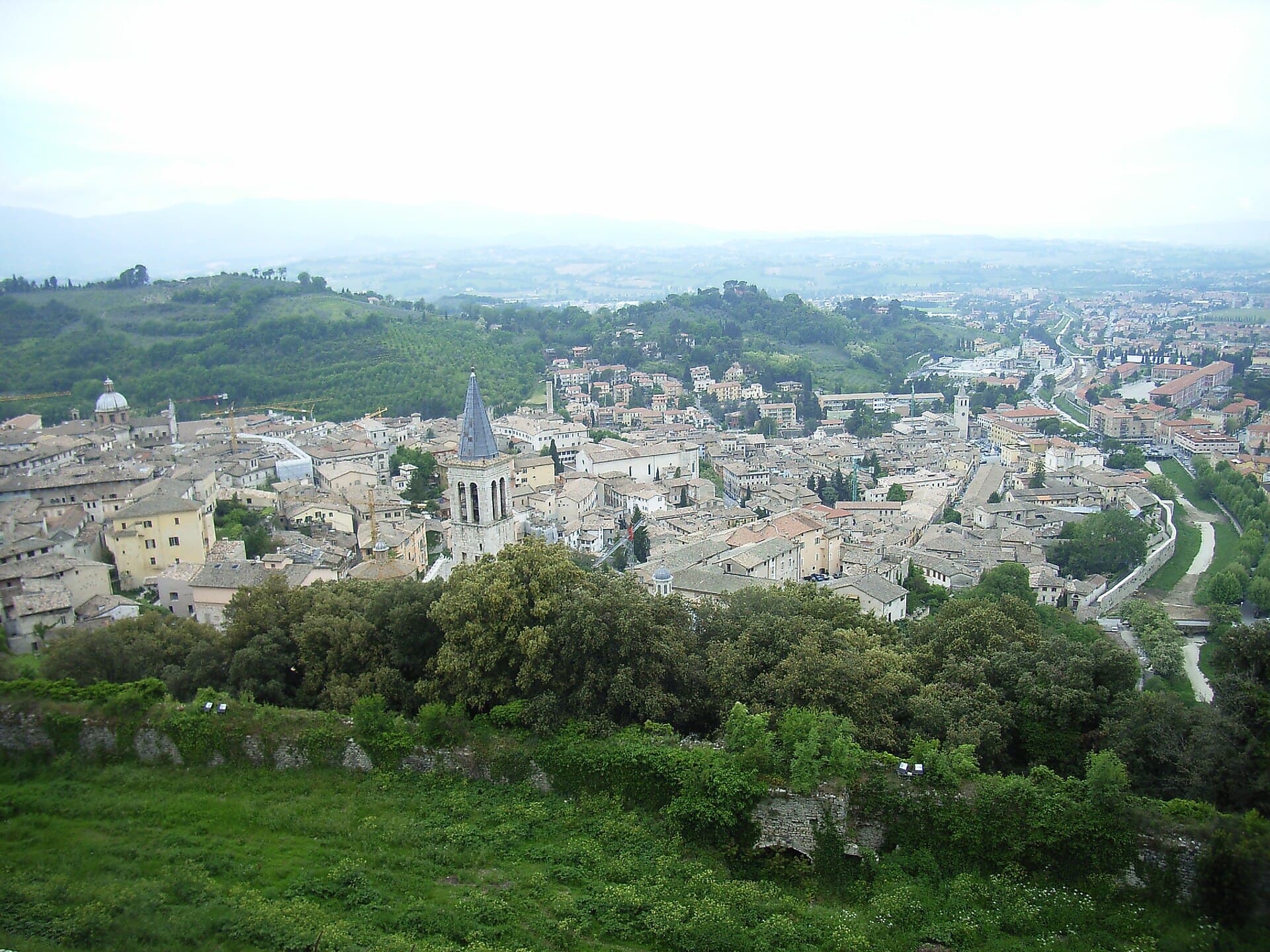
Дуомо ди Сполето
Гробница известного художника эпохи Возрождения находится в Дуомо Сполето, но его останки могут быть не там, где вы ожидаете.
Полная история открывается в туре
 Torsten Henning / Public domain, via Wikimedia Commons
Самостоятельная аудиопрогулка по Сполето — GPS-маршрут, офлайн-воспроизведение, увлекательное повествование на 32 языках.
“Где древние римские отголоски встречаются со средневековой грацией в сердце Умбрии.”
Не открытки. Истории, которые не знают даже местные жители — шепотом в вашем ухе, прямо там, где они произошли.
Гробница известного художника эпохи Возрождения находится в Дуомо Сполето, но его останки могут быть не там, где вы ожидаете.
Этот возвышающийся средневековый мост, некогда бывший акведуком, хранит удивительную тайну в своих массивных опорах.
Под современными улицами Сполето скрывается римский дом, предположительно связанный с личностью имперского значения.
Откройте для себя каждый секрет Сполето
Каждый адрес, каждое полное раскрытие — в вашем ухе, прямо там, где это произошло.
Вы выбираете остановки. Вы гуляете. Голос раскрывает то, что упускают другие.


Ваш самостоятельный аудиотур по Сполето готов — выберите свои достопримечательности, выберите свой язык и начните в момент прибытия.
КупитьВ Lume встроен гид дополненной реальности. Поднимите телефон: камера показывает улицу перед вами, а поверх реального изображения светится стрелка, всегда указывающая на вашу следующую остановку — не нужно разбираться с картой и сворачивать не туда. Как и всё в Lume, это работает полностью офлайн.
Сполето, древний город в восточно-центральной Умбрии, предлагает захватывающее сочетание римской и средневековой истории. Расположенный у подножия Апеннин, он занимает ключевое положение в начале широкой долины. Город очаровывает своим вневременным характером, сочетая искусство, музыку, духовность и природу. Сполето известен своим римским театром, Дуомо с фресками Филиппо Липпи, крепостью Рокка Альборноз и акведуком Понте-делле-Торри.
Часто описываемый как один из самых атмосферных исторических городов Умбрии, Сполето представляет слои истории каждого периода прошлого Италии. Его компактный исторический центр приглашает к исследованию, с ухоженными средневековыми улицами и древней атмосферой. Город также служит культурным центром, принимая знаменитый Фестиваль двух миров (Festival dei Due Mondi), международное событие искусства, музыки и развлечений.
Истоки Сполето восходят к умбрам в 10 веке до н.э., позже попав под этрусское влияние в 7 веке до н.э. Он стал римской колонией в 241 г. до н.э. под названием Сполетиум. Его стратегическое расположение на восточной ветви Виа Фламиния, важной римской артерии, способствовало его значению. Сполето знаменито тем, что отбил нападение Ганнибала в 217 г. до н.э., став полезным союзником Рима во время Второй Пунической войны.
Город пережил трудности во время Готских войн в 5 веке, с варварскими нашествиями и частичным разрушением его укреплений. Однако его возвышенное положение сделало его важной крепостью. В 576 году, под властью лангобардов, Сполето стал резиденцией Герцогства Сполето, контролировавшего значительную часть центральной Италии. Герцоги Сполето сохраняли определенную степень автономии благодаря своей близости к Папским государствам.
В 1155 году Сполето был разрушен руками Фридриха Барбароссы. К 1213 году он был окончательно занят папой Григорием IX, а в 1354 году кардинал Альборноз восстановил папскую власть, построив массивную крепость Рокка Альборнозиана между 1355 и 1364 годами. После недолгого периода как столица французского департамента Тразимен при Наполеоне, Сполето вернулся в Папские государства в 1814 году. В 1860 году, после значительного сопротивления, Сполето стал частью новообразованного Королевства Италия.
Сполето предлагает путешествие сквозь тысячелетия истории. Начните с Дуомо ди Сполето (Кафедральный собор Санта-Мария-Ассунта), шедевра умбрийского романского стиля 12 века с знаменитой фреской Филиппо Липпи и мозаичным полом в стиле Космати. Сама Пьяцца дель Дуомо является примечательной достопримечательностью.
Поднимитесь к Рокка Альборнозиана, крепости 14 века, которая возвышается над городом и предлагает панорамные виды. Отсюда пройдите по Понте-делле-Торри, средневековому акведуку и мосту длиной 236 метров и высотой 80 метров, соединяющему Рокку с Монтелуко. Его девять арок создают впечатляющий вид.
Исследуйте Римский театр и Археологический музей, хорошо сохранившиеся остатки древнеримского театра с прилегающим музеем, демонстрирующим артефакты из археологической истории региона. Музей расположен в бывшем монастыре Сант-Агата. Откройте для себя Каса Романа, римский домус 1 века н.э. с мозаиками и фресками, который, как полагают, принадлежал матери императора Веспасиана. Другие римские остатки включают Арко ди Друзо, римскую арку 1 века, и Понте Сангуинарио, римский мост 1 века до н.э.
Прогуляйтесь по Пьяцца дель Меркато, сердцу исторического центра Сполето, где вы найдете Фонтан Пьяцца дель Меркато с часами и памятником семье Барберини. Для уникального опыта воспользуйтесь системой эскалаторов города, которая перенесет вас через разные уровни города, к крепости.
Для приятной погоды и меньшего количества туристов идеальным временем для посещения Сполето являются весна (март–июнь) и осень (сентябрь–ноябрь). Май и сентябрь предлагают теплые солнечные дни без летней жары, что делает их идеальными для активного отдыха, такого как велосипедные прогулки и пешие походы. Октябрь приносит умеренно прохладную и ветреную погоду с температурой от 9 до 20°C (49–68°F), и это отличное время для изучения исторических мест, посещения дегустаций вин или наблюдения за сбором оливок.
Если вас интересует Фестиваль двух миров, планируйте свой визит на конец июня — середину июля, когда город оживает музыкальными, театральными и танцевальными представлениями. Хотя август является пиковым туристическим сезоном с жаркими днями, в Сполето обычно меньше туристов, чем в тосканских городах. Зимой (ноябрь-февраль) туристов меньше, но памятники города остаются открытыми, а культура умбрийской еды и вина продолжает развиваться.
До Сполето можно добраться как на машине, так и на поезде. Из Рима поездка на поезде обычно занимает менее полутора часов. Если вы едете на машине, воспользуйтесь автострадой A1 и съезжайте в Орте, затем следуйте по SS3 Фламиния в сторону Сполето. Хотя аренда автомобиля рекомендуется для изучения более широкого региона Умбрии, сам Сполето очень удобен для пеших прогулок после прибытия.
Исторический центр имеет зоны с ограниченным движением (ZTL); посетители должны парковаться за пределами этих зон и использовать систему эскалаторов и лифтов города для навигации по верхним участкам. Эти эскалаторы являются уникальной особенностью, с пятью основными остановками, ведущими к таким районам, как театр, Пьяцца Меркато и Пьяцца Капелло недалеко от крепости. Эскалаторы обычно работают с 6 утра до 2 ночи. Сполето предлагает различные варианты размещения, от отелей до небольших семейных пансионов.
Сполето: корейский, китайский, иврит и ещё 29 языков — каждую остановку озвучивает носитель языка. Самый широкий выбор языков среди аудиоэкскурсий без гида.
Доступные языки: