The bluestones within the circle
These are not merely rocks; some of them possess an unexpected acoustic quality.
Full story unlocks in the tour
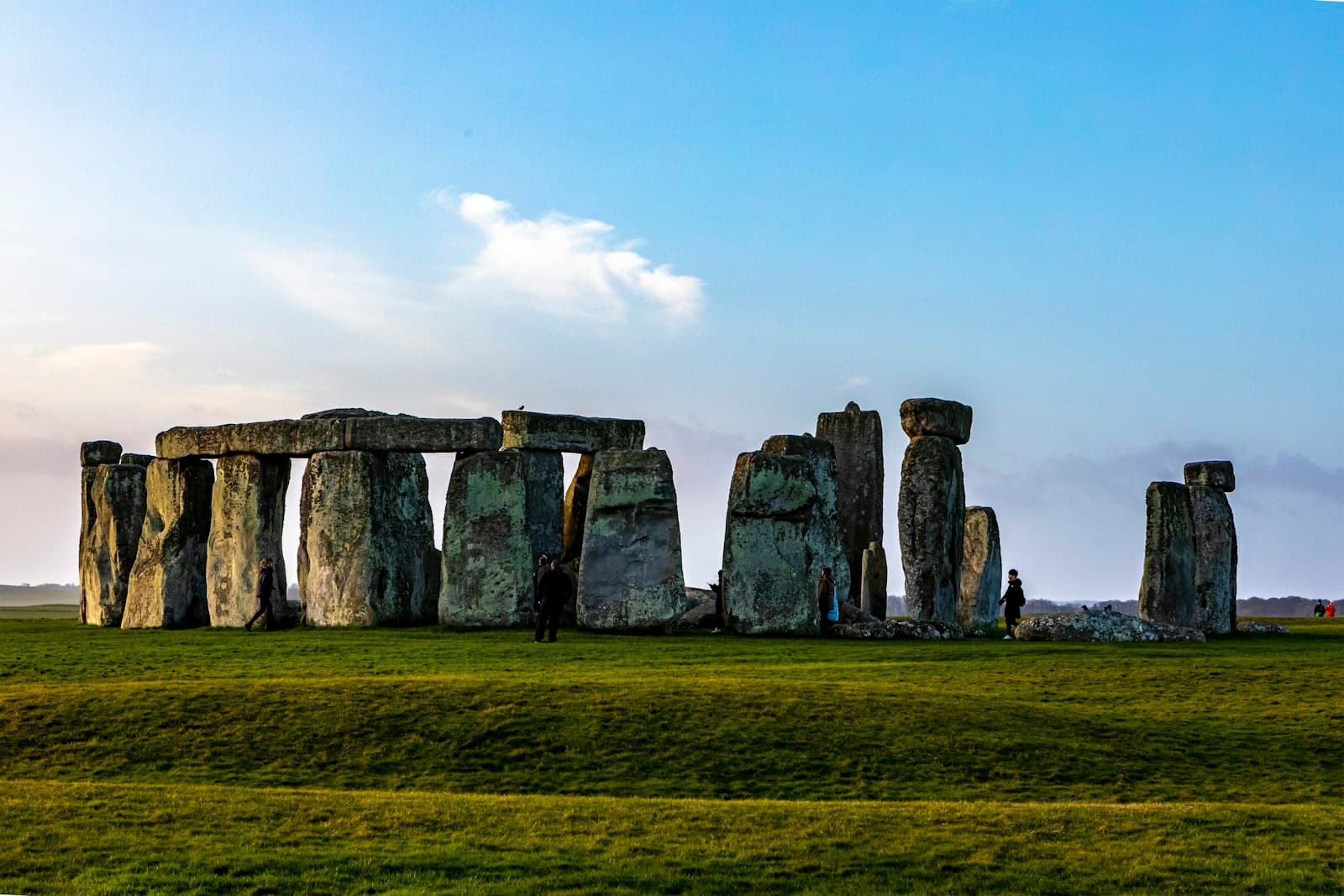 Photo: Hulki Okan Tabak / Unsplash
Self-guided audio walking tour of Stonehenge — GPS route, offline playback, story-driven narration in 32 languages.
“Where ancient stones speak of forgotten eras beneath an endless sky.”
Not the postcards. The stories even locals don't know — whispered in your ear, right where they happened.
These are not merely rocks; some of them possess an unexpected acoustic quality.
The quietude of this ancient landscape conceals a more recent, tumultuous past.
The movement of stones weighing up to 30 tons without modern machinery seems improbable, but a curious find might suggest an ingenious technique.
Discover every secret of Stonehenge
Every address, every reveal in full — in your ear, right where it happened.
You pick your stops. You walk. The voice reveals what the others miss.
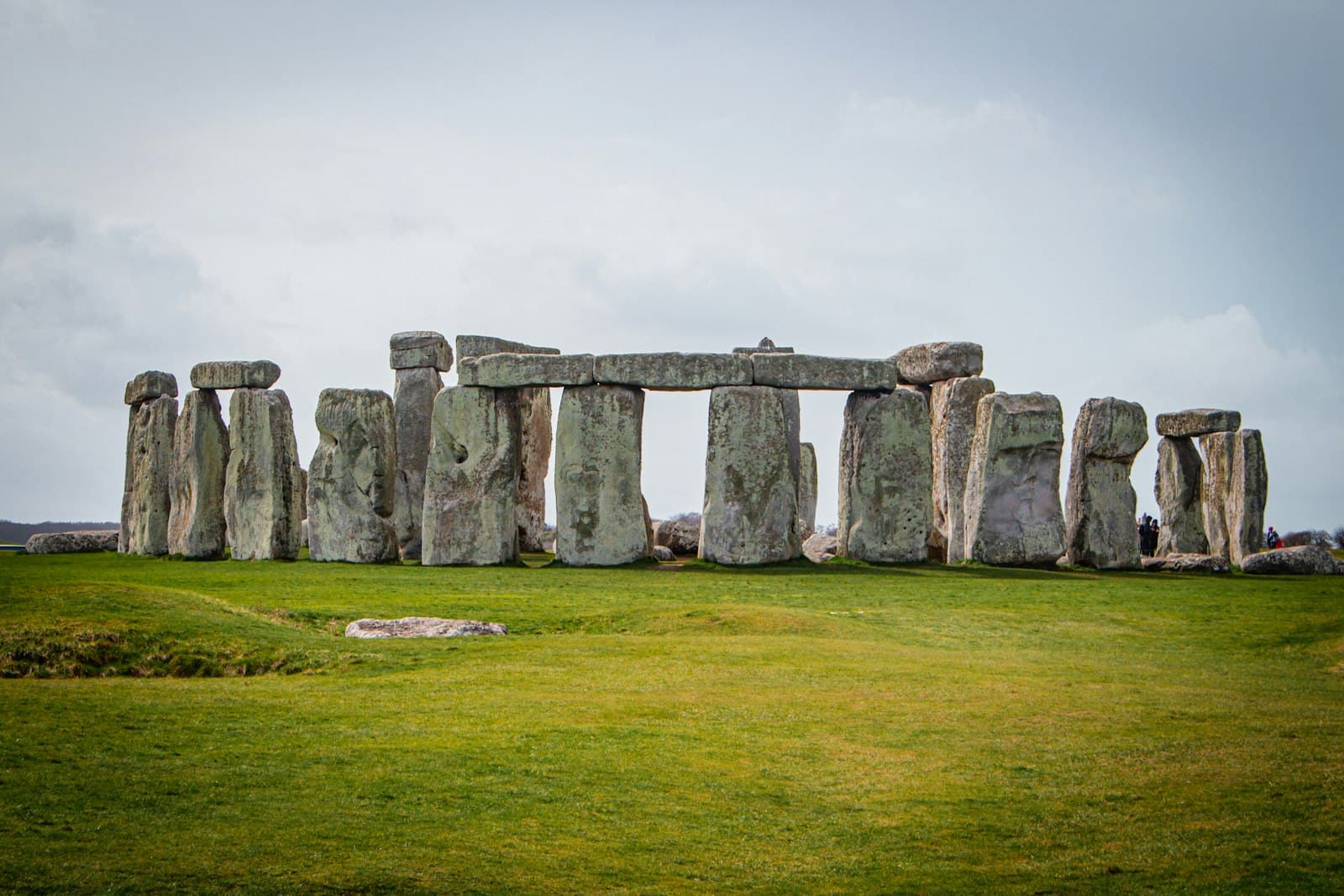
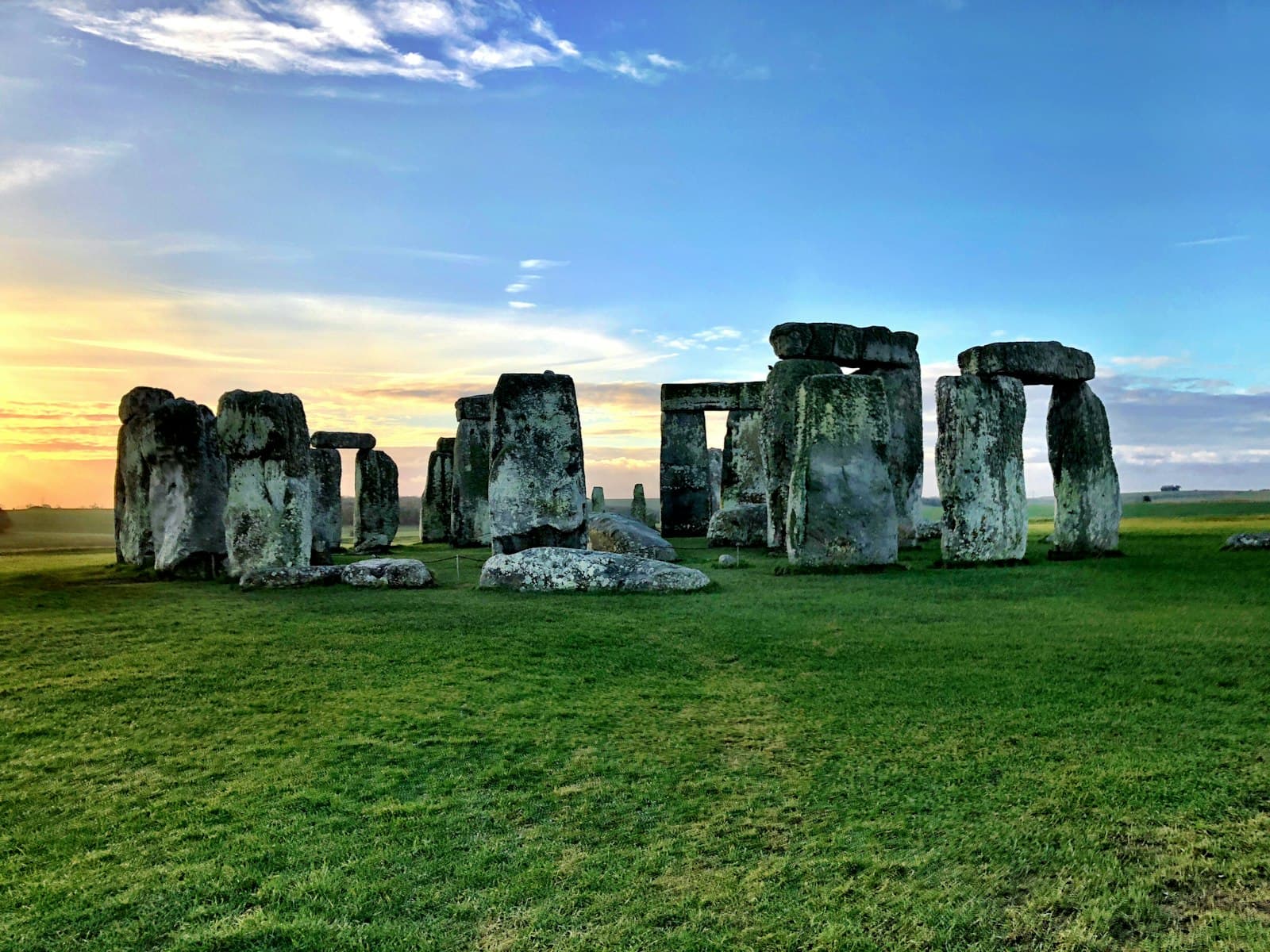
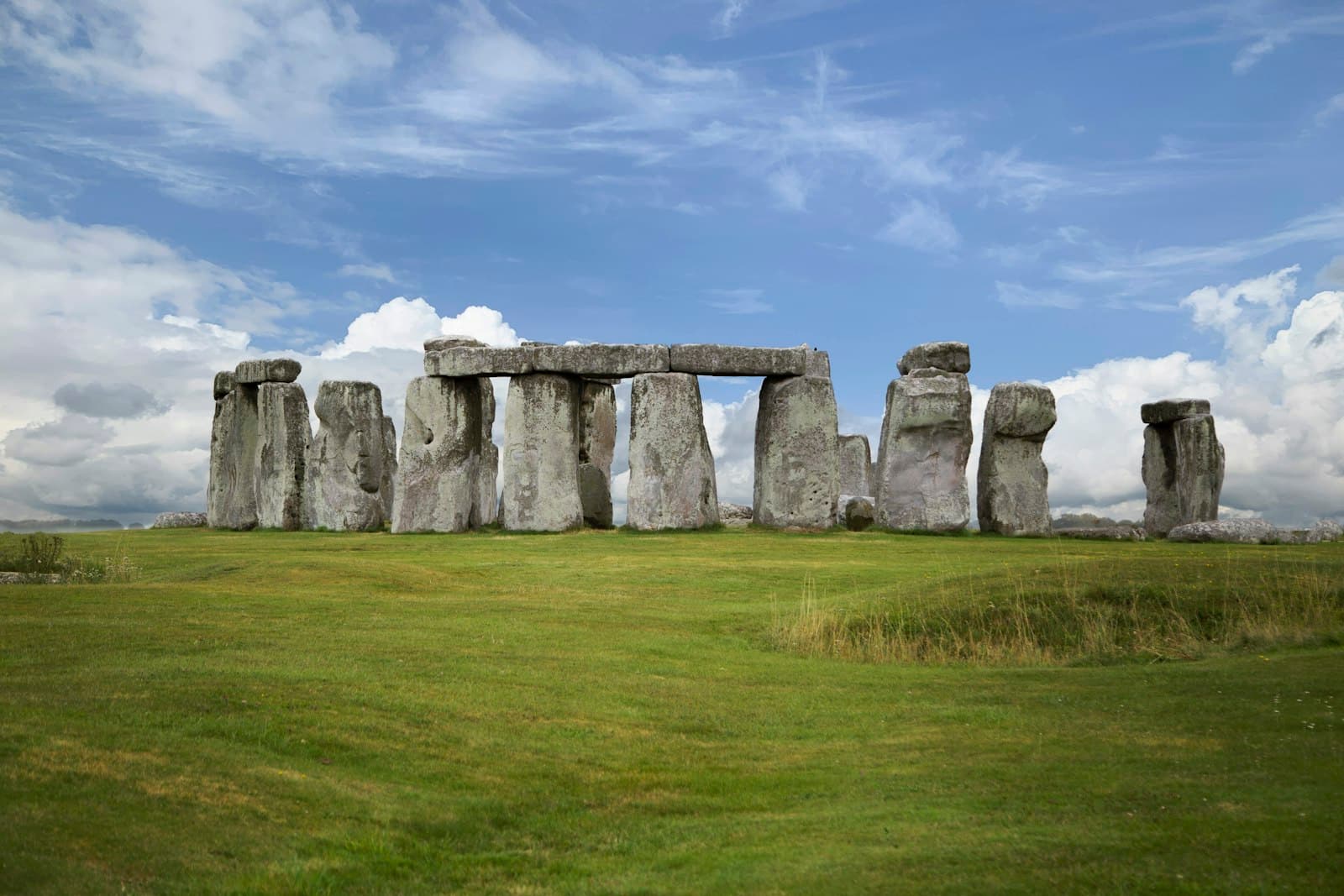
Your self-guided audio tour of Stonehenge is ready — pick your landmarks, choose your language, and start the moment you arrive.
BuyLume has a built-in augmented-reality guide. Hold your phone up and its camera shows the street ahead of you, with a glowing arrow laid over the real view that always points to your next stop — no map to puzzle over, no wrong turns. Like everything in Lume, it works fully offline.
Stonehenge, a prehistoric monument situated on Salisbury Plain in Wiltshire, England, stands as one of the world's most recognizable and mysterious landmarks. This iconic stone circle, recognized as a UNESCO World Heritage Site since 1986, has captivated visitors and scholars for centuries. Its imposing sarsen and bluestones, arranged with remarkable precision, offer a tangible connection to Neolithic and Bronze Age civilizations, prompting reflection on their ingenuity and beliefs.
More than a collection of stones, Stonehenge forms the core of an archaeologically rich landscape, encompassed by hundreds of burial mounds and other prehistoric features. It is a place where the past feels distinctly present, where the sheer scale of human endeavor from millennia ago leaves a profound impression. The site continues to be a central point for understanding ancient British and European history, a testament to a period when landscapes were reshaped to reflect deep cultural and spiritual transformations.
## A Monument Constructed in Stages Stonehenge developed through several construction phases, spanning at least 1,500 years, commencing around 3100 BC and continuing until approximately 1600 BC. The earliest phase, around 3100 BC, involved the creation of a circular earth bank and ditch. This initial enclosure marked the beginning of a site that would become a significant burial ground, with evidence suggesting its use for cremations from its inception.
## The Arrival of the Bluestones Between approximately 2900 and 2600 BC, timber structures were erected within the enclosure. However, a pivotal change occurred around 2600 BC, when builders transitioned from timber to stone. This phase introduced the 'bluestones,' smaller megaliths weighing about 4 tons each, transported from the Preseli Mountains in West Wales, a remarkable journey of 180 to 240 miles. These stones were likely moved on sledges, a journey that would have taken 40-60 days, enhancing their symbolic significance. Radiocarbon dating indicates the bluestones were placed in their current positions between 2400 and 2200 BC, though they may have been at the site as early as 3000 BC.
## The Sarsen Circle and Celestial Alignments The most recognizable feature, the celebrated circle of massive sarsen stones, was erected between 2600 BC and 2400 BC. These enormous stones, averaging 25 tons each, with the largest, the Heel Stone, weighing about 30 tons, were quarried approximately 20 miles away. The construction involved incredible feats of engineering, including the use of mortise and tenon joints to secure the horizontal lintels atop the upright sarsens. The entire monument is precisely aligned with the sunrise on the summer solstice and the sunset on the winter solstice, indicating its function as a celestial observatory or calendar. This alignment suggests a profound understanding of astronomical movements and a spiritual connection to the sun's cycles.
## Enduring Enigma and Ongoing Research While the exact purpose of Stonehenge remains a subject of discussion, the most widely accepted interpretation is that of a prehistoric temple aligned with the movements of the sun, a place to honor ancestors and mark significant calendar moments. The site continued to be used for burials into the Bronze Age, with many burial mounds constructed nearby. Even today, research continues to uncover new insights into Stonehenge and its surrounding landscape, revealing it as part of a vast prehistoric religious complex.
Upon arrival, the modern Visitor Centre serves as your entry point to the ancient world of Stonehenge. Here, you can explore a world-class exhibition featuring artifacts from the era of its builders, many on loan from Wiltshire Museum and Salisbury Museum, alongside engaging multi-media displays. A reconstructed head of a skeleton discovered at the site offers a realistic impression of an ancient inhabitant.
From the Visitor Centre, a complimentary shuttle bus transports you to the stone circle, or you may choose a 30-minute walk along a 1.5-mile path. Once at the stone circle, a well-maintained, paved pathway encircles the monument, providing excellent views from various angles. While direct access to touch the stones is generally restricted, special 'Inner Circle' tours are available outside of normal opening hours, allowing a more personal experience.
Beyond the renowned stones, the surrounding Salisbury Plain is dotted with other ancient sites, including numerous Bronze Age burial mounds and ceremonial pathways, which are worth exploring to fully appreciate the broader archaeological landscape. Recreated Neolithic houses near the Visitor Centre also offer a glimpse into the daily lives of the monument's builders.
To avoid the largest gatherings, aim for early morning immediately after opening or late afternoon before closing. Weekdays, particularly before 11 AM or after 2 PM, are generally less occupied. While summer (June to mid-September) offers warmer temperatures and longer days, it is also the busiest season. Spring and autumn provide milder weather and fewer visitors, while winter can offer a serene and atmospheric experience, with the site receiving fewer visitors. Many consider sunrise or sunset to be the most enchanting times, as the light beautifully illuminates the stones and the atmosphere is calmer.
Stonehenge is situated near Amesbury in Wiltshire, approximately 150 km southwest of London. If driving, use postcode SP4 7DE for your satnav and follow the brown and white tourist signs. Parking is available at the visitor centre for a fee, though English Heritage or National Trust members park for free. The nearest train station is Salisbury, about 15 km away, with direct trains from London Waterloo. From Salisbury, you can take a taxi or the Stonehenge Tour Bus.
Booking tickets online in advance is highly recommended to save on ticket prices and secure your preferred time slot, as entry is timed. Standard adult admission typically ranges from £22-£30, with discounts for children, seniors, and families. The site is largely accessible for wheelchair users, with step-free routes, accessible shuttle buses, and wheelchairs available for loan. Dress in layers and wear comfortable walking shoes, as the site is exposed to the elements.
Stonehenge in Korean, in Chinese or in Hebrew — and 29 more languages, every stop narrated by a native voice. The widest language range of any self-guided audio tour.
Available in: