Grand Hotel des Îles Borromées
Пребывание Эрнеста Хемингуэя в Стрезе оставило неизгладимый след не только в его романе, но и в самом номере, который он занимал.
Полная история открывается в туре
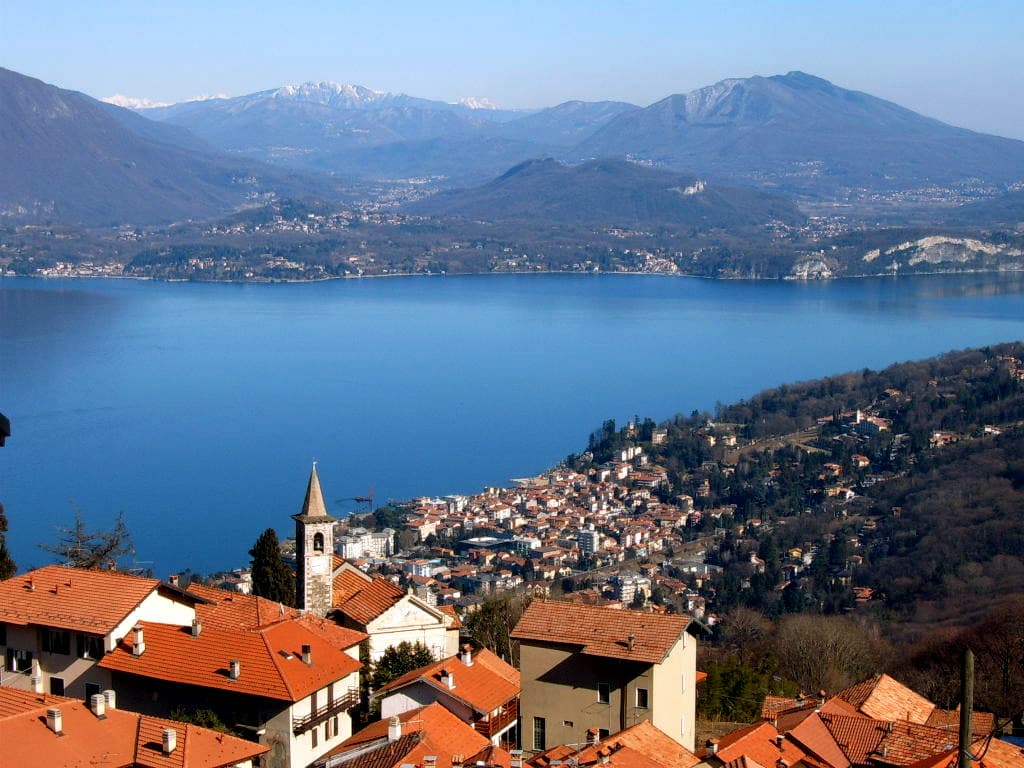 Markus Bernet / CC BY-SA 2.0, via Wikimedia Commons
Самостоятельная аудиопрогулка по Стреза — GPS-маршрут, офлайн-воспроизведение, увлекательное повествование на 32 языках.
“Где величие Прекрасной эпохи встречается с мерцающими просторами озера Маджоре.”
Не открытки. Истории, которые не знают даже местные жители — шепотом в вашем ухе, прямо там, где они произошли.
Пребывание Эрнеста Хемингуэя в Стрезе оставило неизгладимый след не только в его романе, но и в самом номере, который он занимал.
Этот остров, видение барочного великолепия, когда-то был бесплодной скалой.
Узкая улица в Стрезе носит имя женщины, чьё влияние на город выходило далеко за рамки богатства её семьи.
Откройте для себя каждый секрет Стреза
Каждый адрес, каждое полное раскрытие — в вашем ухе, прямо там, где это произошло.
Вы выбираете остановки. Вы гуляете. Голос раскрывает то, что упускают другие.

Ваш самостоятельный аудиотур по Стреза готов — выберите свои достопримечательности, выберите свой язык и начните в момент прибытия.
КупитьВ Lume встроен гид дополненной реальности. Поднимите телефон: камера показывает улицу перед вами, а поверх реального изображения светится стрелка, всегда указывающая на вашу следующую остановку — не нужно разбираться с картой и сворачивать не туда. Как и всё в Lume, это работает полностью офлайн.
Стреза, город на берегу озера Лаго-Маджоре в итальянском регионе Пьемонт, предлагает пленительное сочетание природного великолепия и элегантности старого мира. Город смотрит на Боромейские острова: Изола-Белла, Изола-Мадре и Изола-деи-Пескатори, которые привлекают множество посетителей. Набережная Стрезы, вдоль которой расположены грандиозные отели и виллы, открывает захватывающие виды на острова и окружающие Альпы.
Когда-то небольшая рыбацкая деревня, Стреза расцвела и стала востребованным направлением в 19 веке. Её умеренный климат, ухоженные сады и спокойствие озера Лаго-Маджоре, обрамлённого заснеженными горами, привлекали постоянный поток международных посетителей. Сегодня Стреза сохраняет свою изысканную атмосферу, предлагая разнообразные развлечения: от изучения исторических мест и ботанических садов до дегустации местной кухни и посещения культурных мероприятий.
## От рыбацкой деревни до остановки на Гранд-тур Истоки Стрезы восходят к 998 году н.э., когда она впервые была записана как "Strixsya", название, вероятно, происходящее от ломбардского слова, означающего узкую полоску земли, отражающее её прибрежное положение. Изначально небольшая община рыбаков и крестьян, феодальная принадлежность города менялась на протяжении веков, сначала к семье Висконти из Милана, а затем к влиятельной семье Борромео.
К 16 веку семья Борромео начала значительно развивать эту территорию, особенно острова, заказывая дворцы и другие сооружения, которые стали значительными достопримечательностями. Превращение Стрезы в выдающийся туристический центр по-настоящему началось в 19 веке. Открытие Симплoнского перевала в 1806 году и Симплoнского туннеля в 1906 году сделали город более доступным, привлекая купцов и путешественников. Богатые британские путешественники высшего класса в рамках своего "Гранд-тура" находили Стрезу привлекательной остановкой, привлечённые её климатом, садами, виллами и безмятежной красотой озера Лаго-Маджоре.
В течение этого периода были построены грандиозные виллы, такие как Вилла Паллавичино и Вилла Виньолo, что ещё больше повысило привлекательность города. Стреза также стала центром политических конференций в 20 веке, особенно в 1935 году, когда Великобритания, Италия и Франция встретились для обсуждения растущей угрозы нацистской Германии. Литературные деятели, такие как Эрнест Хемингуэй, лорд Байрон, Стендаль и Чарльз Диккенс, также посещали город и писали о нём, укрепляя его место на международной арене.
Главная достопримечательность Стрезы — Боромейские острова: Изола-Белла, Изола-Мадре и Изола-деи-Пескатори. До них можно добраться на короткой лодочной прогулке из Стрезы. На Изола-Белла находится роскошный Палаццо Борромео и его изысканные барочные сады с белыми павлинами. Изола-Мадре славится своими пышными ботаническими садами и коллекциями экзотических растений. Изола-деи-Пескатори, или Рыбацкий остров, предлагает контрастный опыт с его небольшой рыбацкой деревней, узкими улочками и местными ресторанами, подающими свежую рыбу.
Помимо островов, сама Стреза предлагает множество возможностей для исследования. Совершите passeggiata (прогулку) по lungolago, набережной, откуда открывается вид на острова и отели в стиле Belle Époque. Посетите Виллу Паллавичино, исторический парк площадью 18 гектаров с розовым садом и контактным зоопарком, где обитает более 50 видов млекопитающих и птиц. Для панорамных видов поднимитесь на гору Монте-Моттароне, откуда открывается вид на 360 градусов на Альпы и семь окружающих озёр. Альпийский ботанический сад Джурдино-Альпиния, расположенный на полпути к Монте-Моттароне, демонстрирует более 700 видов растений.
Самое приятное время для посещения Стрезы — весна (апрель-июнь) и ранняя осень (сентябрь-октябрь). В эти месяцы погода мягкая, цветут цветы, и посетителей меньше. Май предлагает невероятное цветение, особенно азалий, хотя может быть дождливым. Середина сентября — октябрь приносят прохладные вечера и яркие осенние краски. Хотя летние месяцы могут быть тёплыми, период с начала июня до конца сентября в целом считается идеальным для занятий в тёплую погоду. Зима (ноябрь-февраль) менее рекомендуется, так как многие достопримечательности, включая дворцы на островах, закрыты, а погода может быть холодной и туманной.
Стреза расположена на озере Лаго-Маджоре в регионе Пьемонт на севере Италии, примерно в часе езды или поездки на поезде от Милана. Ближайший международный аэропорт — Милан Мальпенса (MXP), расположенный примерно в 50 минутах езды. До Стрезы можно добраться на машине по автостраде A26, съезд Carpugnino или Baveno-Stresa. S.A.F. сезонно с апреля по октябрь выполняет рейсы Alibus из аэропорта Мальпенса в Стрезу.
В самой Стрезе центр города очень удобен для пеших прогулок. Паромы курсируют между главным причалом, Изола-Белла, Изола-деи-Пескатори и Изола-Мадре. Можно арендовать велосипеды для прогулок. Туристический офис, расположенный у паромного причала, предоставляет информацию и открыт ежедневно в летний сезон, персонал говорит по-английски. В Стрезе есть супермаркет, пекарни, мясная лавка и различные магазины, продающие сувениры, одежду, местные продукты и деликатесы.
Стреза: корейский, китайский, иврит и ещё 29 языков — каждую остановку озвучивает носитель языка. Самый широкий выбор языков среди аудиоэкскурсий без гида.
Доступные языки: