The Big Nickel
Этот культовый объект Садбери, массивный реплика канадской пятицентовой монеты 1951 года, хранит удивительную тайну о своем металлическом составе.
Полная история открывается в туре
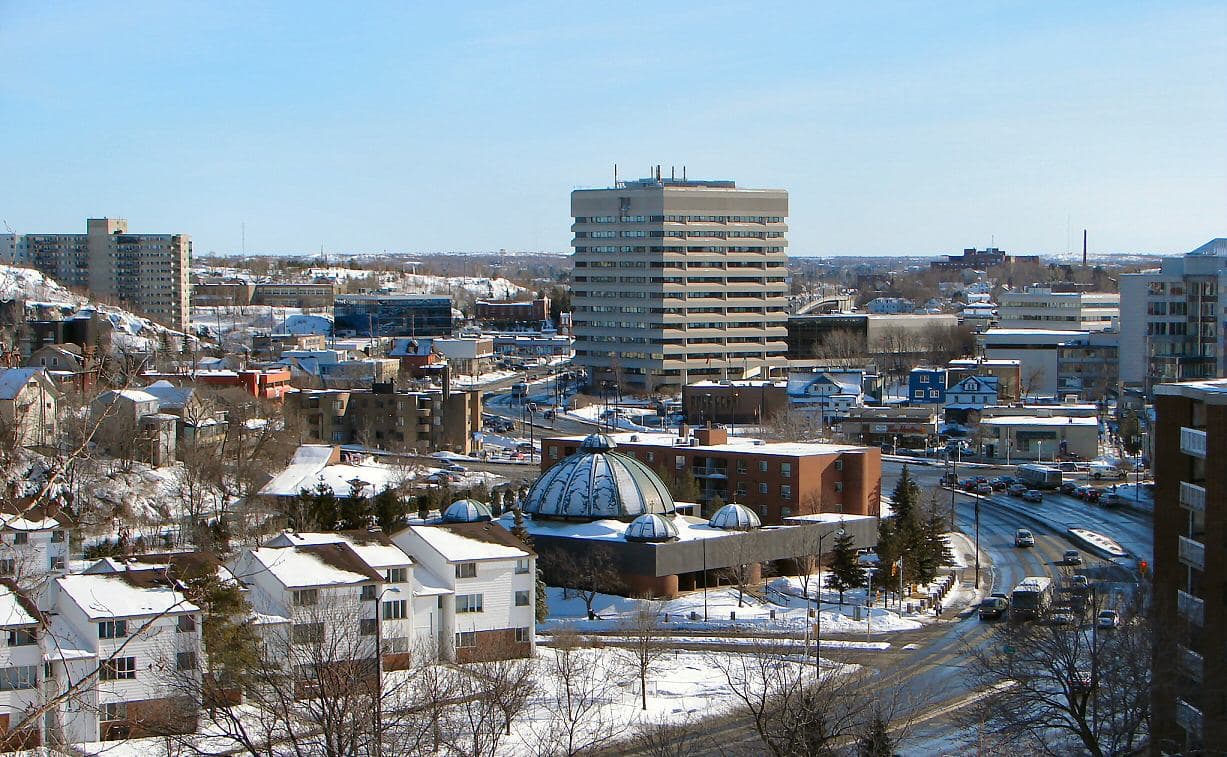 P199 / CC BY-SA 4.0, via Wikimedia Commons
Самостоятельная аудиопрогулка по Садбери — GPS-маршрут, офлайн-воспроизведение, увлекательное повествование на 32 языках.
“Где падение метеорита сформировало город озер и инноваций.”
Не открытки. Истории, которые не знают даже местные жители — шепотом в вашем ухе, прямо там, где они произошли.
Этот культовый объект Садбери, массивный реплика канадской пятицентовой монеты 1951 года, хранит удивительную тайну о своем металлическом составе.
Глубоко под Садбери развернулась необычайная научная миссия, приведшая к Нобелевской премии и откровению о самых неуловимых частицах Вселенной.
Когда-то самая высокая отдельно стоящая дымовая труба в Западном полушарии, эта колоссальная конструкция была построена с противоречивой целью, выходящей за рамки простого промышленного выброса.
Откройте для себя каждый секрет Садбери
Каждый адрес, каждое полное раскрытие — в вашем ухе, прямо там, где это произошло.
Вы выбираете остановки. Вы гуляете. Голос раскрывает то, что упускают другие.


Ваш самостоятельный аудиотур по Садбери готов — выберите свои достопримечательности, выберите свой язык и начните в момент прибытия.
КупитьВ Lume встроен гид дополненной реальности. Поднимите телефон: камера показывает улицу перед вами, а поверх реального изображения светится стрелка, всегда указывающая на вашу следующую остановку — не нужно разбираться с картой и сворачивать не туда. Как и всё в Lume, это работает полностью офлайн.
Садбери, официально известный как Большой Садбери, является самым густонаселенным городом Северного Онтарио и одним из крупнейших муниципалитетов Канады по площади. Он расположен на суровом Канадском щите, его идентичность сформирована уникальной геологической историей — он находится в Садберийском бассейне, древнем кратере от метеорита, образовавшемся 1,85 миллиарда лет назад. Этот монументальный удар создал обильные залежи никеля и меди, что определило Садбери как мировой центр горнодобывающей промышленности.
Помимо своих промышленных истоков, Садбери претерпел замечательную трансформацию. Когда-то отмеченный суровым ландшафтом из-за исторической плавки, город в 1978 году начал амбициозную программу восстановления окружающей среды, посадив более 10 миллионов деревьев и оживив свою экосистему. Сегодня Садбери известен как «Город озер», насчитывающий 330 пресноводных озер в пределах своих муниципальных границ — больше, чем в любом другом городе Канады. Он служит значительным торговым, экономическим, медицинским и образовательным центром для Северо-Восточного Онтарио, а процветающее франко-онтарийское население обогащает его искусство и культуру.
Посетители Садбери могут исследовать его убедительное геологическое прошлое и текущие научные исследования, погрузиться в его природное великолепие и познакомиться с городом, который успешно диверсифицировался за пределы своей сырьевой экономики. Благодаря сочетанию городских удобств и обширных предложений на открытом воздухе, Садбери предлагает уникальный опыт Северного Онтарио.
## От железнодорожного лагеря до столицы горнодобывающей промышленности История Садбери начинается в 1883 году как временный рабочий лагерь во время строительства Канадской Тихоокеанской железной дороги. Поселение было названо руководителем железной дороги Джеймсом Уортингтоном в честь родного города его жены в Саффолке, Англия. Открытие огромных залежей никелевой и медной руды в 1883 году во время взрывных работ на железной дороге быстро превратило этот аванпост в промышленный центр.
К 1886 году были образованы такие компании, как Canadian Copper, для эксплуатации минеральных богатств региона, а плавка началась в 1888 году. Садбери был инкорпорирован как город в 1893 году, а к 1902 году была основана International Nickel Company (INCO), ставшая доминирующей силой в региональной экономике. К 1915 году рудники Садбери поставляли 80 процентов мирового никеля, превосходство, которое еще больше укрепилось с основанием Falconbridge Nickel Mines в 1928 году.
На протяжении большей части 20-го века горнодобывающая и смежные отрасли доминировали в экономике Садбери, обеспечивая работой значительную часть населения. Однако эта быстрая индустриализация имела экологическую цену, приведя к в основном бесплодному ландшафту из-за интенсивной плавки и кислотных дождей.
## Восстановление окружающей среды и диверсификация В ответ на экологические проблемы в 1978 году Садбери запустил амбициозную программу восстановления окружающей среды, в рамках которой было высажено более 10 миллионов деревьев, что значительно оживило ландшафт. Строительство Inco Superstack в 1972 году, самой высокой дымовой трубы в Канаде и Западном полушарии высотой 381 метр (1250 футов), было частью усилий по рассеиванию выбросов подальше от непосредственной зоны.
Садбери получил статус города в 1930 году благодаря своему быстрому росту. В 2001 году город Большой Садбери был образован путем объединения нескольких городов и некорпорированных поселков, создав единый муниципалитет. Сегодня, хотя горнодобывающая промышленность остается важной, Садбери диверсифицировался в региональную столицу финансовых услуг, здравоохранения, образования и туризма, имея три высших учебных заведения: Университет Лорентиана, Колледж Камбриан и Колледж Бореаль.
Начните свое исследование с Dynamic Earth, иммерсивного центра наук о Земле, где вы можете погрузиться в историю горнодобывающей промышленности Садбери и его уникальную геологию. Не упустите возможность спуститься на семь этажей под землю во время экскурсии по шахте, ощутив эволюцию горнодобывающей промышленности из первых рук. Снаружи сделайте селфи с культовым Big Nickel, 9-метровой (30-футовой) копией канадской пятицентовой монеты 1951 года, символизирующей вклад Садбери в канадскую экономику.
Для более широкого научного путешествия посетите Science North, второй по величине научный центр Канады. Расположенный в двух зданиях в форме снежинки, он предлагает интерактивные экспонаты, цифровой планетарий, кинотеатр IMAX с лазером и галерею бабочек.
Насладитесь природным великолепием Садбери в Bell Park, прибрежной зоне на озере Рамзи с набережными, садами и пляжами. Вы также можете исследовать обширные сети троп в Lake Laurentian Conservation Area или Kivi Park, предлагающие возможности для пеших прогулок, катания на горных велосипедах и гребли. Для любителей искусства совершите самостоятельную экскурсию по оживленным уличным фрескам города в центре Садбери, включая дань уважения Алексу Требеку.
Лучшее время для посещения Садбери для занятий в теплую погоду — с конца июня до конца августа. В эти летние месяцы средняя дневная температура достигает около 25°C (77°F), что идеально подходит для изучения многочисленных озер, троп и фестивалей под открытым небом. Осень, с сентября по ноябрь, также предлагает приятные впечатления с красивой осенней листвой. Зима, с декабря по февраль, приносит холодную, сухую погоду и снегопады, идеально подходящие для таких занятий, как катание на коньках по озеру Рамзи или катание на снегоходах по ухоженным трассам.
До Садбери легко добраться на машине, он расположен на пересечении автомагистралей 69 South и 17 (часть Трансканадского шоссе). VIA Rail и автобусные перевозки Ontario Northland также соединяют Садбери с другими городскими центрами, а город обслуживается аэропортом Большого Садбери. Хотя обширная территория города означает, что жители часто полагаются на автомобили, многие достопримечательности сосредоточены или доступны через общественный транспорт или пешеходные/велосипедные дорожки. Город предлагает широкий спектр жилья, от отелей до кемпингов. Местные мероприятия и развлечения можно найти на веб-сайте Discover Sudbury. Если вы планируете провести мероприятие на городской территории, требуется разрешение, и подробности можно найти в Службе парков и отдыха города Большой Садбери. Помните, что климат сезонный, поэтому пакуйте вещи соответственно для жаркого лета и холодной, снежной зимы.
Садбери: корейский, китайский, иврит и ещё 29 языков — каждую остановку озвучивает носитель языка. Самый широкий выбор языков среди аудиоэкскурсий без гида.
Доступные языки: