Hotel Majapahit
Un grandioso hotel coloniale fu testimone di un momento cruciale nella lotta per l'indipendenza dell'Indonesia, non con un ruggito, ma con un gesto simbolico.
La storia completa si sblocca nel tour
 consigliere ivan / CC BY 2.0, via Wikimedia Commons
Tour audio autoguidato di Surabaya — percorso GPS a piedi, riproduzione offline, narrazione coinvolgente in 32 lingue.
“Surabaya: Dove gli echi della storia incontrano il polso di una metropoli moderna.”
Non le cartoline. Le storie che nemmeno i locali conoscono — sussurrate nel tuo orecchio, proprio dove sono accadute.
Un grandioso hotel coloniale fu testimone di un momento cruciale nella lotta per l'indipendenza dell'Indonesia, non con un ruggito, ma con un gesto simbolico.
Un tempo vitale arteria commerciale, questa strada rivela un segreto del fascino urbano di Surabaya, estendendosi oltre le sue facciate storiche.
Le parole appassionate che accesero la determinazione di una città durante una battaglia cruciale non furono semplicemente ascoltate; furono trasmesse con un'intensità quasi incessante.
Scopri ogni segreto di Surabaya
Ogni indirizzo, ogni rivelazione completa — nel tuo orecchio, proprio dove è accaduta.
Scegli le tue tappe. Cammini. La voce rivela ciò che gli altri perdono.


Il tuo tour audio autoguidato di Surabaya è pronto — scegli i tuoi punti di interesse, seleziona la tua lingua e inizia nel momento in cui arrivi.
AcquistaLume include una guida in realtà aumentata. Alza il telefono: la fotocamera mostra la strada davanti a te, con una freccia luminosa sovrapposta all'immagine reale che punta sempre verso la tua prossima tappa — nessuna mappa da decifrare, nessuna svolta sbagliata. Come tutto in Lume, funziona completamente offline.
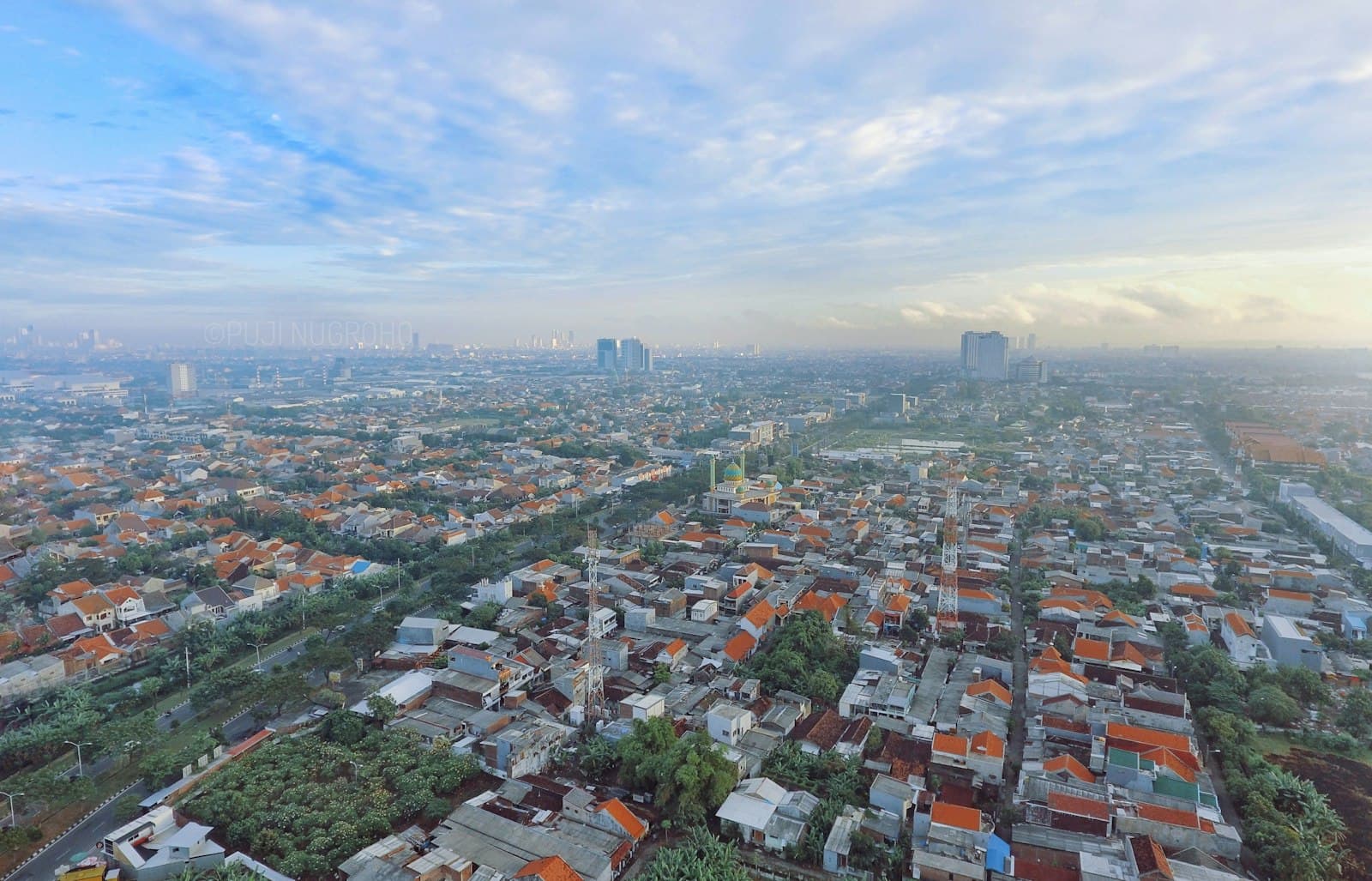
Surabaya, la seconda città più grande dell'Indonesia, si dispiega come un vasto porto e centro commerciale sulla costa nord-orientale di Giava. Viene spesso chiamata la 'Città degli Eroi' (Kota Pahlawan), un titolo che onora il suo ruolo cruciale nella battaglia del 1945 che accese la rivoluzione indonesiana. Mentre i suoi quartieri più antichi vicino al porto conservano un distinto carattere storico, Surabaya presenta una dinamica miscela di architettura coloniale e vita urbana contemporanea.
Oltre alla sua reputazione di punto di transito per i viaggiatori diretti verso destinazioni come il Monte Bromo o Bali, Surabaya offre una finestra avvincente sulla cultura urbana indonesiana. La città ha subito una notevole rivitalizzazione, con strade pulite e alberate e trasporti pubblici migliorati, creando una destinazione più invitante rispetto a molte altre grandi città indonesiane. I visitatori possono approfondire il suo variegato patrimonio attraverso i suoi quartieri arabi, cinesi e coloniali, esplorare vivaci mercati e assaporare un panorama culinario distintivo.
Le origini di Surabaya come importante città portuale risalgono al Regno di Majapahit nel XIV secolo, facilitando le rotte commerciali tra Malacca e le Isole delle Spezie. Il nome stesso della città è radicato nella leggenda, spesso attribuito a un leggendario scontro tra uno squalo (sura) e un coccodrillo (baya), simbolo di forza e dispute territoriali. Un'altra interpretazione suggerisce che il nome derivi dalla frase giavanese sura ing baya, che significa 'affrontare coraggiosamente il pericolo'.
Tra il XV e il XVI secolo, Surabaya fiorì come un potente ducato e una forza politica e militare principale nell'est di Giava. Alla fine cadde sotto il dominio del Sultanato di Mataram nel 1625 e successivamente, nel 1743, della Compagnia olandese delle Indie orientali. Sotto l'amministrazione coloniale olandese, Surabaya divenne la città più grande delle Indie orientali olandesi dopo Batavia (Jakarta), fungendo da centro commerciale cruciale e ospitando la più estesa base navale della colonia. L'economia della città prosperò grazie alle esportazioni di zucchero, tabacco e caffè, favorendo una solida infrastruttura finanziaria.
Il capitolo più definitorio della narrazione di Surabaya è la Battaglia di Surabaya nel novembre 1945. Dopo la proclamazione dell'indipendenza dell'Indonesia nell'agosto, Surabaya divenne un focolaio di scontri tra le forze repubblicane indonesiane e le truppe alleate che cercavano di riaffermare l'autorità olandese. La battaglia, accesa da un ultimatum britannico dopo l'uccisione del loro Generale di Brigata Mallaby, vide i combattenti locali, noti come arek-arek Suroboyo, resistere alle ben equipaggiate forze britanniche e olandesi con armi improvvisate e pura determinazione. Nonostante le pesanti perdite e i considerevoli danni alla città, questa feroce resistenza divenne un potente grido di battaglia per la Rivoluzione Nazionale Indonesiana, consolidando l'identità di Surabaya come la 'Città degli Eroi'.
Inizia la tua esplorazione al Monumento degli Eroi (Tugu Pahlawan), un imponente obelisco che commemora coloro che perirono nella Battaglia di Surabaya. Adiacente ad esso, il Museo del 10 Novembre offre approfondimenti su questo evento storico cruciale. Per una prospettiva storica distintiva, visita la House of Sampoerna, un edificio coloniale olandese del XIX secolo che ora funziona come museo e fabbrica di sigarette ai chiodi di garofano funzionante. Puoi osservare il tradizionale processo di arrotolamento a mano ed esplorare mostre sulla storia delle sigarette kretek.
Immergiti nel variegato tessuto culturale di Surabaya passeggiando per i suoi distinti quartieri. L'atmosferico Quartiere Arabo, noto come Ampel, è incentrato sulla Moschea di Sunan Ampel e sulla sua tomba, accessibile attraverso un bazar stretto e coperto. Il Quartiere Cinese, con i suoi templi e mercati vivaci, in particolare il mercato alimentare serale in via Kya Kya, illustra il patrimonio multiculturale della città. Per un'esperienza insolita, esplora il Monumento al Sottomarino (Monumen Kapal Selam), un vero sottomarino dell'era sovietica che ha servito nella Marina indonesiana, ora aperto ai visitatori per essere esplorato. Assicurati di passeggiare lungo Jalan Tunjungan, una strada storica fiancheggiata da edifici di epoca coloniale e ampi marciapiedi, ideale per vivere l'atmosfera vivace della città.
Il periodo ideale per visitare Surabaya è durante la stagione secca, che generalmente va da maggio a settembre. Durante questi mesi, il tempo è soleggiato con bassa umidità, rendendo più confortevoli le attività all'aperto e le visite turistiche. Le temperature a Surabaya rimangono calde tutto l'anno, tipicamente tra 28°C e 34°C (82°F-92°F). Mentre la stagione delle piogge (ottobre-aprile) porta frequenti acquazzoni e maggiore umidità, Surabaya è in qualche modo protetta dai sistemi monsonici che colpiscono altre parti di Giava, rendendola una destinazione discreta tutto l'anno se le condizioni tropicali sono gradite.
Surabaya è ben collegata con varie opzioni di trasporto. L'aeroporto internazionale di Juanda (SUB) offre collegamenti regionali, con taxi e autobus aeroportuali DAMRI disponibili per i trasferimenti in città. All'interno della città, i taxi sono numerosi e le app di ride-sharing come Gojek e Grab sono modi efficienti per spostarsi, offrendo prezzi chiari e dettagli del conducente. Per un'esperienza tradizionale, i becak (risciò a pedali) si trovano ancora nelle periferie della città per brevi tragitti. Gli autobus pubblici, inclusi i Suroboyo Bus e Trans Semanggi Suroboyo gestiti dalla città, operano con pagamenti tramite carte QRIS o e-money.
Surabaya è generalmente sicura per i viaggiatori, ma si consigliano le normali precauzioni urbane come prestare attenzione ai propri effetti personali nelle aree affollate. Imparare alcune frasi di base in Bahasa Indonesia può migliorare le interazioni con la gente del posto. Per soggiorni più lunghi o per affari, si applicano diverse categorie di visti ed è fondamentale rispettare le normative sui visti per evitare complicazioni. Se si alloggia in alloggi privati, ricordarsi di registrare la propria presenza presso la polizia locale, anche se gli hotel lo gestiscono automaticamente.
Surabaya — coreano, cinese, ebraico e altre 29 lingue, ogni tappa narrata da una voce madrelingua. La più ampia scelta di lingue tra i tour audio autoguidati.
Disponibile in: