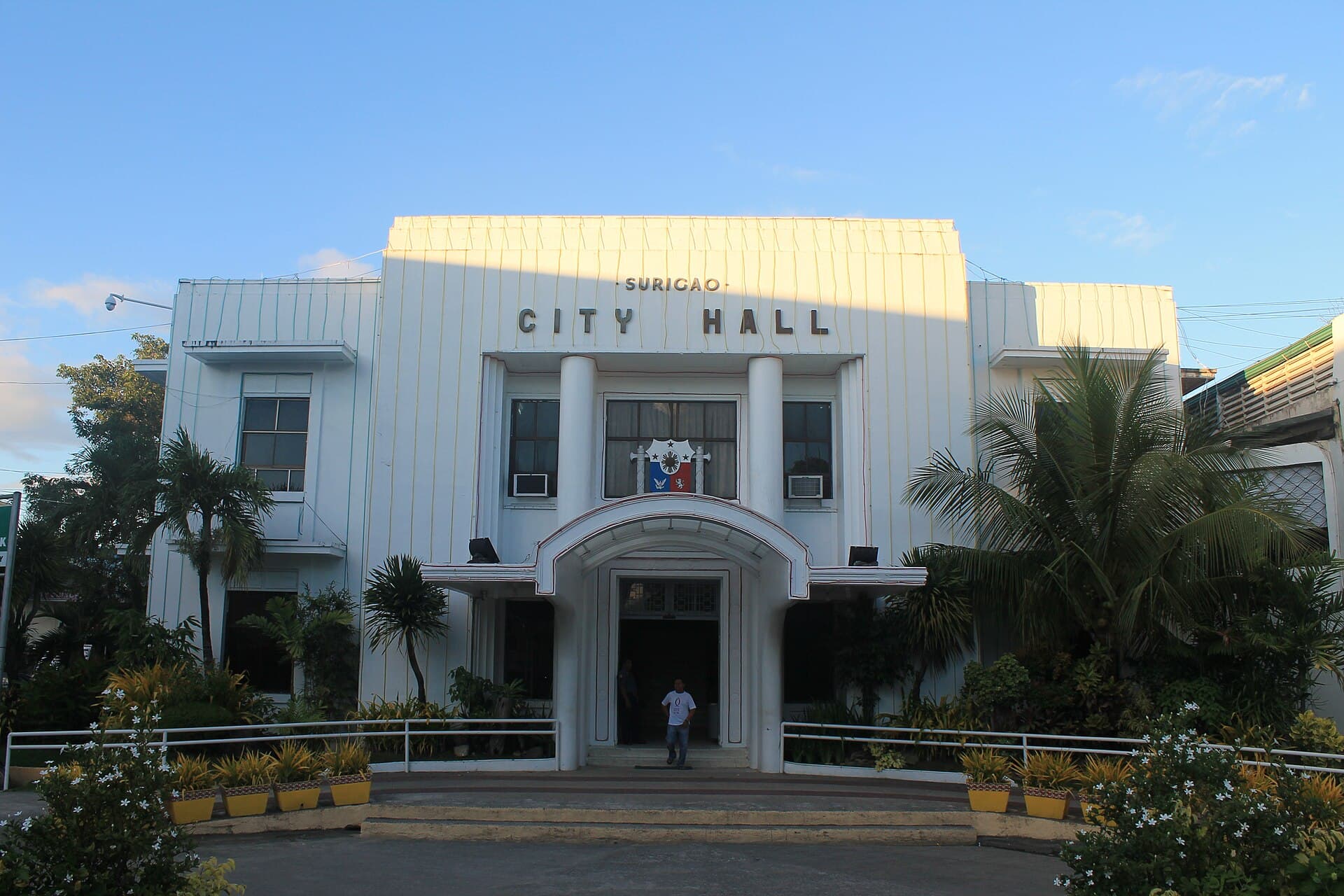
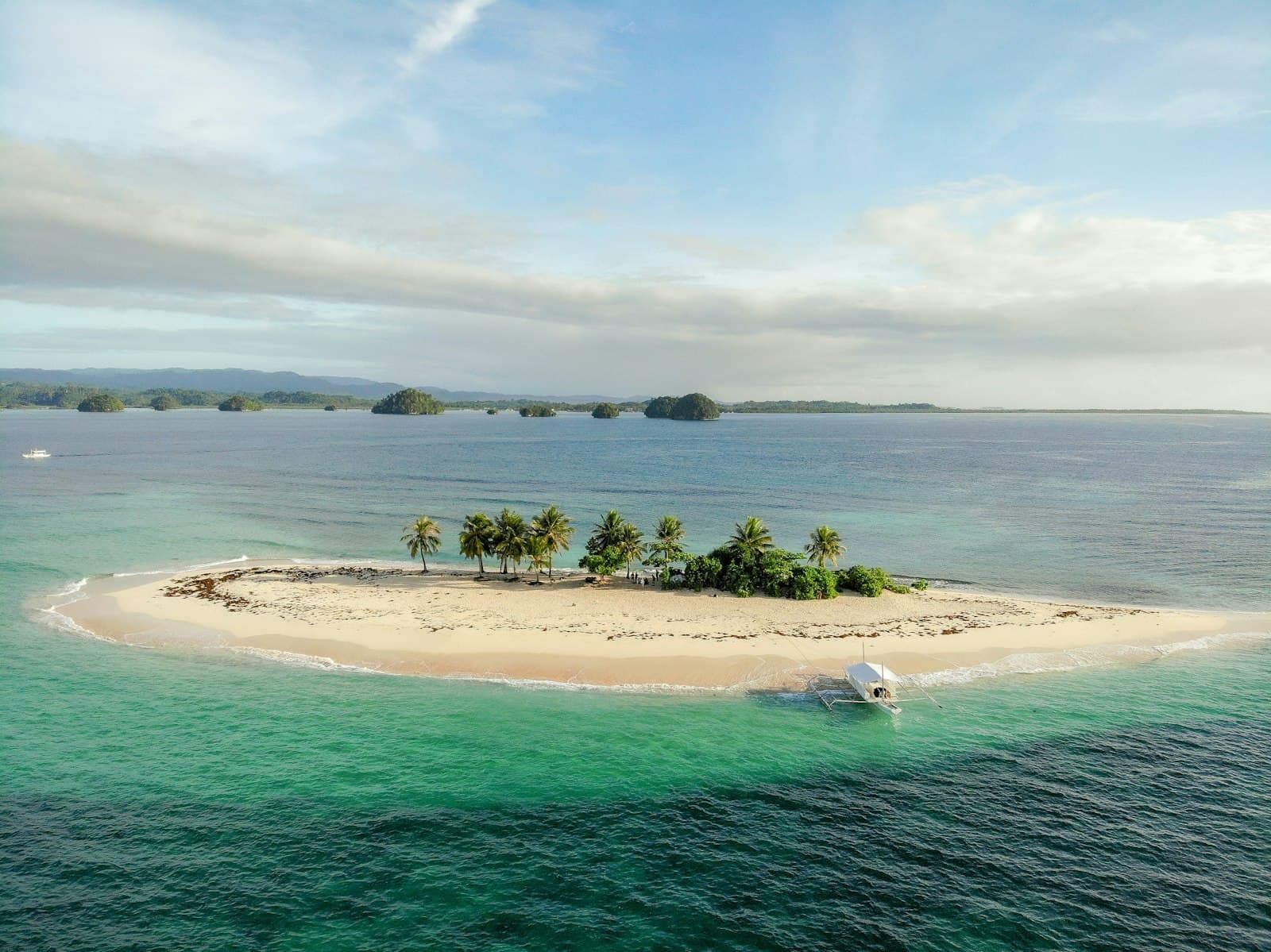
Surigao, PhilippinesRoel Balingit / CC BY-SA 4.0, via Wikimedia Commons
PH

Surigao

Where emerald islands meet a storied past.

The secrets of Surigao

Surigao, as no one tells it.

Not the postcards. The stories even locals don't know — whispered in your ear, right where they happened.

3 secrets below. Many more wait inside the tour.
Surigao Strait

The waters surrounding Surigao conceal a secret from a bygone era of naval warfare.

Full story unlocks in the tour
Mabua Pebble Beach

This beach offers a unique tactile experience that challenges typical expectations of a shoreline.

Full story unlocks in the tour
Surigao City Public Market

Beyond a place for daily necessities, the public market holds a key to understanding the region's indigenous culinary traditions.

Full story unlocks in the tour
The full tour

Discover every secret of Surigao

Every address, every reveal in full — in your ear, right where it happened.

Get the key to Surigao

You pick your stops. You walk. The voice reveals what the others miss.

Choose your time

How long do you have in Surigao?

No tours available yet. Check back soon — we're preparing them.

About Surigao

The story of Surigao

Surigao City, often called the "City of Island Adventures," serves as a crucial entry point to Northern Mindanao, positioned at the northeastern edge of the island. As the capital of Surigao del Norte, it functions as a significant transit hub, connecting the Visayas and Mindanao regions.

This animated port city, home to approximately 170,000 residents, offers a blend of urban energy and natural splendor. While it operates as a contemporary center, Surigao also possesses considerable cultural depth, inviting visitors to explore its historical importance and distinctive geographical features.

History

From Ancient Settlements to Colonial Hub

The history of Surigao reaches back to antiquity, predating European colonization. The area was originally inhabited by ethnic groups speaking the Surigaonon language, and the settlement, then known as Banahao, was a crucial point for local seafarers. Archaeological finds, like the "Surigao Treasure," indicate that ancient inhabitants were skilled in gold mining and jewelry making, engaging in active trade with neighboring Asian states.

Spanish Era and Strategic Importance

The official establishment of Surigao within the Spanish colonial system occurred in the mid-18th century. In 1752, it became the permanent residence of missionaries and the capital of the district, after the administrative center was moved from other settlements. The city's name is thought to derive from the local word "sulig" (sprout or spring water) or the Spanish "surgir" (to flow, to appear), referencing the river flowing into the sea. Its geographical location at the northeastern tip of Mindanao, directly by the Surigao Strait, made it a natural entry point to the island for ships from the north. During the Spanish era, Surigao served as the capital of the expansive Caraga region, concentrating political and religious power.

World War II and Post-War Development

Surigao played a significant role in World War II. On May 23, 1942, the Japanese Imperial Army occupied Surigao, and the city became a strategic military outpost for both Japanese and Allied forces. Its position was vital for controlling sea routes and troop movements. The Battle of Surigao Strait in 1945 was a turning point, where Allied forces launched a surprise attack, crippling the Japanese fleet. Following the war, significant reconstruction efforts took place, including the completion of the Surigao Provincial Capitol in 1946.

Modernization and Cityhood

In 1960, the province of Surigao was divided into Surigao del Norte and Surigao del Sur, with Surigao remaining the capital of Surigao del Norte. The city experienced rapid growth, with the establishment of a domestic airport, movie houses, hotels, and hospitals. Surigao officially became a chartered city on August 31, 1970. The late 20th and early 21st centuries saw further economic expansion and modernization, with Surigao being recognized as one of the Philippines' most livable and business-friendly cities.

What to see

Surigao offers a variety of attractions that highlight its natural beauty and historical significance. Mabua Pebble Beach stands out with its shoreline composed entirely of smooth, round stones, providing a distinct experience from typical sandy beaches. For a glimpse into local life, the Day-asan Floating Village, often called the "Little Venice of Surigao," features houses on stilts amidst mangrove forests and clear waters.

History enthusiasts can visit the Battle of Surigao Strait Museum, located within Luneta Park, which houses World War II artifacts and memorabilia. Luneta Park itself is a central gathering spot for locals and visitors, offering a green space for relaxation. For those seeking adventure, the Silop Multi-Caves offer exploration opportunities for various skill levels. Additionally, the Surigao City Public Market provides an insightful look into the region's agricultural and marine bounty.

When to visit

The ideal time to visit Surigao City is from March to May, when the weather is generally clear, and the sea is calm, perfect for outdoor activities. March is particularly recommended for its pleasant weather and the possibility of seeing whale sharks. For fewer crowds and potentially better rates, consider visiting between January and February. It is advisable to avoid the rainy season, which typically runs from June to October, as storms can impact island tours and boat trips.

Practical

Surigao City is well-connected, with flights available from major cities like Cebu and Manila, though sea travel is also an option via shipping lines from Cebu. Once in the city, getting around is relatively easy due to wide roads and various public transportation options, including multicabs, tuk-tuks (locally known as "bao-bao"), pedicabs, and tricycles, with minimum fares ranging from ₱10-35. The city has a relaxed atmosphere, and many attractions are within walking distance.

Accommodation options vary, with average rates for a double room in a 3-star hotel starting around ₹3,316 per night. For dining, Surigao offers a culinary landscape rich in seafood, with local dishes like Kinilaw (ceviche) being a staple. Exploring the public market is recommended for fresh produce and local delicacies.

Good to know
What is Surigao City known for?
Surigao City is known as the "City of Island Adventures" due to its numerous islands, unique pebble beaches, and diverse natural attractions. It's also recognized for its historical significance, particularly its role in World War II.
What language is spoken in Surigao City?
The primary language spoken in Surigao City is Surigaonon, which shares similarities with Cebuano but has distinct characteristics. Filipino and English are also widely understood.
Are there unique beaches in Surigao City?
Yes, Surigao City is home to Mabua Pebble Beach, which is distinctive for its shoreline made of smooth, multi-sized pebbles instead of sand.
What historical events took place in Surigao?
Surigao was a strategic location during World War II, and the Battle of Surigao Strait was fought in its waters, marking the last battleship-to-battleship engagement in naval history.
What is the Bonok-Bonok Festival?
The Bonok-Bonok Maradjaw Karadjaw Festival is an animated street dancing event held annually in September. It originated as a prayer to animistic nature spirits for healing and abundant rain, blending indigenous traditions with Catholic veneration.
Is Surigao City a good base for exploring other islands?
Yes, Surigao City serves as a major gateway and an excellent base for exploring nearby islands and destinations, including Siargao, Dinagat Islands, and Sohoton Cove National Park in Socorro.
Surigao
From€9.00
No booking · activate anytime · 12h to walk it
Get the key to Surigao