Der Große Kanal
Der Große Kanal, ein UNESCO-Weltkulturerbe, fließt durch Suzhou. Doch seine Entstehung diente nicht immer dem Handel.
Die ganze Geschichte wird in der Tour freigeschaltet
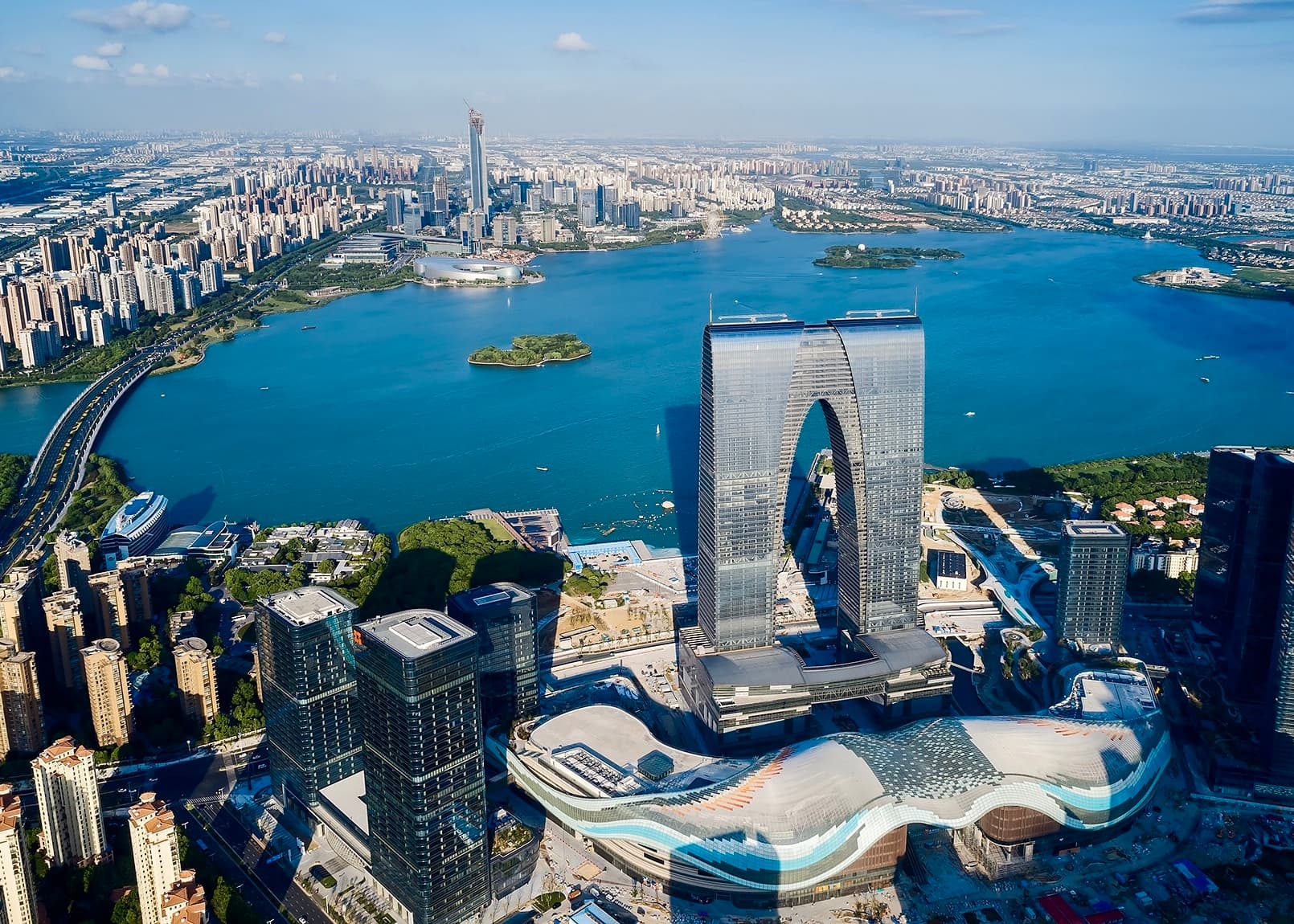 铁头娃蛤蛤 / CC BY-SA 4.0, via Wikimedia Commons
Selbstgeführte Audio-Walking-Tour durch Suzhou — GPS-Route, Offline-Wiedergabe, erzählerische Narration in 32 Sprachen.
“Wo alte Kanäle mit Seidenflüstern summen und Gelehrtengärten blühen.”
Nicht die Postkarten. Die Geschichten, die selbst Einheimische nicht kennen – dir ins Ohr geflüstert, genau dort, wo sie geschahen.
Der Große Kanal, ein UNESCO-Weltkulturerbe, fließt durch Suzhou. Doch seine Entstehung diente nicht immer dem Handel.
Diese exquisiten Gärten werden für ihre Harmonie und subtile Gestaltung gefeiert und oft in ganz China nachgeahmt. Dennoch war ihre Existenz einst bedroht.
Suzhou wird seit Jahrhunderten als „Heimat der Seide“ anerkannt, seine zarten Stoffe sind weltweit geschätzt. Das Geheimnis dieser kostbaren Ware wurde jedoch einst streng gehütet.
Entdecke jedes Geheimnis von Suzhou
Jede Adresse, jede Enthüllung vollständig – in deinem Ohr, genau dort, wo es geschah.
Du wählst deine Stationen. Du gehst. Die Stimme enthüllt, was andere übersehen.


Lume enthält einen integrierten Augmented-Reality-Guide. Halten Sie Ihr Handy hoch: Die Kamera zeigt die Straße vor Ihnen, mit einem leuchtenden Pfeil über dem echten Bild, der immer auf Ihren nächsten Stopp zeigt — keine Karte zum Rätseln, keine falschen Abzweigungen. Wie alles bei Lume funktioniert es komplett offline.
Suzhou, oft als „Venedig des Ostens“ bezeichnet, ist eine Stadt, in der sich alte Wasserwege durch eine Landschaft schlängeln, die mit klassischen Gärten und historischer Architektur geschmückt ist. Mit einer über 2.500-jährigen Geschichte ist die Stadt seit langem ein Zentrum für Kultur, Handel und Kunst im Jangtse-Delta. Ihr komplexes Netz aus Kanälen, traditionellen Häusern am Wasser und eleganten Steinbrücken versprüht einen zeitlosen Charme und bietet einen Einblick in vergangene Epochen.
Über seine malerische Landschaft hinaus ist Suzhou international für seine klassischen Gärten bekannt, von denen neun zum UNESCO-Weltkulturerbe gehören. Diese sorgfältig gestalteten Räume, geschaffen von Gelehrten und Künstlern, repräsentieren die raffinierteste Form chinesischer Gartenkunst und vereinen Architektur, Wasser, Felsen und Pflanzen zu poetischen Ausdrücken der Natur. Die tiefe Verbindung der Stadt zur Seidenproduktion prägt ihre Identität weiter und bringt ihr den Ruf der „Heimat der Seide“ in China ein.
Die Ursprünge Suzous reichen bis ins Jahr 514 v. Chr. zurück, als von den Herrschern des Staates Wu während der Zeit der Frühlings- und Herbstannalen eine Stadt mit einer heute noch ähnlichen Begrenzung gegründet wurde. Ursprünglich Helü genannt, diente sie als Hauptstadt des Staates Wu und war für ihre Schwertschmiedekunst berühmt. Die strategische Lage der Stadt in einer Tiefebene zwischen dem Tai-See und Shanghai, umgeben von Kanälen, erwies sich als entscheidend für ihre Entwicklung.
Unter der Qin-Dynastie (221–207 v. Chr.) wurde sie zum Sitz des Landkreises Wuxian. Der Name Suzhou, abgeleitet vom Gusu-Berg, wurde offiziell im Jahr 589 n. Chr. während der Sui-Dynastie angenommen. Der Bau des Großen Kanals verwandelte Suzhou in einen wichtigen administrativen und kommerziellen Knotenpunkt, der den Norden und Süden Chinas verband und schnelles Wirtschaftswachstum ermöglichte. Marco Polo bemerkte bei seinem Besuch im 13. Jahrhundert ihre Pracht und den Reichtum ihrer Kaufleute und Handwerker.
Die Stadt erreichte den Höhepunkt ihres Wohlstands während der Ming- (1368–1644) und frühen Qing-Dynastien (1644–1911/12). In dieser Ära blühte Suzhou als Zentrum für Wissenschaft, Kunst und Finanzen auf. Die florierende Seidenindustrie und Stickerei waren bedeutende Reichtumsquellen, und die kaiserliche Regierung richtete sogar ein spezielles Seidenwebbüro ein, um luxuriöse Stoffe für die königliche Familie herzustellen. Diese Periode sah auch den Bau vieler der gefeierten Privatsammlungen von Suzhou, die von wohlhabenden Landbesitzerfamilien und Gelehrtenbeamten im unverwechselbaren „Jiangnan-Stil“ erbaut wurden. Suzous Wohlstand sah sich jedoch Herausforderungen gegenüber, darunter die Besetzung während der Taiping-Rebellion (1860–1863), die viele Gebäude und Gärten in Ruinen hinterließ. Trotz dieser Rückschläge erholten sich die Bevölkerung und die Wirtschaftsaktivität der Stadt, und sie blieb ein wichtiges Zentrum, das sich schließlich zu einem bedeutenden Touristenziel und einem Industriezentrum für High-End-Fertigung in der modernen Zeit entwickelte.
Suzhou bietet eine Mischung aus historischem Charme und moderner Energie. Beginnen Sie mit den Klassischen Gärten von Suzhou, einem UNESCO-Weltkulturerbe. Der Garten des bescheidenen Verwalters ist der größte und wohl berühmteste, bekannt für seine alten Bogenbrücken, Pavillons und vielfältige Pflanzenwelt. Der Garten der Verweilenden Freuden, ein weiteres UNESCO-Weltkulturerbe, wird für seine kunstvolle Architektur und die beeindruckende Felsformation „Cloud-Capped Peak“ gefeiert. Für ein anderes Erlebnis ist der Garten des Netzmeisters der kleinste der UNESCO-Gärten, aber fein verziert und gut erhalten, so gestaltet, dass er größer erscheint, als er tatsächlich ist.
Erkunden Sie jenseits der Gärten die Wasserwege der Stadt. Machen Sie eine Bootsfahrt auf dem Großen Kanal oder schlendern Sie durch die historischen Viertel Pingjiang Road und Shantang Street, wo alte Kanäle von traditionellen Häusern, Teehäusern und Geschäften gesäumt sind. Der Tigerturm ist eine weitere ikonische Stätte mit der schiefen Yunyan-Pagode, oft als „Schiefer Turm von China“ bezeichnet. Das Suzhou Museum, entworfen von I.M. Pei, bietet einen markanten modernen architektonischen Kontrast und beherbergt Artefakte, die Suzous Geschichte dokumentieren. Um tiefer in das Seidenerbe der Stadt einzutauchen, besuchen Sie das Suzhou Silk Museum, das den gesamten Seidenproduktionsprozess von Seidenraupen bis zu fertigen Stickereien zeigt. Erwägen Sie einen Tagesausflug in eine der nahegelegenen alten Wasserstädte wie Tongli oder Zhouzhuang, um einen Einblick in das traditionelle Leben am Wasser zu erhalten.
Die angenehmsten Zeiten für einen Besuch in Suzhou sind im Frühling (März bis Mai) und Herbst (September bis November). In diesen Jahreszeiten ist das Wetter mild, mit Temperaturen zwischen 10–25 °C im Frühling und 18–28 °C im Herbst, was ideal für die Erkundung der Gärten und Kanäle ist. Der Frühling bringt blühende Blumen in die Gärten, während der Herbst goldenes Laub und klaren Himmel bietet. Sommer (Juni bis August) sind heiß und feucht, mit Temperaturen um 32 °C, und starke Regenfälle sind häufig. Winter (Dezember bis Februar) sind feucht und kühl, bieten aber ein ruhigeres Erlebnis mit weniger Menschenmassen. Vermeiden Sie nationale Feiertage wie die erste Maiwoche und die erste Oktoberwoche, da die Attraktionen dann extrem überfüllt sein können.
Suzhou ist leicht erreichbar, insbesondere von Shanghai aus, mit häufigen Hochgeschwindigkeitszügen, die etwa 25–35 Minuten benötigen. Die nächstgelegenen internationalen Flughäfen sind Shanghai Pudong (PVG) und Hongqiao (SHA). In Suzhou angekommen, verfügt die Stadt über ein umfassendes U-Bahn-System, ein ausgedehntes Busnetz sowie leicht verfügbare Taxis und Fahrdienste wie Didi. Fahrräder sind ebenfalls eine bequeme Option für die Fortbewegung.
Die meisten Einheimischen sprechen kein Englisch, daher ist ein Gesprächsführer oder eine Übersetzungs-App ratsam, und es ist hilfreich, Ihr Ziel für Taxifahrer auf Chinesisch aufgeschrieben zu haben. Trinkgeld wird in China im Allgemeinen nicht erwartet. Leitungswasser in Suzhou ist nicht trinkbar, also bleiben Sie bei Flaschenwasser. Obwohl im Allgemeinen sicher, achten Sie auf den Verkehr beim Überqueren von Straßen, da Autofahrer möglicherweise nicht immer auf Signale achten und leise Roller üblich sind.
Suzhou — Koreanisch, Chinesisch, Hebräisch und 29 weitere Sprachen, jede Station von einer muttersprachlichen Stimme erzählt. Die größte Sprachauswahl aller selbstgeführten Audiotouren.
Verfügbar auf: