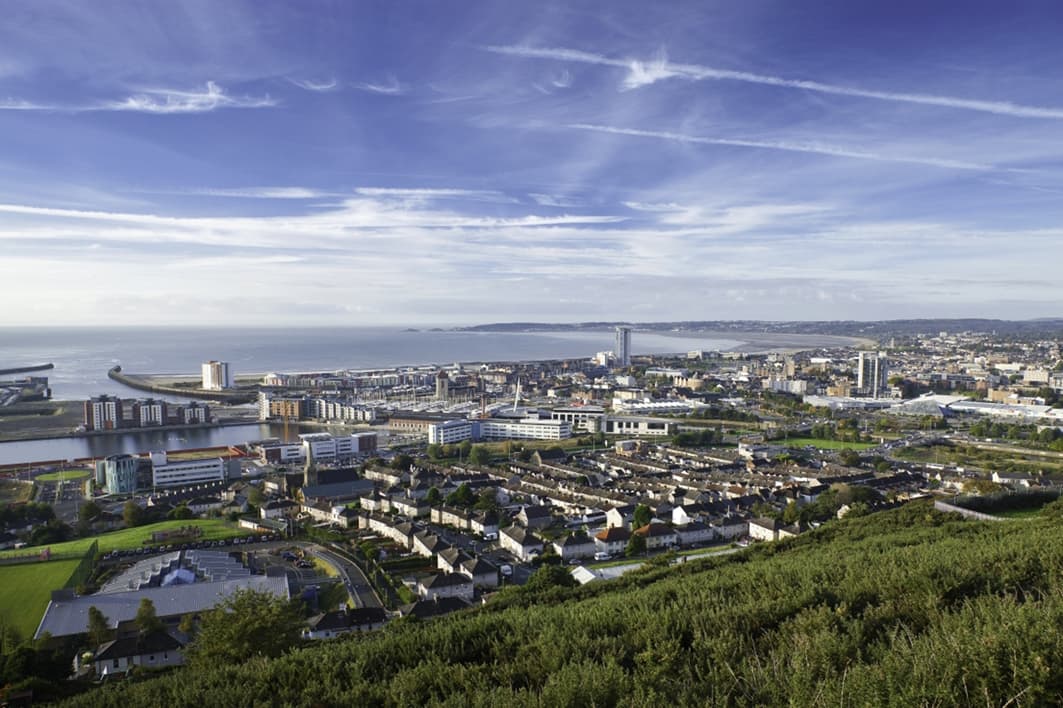
Swansea, United KingdomNumero007 / CC BY-SA 4.0, via Wikimedia Commons
GB

Swansea

Where ancient stories meet a modern tide.

The secrets of Swansea

Swansea, as no one tells it.

Not the postcards. The stories even locals don't know — whispered in your ear, right where they happened.

3 secrets below. Many more wait inside the tour.
Wind Street

Beneath the lively footsteps of Swansea's main thoroughfare lies a secret passage with a shadowy past.

Full story unlocks in the tour
St Mary's Church (now Swansea Minster)

A striking stone carving, believed to depict a ghostly figure, once adorned a significant local building.

Full story unlocks in the tour
The Mumbles Railway

The world's first fare-paying passenger railway had a surprising reason for its eventual closure.

Full story unlocks in the tour
The full tour

Discover every secret of Swansea

Every address, every reveal in full — in your ear, right where it happened.

Get the key to Swansea

You pick your stops. You walk. The voice reveals what the others miss.

Choose your time

How long do you have in Swansea?

No tours available yet. Check back soon — we're preparing them.

About Swansea

The story of Swansea

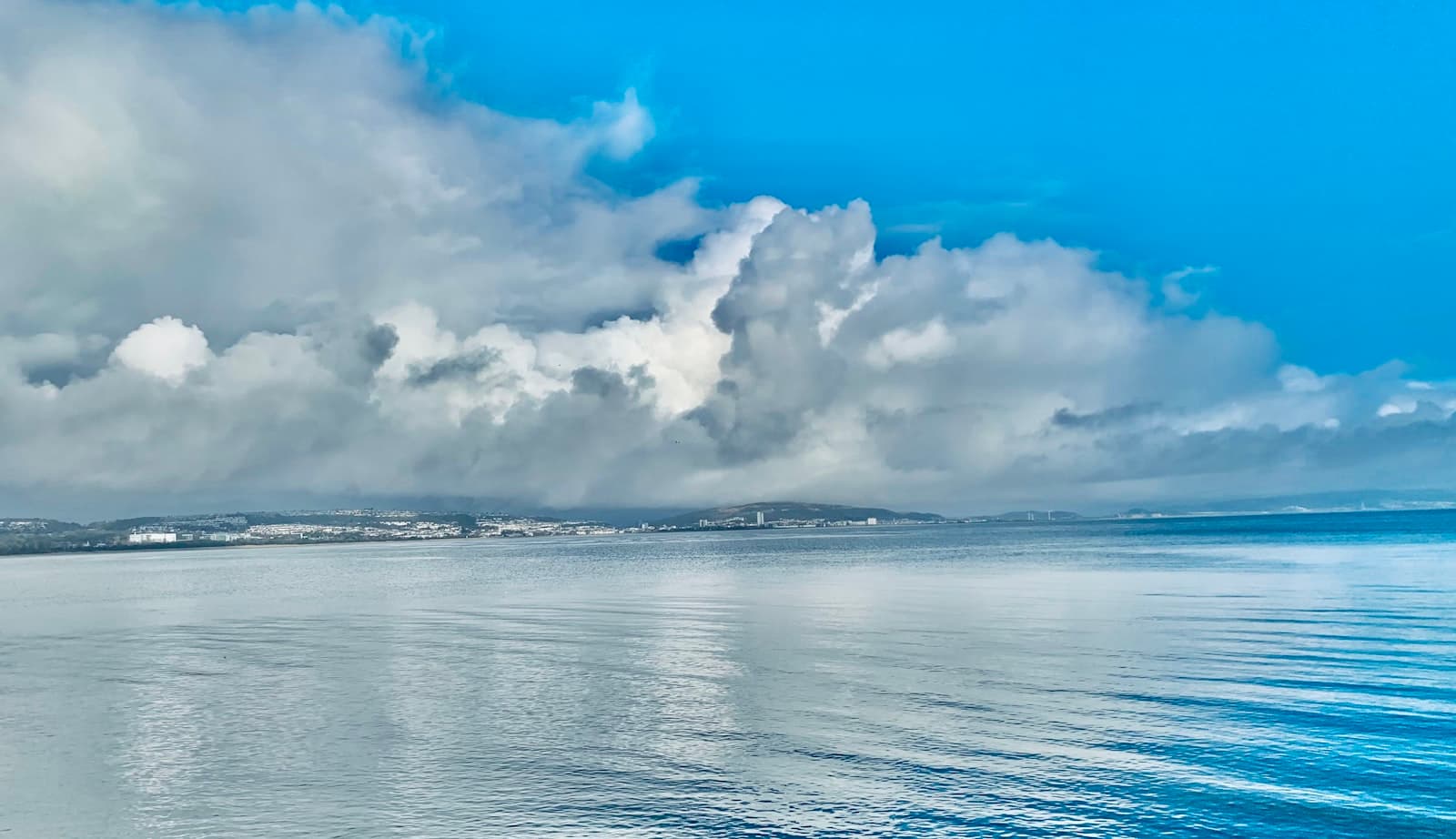
Swansea, known in Welsh as Abertawe, meaning 'mouth of the Tawe River,' is a coastal city in South Wales, the second-largest in the country. It unfolds along a wide, curving bay at the western end of the Bristol Channel, with the Gower Peninsula, the UK's first Area of Outstanding Natural Beauty, forming a significant part of its principal area. This blend of urban life and natural landscapes offers visitors a diverse experience, from expansive sandy beaches and dramatic cliffs to a city center rebuilt after extensive bombing during World War II.

Beyond its scenic beauty, Swansea holds a deep historical resonance, from prehistoric settlements to its industrial boom as "Copperopolis." It is a place where ancient myths and modern developments intertwine, offering a unique glimpse into Welsh heritage. The city's resilient spirit is evident in its ongoing regeneration and its commitment to preserving its past while embracing the future.

History

From Ancient Shores to Copperopolis

Swansea's history stretches back to the Palaeolithic era, with archaeological finds in the Gower Peninsula, such as those at Long Hole Cave, suggesting the presence of the first modern humans in Britain. The area is also home to the oldest known ceremonial burial in Western Europe, the "Red Lady of Paviland," discovered in 1823 and dated to 22,000 BC. Bronze Age and Iron Age sites, including burial mounds and hill forts, further attest to the region's ancient past.

The city's formal origins trace back to the early 12th century when Henry de Beaumont founded a Norman castle in 1107, establishing Swansea as the administrative seat of the lordship of Gower. This early wooden castle was attacked by Welsh forces in 1116, and later rebuilt in stone after being razed in 1217. The castle, now largely in ruins, played a pivotal role in the town's development, attracting settlers and facilitating trade.

By the 18th and 19th centuries, Swansea underwent a dramatic transformation during the Industrial Revolution, earning the moniker "Copperopolis." The city became the world's leading copper-smelting destination, processing an astounding 90% of the world's copper output at its peak. This industrial boom led to significant population growth and the expansion of infrastructure, including the Swansea Canal (completed in 1798) and the Swansea and Mumbles Railway (opened in 1807), the world's first passenger railway. Swansea's industrial prominence extended to coal mining, iron, and steel production, and it became a hub for scientific, literary, and cultural life in South Wales, with the Bank of England establishing its first Welsh branch here in 1826.

The 20th century brought challenges, including heavy bombing during World War I and II, which devastated the city's industries and central areas. Despite these hardships, Swansea demonstrated a resilient spirit, undergoing rebuilding and regeneration. In the post-war era, the city shifted towards lighter industries and was granted city status in 1969. Today, Swansea continues to evolve, with ongoing redevelopment efforts that blend its deep past with a modern outlook.

What to see

Begin your exploration at Swansea Castle, a Norman fortress dating to the 12th century, with its remaining walls offering a glimpse into its tumultuous past. From there, wander to the National Waterfront Museum, which chronicles Wales' industrial and maritime heritage over the last 300 years. The Dylan Thomas Centre celebrates the life and work of the renowned Welsh poet, born and raised in Swansea. You can also visit his birthplace at 5 Cwmdonkin Drive, now beautifully restored.

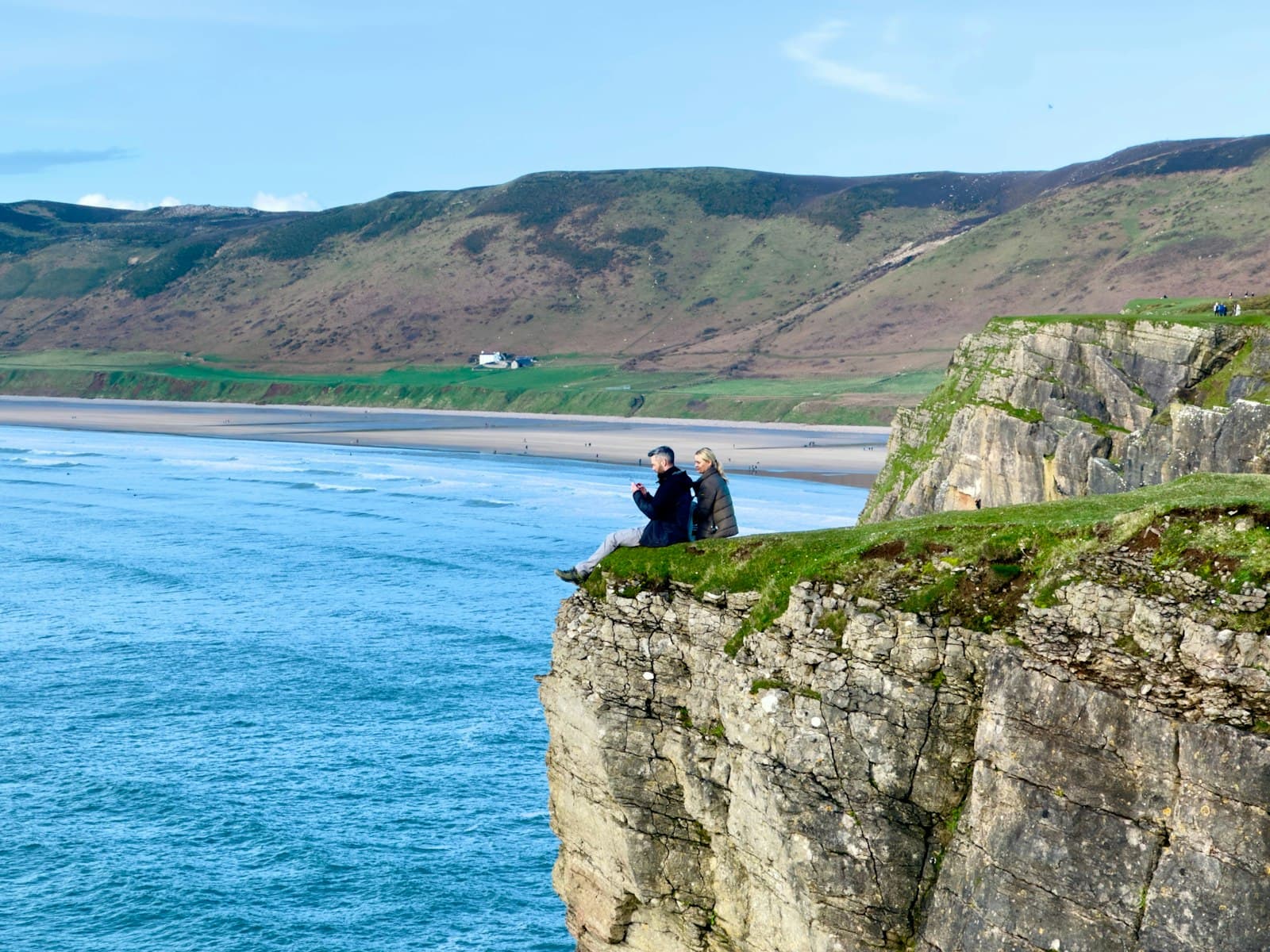
Experience Swansea Bay, a sweeping coastline offering sandy beaches and views of the Bristol Channel. Follow the Mumbles Railway Trail, a walking path that traces the route of the world's first passenger railway, leading to the charming village of Mumbles. Here, you will find the Victorian Mumbles Pier, with its arcade games, cafes, and views of the lighthouse. Oystermouth Castle, a Norman fortress, reveals ancient graffiti and panoramic bay views. The Gower Peninsula, a short drive away, is a designated Area of Outstanding Natural Beauty, featuring expansive beaches like Rhossili Bay, often ranked among the world's best. For a taste of local life, explore Swansea Market, the largest indoor market in Wales, offering Welsh delicacies like Penclawdd cockles.

When to visit

Swansea is enjoyable year-round, but the best time to visit for warmer weather and outdoor activities is between late spring and early autumn (May to October). Summer (June to August) is the busiest season, with numerous events and festivals, and ideal beach conditions. Spring brings blooming gardens, while autumn offers a quieter atmosphere for coastal walks. July and August are typically the warmest months, with average daytime temperatures around 20°C. While showers are common throughout the year, the city experiences moderate humidity, making for generally pleasant weather.

Practical

Swansea is easily accessible by train, with direct services from major UK cities like London Paddington, Cardiff, and Manchester. The city center is walkable, and many key attractions are reachable on foot. For exploring further afield, local buses serve the city and surrounding areas, and car rental is an option for venturing into the Gower Peninsula and beyond. Booking accommodation in advance is recommended, especially during peak season, as the city can get busy. Consider visiting during the low season (November to January) for potentially more affordable options. Pack waterproof clothing, as rain showers can occur throughout the year. Swansea Bay experiences significant tidal ranges, so it is advisable to check tide times if planning beach activities.

Good to know
What is Swansea's Welsh name?
Swansea's Welsh name is Abertawe, which translates to 'mouth of the Tawe River'.
What is Swansea famous for historically?
Swansea was historically known as "Copperopolis" due to its leading role in the copper-smelting industry during the 18th and 19th centuries, at one point producing 90% of the world's copper.
Is Swansea home to the world's first passenger railway?
Yes, the Mumbles Railway, established in 1807, was the world's first fare-paying passenger railway.
What is the Gower Peninsula known for?
The Gower Peninsula was the first area in the United Kingdom to be designated an Area of Outstanding Natural Beauty (AONB) and is known for its expansive beaches, such as Rhossili Bay.
Which famous poet was born in Swansea?
The renowned Welsh poet and playwright Dylan Thomas was born in Swansea in 1914.
Are there any ancient archaeological sites in Swansea?
Yes, the area around Swansea has a unique archaeological history, including the "Red Lady of Paviland," the oldest known ceremonial burial in Western Europe, dating back to 22,000 BC.
Swansea
From€9.00
No booking · activate anytime · 12h to walk it
Get the key to Swansea