The Secret Garden
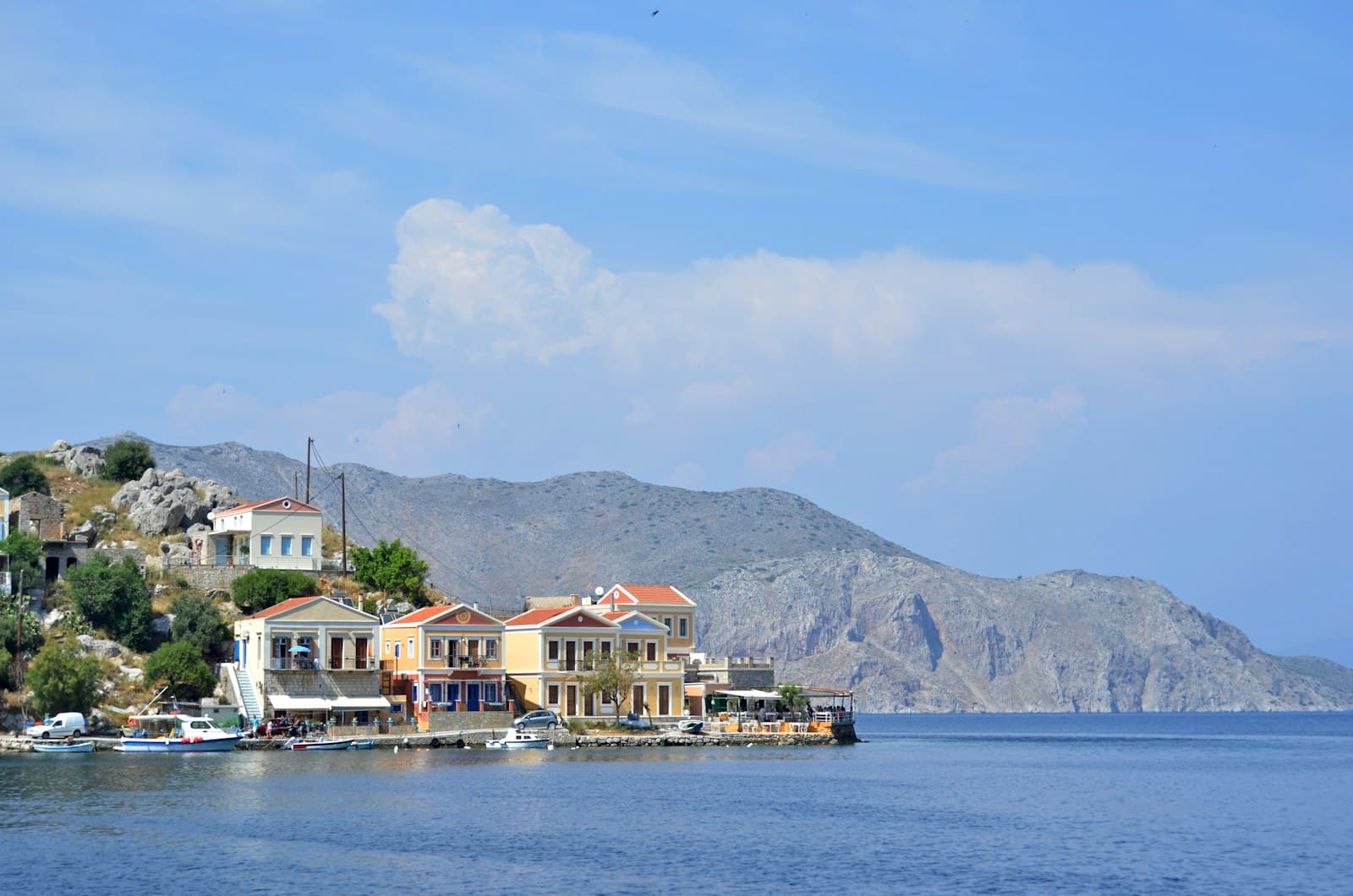
Beyond the harbor's colorful facade, a courtyard offers an unexpected retreat.
Full story unlocks in the tour
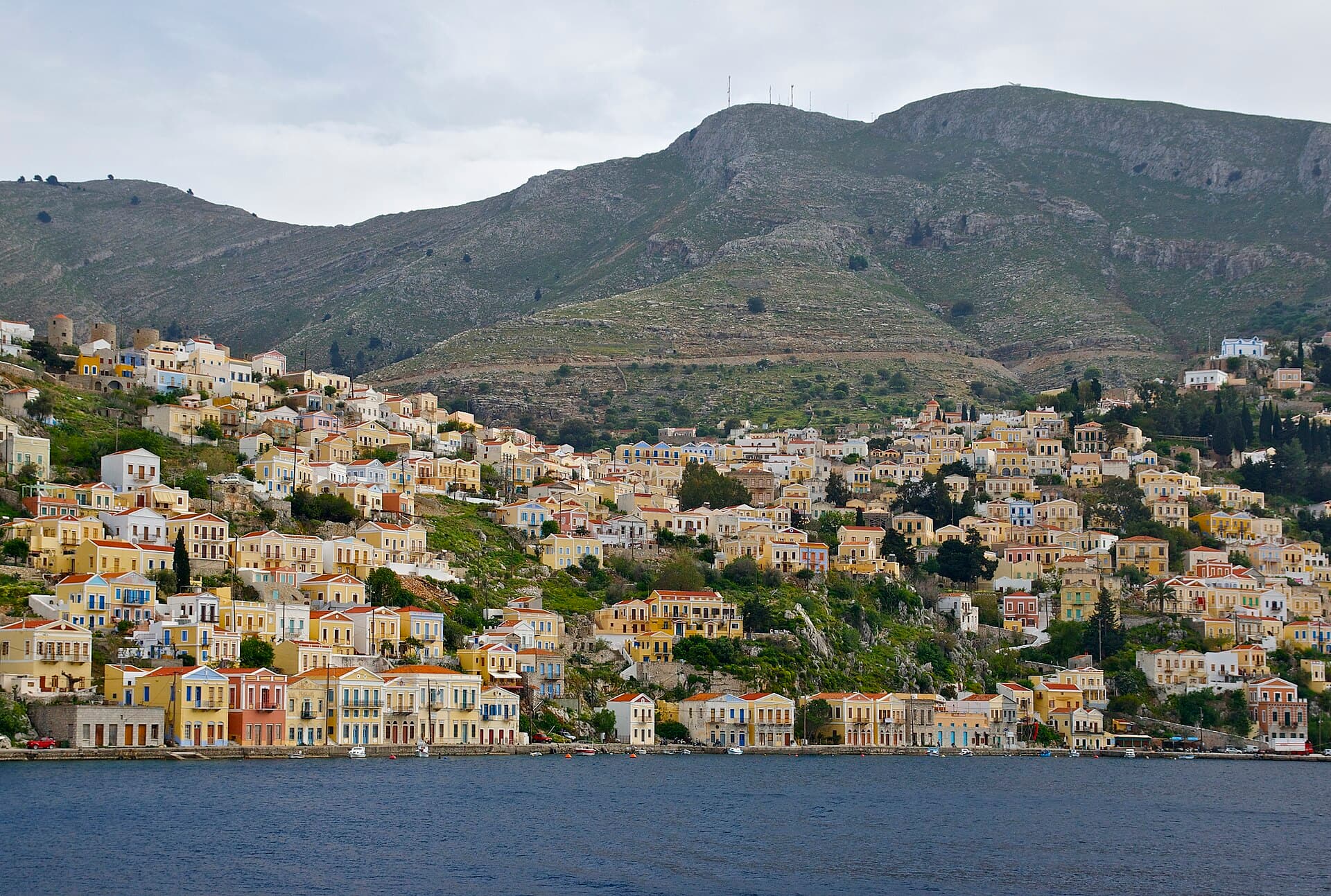 Jebulon / CC0, via Wikimedia Commons
Self-guided audio walking tour of Symi — GPS route, offline playback, story-driven narration in 32 languages.
“Where neoclassical elegance meets Aegean charm.”
Not the postcards. The stories even locals don't know — whispered in your ear, right where they happened.
Beyond the harbor's colorful facade, a courtyard offers an unexpected retreat.
The island's prosperity was forged by a daring, ancient profession, with a surprising twist in its evolution.
The lively harbor is merely the beginning; an ascent reveals another layer of Symi's character, and a unique architectural detail.
Discover every secret of Symi
Every address, every reveal in full — in your ear, right where it happened.
You pick your stops. You walk. The voice reveals what the others miss.


Lume has a built-in augmented-reality guide. Hold your phone up and its camera shows the street ahead of you, with a glowing arrow laid over the real view that always points to your next stop — no map to puzzle over, no wrong turns. Like everything in Lume, it works fully offline.
Symi, an island in Greece's Dodecanese chain, captivates visitors with its lively harbor and neoclassical architecture. Located north-northwest of Rhodes, this mountainous island is noted for its colorful buildings that cascade down hillsides, creating a striking visual upon arrival. The main town is divided into two parts: Gialos, the active lower town along the waterfront, and Chorio (also known as Ano Symi), the quieter upper town on the hill.
Beyond its striking aesthetics, Symi offers a relaxed, authentic Greek island experience. Its cultural identity is deeply rooted in maritime traditions, local music, and storytelling. The island's allure is enhanced by its warm locals, delicious cuisine, and a long history spanning thousands of years. Symi is an ideal destination for those seeking beautiful vistas, clear waters, historical exploration, and delicious Greek food, particularly its celebrated tiny shrimp.
## Ancient Roots and Mythological Beginnings Symi's history stretches back millennia, with evidence of habitation from the Bronze Age. In Greek mythology, the island is said to be the birthplace of the Charites and takes its name from the nymph Syme. Homer's Iliad mentions Symi as the domain of King Nireus, who led three ships to the Trojan War. Anciently, the island was also known by names such as Aigli and Metapontis. Thucydides records a naval battle near Symi in 411 BCE during the Peloponnesian War, where Spartan ships defeated an Athenian squadron.
## Medieval Prosperity and Ottoman Rule In 1309, Symi was conquered by the Knights of St. John, ushering in a period of prosperity driven by the development of shipping, commerce, and shipbuilding. The island's strategic location made it an important trade waypoint. In 1522, Symi, along with Rhodes, fell to the Ottoman Empire. However, the island retained many of its privileges, allowing its prosperity to continue. Under Ottoman rule, Symi was known as Sömbeki and became particularly noted for its sponge industry, which contributed significantly to its wealth.
## Golden Age and Neoclassical Splendor The mid-19th century marked the height of Symi's prosperity, fueled by shipbuilding and maritime commerce. This era saw the construction of many of the colorful neoclassical mansions that adorn the harbor today, reflecting the wealth and elegance of the island's shipowners. Symiots traveled extensively, bringing back architectural ideas from places like Smyrna (modern-day Izmir), Italy, France, and England. The ceramic roof tiles on these buildings, for instance, often came from Marseilles, and wood from Italy. The architecture is characterized by symmetrical elements, pleasing proportions, exterior shutters, and pediments. In 1971, Gialos, Chorio, Pedi, and Nimborio were declared heritage sites, ensuring the preservation of this unique architectural style.
## Modern Era and Tourism Despite participating in the Greek War of Independence (1821–1829), Symi remained under Ottoman rule until it was occupied by Italy in 1912. After a brief Nazi occupation during World War II, the island was under British administration for three years before finally rejoining Greece in 1948. The traditional economy, once based on shipbuilding and sponges, declined in the 20th century with the advent of steam-powered ships and a decrease in sponge diving. Today, Symi's main industry is tourism, drawing visitors with its preserved beauty and tranquil atmosphere. Many homes, destroyed during World War II, have been restored according to guidelines from the Greek culture ministry's Archaeological Service.
Begin your exploration at Gialos, Symi's main harbor, where colorful neoclassical buildings create a postcard-perfect scene. Take time to wander through its alleyways, beyond the waterfront cafes and shops. Ascend the Kali Strata, a wide stairway of approximately 500 steps, connecting Gialos to Chorio, the upper town. This walk offers views of the unique architecture and the Aegean Sea.
At the top of the Kali Strata, explore the remains of the Castle of the Knights, built in 1407, which offers panoramic views of Symi Town and Pedi, especially at sunset. Nearby, you can find the Church of Kyra Panagia. For a deeper dive into the island's past, visit the Symi Archaeological and Folklore Museum.
No visit to Symi is complete without experiencing its beaches. Many of the most appealing coves are only accessible by boat, making a boat tour a popular activity. Options include Nanou Beach, Marathounda Beach, and the dramatic Agios Georgios Dysalona Beach, backed by a 300-meter cliff. Consider a boat trip that includes a stop at the Holy Monastery of the Archangel Michael Panormitis, an 18th-century Venetian-style monastery dedicated to the island's patron saint.
The best times to visit Symi are during spring (April to June) and early autumn (September to October). During these shoulder seasons, the weather is mild, with temperatures ranging from 15°C to 29°C, and there are fewer tourists. This allows for comfortable exploration of the island and its beaches without the intense summer heat. While summer (July and August) brings warm, sunny weather ideal for beach activities, it is also the peak tourist season, with higher temperatures often reaching 30°C to 35°C.
Symi is a small island with no airport; access is solely by boat. Most visitors arrive via frequent ferries from Rhodes, a journey of approximately 50 minutes to 2 hours, or longer ferry routes from Piraeus (Athens). Ferry tickets can be purchased in advance online, especially during the busy summer months.
Once on the island, the main town of Gialos and Chorio can be explored on foot. For reaching more remote beaches or Panormitis Monastery, water taxis are available from the harbor, and a public bus service connects Gialos, Chorio, Pedi, and Panormitis. While car, motorbike, or quad rentals are available, many find them unnecessary due to the island's small size and limited road network. Freshwater is limited on Symi, so visitors are encouraged to conserve water.
Symi in Korean, in Chinese or in Hebrew — and 29 more languages, every stop narrated by a native voice. The widest language range of any self-guided audio tour.
Available in: