Главная площадь (Fő tér)
Орнаментальный барочный крест на Главной площади Сентендре — это не просто декоративный элемент.
Полная история открывается в туре
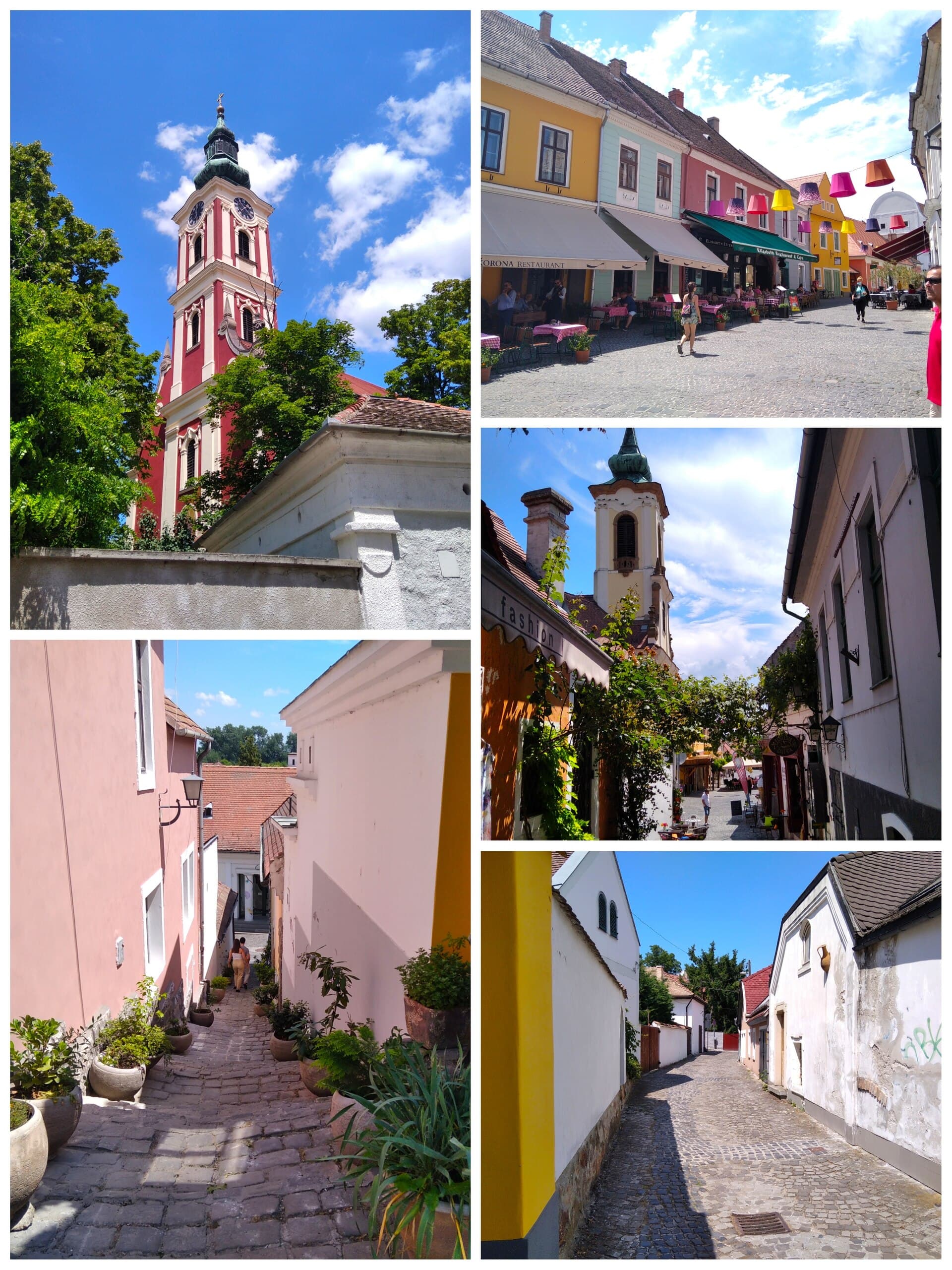 SNRTZ Minden kép saját / CC BY-SA 4.0, via Wikimedia Commons
Самостоятельная аудиопрогулка по Сентендре — GPS-маршрут, офлайн-воспроизведение, увлекательное повествование на 32 языках.
“Где дунайские течения встречаются с художественными мечтами.”
Не открытки. Истории, которые не знают даже местные жители — шепотом в вашем ухе, прямо там, где они произошли.
Орнаментальный барочный крест на Главной площади Сентендре — это не просто декоративный элемент.
Среди многочисленных художественных музеев Сентендре есть одна коллекция, для истинного понимания которой требуется лупа — или, скорее, микроскоп.
Хотя Сентендре известен своим артистическим стилем, его набережная хранит трогательный, почти забытый исторический памятник.
Откройте для себя каждый секрет Сентендре
Каждый адрес, каждое полное раскрытие — в вашем ухе, прямо там, где это произошло.
Вы выбираете остановки. Вы гуляете. Голос раскрывает то, что упускают другие.
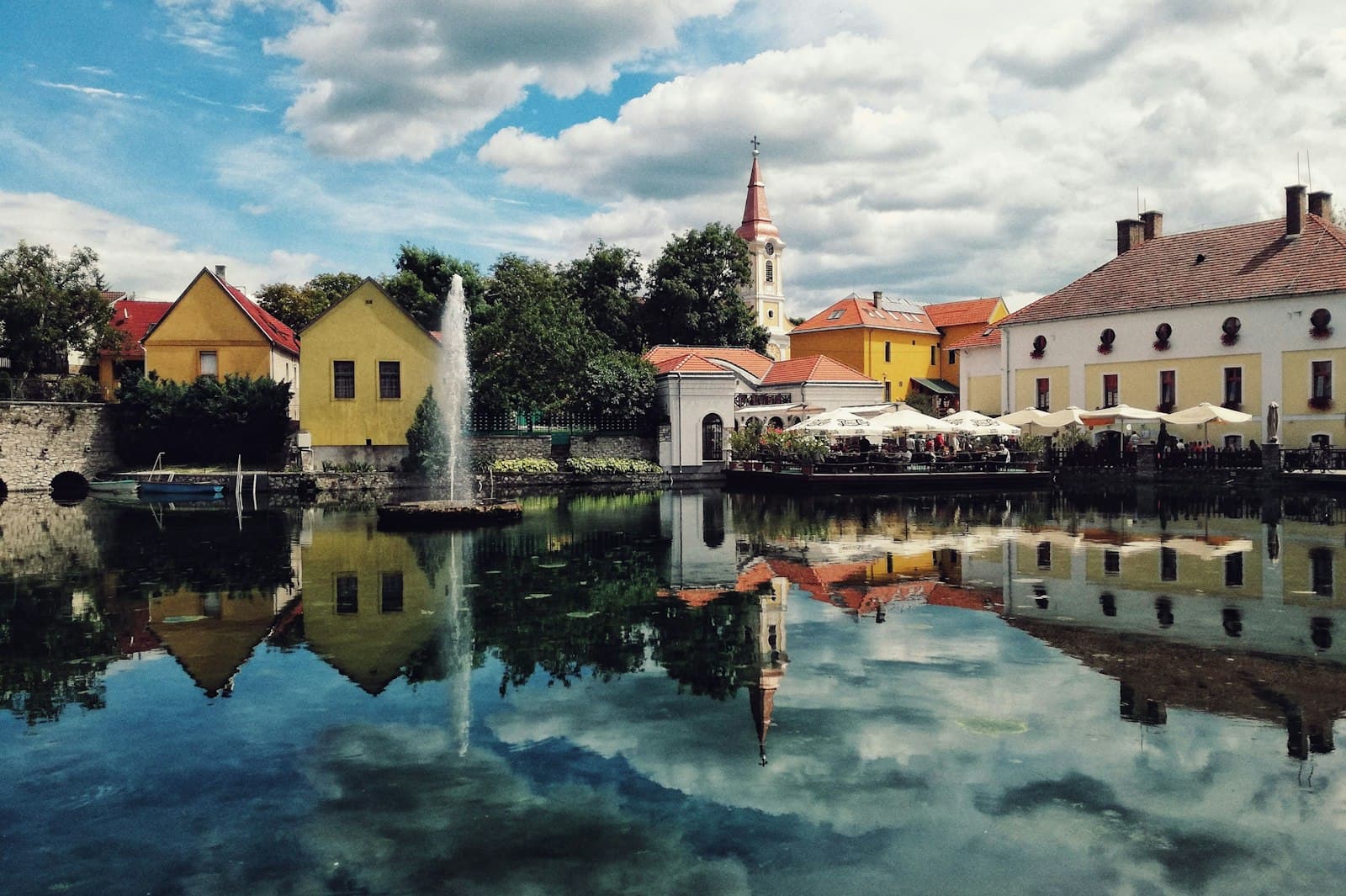
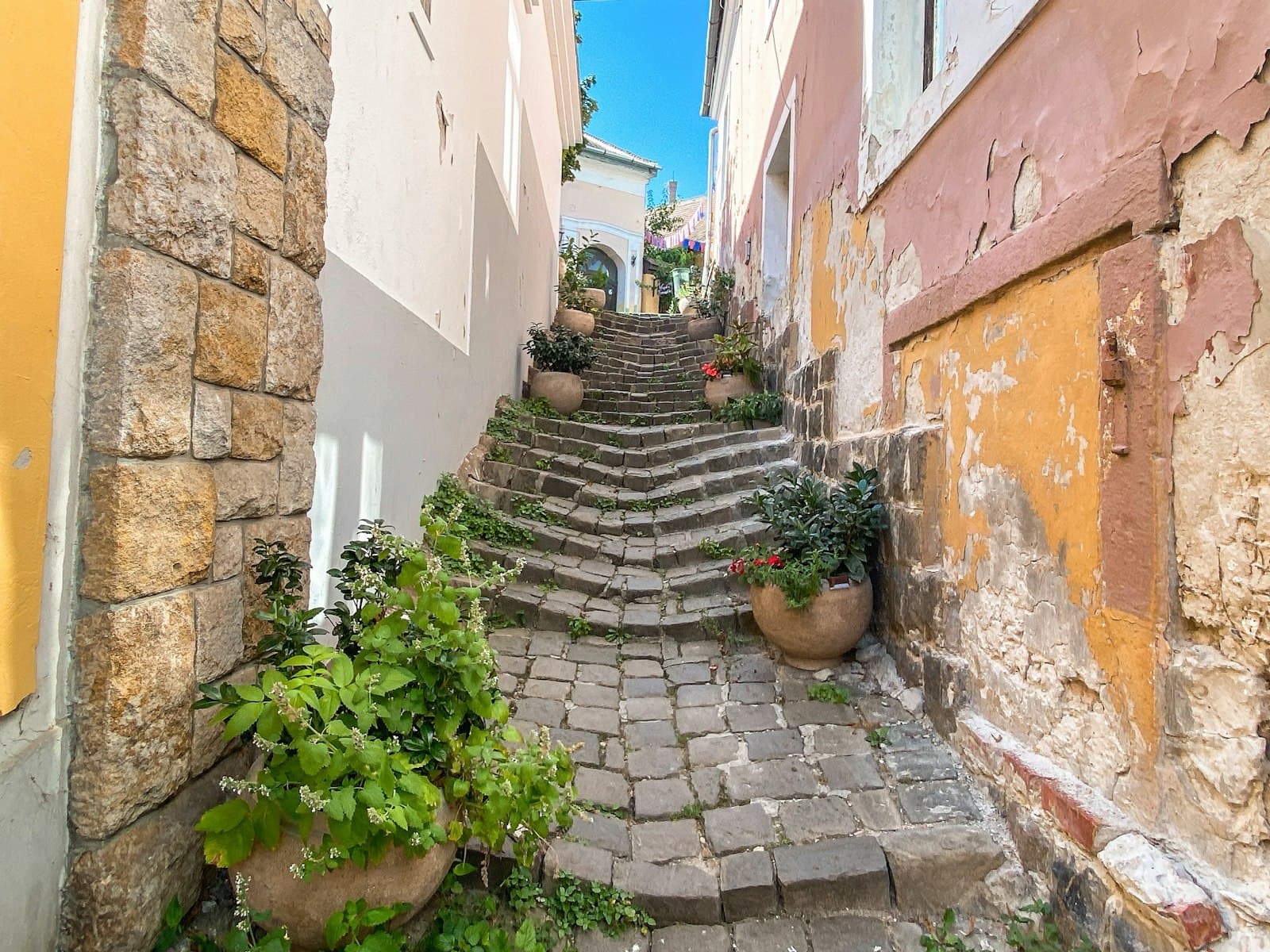
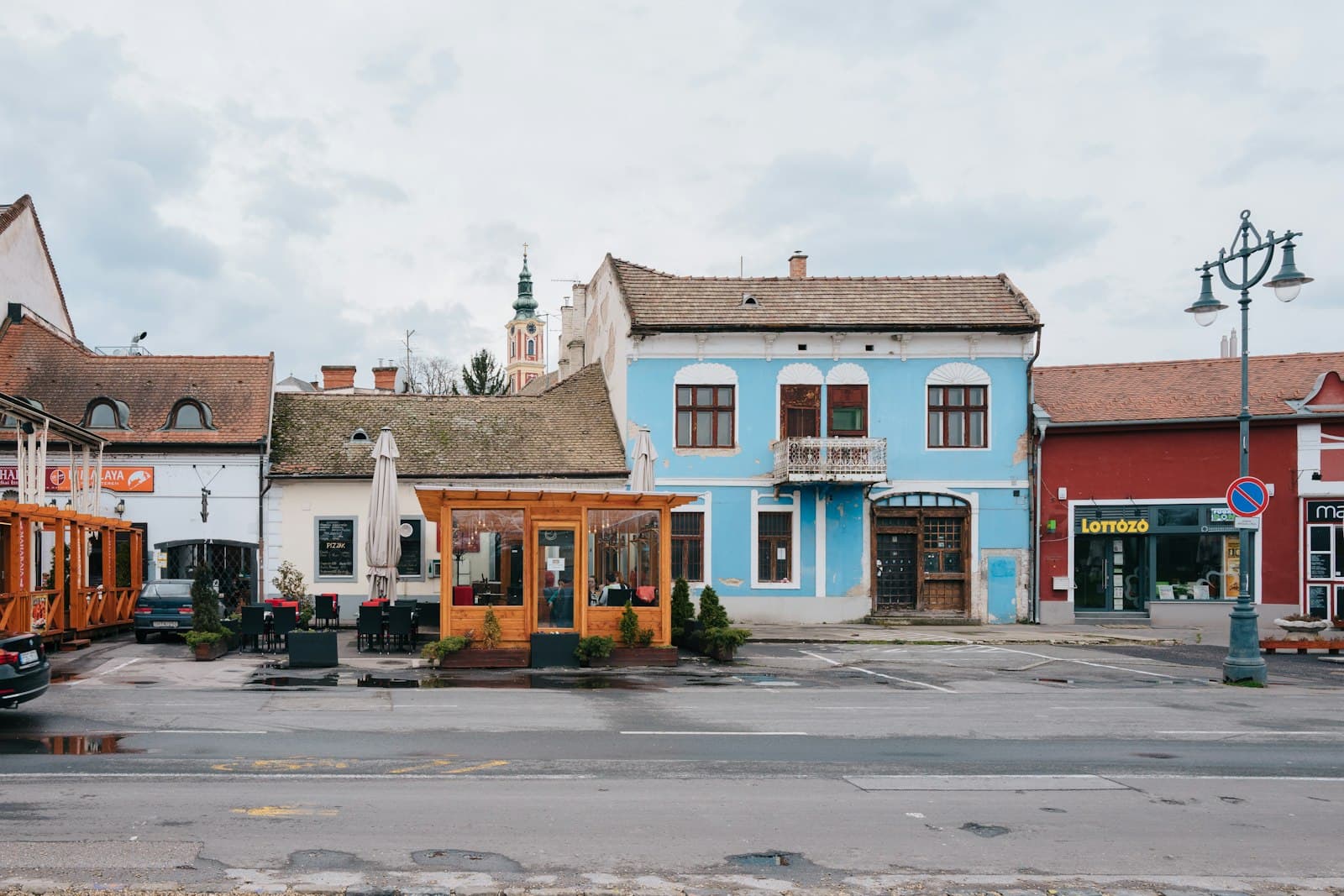
Ваш самостоятельный аудиотур по Сентендре готов — выберите свои достопримечательности, выберите свой язык и начните в момент прибытия.
КупитьВ Lume встроен гид дополненной реальности. Поднимите телефон: камера показывает улицу перед вами, а поверх реального изображения светится стрелка, всегда указывающая на вашу следующую остановку — не нужно разбираться с картой и сворачивать не туда. Как и всё в Lume, это работает полностью офлайн.
Сентендре, прибрежный город в медье Пешт, Венгрия, предлагает живописное убежище всего в нескольких минутах езды от Будапешта. Известный своими извилистыми улочками, барочной архитектурой и оживленным артистическим сообществом, он представляет собой уникальное сочетание венгерских и центральноевропейских традиций. Атмосфера города привлекает художников на протяжении многих поколений, создавая наследие творчества, видимое в его многочисленных галереях и музеях.
Часто называемый «Деревней художников», Сентендре — это место, где каждый уголок, кажется, рассказывает свою историю, от красочных зданий до безмятежной набережной Дуная. Это место, которое приглашает к неспешному исследованию, будь то его художественное наследие, его мультикультурное прошлое или просто очарование его причудливых улиц и кафе.
Территория, где сейчас находится Сентендре, изначально была необитаемой, когда венгры прибыли в IX веке. Однако его история простирается гораздо дальше: есть свидетельства проживания иллирийских и кельтских поселенцев, за которыми последовали римские завоеватели во время правления Августа. Римляне основали значительное укрепление под названием Ulcisia Castra, или «Волчий замок», как часть своей оборонительной системы на Дунае. После римлян в регионе присутствовали гунны, лангобарды и авары, прежде чем поселились венгры.
Считается, что название города, Сентендре, происходит от средневекового латинского «Sanctus Andreas» (Святой Андрей), впервые появившегося в документе 1146 года. Первый период процветания Сентендре пришелся на XIV век. Однако город был почти полностью разрушен во время османского владычества и последующих конфликтов в XVI и XVII веках.
Поворотный момент в истории Сентендре наступил в 1690 году, после изгнания османов из Венгрии. Император Леопольд I пригласил сербских беженцев, спасавшихся от Османской империи, поселиться в Венгрии, что привело к массовой эмиграции в район Сентендре. Этот приток сербских, далматинских и греческих поселенцев глубоко повлиял на город, придав ему отчетливый средиземноморский характер с барочными домами, извилистыми улицами и многочисленными православными церквями. В течение некоторого времени Сентендре стал религиозным, культурным и политическим центром сербов в Венгрии, даже служил резиденцией Сербской православной епархии Будима.
Хотя сербское население сокращалось на протяжении веков, спокойная, провинциальная жизнь Сентендре начала привлекать художников в начале XX века. Колония художников Сентендре была основана в 1929 году (по некоторым данным, в 1926 или 1928 году), черпая вдохновение из колонии художников Надьбанья и развивая современное венгерское искусство под влиянием сюрреализма и конструктивизма. Это художественное наследие продолжается и сегодня: в городе проживает более двухсот художников, писателей, поэтов, музыкантов и актеров. Сентендре превратился из небольшого городка с населением около четырех тысяч человек до 1970-х годов в известный культурный центр, чьи культурные ценности получили национальное признание в 1960-х годах.
Начните свое исследование с Главной площади (Fő tér), сердца Сентендре, окруженной пастельно-розовыми барочными зданиями и кафе. Барочный крест, воздвигнутый в 1763 году, является центральным ориентиром. Недалеко от главной площади находится Улица Зонтиков (Esernyős utca) — визуально впечатляющее место с разноцветными зонтиками над головой. Прогуляйтесь по узким, извилистым улочкам города, которые вызывают средиземноморскую атмосферу.
Сентендре — город музеев и галерей. Музей керамики Маргит Ковач демонстрирует работы известной художницы-керамистки Маргит Ковач. Для сладкоежек Музей марципана и кондитерская предлагает невероятные скульптуры из марципана, включая копию здания венгерского парламента. Музей Ференци представляет работы Кароя Ференци, ключевой фигуры венгерского импрессионизма, и других членов артистической семьи Ференци. Не пропустите Музей микро-чудес, где вам понадобится микроскоп, чтобы увидеть невероятно крошечные произведения искусства. Сербская православная церковь (Благовещенская церковь) с ее изысканными фресками и иконами отражает глубокое сербское наследие Сентендре. Для более глубокого погружения в венгерскую народную культуру недалеко от города находится обширный Этнографический музей под открытым небом Skanzen (Венгерский музей под открытым небом) с реконструированными деревнями и интерактивными экспонатами. Наконец, прогуляйтесь по набережной Дуная, откуда открываются безмятежные виды на реку и уникальную архитектуру города.
Лучшее время для посещения Сентендре для занятий на свежем воздухе в теплую погоду — с конца мая по середину сентября. В эти месяцы температура приятная, летом достигает 25-30°C (77-86°F), июль — самый жаркий месяц. Весна (апрель и май) предлагает мягкую погоду с максимумом 15-20°C (59-68°F), меньше туристов и цветущие пейзажи, что делает ее идеальной для спокойного исследования. Осень (сентябрь и октябрь) приносит более прохладную, комфортную погоду в диапазоне 10-18°C (50-64°F), известна фестивалями и золотыми пейзажами. Хотя лето оживленное, посещение в будние дни поможет избежать толп в выходные. Сентендре также предлагает мирный, праздничный опыт зимой, с рождественскими ярмарками в декабре.
Валюта в Венгрии — форинт (HUF); рекомендуется иметь при себе наличные, так как не все магазины принимают кредитные карты или могут взимать комиссию. Официальный язык — венгерский, но многие молодые люди и работники туристической сферы говорят по-английски или по-немецки. Сентендре считается безопасным местом.
Добраться до Сентендре из Будапешта легко. Проще всего воспользоваться пригородной железной дорогой H5 (HÉV) от станции Batthyány tér в Буде, что займет около 40 минут. Вам понадобится проездной билет на общественный транспорт Будапешта до станции Békásmegyer (городская черта) и отдельный билет на пригородную железную дорогу оттуда до Сентендре. Автобусы также отправляются с автобусной станции Újpest-Városkapu в Будапеште, время в пути около 30-50 минут. В теплое время года также доступна живописная прогулка на лодке по Дунаю от Vigadó tér или Batthyány tér, которая занимает примерно 1,5-2 часа. Если вы едете на машине, Сентендре находится примерно в 30 минутах езды от Будапешта по автомагистрали M11, но парковка строго регулируется и может быть загружена, особенно по выходным. Доступны платные парковочные зоны, и есть возможность мобильной оплаты.
Сентендре: корейский, китайский, иврит и ещё 29 языков — каждую остановку озвучивает носитель языка. Самый широкий выбор языков среди аудиоэкскурсий без гида.
Доступные языки: