OTP Bank
Под современным венгерским банком скрывается древняя тайна на виду.
Полная история открывается в туре
 Eliza0027 / CC BY-SA 4.0, via Wikimedia Commons
Самостоятельная аудиопрогулка по Сомбатхей — GPS-маршрут, офлайн-воспроизведение, увлекательное повествование на 32 языках.
“Где римские отголоски встречаются с венгерским очарованием.”
Не открытки. Истории, которые не знают даже местные жители — шепотом в вашем ухе, прямо там, где они произошли.
Под современным венгерским банком скрывается древняя тайна на виду.
Одна из самых красивых синагог Венгрии теперь служит удивительно иной цели.
Величественный Епископский дворец претендует на звание первого музея Венгрии.
Откройте для себя каждый секрет Сомбатхей
Каждый адрес, каждое полное раскрытие — в вашем ухе, прямо там, где это произошло.
Вы выбираете остановки. Вы гуляете. Голос раскрывает то, что упускают другие.


Ваш самостоятельный аудиотур по Сомбатхей готов — выберите свои достопримечательности, выберите свой язык и начните в момент прибытия.
КупитьВ Lume встроен гид дополненной реальности. Поднимите телефон: камера показывает улицу перед вами, а поверх реального изображения светится стрелка, всегда указывающая на вашу следующую остановку — не нужно разбираться с картой и сворачивать не туда. Как и всё в Lume, это работает полностью офлайн.
Шо́мбатхей, древнейший непрерывно населенный город Венгрии, предлагает увлекательное путешествие во времени, где отголоски римского прошлого резонируют среди оживленного современного настоящего. Основанный в 45 году нашей эры римлянами как Colonia Claudia Savariensum, он когда-то был столицей провинции Паннония Верхняя и важным пунктом на Янтарном пути. Сегодня это административный центр жупы Ва́ш, город, где древние руины и барочная архитектура сосуществуют с культурными мероприятиями и зелеными насаждениями.
Признанный местом рождения Святого Мартина Турского, Шо́мбатхей приглашает к исследованиям, от реконструированного римского храма до величественного собора и безмятежного дендрария. Уникальное сочетание исторических слоев города, от римских фундаментов до пышности барокко XVIII века, создает особую атмосферу. Независимо от того, привлекают ли вас археологические открытия, архитектурные чудеса или просто ритм венгерской жизни, Шо́мбатхей предлагает увлекательный опыт в Западной Задунайской области.
## От римской колонии до современного города История Шо́мбатхей начинается в 45 году нашей эры, когда римляне основали его как Colonia Claudia Savariensum, сделав его старейшим зарегистрированным городом Венгрии. Его стратегическое расположение недалеко от Янтарного пути, важного торгового маршрута, способствовало его раннему процветанию как столицы провинции Паннония Верхняя. Свидетельства его римского прошлого изобилуют: в городе были обнаружены остатки императорской резиденции, общественных бань, амфитеатра и митреума. Император Константин Великий несколько раз посещал Саварию, и город был местом ранних христианских преследований, унесших жизни таких фигур, как епископ Святой Квирин.
После разграбления гуннами в V веке Шо́мбатхей пережил период упадка. Около 900 года нашей эры венгры стали доминирующим населением. В 1009 году Святой Иштван I передал город епархии Дьёра, и он пережил разрушение во время монгольского нашествия в 1241–1242 годах, но вскоре был восстановлен. Шо́мбатхей получил статус свободного королевского города в 1407 году и стал столицей жупы Ва́ш в 1578 году.
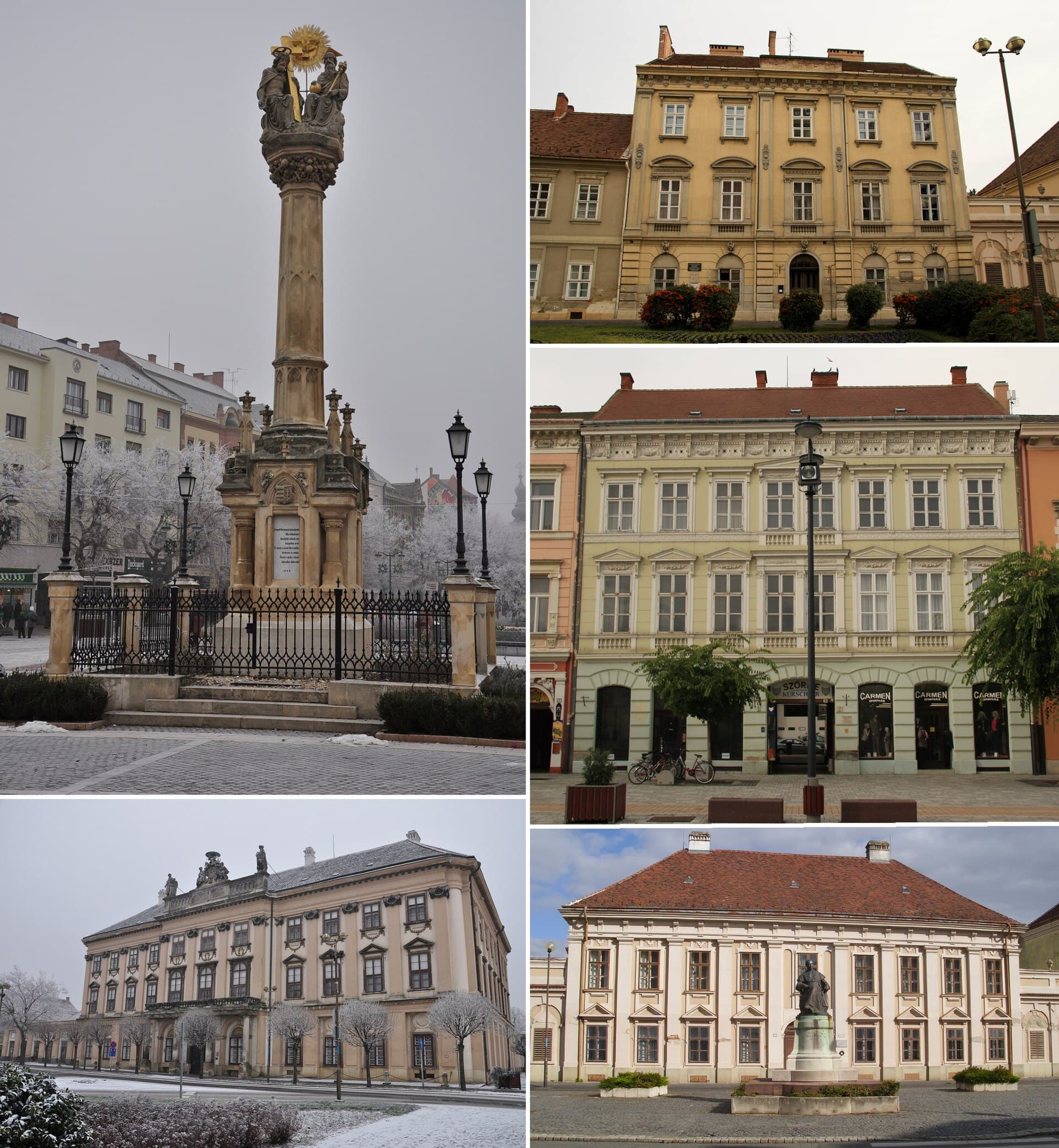
## Епископская кафедра и возрождение XVIII века XVIII век ознаменовал собой важный поворотный момент, когда императрица Мария Терезия основала епархию Шо́мбатхей в 1777 году. Епископ Янош Ши́ли, первый епископ, сыграл ключевую роль в возрождении города. Он руководил сносом старого замка и строительством новых зданий, включая впечатляющий собор, комплекс епископского дворца и школу. Собор, спроектированный Мельхиором Хе́феле, был построен между 1791 и 1813 годами и стал третьим по величине храмом Венгрии. Епископский дворец, завершенный ранее между 1778 и 1783 годами, является выдающимся образцом позднего барокко с неоклассическими чертами и примечателен тем, что в нем размещался первый музей Венгрии.
## XX век и далее Шо́мбатхей процветал между мировыми войнами, когда было основано множество школ и построено современная больница. Однако его стратегическое значение как железнодорожного узла привело к интенсивным бомбардировкам во время Второй мировой войны, с значительным ущербом и жертвами. Еврейская община города, которая значительно выросла после разрешения поселиться на постоянной основе в 1840 году и насчитывала более 3000 человек к 1941 году, столкнулась с трагическими преследованиями во время немецкой оккупации в 1944 году. Тысячи были депортированы в Освенцим, что опустошило общину. С 1990-х годов в Шо́мбатхей наблюдается значительная промышленная активность, особенно в автомобилестроении, что способствует его современному экономическому развитию.
Начните свое исследование с Исеум Савариенсе, реконструированного римского храма, посвященного египетской богине Исиде. Этот археологический памятник, впервые обнаруженный в 1950-х годах, демонстрирует рельефы, культовые статуи и даже оригинальную брусчатку Янтарного пути. Сопутствующий музей дает представление о религиозной жизни древних римлян. Неподалеку Сад руин (Romkert) предлагает взглянуть на дворец римского наместника и другие постройки.
В центре города находится Фё тер (Главная площадь), треугольная площадь с XIII века, где можно полюбоваться архитектурой в стиле барокко и модерн, а также колонной Святой Троицы. Доминантой площади является Собор Шо́мбатхей (Собор Посещения), величественная церковь в стиле барокко и третья по величине в Венгрии. Рядом с ним находится Епископский дворец, шедевр позднего барокко, в котором когда-то располагался первый музей Венгрии.
Для другого ракурса посетите Музей Савария, где хранятся археологические и художественные коллекции, рассказывающие о прошлом региона. Музей Шмидта предлагает разнообразные выставки современного искусства и исторических артефактов. Любители природы оценят Дендрарий Ка́мони, ботанический сад площадью 27 акров с более чем 3000 видами деревьев и кустарников. Наконец, прогуляйтесь вокруг озера Чона́ка́зо-то, искусственного озера, идеально подходящего для катания на лодках и отдыха.
В Шо́мбатхей влажный континентальный климат с теплыми летними месяцами и холодными, снежными зимами. Идеальное время для посещения для мероприятий на свежем воздухе — с середины июня до начала сентября, когда средняя дневная температура превышает 21°C, а небо более ясное. Июль — самый жаркий месяц со средней дневной температурой 26°C. Если вы посетите город в августе, вы сможете стать свидетелем оживленного Римского карнавала (Savaria Karnevál), фестиваля с парадами и представлениями в римском стиле. Осадки умеренные в течение всего года, при этом июнь является самым дождливым месяцем. Зимы, с ноября по март, очень холодные, со средней дневной температурой ниже 7°C и снегопадами.
По Шо́мбатхей легко перемещаться, особенно по его центральному району, который довольно компактен. Для более дальних поездок или достижения районов за пределами центра в городе действует функциональная система общественного транспорта, в основном состоящая из автобусов, соединяющих ключевые районы. Хотя система адекватна, частота и охват автобусов могут быть ограничены в часы пик. Плоский рельеф также делает велосипед удобным вариантом, с выделенными велосипедными дорожками в некоторых центральных районах.
Для международных путешественников регион обслуживают несколько аэропортов. Грац (GRZ) и Вена (VIE) — ближайшие международные аэропорты, расположенные примерно в 93 км и 99 км соответственно. Братислава (BTS) также является близлежащим вариантом. Из этих аэропортов вы можете добраться до Шо́мбатхей на поезде или автобусе с пересадками. В пределах Венгрии доступны прямые поезда из Будапешта, время в пути составляет около 3-4 часов. Местная валюта — венгерский форинт (HUF).
Сомбатхей: корейский, китайский, иврит и ещё 29 языков — каждую остановку озвучивает носитель языка. Самый широкий выбор языков среди аудиоэкскурсий без гида.
Доступные языки: