De Tadoussac Duinen
Dit zijn geen typische woestijnduinen; hun oorsprong is veel glacialer en gedurende een tijd was hier een onverwachte sport populair.
Volledig verhaal ontgrendeld in de tour
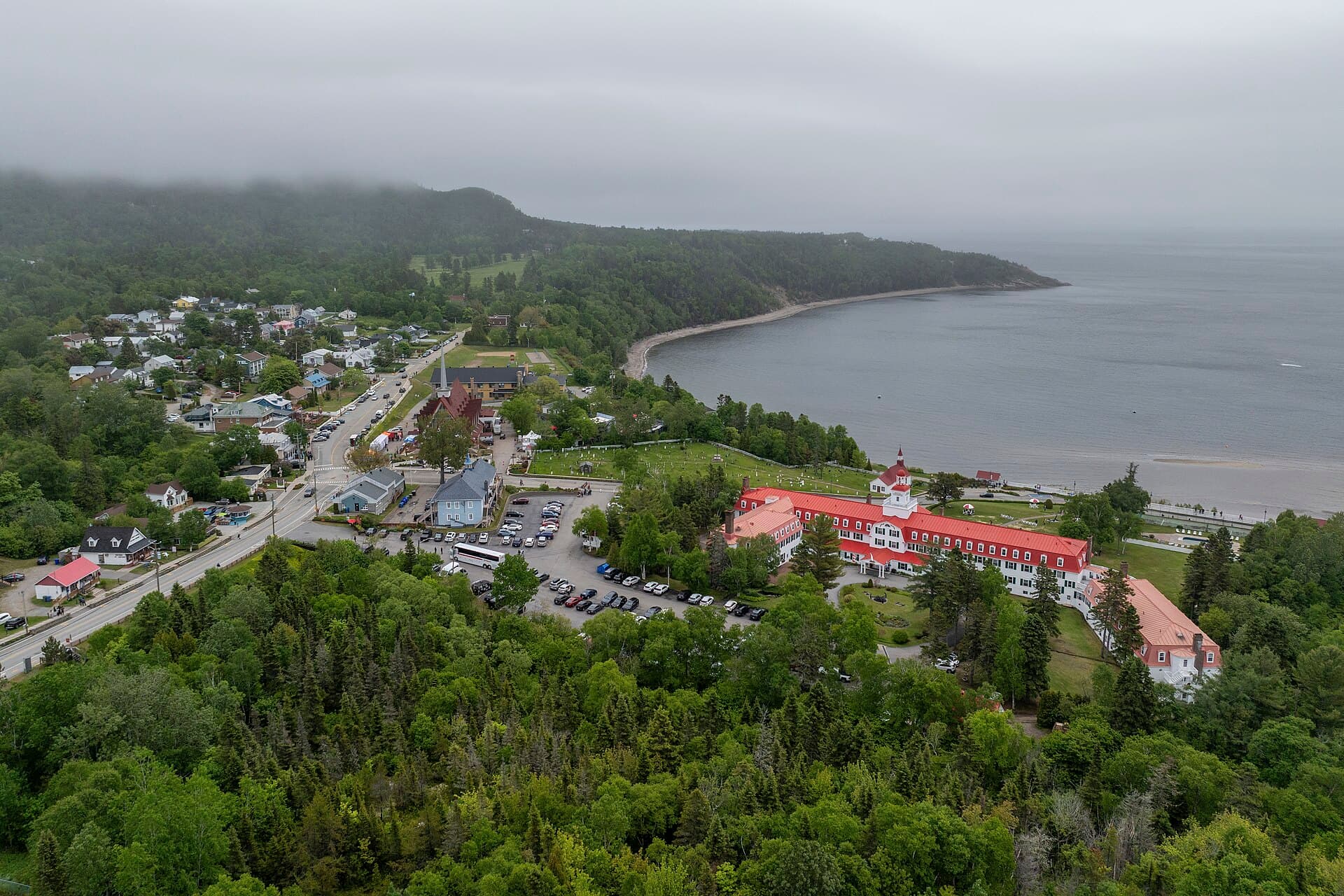 Hayden Soloviev / CC BY 4.0, via Wikimedia Commons
Zelfgeleide audiowandeling door Tadoussac — GPS-route, offline afspelen, meeslepende vertelling in 32 talen.
“Waar de Saguenay Fjord de St. Lawrence ontmoet, wacht een wereld van walvissen en oude echo's.”
Niet de ansichtkaarten. De verhalen die zelfs locals niet kennen — gefluisterd in je oor, precies waar ze gebeurden.
Dit zijn geen typische woestijnduinen; hun oorsprong is veel glacialer en gedurende een tijd was hier een onverwachte sport populair.
Dit vooraanstaande hotel had een eerdere incarnatie en de bouw ervan weerspiegelde een verschuiving in de economie van het dorp.
Zelfs zonder boot kun je vanaf dit rotsachtige uitkijkpunt een opmerkelijk maritiem schouwspel bijwonen.
Ontdek elk geheim van Tadoussac
Elk adres, elke onthulling volledig — in je oor, precies waar het gebeurde.
Jij kiest je stops. Jij wandelt. De stem onthult wat de anderen missen.

Je zelfgeleide audiotour van Tadoussac is klaar — kies je bezienswaardigheden, kies je taal en start zodra je aankomt.
KopenLume heeft een ingebouwde augmented-reality-gids. Houd je telefoon omhoog: de camera toont de straat voor je, met een oplichtende pijl over het echte beeld die altijd naar je volgende stop wijst — geen kaart om uit te puzzelen, geen verkeerde afslagen. Zoals alles in Lume werkt het volledig offline.
Tadoussac, een dorp in Quebec, Canada, ligt op het samenspel van het Saguenayfjord en de estuarium van de Saint Lawrence. Deze unieke samenkomst van zoet en zout water creëert een rijke voedingsbodem, waardoor het een van 's werelds belangrijkste bestemmingen voor walvissen spotten is. Erkend als een van de "Mooiste Baaien ter Wereld" en lid van de vereniging "Mooiste Dorpen van Quebec", biedt Tadoussac een mix van natuurlijke grootsheid, historische diepgang en een levendige, internationale sfeer.
Het dorp, hoewel bescheiden met 814 inwoners (vanaf 2021), trekt bezoekers met zijn bohemien cafés, uitnodigende terrassen en charmante bed & breakfasts. Naast ontmoetingen met zeeleven, biedt Tadoussac een decor van bergen, water, rotsen en weelderige landschappen, met mogelijkheden om te wandelen, kajakken en de belangrijke erfgoedsites te verkennen.
## Een Oude Ontmoetingsplaats Het verhaal van Tadoussac gaat duizenden jaren terug; het diende minstens 8.000 jaar als een cruciaal verzamel- en handelspunt voor de First Nations. De naam is waarschijnlijk afgeleid van het Innu-woord 'tatouskak' of 'Tadaosakw', wat "borsten" betekent, een verwijzing naar de ronde heuvels die de monding van de Saguenay omringen.
## Europese Aankomst en Vroege Vestiging Europese ontdekkingsreizigers en handelaren werden aangetrokken door de strategische ligging van Tadoussac. Baskische walvisvaarders en Bretonse kabeljauwvissers dreven al in de 14e eeuw handel met inheemse volkeren. Jacques Cartier bezocht het in 1535, ankerde in de baai en prees de schoonheid ervan. In 1600 stichtte Pierre de Chauvin een bonthandelspost, beschouwd als het eerste gebouw in Nieuw-Frankrijk. Deze vroege nederzetting kende zware omstandigheden; slechts vijf van de zestien oorspronkelijke kolonisten overleefden de eerste winter.
## Franse Koloniale Periode en Bonthandel In 1603 smeedde Samuel de Champlain een alliantie met de Montagnais, Algonquins en Etchimins nabij Tadoussac, een overeenkomst die de weg bereidde voor de oprichting van Quebec City vijf jaar later. Gedurende 30 jaar bleef Tadoussac de enige haven aan de Saint Lawrence en werd het een belangrijk centrum voor bonthandel in de 17e en 18e eeuw. Het fungeerde tot 1849 als het administratieve hoofdkwartier voor alle King's Posts.
## Veranderende Economieën en Modern Toerisme Naarmate de bonthandel afnam, diversifieerde de economie van Tadoussac naar visserij en de bosbouw. In 1864 zag het dorp de bouw van zijn eerste hotel, wat het begin markeerde van de transformatie tot een zomerbestemming. Sindsdien is toerisme de ruggengraat van het sociaaleconomische leven van Tadoussac geworden, gevierd om zijn natuurlijke schoonheid, mogelijkheden voor walvisobservatie en rijke geschiedenis. Het dorp vierde in 2000 zijn 400-jarig jubileum.
De belangrijkste aantrekkingskracht van Tadoussac is het ongeëvenaarde walvissen spotten. Het Saguenay-St. Lawrence Marine Park wordt algemeen erkend als een van 's werelds beste locaties om tot 13 soorten walvissen te observeren, waaronder beluga's, dwergvinvissen, bultruggen en zelfs blauwe vinvissen. Excursies zijn beschikbaar op grotere schepen of avontuurlijkere Zodiacs. Voor observatie vanaf land bieden het Pointe de l'Islet pad en het Cap de Bon-Désir Interpretatie- en Observatiecentrum uitstekende uitkijkpunten.
Naast zeeleven, verken de kenmerkende Tadoussac duinen, een oude geologische formatie die een weids uitzicht biedt over de Saint Lawrence. Het Marine Mammal Interpretation Centre (CIMM) biedt educatieve tentoonstellingen, waaronder wal Skeletten, om het begrip van deze wezens te verdiepen. Duik in de geschiedenis bij de Chauvin Trading Post, een replica van de eerste bonthandelspost in Nieuw-Frankrijk, en bezoek de Petite Chapelle (Indian Chapel), een van Noord-Amerika's oudste houten kapellen, gebouwd in 1747. Voor natuurliefhebbers bieden talrijke wandelpaden diverse perspectieven op het Saguenay Fjord en de Saint Lawrence Estuarium.
De optimale tijd om Tadoussac te bezoeken voor walvisobservatie is van mei tot oktober, wanneer migrerende walvissen de rijke voedingsgronden bezoeken. Hoewel de zomer (juni-augustus) warmere temperaturen biedt (15-21°C) en populair is bij gezinnen, bieden september en oktober vaak superieure observatieomstandigheden met minder drukte en verhoogde activiteit van zeezoogdieren. Lente (april-mei) en herfst (september-oktober) zijn koeler, met gemiddelden van 5-10°C.
Het bereiken van Tadoussac omvat vaak een gratis veerboottocht van 10 minuten vanaf Baie Ste-Catherine, die het hele jaar door continu vaart. Tijdens het hoogseizoen (20 juli tot 15 augustus) is het raadzaam de veerboot vóór 11:00 uur of na 17:00 uur te nemen om lange wachtrijen te vermijden. Warme kleding is essentieel voor walvisexcursies, zelfs in de zomer, aangezien de temperaturen op het water aanzienlijk koeler kunnen zijn dan aan wal. Een verrekijker wordt sterk aanbevolen voor zowel boottochten als walvisobservatie vanaf land. Openbare parkeergelegenheid is beschikbaar, met enkele gratis opties en parkeergelegenheid per uur in andere gebieden. Wildkamperen is beperkt tot geaccrediteerde locaties; er zijn boetes voor ongeoorloofd kamperen in gebieden zoals de duinen.
Tadoussac — Koreaans, Chinees, Hebreeuws en nog 29 talen, elke stop verteld door een moedertaalspreker. Het grootste taalaanbod van alle zelfgeleide audiotours.
Beschikbaar in: