Название Тагайтай
Название города — это не просто мелодичный звук; это драматическое эхо из местной легенды.
Полная история открывается в туре
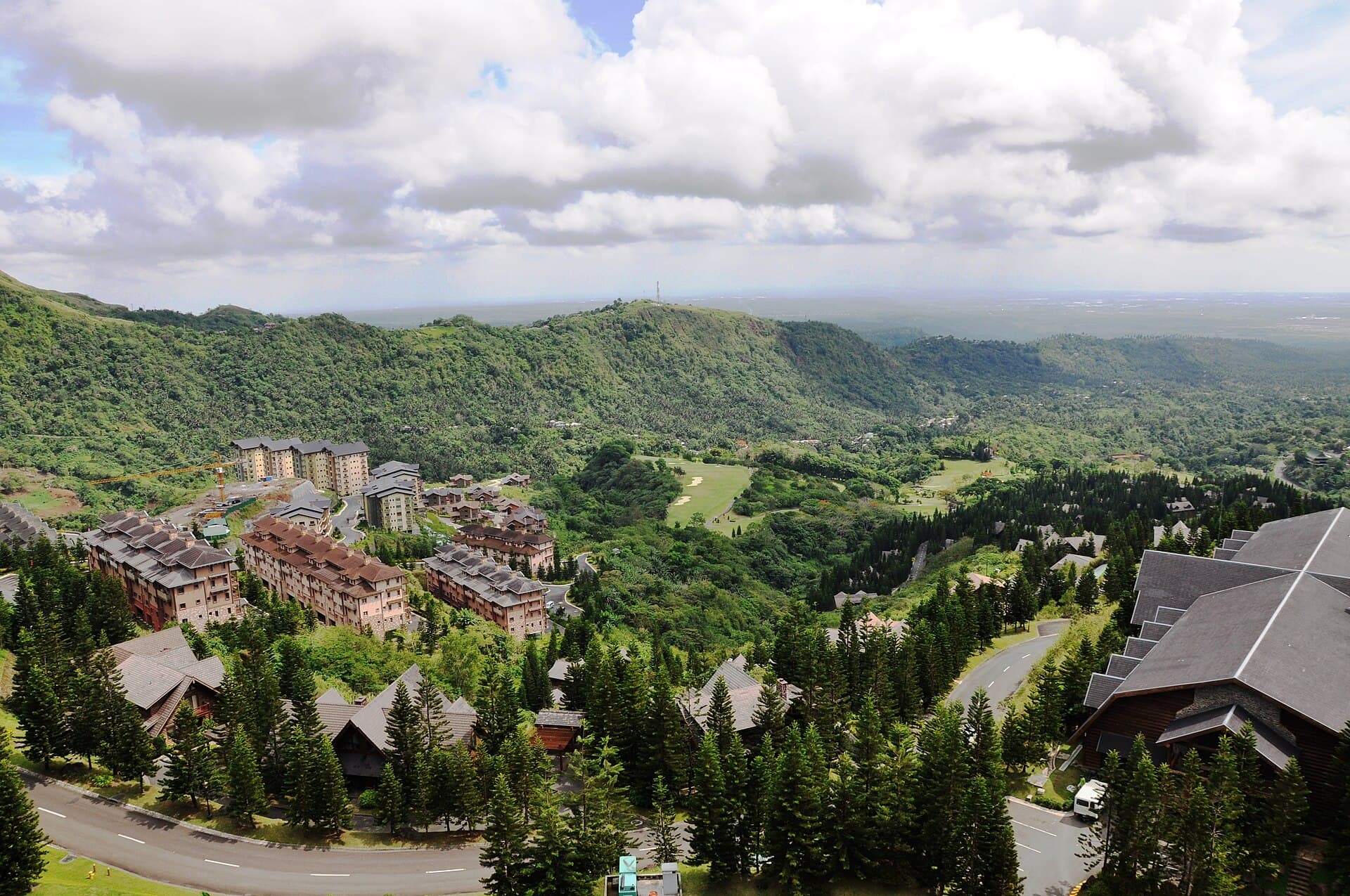 lulaymb / CC BY-SA 2.0, via Wikimedia Commons
Самостоятельная аудиопрогулка по Тагайтай — GPS-маршрут, офлайн-воспроизведение, увлекательное повествование на 32 языках.
“Где прохладный горный воздух встречается с самым маленьким действующим вулканом, Тагайтай предлагает широкий панорамный вид.”
Не открытки. Истории, которые не знают даже местные жители — шепотом в вашем ухе, прямо там, где они произошли.
Название города — это не просто мелодичный звук; это драматическое эхо из местной легенды.
Среди извилистых дорог Тагайтая ходит жуткая городская легенда о машине без водителя, предлагающей подвезти в штормовую ночь.
Красивая картина, когда-то принадлежавшая видной семье Тагайтая, по слухам, несет темную историю и приносит несчастье своим владельцам.
Откройте для себя каждый секрет Тагайтай
Каждый адрес, каждое полное раскрытие — в вашем ухе, прямо там, где это произошло.
Вы выбираете остановки. Вы гуляете. Голос раскрывает то, что упускают другие.


Ваш самостоятельный аудиотур по Тагайтай готов — выберите свои достопримечательности, выберите свой язык и начните в момент прибытия.
КупитьВ Lume встроен гид дополненной реальности. Поднимите телефон: камера показывает улицу перед вами, а поверх реального изображения светится стрелка, всегда указывающая на вашу следующую остановку — не нужно разбираться с картой и сворачивать не туда. Как и всё в Lume, это работает полностью офлайн.
Город Тагайтай, входящий в провинцию Кавите, Филиппины, является излюбленным местом для внутреннего туризма благодаря своему прохладному климату и обширным видам. Расположенный вдоль хребта Тагайтай, он предлагает различные смотровые площадки с видом на озеро Тааль в Батангасе и культовый остров-вулкан Тааль в его центре. Эта возвышенная местность, расположенная в среднем около 610 метров (2000 футов) над уровнем моря, обеспечивает Тагайтаю постоянно более мягкие температуры и более низкую влажность по сравнению с Манилой, что делает его освежающим убежищем от тропической жары.
Помимо своей знаменитой панорамы, Тагайтай предлагает сочетание природной красоты, развлекательных мероприятий и процветающей кулинарной сцены. От спокойных парков до оживленных рынков, город удовлетворяет потребности тех, кто ищет отдых, приключения или просто смену обстановки. Его близость к Метро Маниле, примерно двухчасовая поездка, еще больше укрепляет его привлекательность как удобного места для отдыха на выходных.
История Тагайтая тесно связана с его стратегическим географическим положением. Во времена испанской колонизации горные леса Тагайтая служили жизненно важным источником древесины для Манильских галеонов. Эти корабли, которые способствовали торговле между Манилой и Акапулько, Мексика, строились на верфях Кавите, а Тагайтай в то время входил в состав провинции Кавите.
Суровые хребты и густые леса города сыграли решающую роль во время Филиппинской революции 1896 года. Они стали убежищем для революционеров, в том числе из близлежащих провинций, таких как Батангас и Лагуна, и окружающих городов Кавите, таких как Силанг, Мендес, Инданг и Амадео. Обширные заросли травы когон и холмистый рельеф предлагали готовое убежище от преследования. Передвижение революционеров через Тагайтай часто описывалось словом "mananagaytay", что означает пересекать хребты.
Тагайтай официально стал городом с чартером 21 июня 1938 года согласно Закону Содружества № 338, авторами которого были представитель Джастиниано Монтано из Кавите и подписанный президентом Мануэлем Л. Кесоном. Это сделало его первым запланированным сообществом в провинции, построенным из земель, уступленных Силангом, Мендесом, Индангом и Амадео. Во время Второй мировой войны Тагайтай снова приобрел стратегическое значение. 3 февраля 1945 года 11-я воздушно-десантная дивизия 8-й армии генерал-лейтенанта Роберта Л. Айхельбергера совершила боевой прыжок на хребет Тагайтай, что стало решающим шагом перед освобождением Манилы от японских войск. Исторический знак на пересечении дорог Силанг-Канлубанг-Насугбу увековечивает это событие.
Тагайтай предлагает разнообразные достопримечательности, отвечающие различным интересам. Для обширных видов на озеро и вулкан Тааль посетите People's Park in the Sky, расположенный в самой высокой точке города. Еще одно популярное место для живописных видов и развлекательных мероприятий — Tagaytay Picnic Grove, где вы можете насладиться пикниками, зиплайном или верховой ездой. Для развлечений и семейного отдыха в Sky Ranch Tagaytay есть аттракционы, такие как колесо обозрения Sky Eye, Viking и зиплайн.
Те, кто интересуется уникальными коллекциями, могут найти Puzzle Mansion интригующим, где хранится коллекция пазлов, занесенная в Книгу рекордов Гиннесса. Для духовного уединения Pink Sisters Convent предлагает безмятежную обстановку для молитв и медитации. Любители искусства могут исследовать Museo Orlina, где представлены современные стеклянные скульптуры. Посещение Тагайтая также неполное без дегустации местных деликатесов, таких как булало (тушенка из говяжьих костей) и буко пай из различных ресторанов и киосков.
Лучшее время для посещения Тагайтая — сухой сезон, который обычно длится с ноября по апрель. В эти месяцы погода прохладнее и приятнее, средняя температура составляет около 22°C (72°F) и редко превышает 31°C (88°F). Декабрь, январь и февраль особенно прохладные, часто приносят туманные и ветреные условия. Хотя сухой сезон предлагает идеальные условия для активного отдыха, имейте в виду, что по выходным и праздникам может быть многолюдно. Если вы предпочитаете более спокойный отдых, рассмотрите возможность посещения в будние дни или в переходные месяцы май и октябрь.
Добраться до Тагайтая из Манилы несложно, время в пути обычно составляет от 1 до 3 часов в зависимости от пробок и вида транспорта. Автобусы — популярный и доступный вариант, отправляющийся с терминалов, таких как Parañaque Integrated Terminal Exchange (PITX), DLTB Terminal возле станции LRT Gil Puyat и автовокзал Araneta City в Кубао. Ищите автобусы, следующие в Насугбу, Калатаган или Леммери, которые проходят через Тагайтай. Частные автомобили или службы такси также предлагают удобный проезд через South Luzon Expressway (SLEX) и Cavite-Laguna Expressway (CALAX).
Внутри Тагайтая общественный транспорт в основном состоит из красочных джипни и трициклов. Джипни курсируют по различным маршрутам, соединяющим разные части города и близлежащие города, в то время как трициклы подходят для коротких поездок, хотя часто ограничиваются боковыми улицами. Такси и службы такси, такие как Grab, также доступны, предлагая больше комфорта и удобства, особенно для групп или тех, у кого есть багаж. Наличные обычно предпочтительны для оплаты проезда в общественном транспорте, хотя кредитные карты широко принимаются в отелях и ресторанах. Из-за более прохладных вечеров рекомендуется взять с собой легкую куртку или свитер.
Тагайтай: корейский, китайский, иврит и ещё 29 языков — каждую остановку озвучивает носитель языка. Самый широкий выбор языков среди аудиоэкскурсий без гида.
Доступные языки: