Monumento do Pacto de Sangue
O monumento que homenageia o histórico Pacto de Sangue é um símbolo, mas a localização exata desse evento crucial de 1565 continua sendo um assunto de discussão silenciosa.
História completa desbloqueada no tour
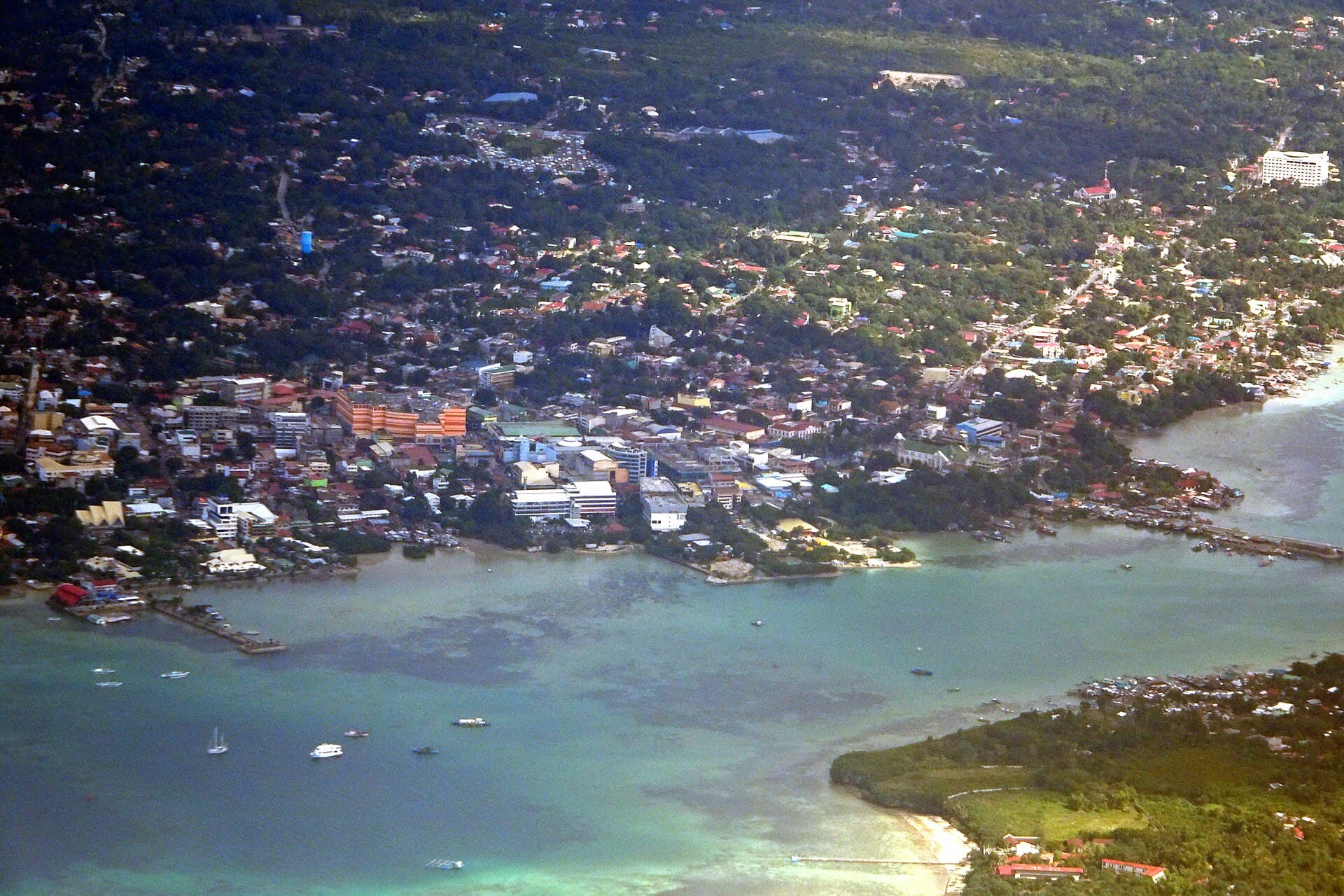 P199 / CC BY-SA 3.0, via Wikimedia Commons
Tour de áudio autoguiado por Tagbilaran — rota GPS a pé, reprodução offline, narração envolvente em 32 idiomas.
“Onde o mar oferece passagem e a terra desdobra suas histórias.”
Não os postais. As histórias que nem os locais conhecem — sussurradas ao seu ouvido, exatamente onde aconteceram.
O monumento que homenageia o histórico Pacto de Sangue é um símbolo, mas a localização exata desse evento crucial de 1565 continua sendo um assunto de discussão silenciosa.
Este distrito tranquilo esconde uma vida passada como o movimentado porto da era colonial de Tagbilaran, seu legado arquitetônico é um testemunho de seu passado trabalhador.
Você pode observar um detalhe inesperado adornando os triciclos, o meio de transporte onipresente de Tagbilaran, oferecendo um momento de reflexão.
Descubra cada segredo de Tagbilaran
Cada endereço, cada revelação na íntegra — no seu ouvido, exatamente onde aconteceu.
Você escolhe as suas paragens. Você caminha. A voz revela o que os outros perdem.


O seu tour áudio autoguiado de Tagbilaran está pronto — escolha os seus pontos de interesse, selecione o seu idioma e comece no momento em que chegar.
ComprarA Lume inclui um guia de realidade aumentada. Levante o telemóvel: a câmara mostra a rua à sua frente, com uma seta luminosa sobreposta à imagem real que aponta sempre para a sua próxima paragem — sem mapa para decifrar, sem voltas erradas. Como tudo na Lume, funciona totalmente offline.
Tagbilaran, a capital da província de Bohol nas Filipinas, serve como o principal portal para as célebres maravilhas naturais e sítios culturais da ilha. Com uma população de aproximadamente 105.000 habitantes em 2020, equilibra conveniências urbanas com um caráter provincial relaxado. Frequentemente chamada de "Cidade da Amizade", Tagbilaran estende uma calorosa recepção aos viajantes que exploram a região de Visayas.
Situada na ponta sudoeste de Bohol, Tagbilaran de frente para o mar e a ilha vizinha de Panglao. Embora funcione como o centro político, social e econômico de Bohol, a cidade mantém uma atmosfera tranquila, onde os habitantes locais são conhecidos por sua simpatia e as ruas geralmente são livres de tráfego intenso. Ela serve como uma base ideal para se aventurar nas praias intocadas de Panglao, nas icônicas Chocolate Hills e em outros destinos cativantes em Bohol.
A área que hoje é Tagbilaran tem um passado longo e multifacetado, acreditando-se que tenha sido um próspero posto de comércio com a China, estados malaios e a atual Indonésia séculos antes da chegada dos espanhóis. Por volta de 1200, assentamentos sobre palafitas, possivelmente os Lutaos do norte de Mindanao, foram estabelecidos ao longo do Estreito de Tagbilaran, formando o que se tornou o Reino de Dapitan.
Um momento crucial na história filipina, o Sandugo ou Pacto de Sangue, ocorreu supostamente no que hoje são os arredores orientais de Tagbilaran em 16 de março de 1565. Este tratado histórico de amizade foi selado entre o chefe local Rajah Sikatuna e o explorador espanhol Miguel López de Legazpi. Este evento, imortalizado em uma pintura do artista filipino Juan Luna, envolveu os dois líderes cortando os pulsos, misturando o sangue com vinho e bebendo-o para significar unidade. Para homenagear isso, o Presidente Elpidio Quirino estabeleceu a "Ordem de Sikatuna" em 1953, um prêmio presidencial para dignitários visitantes.
Tagbilaran fazia originalmente parte da cidade vizinha de Baclayon. Em 1742, o Padre Cesar Felipe Doria, Reitor dos Jesuítas em Bohol, solicitou a criação de uma nova cidade, acreditando que Baclayon havia se tornado muito grande para um único padre administrar. Assim, San José de Tagbilaran foi estabelecida em 9 de fevereiro de 1742, dedicada a São José Operário. A cidade mais tarde se tornou a capital de Bohol em 1854, quando a ilha foi transformada em uma província separada de Cebu. Continuou a crescer durante os regimes espanhol e americano, sendo finalmente elevada a cidade emancipada em 1º de julho de 1966, em virtude da Lei da República nº 4660.
A cidade foi ocupada tanto pelos Estados Unidos durante a Guerra Filipino-Americana quanto pelo Japão Imperial durante a Segunda Guerra Mundial. Sitio Ubos, o antigo local do porto de Tagbilaran, é considerada a parte mais antiga da cidade, tendo sido um movimentado centro comercial do século XVII ao início do século XX. Abriga o maior e mais antigo número de casas históricas em Bohol e foi declarada uma "Área de Patrimônio Cultural" em 2002.
Embora Tagbilaran sirva principalmente como um ponto de partida para as atrações mais amplas de Bohol, a própria cidade oferece vários pontos de interesse. O Monumento do Pacto de Sangue em Barangay Bool comemora o histórico Sandugo de 1565 entre Datu Sikatuna e Miguel López de Legazpi, oferecendo vistas do Mar de Bohol. Para uma exploração mais profunda do passado da ilha, a filial do Museu Nacional das Filipinas – Bohol oferece exposições sobre a geologia, biodiversidade e história arqueológica de Bohol.
A uma curta distância da cidade, a Igreja de Baclayon, concluída em 1727, é uma das igrejas mais antigas das Filipinas, exibindo impressionante arquitetura colonial espanhola. Embora danificada por um terremoto em 2013, os esforços de restauração preservaram sua importância histórica. Do outro lado dos aterros, a Ilha de Panglao é facilmente acessível, conhecida por suas praias de areia branca como Alona Beach, vida marinha ativa para snorkeling e mergulho, e a intrigante Caverna Hinagdanan com sua lagoa subterrânea. Outras atrações próximas incluem a Floresta Feita pelo Homem de Bilar, um dossel denso de árvores de mogno, e o sereno Rio Loboc, onde cruzeiros fluviais são uma atividade popular.
Tagbilaran experimenta um clima tropical que permanece quente e convidativo durante todo o ano, com temperaturas médias mensais geralmente entre 26°C e 28°C. A época mais favorável para visitar é durante a estação seca, que normalmente se estende de dezembro a maio. Este período oferece clima agradável com menos dias de chuva, tornando-o ideal para atividades ao ar livre e para explorar a cidade e as atrações circundantes. Para aqueles que procuram evitar as multidões de turistas mais movimentadas, considere visitar no final de abril e maio.
A moeda oficial em Tagbilaran, e no resto das Filipinas, é o Peso Filipino (PHP). As notas estão disponíveis em denominações de ₱20 a ₱1.000, e moedas de ₱1 a ₱20, juntamente com denominações menores de sentimo. O inglês é amplamente falado e compreendido em Tagbilaran, tornando a comunicação geralmente fácil. O dialeto local é o Boholano, uma variante do Cebuano.
Tagbilaran é servida pelo Aeroporto Internacional de Bohol-Panglao (TAG), o único aeroporto em Bohol com serviço comercial, localizado a aproximadamente 16 km do centro da cidade. Este aeroporto substituiu o antigo Aeroporto de Tagbilaran em 2018. Alternativamente, muitos visitantes voam para o Aeroporto Internacional de Mactan-Cebu (CEB) e pegam uma balsa rápida para o porto de Tagbilaran, uma viagem cênica de duas horas. Dentro da cidade, triciclos e jeepneys são as principais formas de transporte, oferecendo opções acessíveis para se locomover. Táxis também estão disponíveis, especialmente no aeroporto, porto e nos principais shoppings. Alugar um carro ou scooter é uma opção popular para explorar Bohol no seu próprio ritmo.
Tagbilaran — coreano, chinês, hebraico e mais 29 idiomas, cada parada narrada por uma voz nativa. A maior variedade de idiomas entre os passeios de áudio autoguiados.
Disponível em: