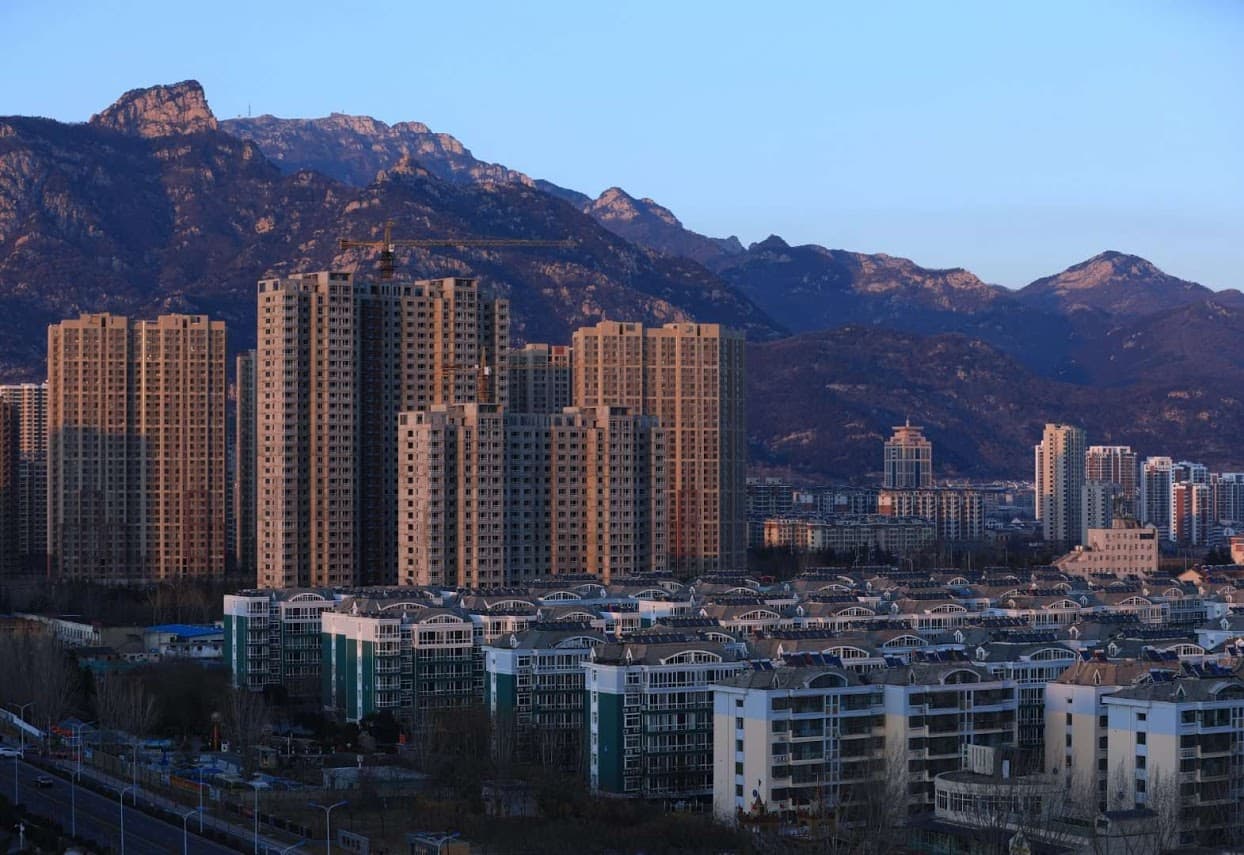
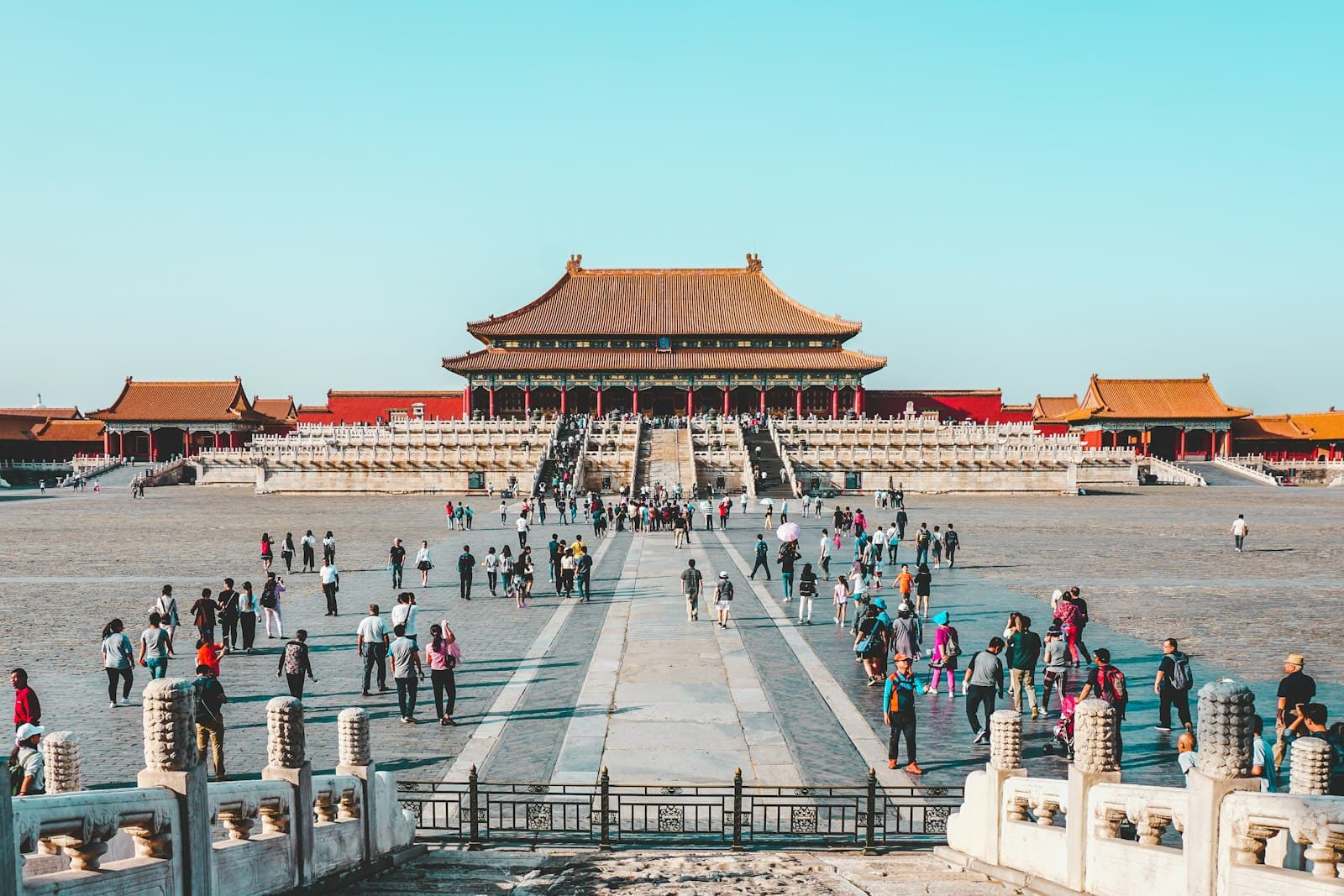
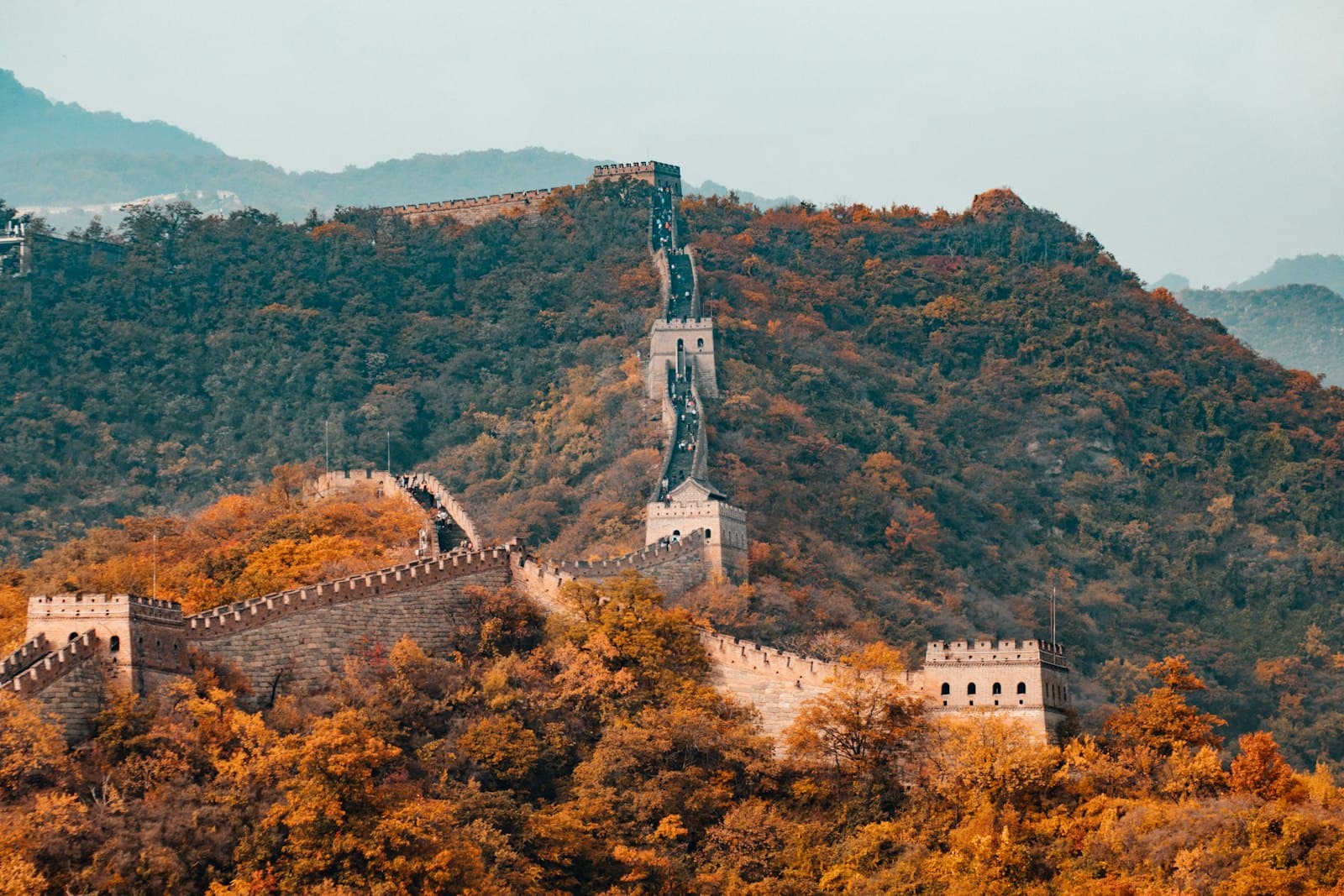
Tai'an, ChinaWFan / CC BY-SA 4.0, via Wikimedia Commons
CN

Tai'an

Where emperors ascended and eternity breathes.

The secrets of Tai'an

Tai'an, as no one tells it.

Not the postcards. The stories even locals don't know — whispered in your ear, right where they happened.

3 secrets below. Many more wait inside the tour.
Mount Tai's Summit

Confucius once stood atop Mount Tai, observing the world's expanse. What profound insight did this elevated perspective truly impart beyond a mere sense of scale?

Full story unlocks in the tour
Dai Temple

This ancient temple complex, a departure point for imperial pilgrimages, conceals a marvel beyond its grand halls and ceremonial spaces.

Full story unlocks in the tour
Heavenly Street (Tianjie)

Beyond its shops and sanctuaries, this elevated thoroughfare on Mount Tai offers an unexpected service for those seeking a singular experience.

Full story unlocks in the tour
The full tour

Discover every secret of Tai'an

Every address, every reveal in full — in your ear, right where it happened.

Get the key to Tai'an

You pick your stops. You walk. The voice reveals what the others miss.

Choose your time

How long do you have in Tai'an?

No tours available yet. Check back soon — we're preparing them.

About Tai'an

The story of Tai'an

Tai'an, a city in Shandong Province, China, is inextricably linked to Mount Tai, one of China's Five Great Mountains and a UNESCO World Heritage Site. The city's name, Tai'an (泰安), signifies "peace of the nation and well-being of the people," drawing from the adage, "If Mount Tai is stable, so is the entire country." This venerable city, with a population of approximately 5.35 million, functions as a significant cultural and spiritual center, drawing visitors to its sacred mountain and historical locations.

Mount Tai has been a site of reverence for at least 3,000 years, with emperors performing elaborate Feng Shan sacrifices to honor Heaven and Earth, believing these rituals secured their dynasty's prosperity. Beyond its spiritual weight, Tai'an presents a fusion of natural splendor and cultural heritage, rendering it a distinctive destination where ancient customs meet contemporary life. The city acts as a gateway to exploring the deep history and expansive landscapes that have inspired poets, philosophers, and emperors for countless generations.

History

From Ancient Roots to Imperial Ascensions

The story of Tai'an is deeply interwoven with the geological and spiritual presence of Mount Tai, a granite-gneiss massif formed over nearly three billion years. Evidence of human activity in the region extends back over 500,000 years, with the Neolithic Dawenkou Culture flourishing approximately 5,000 years ago, displaying advanced pottery and trade networks.

During the Zhou Dynasty (1046–256 BCE), Mount Tai emerged as a sacred site in Chinese cosmology, venerated as the easternmost of the Five Sacred Mountains and a place for rituals connecting heaven and earth. It served as a boundary between the states of Qi and Lu during the Spring and Autumn Period (770-476 B.C.). The tradition of imperial visits and sacrifices to Mount Tai commenced with Emperor Shun, and historical accounts indicate that 72 emperors, including Qin Shi Huang, performed ceremonies on its peaks to offer sacrifices and meditate.

The city of Tai'an itself saw its formal establishment much later. While earlier administrative units existed, the name "Tai'an" was first adopted in 1136 during the Jin dynasty with the creation of the Tai'an Army. In 1182, it was reorganized into Tai'an Prefecture, marking its official inception as an administrative center. For centuries, Tai'an's growth was fueled by its role as a primary stopover for imperial courts and thousands of pilgrims ascending Mount Tai. The Dai Temple complex, established as early as the Han Dynasty (206 BCE–220 CE), became a central hub for these imperial worship rituals and a repository of Confucian and imperial heritage.

In 1982, Tai'an was designated by the State Council as one of the first cities for foreign tourism, and in 1987, Mount Tai was recognized as a UNESCO World Heritage Site, acknowledging its singular blend of natural beauty and cultural significance. The city continues to evolve, blending its ancient spiritual traditions with a modern urban landscape.

What to see

The undeniable focal point of Tai'an is Mount Tai (Taishan), a UNESCO World Heritage Site and the most revered of China's Five Sacred Mountains. Visitors can ascend the mountain via the classic East Route, which involves climbing over 6,000 stone steps, or choose a combination of bus and cable car for a less demanding journey. Along the climbing paths, you will encounter ancient temples, stone inscriptions, and expansive views of the Shandong Plain.

At the foot of Mount Tai stands the Dai Temple (Daimiao), the largest and most carefully preserved ancient architectural complex in the Mount Tai region. This Taoist temple, dating back to the Han Dynasty, was where emperors performed significant rituals before their ascent. Highlights include the grand Tiankuang Hall and ancient cypress trees, some reportedly planted by Emperor Wudi of the Han Dynasty.

Near the summit of Mount Tai, explore Heavenly Street (Tianjie), a historic pilgrimage route lined with shops, hotels, and temples, offering a distinctive blend of culture and commerce. The Jade Emperor Peak (Yuhuang Ding), the highest point of Mount Tai at 1,545 meters, houses several summit temples and offers compelling sunrise views. Other notable sites on the mountain include Bixia Temple (Azure Cloud Temple), dedicated to the goddess Bixia Yuanjun.

Beyond the mountain, Tai'an offers attractions like Ruyi Lake, which provides natural beauty and a cultural backdrop with surrounding parks and historical sites. For a different natural experience, Culaishan National Forest Park, southeast of Tai'an, is known for its cultural relics and natural scenery, often called a 'Sister Mountain' to Mount Tai.

When to visit

The most agreeable times to visit Tai'an are during late spring (May–June) and early autumn (September–October). During these months, temperatures are moderate, ranging from 20°C to 27°C, and skies are generally clear, ideal for hiking Mount Tai and exploring the city's historical sites. Spring also brings blooming cherry blossoms, adding to the scenic appeal. Autumn is characterized by vivid foliage and comfortable conditions. Summers (June–August) can be warm and humid, with average temperatures in July reaching around 31°C, and this period sees the highest rainfall. Winters (December–February) are cold and dry, with January temperatures dropping to around -5°C, requiring specific equipment for a winter ascent of Mount Tai.

Practical

Tai'an does not have its own airport; the primary arrival point is Jinan Yaoqiang International Airport (TNA), located about 50-90 kilometers away. Shuttle buses operate between Jinan Airport and Tai'an, or you can take a taxi or bus to Jinan city proper and then a shuttle bus to Tai'an. Tai'an is well-connected by rail, including high-speed trains on the Beijing-Shanghai line, making it accessible from major cities like Beijing and Shanghai. The city has two main railway stations: Taishan Railway Station and Tai'an Railway Station.

Within Tai'an, public buses are an economical way to navigate, with many routes passing by Taishan Railway Station and connecting to attractions like Mount Tai and Dai Temple. Taxis are also readily available, with fares typically starting around CNY 6 for the first 2 kilometers. For longer distances, it's advisable to agree on a fixed price beforehand or use ride-hailing apps. When climbing Mount Tai, wear comfortable, sturdy shoes with good grip and layered clothing, as temperatures can vary significantly between the base and the summit. Carry sufficient water and snacks, as prices increase higher up the mountain. Cash is useful, though mobile payment apps like Alipay and WeChat Pay are widely accepted.

Good to know
What is the significance of Mount Tai?
Mount Tai is one of China's Five Sacred Mountains, revered for over 3,000 years as a sacred site where emperors performed Feng Shan sacrifices to honor Heaven and Earth, symbolizing peace and prosperity for the nation. It is also associated with sunrise, birth, and renewal.
How long does it take to climb Mount Tai?
The classic East Route, involving over 6,000 stone steps, can take several hours to climb. Many visitors opt for a night climb, starting around 11:00 PM, to reach the summit by 5:00 AM to witness the sunrise.
Can I visit Mount Tai and Dai Temple in one day?
Yes, it is possible to visit both Mount Tai and Dai Temple in one day by starting early. Many travelers visit Dai Temple first, then proceed to climb Mount Tai, often finishing before sunset.
What local dishes should I try in Tai'an?
When in Tai'an, local specialties to try include Tai'an beef, known for its quality, and fried dough sticks served with soy milk for breakfast. Local snacks like grilled corn are also widely available.
Are there cable cars on Mount Tai?
Yes, cable cars are available on Mount Tai. Many visitors choose to take a bus to Zhongtianmen (Halfway Gate) and then either hike the rest of the way or take a cable car to the summit. This offers a less strenuous option for reaching the peak.
What is the best way to get around Tai'an city?
Public buses are an inexpensive way to travel within Tai'an, with numerous routes connecting to major attractions. Taxis are also readily available, and ride-hailing apps can be used for convenience.
Tai'an
From€9.00
No booking · activate anytime · 12h to walk it
Get the key to Tai'an