Jinci Tempel
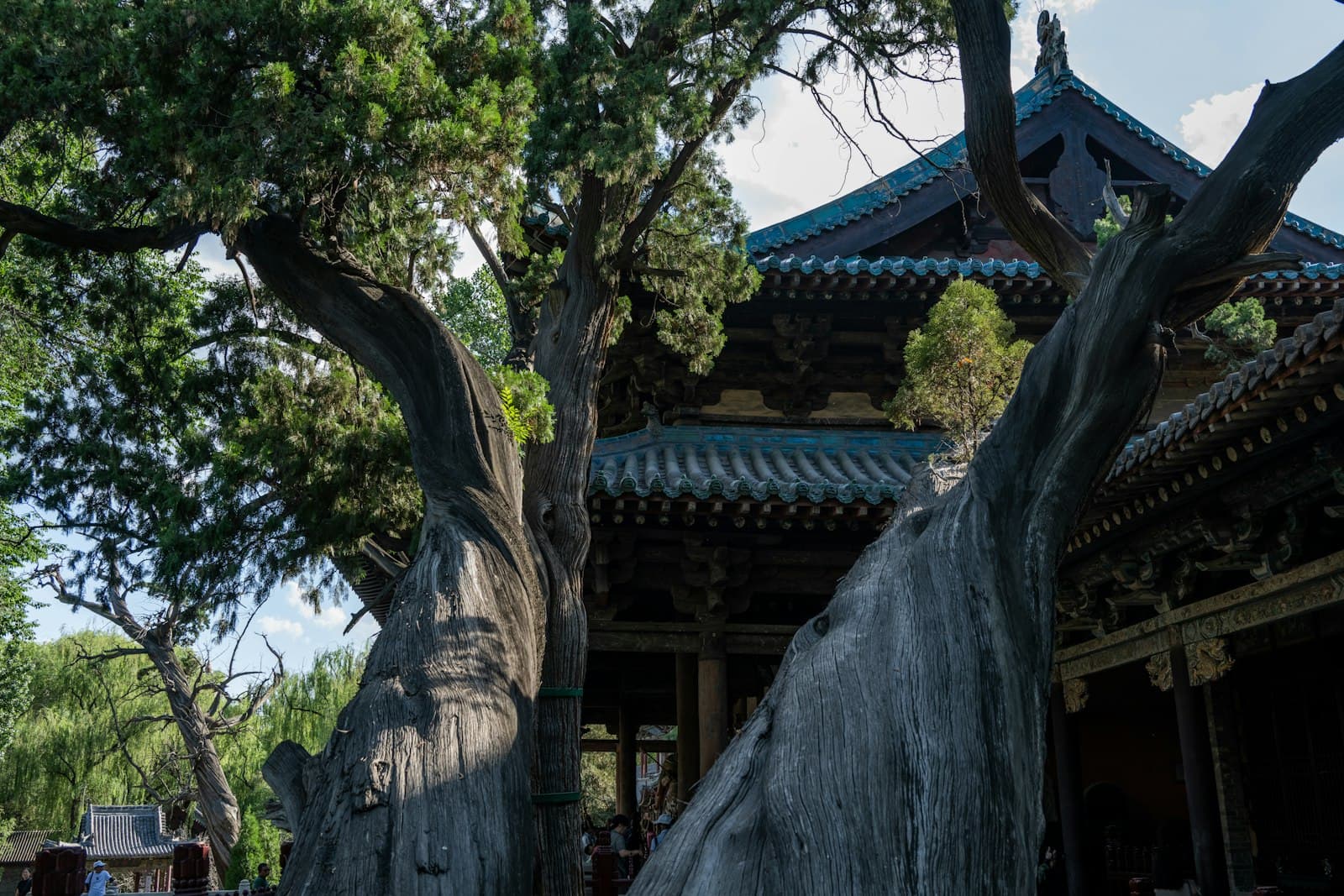
Binnen de serene gronden van de Jinci Tempel staan een groep oude cipressen als stille getuigen van eeuwen. Eén specifieke boom herbergt een geheim dat de tempel zelf voorafgaat.
Volledig verhaal ontgrendeld in de tour
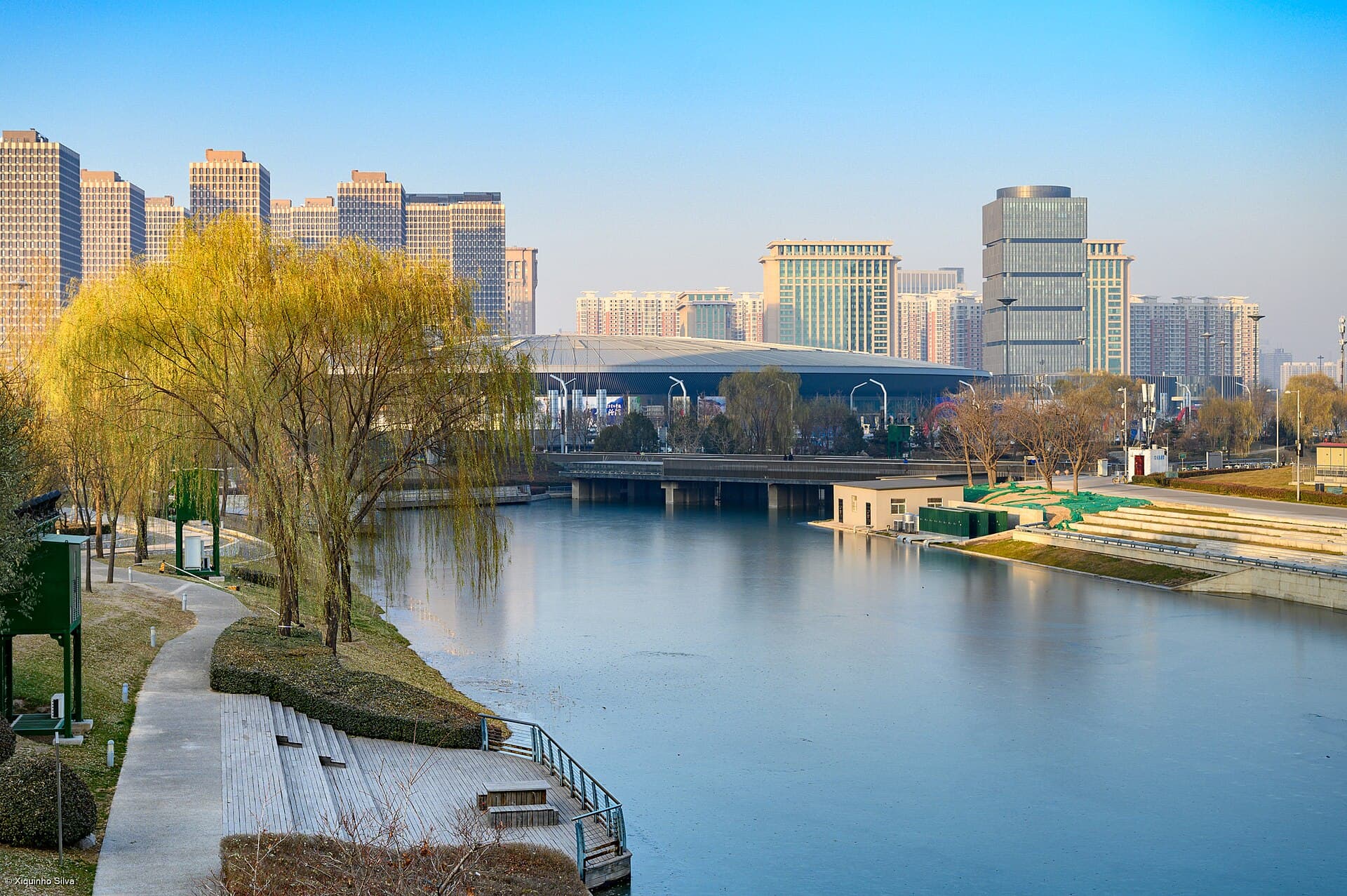 xiquinhosilva / CC BY 2.0, via Wikimedia Commons
Zelfgeleide audiowandeling door Taiyuan — GPS-route, offline afspelen, meeslepende vertelling in 32 talen.
“Waar oude dynastieën een 'Drakenstad' smeedden en noedels duizend verhalen vertellen.”
Niet de ansichtkaarten. De verhalen die zelfs locals niet kennen — gefluisterd in je oor, precies waar ze gebeurden.
Binnen de serene gronden van de Jinci Tempel staan een groep oude cipressen als stille getuigen van eeuwen. Eén specifieke boom herbergt een geheim dat de tempel zelf voorafgaat.
Taiyuan staat bekend om zijn noedelcultuur, waarbij de lokale bevolking honderden variëteiten claimt. Toch is er een uniek lokaal gerecht, vaak genoten in de winter, dat een verrassende en nogal letterlijke naam draagt.
De iconische Twin Pagoda Tempel, een symbool van Taiyuan, beschikt over twee bijna identieke pagodes. Een nadere blik onthult echter subtiele verschillen die spreken van het individuele vakmanschap dat bij hun creatie betrokken was.
Ontdek elk geheim van Taiyuan
Elk adres, elke onthulling volledig — in je oor, precies waar het gebeurde.
Jij kiest je stops. Jij wandelt. De stem onthult wat de anderen missen.
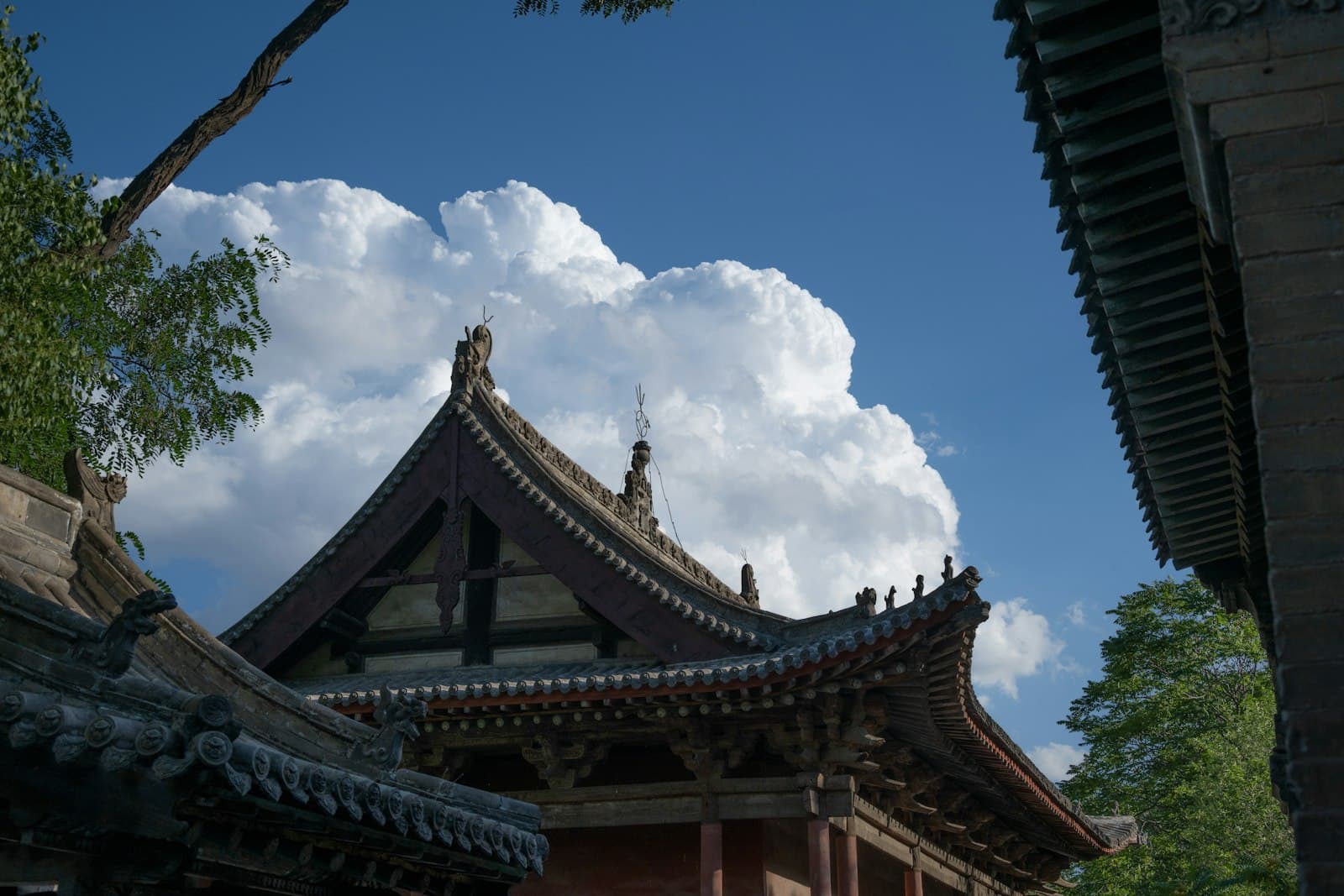
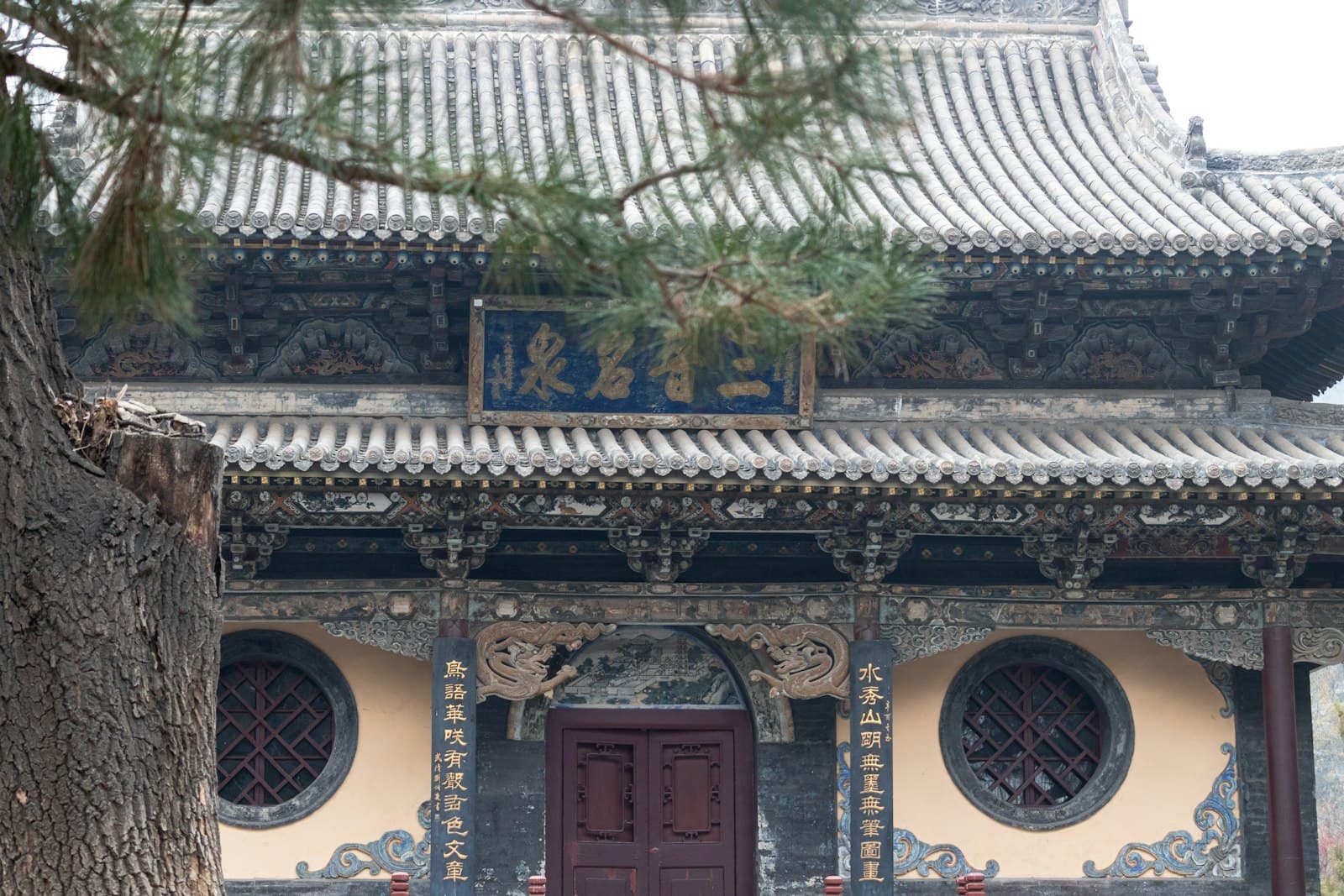
Je zelfgeleide audiotour van Taiyuan is klaar — kies je bezienswaardigheden, kies je taal en start zodra je aankomt.
KopenLume heeft een ingebouwde augmented-reality-gids. Houd je telefoon omhoog: de camera toont de straat voor je, met een oplichtende pijl over het echte beeld die altijd naar je volgende stop wijst — geen kaart om uit te puzzelen, geen verkeerde afslagen. Zoals alles in Lume werkt het volledig offline.
Taiyuan, de hoofdstad van de provincie Shanxi, is een stad waar een oud verleden een modern industrieel heden ontmoet. Met meer dan 2.500 jaar aan geregistreerde geschiedenis heeft het gediend als een strategische militaire vesting en een cultureel centrum voor talloze dynastieën, wat de stad de bijnaam 'Drakenstad' opleverde. Gelegen in de Fen-rivier vallei en omringd door bergen, biedt Taiyuan een unieke mix van stedelijke energie en natuurlijke landschappen.
Hoewel de industriële kracht, met name op het gebied van energie en zware chemie, de hedendaagse identiteit heeft gevormd, blijft het blijvende erfgoed van Taiyuan zichtbaar in zijn oude tempels, musea en traditionele architectuur. Het dient als een vitale toegangspoort tot het verkennen van de bredere Shanxi-regio, en biedt een uitgebreide introductie tot de diepe culturele wortels en de kenmerkende keuken van de provincie, met name de gevierde noedelcultuur en gerijpte azijn.
De oorsprong van Taiyuan gaat meer dan 2.500 jaar terug, met de eerste oude stad, Jinyang, opgericht in 497 v.Chr. door Dong Anyu, een ambtenaar uit de staat Jin. De strategische ligging in de Fen-rivier vallei, die een natuurlijke corridor controleerde tussen de noordelijke steppen en centraal China, maakte het eeuwenlang tot een cruciaal militair en administratief centrum. Tijdens de Slag om Jinyang in 453 v.Chr. probeerde een leger de stad te overspoelen door de Fen-rivier om te leiden, een dramatische gebeurtenis die uiteindelijk leidde tot de deling van de staat Jin.
Taiyuan bereikte een aanzienlijk hoogtepunt tijdens de Tang-dynastie (618–907 n.Chr.), aangezien het de voorouderlijke thuisbasis was van de stichters van de dynastie, keizers Li Yuan en Li Shimin. Het werd zelfs aangewezen als een van de 'Noordelijke Hoofdsteden' van de Tang door keizerin Wu Zetian, wat de politieke en culturele belangrijkheid verstevigde. Deze prominentie bracht echter ook conflicten met zich mee; in 979, tijdens de Song-hereniging, beval keizer Taizong de stad te overspoelen en te verbranden, uit angst voor een rivaliserende macht. Slechts drie jaar later werd er vlakbij een nieuwe stad gebouwd.
Gedurende de Ming- (1368–1644) en Qing- (1644–1911/12) dynastieën bloeide Taiyuan op als een belangrijk handelscentrum, met name voor de theehandel met Rusland, en speelde het een rol in de ontwikkeling van vroege Chinese banken. De Ming-dynastie zag ook de bouw van indrukwekkende stadsmuren en iconische tempelcomplexen, waaronder de Twin Pagoda Temple. In de 20e eeuw, onder krijgsheer Yan Xishan, onderging Taiyuan uitgebreide industriële ontwikkeling en werd het een belangrijk centrum voor zware industrie en wapenproductie. Na de oprichting van de Volksrepubliek China werd Taiyuan verder aangewezen als een belangrijk centrum voor zware industrie, gericht op metallurgie, machines en chemicaliën, een rol waaruit het zich tot op heden blijft ontwikkelen.
Begin uw verkenning bij de Jinci Tempel, een uitgestrekt complex dat ongeveer 1.500 jaar oud is en gewijd is aan voorouderverering. Het beschikt over bijna 100 gebouwen, serene tuinen en eeuwenoude cipressen, waarbij de Saint Mother Hall een duizend jaar oud houten meesterwerk is, versierd met gesneden draken. Voor een diepere duik in het verleden van de provincie is het Shanxi Museum een van de beste van China, met uitgebreide collecties oude artefacten, boeddhistische sculpturen en porselein.
De Twin Pagoda Tempel (Yongzuo Tempel), met zijn twee torenhoge achthoekige pagodes uit de Ming-dynastie, is een geliefd symbool van Taiyuan en biedt een weids uitzicht over de stad. Stap terug in de tijd in Taiyuan Ancient County Town, een zorgvuldig gerestaureerd 600 jaar oud architectonisch wonder dat de Verboden Stad voorafgaat. Voor een uniek perspectief op de economische ruggengraat van de regio biedt het Coal Museum of China inzicht in het erfgoed en de impact van de kolenindustrie. Rustige groene ruimtes zoals Yingze Park en de schilderachtige oevers van de Fen-rivier bieden mogelijkheden voor ontspanning en het observeren van het lokale leven.
De beste tijd om Taiyuan te bezoeken is in de late lente (mei tot half mei) en de herfst (september tot oktober). Deze maanden bieden aangenaam weer met comfortabele temperaturen en heldere luchten, ideaal voor sightseeing en buitenactiviteiten. De herfst brengt met name milde temperaturen en kleurrijke bladeren, met gemiddelde temperaturen rond de 8-10°C (46-50°F). Zomers (eind mei tot begin september) zijn warm en regenachtig, met de meeste neerslag in juli en augustus. Winters (december tot februari) zijn koud en droog.
Taiyuan Wusu International Airport (TYN) ligt ongeveer 18 kilometer ten zuiden van het stadscentrum. Taxi's van de luchthaven naar het centrum duren ongeveer 30 minuten en kosten ongeveer 50 Yuan. De stad heeft een ontwikkelend metronetwerk met twee lijnen, Lijn 1 en Lijn 2, die belangrijke transportknooppunten en stadsgebieden verbinden. Openbare bussen zijn uitgebreid en betaalbaar, met de meeste tarieven rond de 1-2 RMB, hoewel de diensten over het algemeen om 19.30 uur stoppen. Taxi's zijn gemakkelijk verkrijgbaar en een goede optie voor gemak, met een starttarief van ongeveer 8 RMB voor de eerste 3 kilometer.
Voor accommodatie worden de gebieden Yingze, Liuxiang en Zhonglou Street aanbevolen voor bezoekers die voor het eerst komen vanwege hun centrale ligging en goed ontwikkelde transportmogelijkheden. Het Xiaodian District, met name het zakengebied Changfeng, biedt nieuwere hotels en een modernere omgeving. Houd er rekening mee dat essentiële westerse apps zoals Google Maps en sociale mediaplatforms mogelijk een VPN vereisen om toegang te krijgen. De lokale keuken is een hoogtepunt, met tal van noedelvariëteiten en de beroemde gerijpte azijn van Shanxi. Eetstraten zoals Liuxiang en Bell Tower Street zijn uitstekend om lokale delicatessen te proeven.
Taiyuan — Koreaans, Chinees, Hebreeuws en nog 29 talen, elke stop verteld door een moedertaalspreker. Het grootste taalaanbod van alle zelfgeleide audiotours.
Beschikbaar in: