Fosso do Castelo de Takamatsu
Quais residentes surpreendentes flutuam sob a superfície desta fortaleza histórica?
História completa desbloqueada no tour
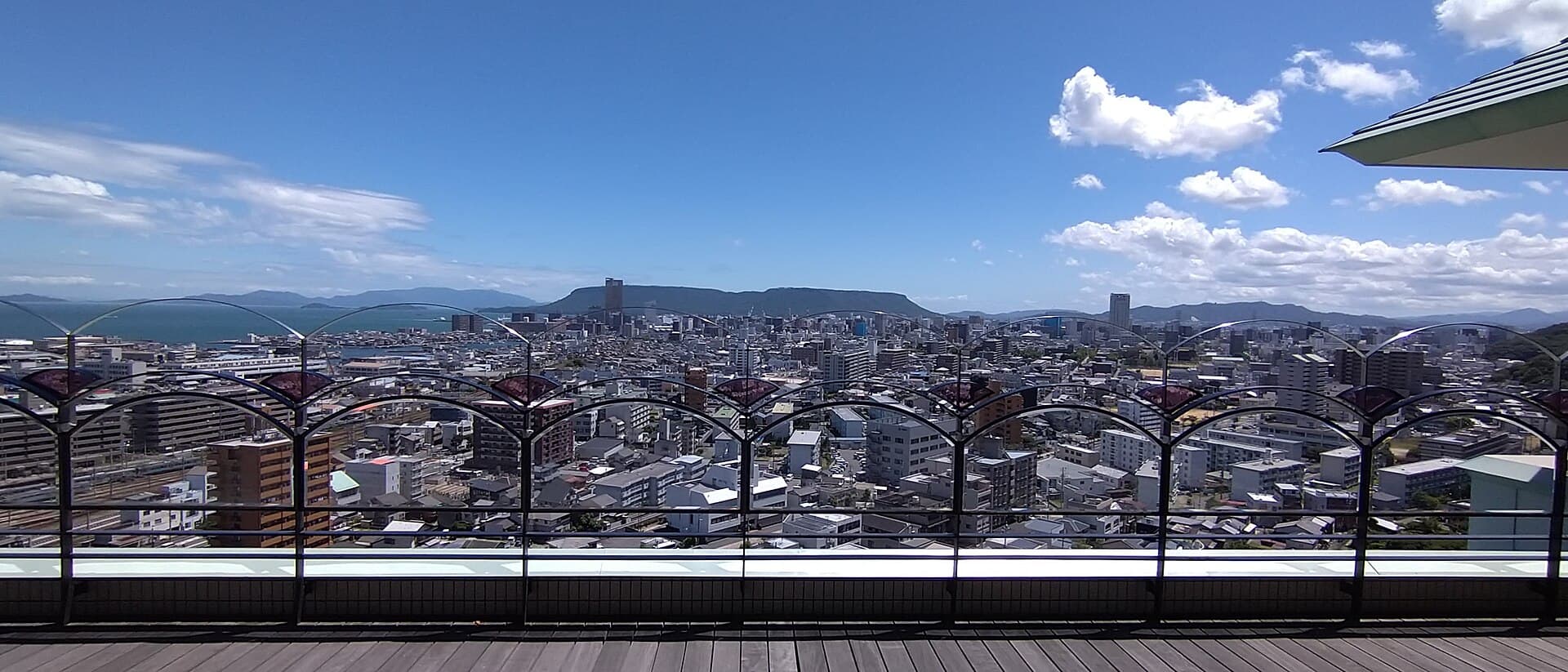 Dokudami / CC BY-SA 4.0, via Wikimedia Commons
Tour de áudio autoguiado por Takamatsu — rota GPS a pé, reprodução offline, narração envolvente em 32 idiomas.
“Onde pinheiros antigos encontram arte moderna, e cada canto guarda uma descoberta silenciosa.”
Não os postais. As histórias que nem os locais conhecem — sussurradas ao seu ouvido, exatamente onde aconteceram.
Quais residentes surpreendentes flutuam sob a superfície desta fortaleza histórica?
Onde você pode testemunhar uma forma de arte viva que molda 80% do suprimento do Japão?
Qual área oferece um vislumbre do passado do período Edo de Takamatsu, agora infundido com nova vida?
Descubra cada segredo de Takamatsu
Cada endereço, cada revelação na íntegra — no seu ouvido, exatamente onde aconteceu.
Você escolhe as suas paragens. Você caminha. A voz revela o que os outros perdem.


O seu tour áudio autoguiado de Takamatsu está pronto — escolha os seus pontos de interesse, selecione o seu idioma e comece no momento em que chegar.
ComprarA Lume inclui um guia de realidade aumentada. Levante o telemóvel: a câmara mostra a rua à sua frente, com uma seta luminosa sobreposta à imagem real que aponta sempre para a sua próxima paragem — sem mapa para decifrar, sem voltas erradas. Como tudo na Lume, funciona totalmente offline.
Takamatsu, a capital da província de Kagawa na ilha de Shikoku, no Japão, muitas vezes serve como ponto de partida para as renomadas ilhas de arte do Mar Interior de Seto. No entanto, tratá-la meramente como um centro de trânsito é ignorar seu caráter distinto. Esta cidade portuária de médio porte oferece um ritmo mais tranquilo, uma presença confiante que não busca atenção ostensivamente, mas recompensa aqueles que demoram.
Com o Mar Interior de Seto definindo sua borda norte, Takamatsu apresenta uma mistura cativante de profundidade histórica, tradições culinárias excepcionais — especialmente seu celebrado Sanuki udon — e uma cena de arte contemporânea em desenvolvimento. A paisagem da cidade integra perfeitamente conveniência urbana com beleza natural, desde suas extensas arcadas comerciais cobertas até o tranquilo Jardim Ritsurin.
Takamatsu é uma cidade de descobertas silenciosas, onde o cheiro do mar é um companheiro constante e a luz do final da tarde refletindo na água incentiva um ritmo mais lento. É um lugar onde o artesanato, da laca ao bonsai, está profundamente enraizado, e onde cada esquina revela outra camada de sua identidade única.
As origens de Takamatsu como um centro urbano significativo remontam ao final do século XVI. Em 1587, Ikoma Chikamasa, um senhor da guerra e vassalo de Toyotomi Hideyoshi, foi nomeado governante da Província de Sanuki (atual Província de Kagawa). Ele iniciou a construção do Castelo de Takamatsu em 1590, em torno do qual a cidade castelo começou a se formar.
A cidade, inicialmente conhecida como Nohara, foi renomeada Takamatsu por Ikoma. Por 54 anos, a família Ikoma governou a próspera cidade castelo, seguida por 220 anos sob 11 gerações do poderoso clã Matsudaira, parentes dos Shoguns Tokugawa reinantes, a partir de 1642. Sob os Matsudaira, Takamatsu tornou-se a capital de um domínio próspero e uma cidade líder em Shikoku.
Vários fatores contribuíram para a prosperidade de Takamatsu durante o período Edo (1603-1868). Sua localização estratégica no Mar Interior de Seto a tornou um porto vital, facilitando o comércio e a comunicação com a ilha principal do Japão, Honshu. O Castelo de Takamatsu, um dos poucos "castelos marítimos" do Japão com fossos preenchidos diretamente do mar, serviu tanto como fortaleza militar quanto como coração administrativo da região. Embora a torre principal do castelo tenha sido desmontada no século XIX, os baluartes, muralhas e fossos sobreviventes ainda definem o centro histórico da cidade.
Esta era também viu um florescimento cultural, com o patrocínio do clã Matsudaira promovendo o desenvolvimento das artes e ofícios. Takamatsu tornou-se renomada por sua laca de alta qualidade, especialmente usando as técnicas únicas "Kinma" e "Goto-nuri". A criação do requintado Jardim Ritsurin, considerado um dos jardins paisagísticos mais bonitos do Japão, também data deste período.
Após a Restauração Meiji em 1868 e a abolição dos domínios feudais, Takamatsu tornou-se oficialmente a capital da Província de Kagawa em 1890. Na era moderna, a construção da Ponte Seto Ohashi em 1988 solidificou ainda mais o papel de Takamatsu como um portal, melhorando o acesso de Honshu e impulsionando seu desenvolvimento como centro administrativo, econômico e cultural de Shikoku.
Comece sua exploração no Jardim Ritsurin, um Sítio Especial de Beleza Cênica designado nacionalmente. Este extenso jardim "estilo passeio", com o Monte Shiun como pano de fundo, apresenta seis lagos e treze colinas artificiais, oferecendo uma vista diferente a cada passo. Considere um passeio de barco tradicional ou desfrute de matcha na casa de chá Kikugetsu-tei.
Descubra os remanescentes do Castelo de Takamatsu (Parque Tamamo), um dos poucos castelos à beira-mar do Japão. Embora a torre principal tenha desaparecido, os fossos de água salgada, as muralhas de pedra e três baluartes sobreviventes (Tsukimi, Watari e Ushitora Yagura) oferecem um vislumbre de seu passado feudal.
Suba o Monte Yashima, um planalto de topo plano que oferece vistas expansivas do Mar Interior de Seto. Este local histórico, conhecido por uma batalha crucial do século XII, abriga o Templo Yashima, a 84ª parada na peregrinação de Shikoku. O edifício Yashimaru, projetado por Toyo Ito, oferece experiências gastronômicas e de artesanato.
Passeie pelas Arcadas de Compras Centrais de Takamatsu (Shotengai), um labirinto interconectado que se estende por 2,7 quilômetros. Estas ruas cobertas estão repletas de lojas locais, restaurantes e desvios inesperados, tornando uma tarde envolvente de descobertas.
Para uma experiência cultural única, visite a Vila de Bonsai de Kinashi nos subúrbios ocidentais. Esta área produz 80% dos bonsais de pinho do Japão, e você pode explorar livremente inúmeros viveiros em funcionamento.
As épocas mais agradáveis para visitar Takamatsu são durante a primavera (março a maio) e o outono (setembro a novembro). A primavera traz temperaturas amenas e a beleza das flores de cerejeira, enquanto o outono oferece clima confortável e folhagem vibrante de outono, ideal para atividades ao ar livre e passeios em jardins. Os verões podem ser quentes e úmidos, com a maior precipitação de maio a setembro, enquanto os invernos são geralmente amenos, mas podem ser chuvosos.
Takamatsu é bem conectada e fácil de navegar. De Tóquio, pegue o Shinkansen até Okayama e transfira para o trem rápido JR Marine Liner, que cruza a cênica Ponte Seto Ohashi. O trem noturno Sunrise Seto também vai diretamente de Tóquio para Takamatsu. O Aeroporto de Takamatsu tem conexões domésticas, com uma viagem de ônibus de cerca de 40 minutos até o centro da cidade.
Dentro da cidade, o centro de Takamatsu é acessível a pé. A Kotoden (Ferrovia Elétrica Takamatsu-Kotohira) opera três linhas locais, conectando o centro da cidade aos subúrbios e atrações como o Jardim Ritsurin e o Santuário Kotohira-gu. Ônibus urbanos também atendem pontos de interesse. Para passeios pelas ilhas, balsas partem regularmente do Porto de Takamatsu para destinos como Naoshima, Teshima, Shodoshima, Megijima e Ogijima. Suica, Icoca e outros principais cartões IC são aceitos nos trens e ônibus da Kotoden, bem como nos trens JR entre Okayama e Takamatsu.
Takamatsu — coreano, chinês, hebraico e mais 29 idiomas, cada parada narrada por uma voz nativa. A maior variedade de idiomas entre os passeios de áudio autoguiados.
Disponível em: