Amboni-grotten
De Amboni-grotten zijn meer dan geologische formaties; ze hebben een diepe spirituele betekenis voor lokale gemeenschappen.
Volledig verhaal ontgrendeld in de tour
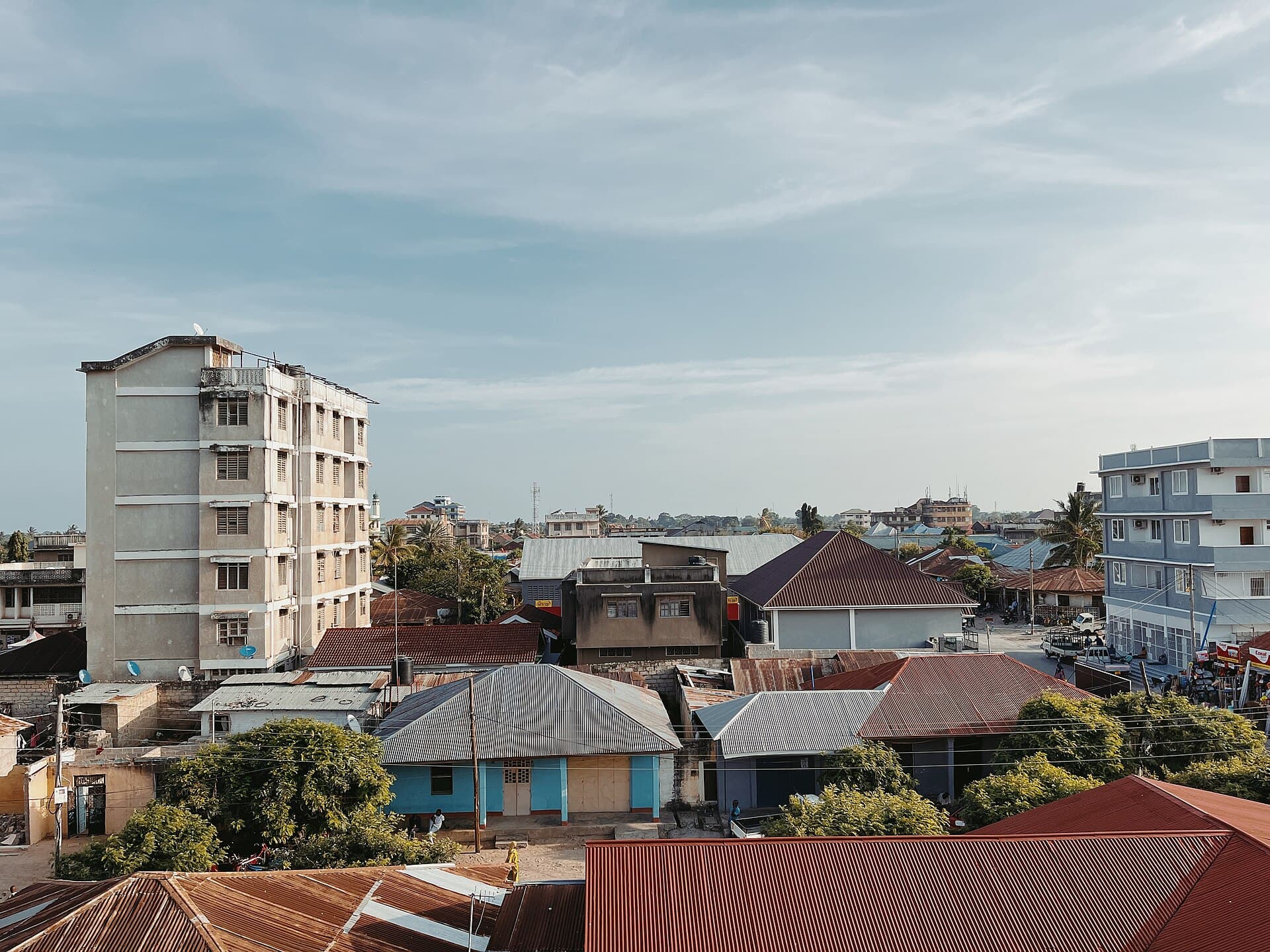 Halidtz / CC BY-SA 4.0, via Wikimedia Commons
Zelfgeleide audiowandeling door Tanga — GPS-route, offline afspelen, meeslepende vertelling in 32 talen.
“Waar geschiedenis ademt door koraalsteen en sisalvelden de zee ontmoeten.”
Niet de ansichtkaarten. De verhalen die zelfs locals niet kennen — gefluisterd in je oor, precies waar ze gebeurden.
De Amboni-grotten zijn meer dan geologische formaties; ze hebben een diepe spirituele betekenis voor lokale gemeenschappen.
Dit kleine eiland in Tanga Bay, bekend als Toten Island, draagt een naam met een sombere Duitse oorsprong.
Tanga was ooit wereldwijd beroemd om een gewas dat het de bijnaam 'groen goud' opleverde.
Ontdek elk geheim van Tanga
Elk adres, elke onthulling volledig — in je oor, precies waar het gebeurde.
Jij kiest je stops. Jij wandelt. De stem onthult wat de anderen missen.


Je zelfgeleide audiotour van Tanga is klaar — kies je bezienswaardigheden, kies je taal en start zodra je aankomt.
KopenLume heeft een ingebouwde augmented-reality-gids. Houd je telefoon omhoog: de camera toont de straat voor je, met een oplichtende pijl over het echte beeld die altijd naar je volgende stop wijst — geen kaart om uit te puzzelen, geen verkeerde afslagen. Zoals alles in Lume werkt het volledig offline.
Tanga, een kuststad in het noordoosten van Tanzania, biedt een boeiende mix van geschiedenis, cultuur en natuurlijke pracht langs de Indische Oceaan. Als de op een na grootste haven van Tanzania is het al lang een cruciale schakel tussen het binnenland en de zee, wat de diverse erfgoed heeft gevormd. De stad heeft een rustigere sfeer vergeleken met sommige drukkere centra van Tanzania, met brede straten vaak gevuld met fietsers en motoren, wat een semi-koloniale charme uitstraalt.
Het architecturale landschap van de stad is een visuele kroniek van zijn verleden, waar Afrikaanse, Arabische, Duitse en Britse invloeden met elkaar verweven zijn. Van de overblijfselen van oude Swahili-nederzettingen tot de kenmerkende Duitse koloniale gebouwen en latere Britse structuren, Tanga vertelt een verhaal door zijn gebouwde omgeving. Buiten het stedelijke weefsel biedt de omliggende regio een verscheidenheid aan landschappen, waaronder mangroven, zandstranden en de verre Usambara-bergen.
Tanga is een bestemming voor diegenen die zich willen verdiepen in de Oost-Afrikaanse geschiedenis, unieke natuurwonderen willen verkennen en een ontspannen kusttempo willen ervaren. De historische betekenis, in combinatie met de natuurlijke attracties zoals de Amboni-grotten en Toten Island, maakt het een boeiende stop voor de avontuurlijke reiziger.
De geschiedenis van Tanga gaat terug tot de 14e eeuw, toen Perzische handelaren de stad aan de kust stichtten. Archeologisch bewijs suggereert echter nog oudere bewoning, met vroege IJzertijd-vindplaatsen in de nabijgelegen Pare- en Usambara-bergen en de Digo Hills. Van de 15e tot de 17e eeuw vormden inheemse staten, met name die gedomineerd werden door de Shamba-volkeren, zich in het binnenland van de regio. Tijdens de Middeleeuwen bloeiden Swahili stadstaten zoals Tongoni, Mshembo en Pangani langs de kust van Tanga. Tanga diende ook als een belangrijk rustpunt voor Arabische handelskaravanen die naar Centraal-Afrika trokken op zoek naar ivoor en tot slaaf gemaakte mensen.
De Portugezen controleerden de Tanga-regio tussen 1500 en 1700 en gebruikten de haven als handelscentrum. Nadat de Portugezen waren verdreven, kreeg het Sultanaat van Oman begin 18e eeuw de controle over de nederzetting. Tanga bleef een handelshaven voor ivoor en tot slaaf gemaakte mensen tot de afschaffing van de slavernij door Europese machten in 1873.
Eind 19e eeuw arriveerden Europese machten, waarbij de Duitsers in 1891 de kustlijn van Tanzania van de Sultan van Zanzibar kochten. Tanga werd aangewezen als stad en werd het eerste administratieve centrum van Duits Oost-Afrika, voorafgaand aan Dar es Salaam. De Duitsers moderniseerden de haven en begonnen in 1893 met de aanleg van de Usambara-spoorlijn, de eerste spoorlijn op het vasteland van Tanzania, die Tanga verbond met het vruchtbare binnenland en de handel vergemakkelijkte. Deze periode zag een radicale verschuiving in de economie van de regio met de introductie van sisal door de Duitse agronoom Dr. Richard Hindorf in 1893. Sisal werd al snel een cruciale export, waardoor Tanga de bijnaam 'groen goud' kreeg.
De Duitse koloniale heerschappij eindigde tijdens de Eerste Wereldoorlog, waarbij de Britten in 1917 het overnamen. Onder Brits bestuur ging de ontwikkeling van de haven en het spoorwegnetwerk door, wat de status van Tanga als belangrijk economisch centrum verstevigde. De sisalindustrie bereikte zijn hoogtepunt tijdens deze periode, waarbij Tanga de grootste producent en exporteur ter wereld werd. Nadat Tanganyika in 1961 onafhankelijk werd en fuseerde met Zanzibar om Tanzania in 1964 te vormen, bleef de haven van Tanga een toegangspoort voor sisal-export. De industrie kreeg echter te maken met uitdagingen als gevolg van overheidscontrole op de landbouwhandel en dalende wereldmarktprijzen voor sisal, wat leidde tot een daling van de inkomsten voor de haven. Tegenwoordig behoudt Tanga zijn historische karakter, met goed bewaard gebleven Duitse koloniale architectuur en een ontspannen sfeer.
Tanga biedt een reeks attracties die zijn gelaagde geschiedenis en natuurlijke schoonheid weerspiegelen. Begin uw verkenning in het stadscentrum, waar Duitse koloniale architectuur getuigt van een vervlogen tijdperk. Gebouwen hebben dikke koraalstenen muren, hoge plafonds, brede veranda's en decoratieve bogen, die een mix van Europese en Arabische ontwerpen laten zien. Het Urithi Tanga Museum, gehuisvest in de oude Duitse Boma (administratief gebouw), biedt inzicht in de lokale geschiedenis en artefacten.
Een korte boottocht over Tanga Bay leidt naar Toten Island, historisch bekend als 'Eiland van de Doden'. Dit onbewoonde eiland heeft ruïnes van 15e-eeuwse moskeeën en tombes, samen met graven uit het Duitse koloniale tijdperk, allemaal gelegen in een weelderig kustbos met grote baobabbomen. Het is een plek voor natuurwandelingen, zwemmen en snorkelen in het omringende heldere water.
Op slechts 8 kilometer ten noorden van Tanga City liggen de Amboni-grotten, het meest uitgebreide kalksteengrotensysteem van Oost-Afrika, gevormd ongeveer 150 miljoen jaar geleden. Rondleidingen nemen u mee door ingewikkelde tunnels en kamers, met stalactiet- en stalagmietformaties die de lokale bevolking namen heeft gegeven naar bekende vormen zoals een kaart van Afrika of een olifant. De grotten hebben ook spirituele betekenis voor lokale gemeenschappen, die ze al eeuwenlang gebruiken voor gebeden en rituelen. Verder weg, ongeveer 17 km ten zuiden van Tanga, liggen de Tongoni Ruins, met de 15e-eeuwse overblijfselen van een moskee en talrijke tombes.
De ideale tijd om Tanga te bezoeken is tijdens het belangrijkste droge seizoen, dat loopt van juni tot oktober. Gedurende deze maanden is het weer over het algemeen zonnig met lagere luchtvochtigheid en minimale regenval, wat comfortabel is voor buitenactiviteiten zoals het verkennen van de stad, het bezoeken van stranden of een uitstapje naar de Amboni-grotten en Usambara-bergen. Een andere goede periode is het korte droge seizoen van januari tot februari, dat aangenaam weer biedt en tegelijkertijd de drukste toeristische periodes vermijdt. Tanga kent twee regenseizoenen: de lange regen van maart tot mei en de korte regen van oktober tot december.
Tanga is bereikbaar over de weg vanuit grote Tanzaniaanse steden zoals Dar es Salaam, Arusha en Moshi, met reistijden van 6 tot 8 uur, afhankelijk van de omstandigheden. Het is ook mogelijk om vanuit Mombasa, Kenia, te reizen via de grensovergang Horohoro. Voor degenen die liever vliegen, heeft Tanga een kleine luchthaven. Binnen de stad zijn brede straten gebruikelijk en rondreizen per fiets of motor is populair. Overweeg bij het verkennen van historische bezienswaardigheden een lokale gids in te huren voor diepere inzichten in het verleden en de culturele nuances van de stad. Veel hotels en touroperators in Tanga kunnen boottochten naar Toten Island en rondleidingen door de Amboni-grotten regelen. Lokale gerechten omvatten Oost-Afrikaanse gerechten zoals gegrilde mishkaki-kebab en kashata, een zoete pinda-fudge, verkrijgbaar bij lokale cafés en kraampjes.
Tanga — Koreaans, Chinees, Hebreeuws en nog 29 talen, elke stop verteld door een moedertaalspreker. Het grootste taalaanbod van alle zelfgeleide audiotours.
Beschikbaar in: