Collégiale Royale Sainte-Marthe
Abaixo do altar da igreja principal de Tarascon existe uma cripta, mas não uma cripta qualquer.
História completa desbloqueada no tour
 Vi..Cult... / CC BY-SA 3.0, via Wikimedia Commons
Tour de áudio autoguiado por Tarascon — rota GPS a pé, reprodução offline, narração envolvente em 32 idiomas.
“Onde um dragão foi domado e o castelo de um rei ainda permanece.”
Não os postais. As histórias que nem os locais conhecem — sussurradas ao seu ouvido, exatamente onde aconteceram.
Abaixo do altar da igreja principal de Tarascon existe uma cripta, mas não uma cripta qualquer.
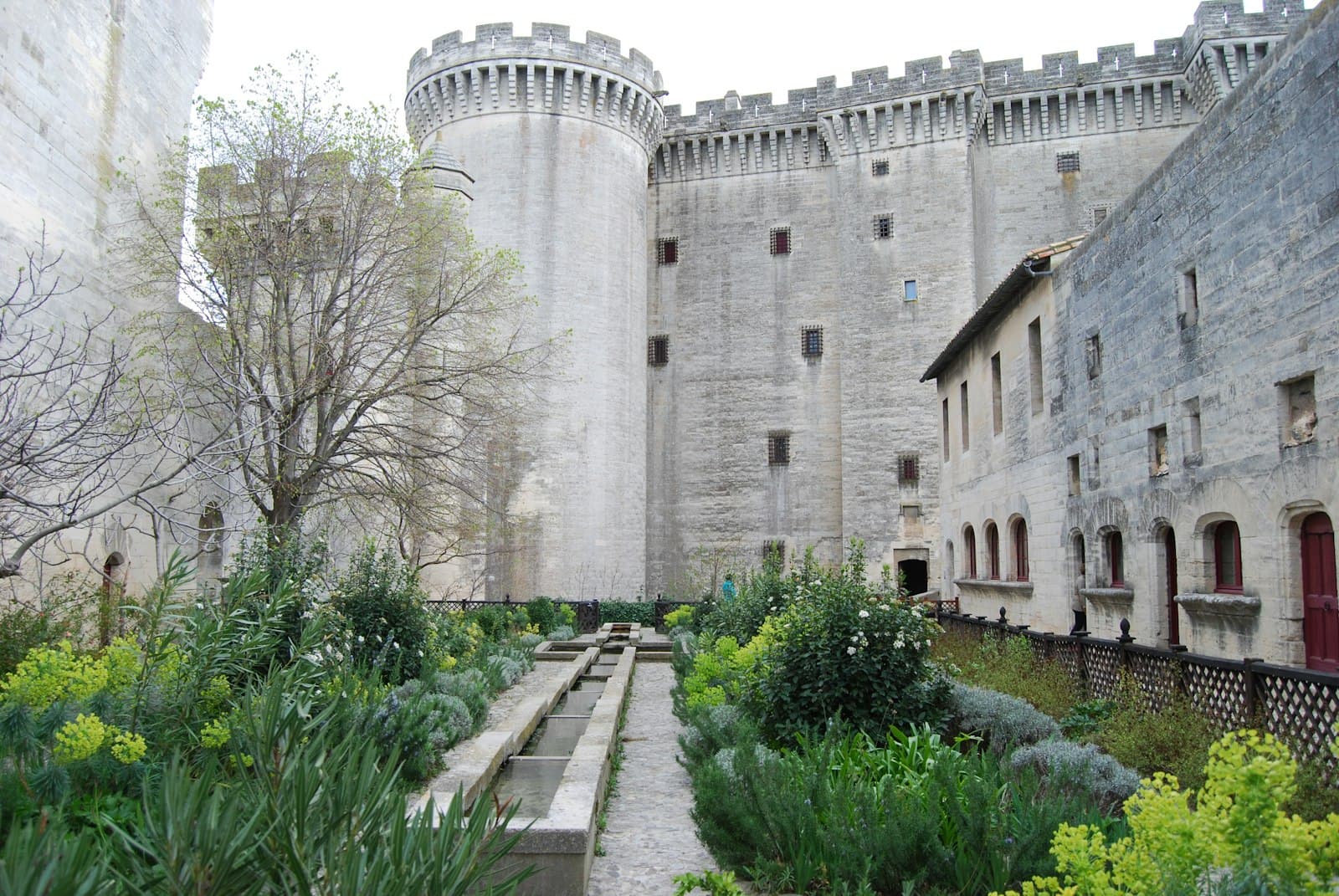
O formidável Château de Tarascon, frequentemente associado ao Rei Renato, guarda um passado mais sombrio e menos régio dentro de suas muralhas.
Passeie pela cidade velha e você poderá notar um detalhe arquitetônico particular em alguns dos edifícios mais antigos, uma referência sutil a um tempo em que o comércio era conduzido de forma diferente.
Descubra cada segredo de Tarascon
Cada endereço, cada revelação na íntegra — no seu ouvido, exatamente onde aconteceu.
Você escolhe as suas paragens. Você caminha. A voz revela o que os outros perdem.


O seu tour áudio autoguiado de Tarascon está pronto — escolha os seus pontos de interesse, selecione o seu idioma e comece no momento em que chegar.
ComprarA Lume inclui um guia de realidade aumentada. Levante o telemóvel: a câmara mostra a rua à sua frente, com uma seta luminosa sobreposta à imagem real que aponta sempre para a sua próxima paragem — sem mapa para decifrar, sem voltas erradas. Como tudo na Lume, funciona totalmente offline.
Tarascon, uma cidade ensolarada na Provença, situa-se às margens do Rio Ródano, um lugar onde lendas antigas parecem estar logo abaixo da superfície. É uma cidade que muitas vezes é ignorada por seus vizinhos mais chamativos, mas essa é precisamente sua atração. Aqui, a vida se move em um ritmo diferente, permitindo uma apreciação mais profunda de seu caráter. O ar carrega o cheiro de ciprestes e oliveiras, e a luz, tão amada pelos artistas, banha as fachadas de pedra em um brilho quente.
Este não é um lugar de grandes avenidas, mas de ruas estreitas e sinuosas que convidam você a se perder um pouco. Você se encontrará em meio a edifícios que existem há séculos, suas pedras desgastadas contando histórias da influência romana, das lutas medievais pelo poder e da vida cotidiana do povo provençal. Tarascon oferece um encontro genuíno com uma região cheia de mitos e história tangível, uma cidade que carrega orgulhosamente seu passado enquanto vive plenamente o presente.
A história de Tarascon começa muito antes das lendas medievais que a definem hoje. Sua posição estratégica no Rio Ródano a tornou um importante assentamento já na época romana, servindo como ponto de travessia e centro de comércio. Embora as ruínas romanas diretas sejam menos proeminentes do que em algumas outras cidades da Provença, sua influência lançou as bases para seu desenvolvimento futuro.
O conto mais famoso da cidade gira em torno da Tarasca, uma criatura temível semelhante a um dragão que dizem ter aterrorizado a população local. Segundo a lenda, Santa Marta, vinda da Judeia, domou a besta com orações e um pouco de água benta, levando-a de volta a Tarascon, onde os habitantes a mataram. Esse mito é tão central para a identidade da cidade que a Tarasca é celebrada anualmente e é até reconhecida pela UNESCO como parte do patrimônio cultural imaterial da França.
Durante a Idade Média, Tarascon tornou-se uma fortaleza significativa. Sua localização estratégica na fronteira entre a Provença e o Reino da França a tornou um bem cobiçado. O impressionante Château de Tarascon, uma fortaleza formidável, começou sua vida como uma estrutura defensiva no século XII, embora muito do que existe hoje data do século XV. Foi o Rei Renato de Anjou, conhecido como 'Bom Rei Renato', quem transformou o castelo de um edifício puramente militar em uma residência real mais confortável, porém ainda imponente. Ele o adornou com toques artísticos e o utilizou como centro cultural, deixando um legado duradouro no marco mais icônico da cidade.
Além de suas lendas e conexões reais, Tarascon floresceu como um centro de comércio e agricultura. Seu porto fluvial facilitou o movimento de mercadorias, contribuindo para sua prosperidade econômica. As indústrias tradicionais da cidade, como têxteis e produção de azeite, moldaram seu caráter ao longo dos séculos. Mesmo hoje, Tarascon mantém uma forte conexão com sua herança provençal, expressa em seus mercados locais, festivais e no espírito duradouro de sua comunidade.
Comece sua exploração no Château de Tarascon, uma fortaleza medieval notavelmente preservada com vista para o Ródano. Suas torres imponentes e interior intrincado oferecem um vislumbre da vida real e da arquitetura militar. Em seguida, visite a Collégiale Royale Sainte-Marthe, uma igreja com uma mistura românica e gótica, notável por sua cripta que se acredita abrigar o túmulo de Santa Marta. Passeie pelas ruas estreitas da cidade velha, onde você descobrirá praças charmosas e edifícios históricos, muitos com detalhes arquitetônicos que sugerem seu passado como bancas de mercadores. Não perca a Rue des Halles para sentir essa história. Para um gostinho da vida local, visite a Place du Marché, especialmente nos dias de mercado, para vivenciar a atmosfera animada e os produtos locais. Considere um passeio pelas margens do Rio Ródano para vistas pitorescas do castelo e da paisagem circundante.
As melhores épocas para visitar Tarascon são a primavera (abril a junho) e o início do outono (setembro a outubro). Durante esses meses, o clima é agradavelmente quente e ensolarado, ideal para explorar a pé, e as multidões são geralmente menores do que na alta temporada de verão. A primavera traz flores desabrochando, enquanto o outono oferece temperaturas confortáveis e a colheita de uvas.
Tarascon é facilmente acessível de trem, com serviços regulares que a conectam a grandes cidades como Avignon e Marselha. Se for de carro, há estacionamento disponível perto do Château e em vários estacionamentos públicos ao redor do centro da cidade. A cidade é compacta e melhor explorada a pé, portanto, sapatos confortáveis são uma necessidade. A maioria das lojas observa um fechamento ao meio-dia, geralmente das 12h30 às 14h30, portanto, planeje suas tarefas de acordo. Embora o francês seja o idioma principal, você encontrará algum inglês falado nos estabelecimentos que atendem a visitantes.
Tarascon — coreano, chinês, hebraico e mais 29 idiomas, cada parada narrada por uma voz nativa. A maior variedade de idiomas entre os passeios de áudio autoguiados.
Disponível em: