Mirador de los Sueños
Una copa de vino colosal se alza en una colina, contemplando Tarija.
La historia completa se desbloquea en el tour
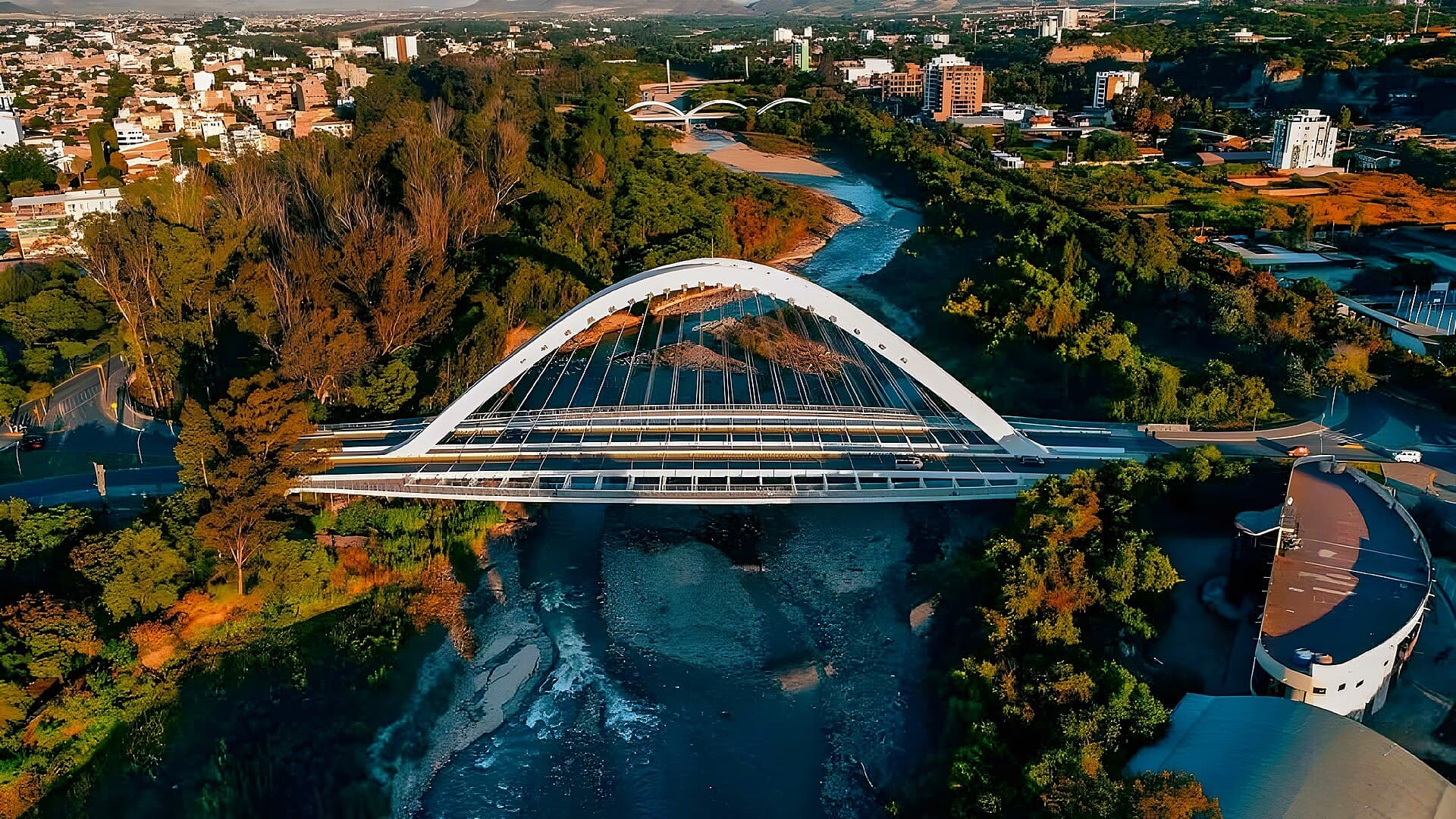 Parallelepiped09 / CC BY-SA 4.0, via Wikimedia Commons
Tour de audio autoguiado de Tarija — ruta GPS a pie, reproducción offline, narración en 32 idiomas.
“Donde el vino boliviano se encuentra con la gracia andaluza.”
No las postales. Las historias que ni los locales conocen — al oído, justo donde ocurrieron.
Una copa de vino colosal se alza en una colina, contemplando Tarija.
La mansión más lujosa de Tarija una vez recibía al público solo una vez al año.
La plaza central de Tarija tiene un pasado conectado a dos naciones diferentes.
Descubre todos los secretos de Tarija
Cada dirección, cada revelación al completo — a tu oído, justo donde ocurrió.
Eliges tus paradas. Caminas. La voz te revela lo que los demás ignoran.
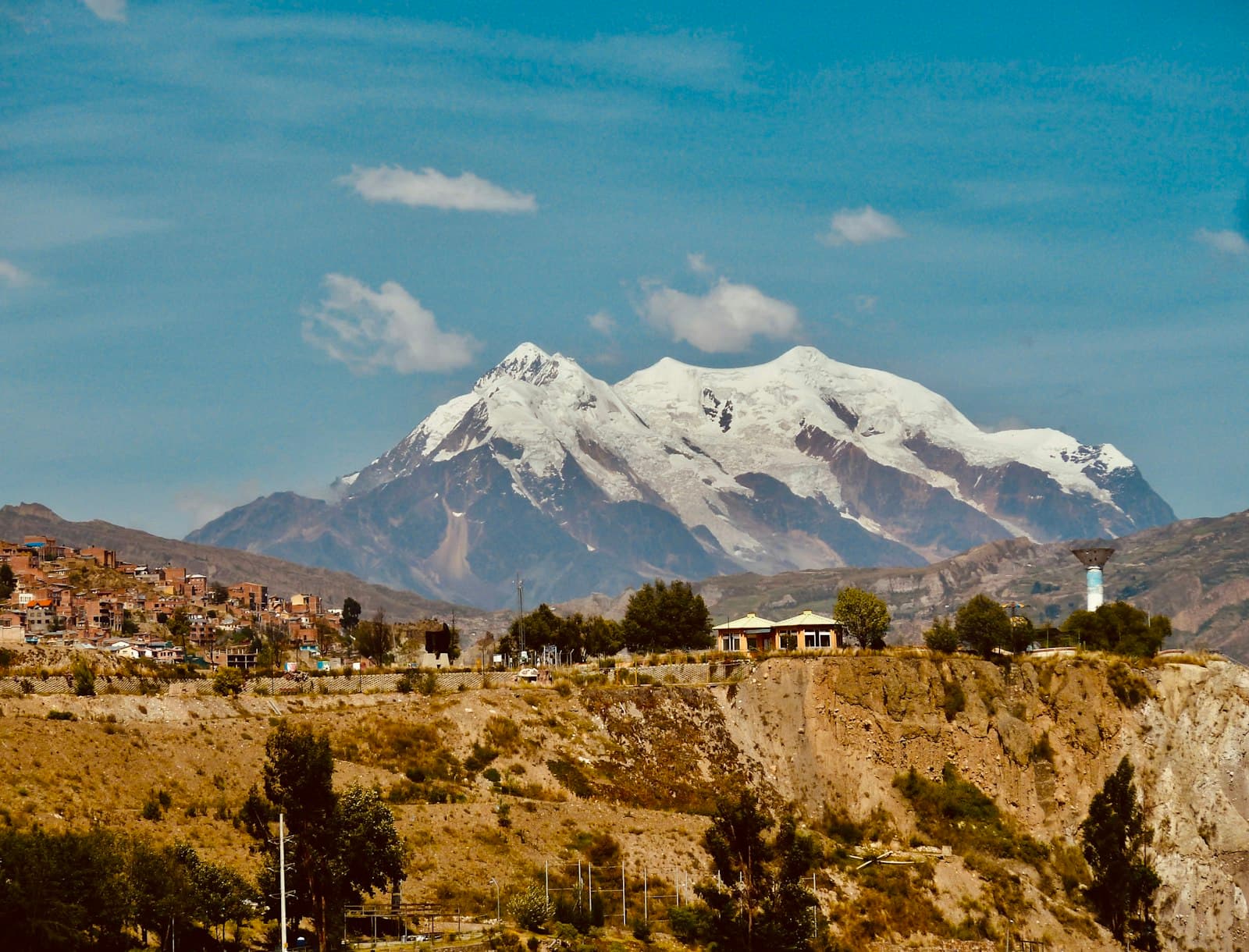
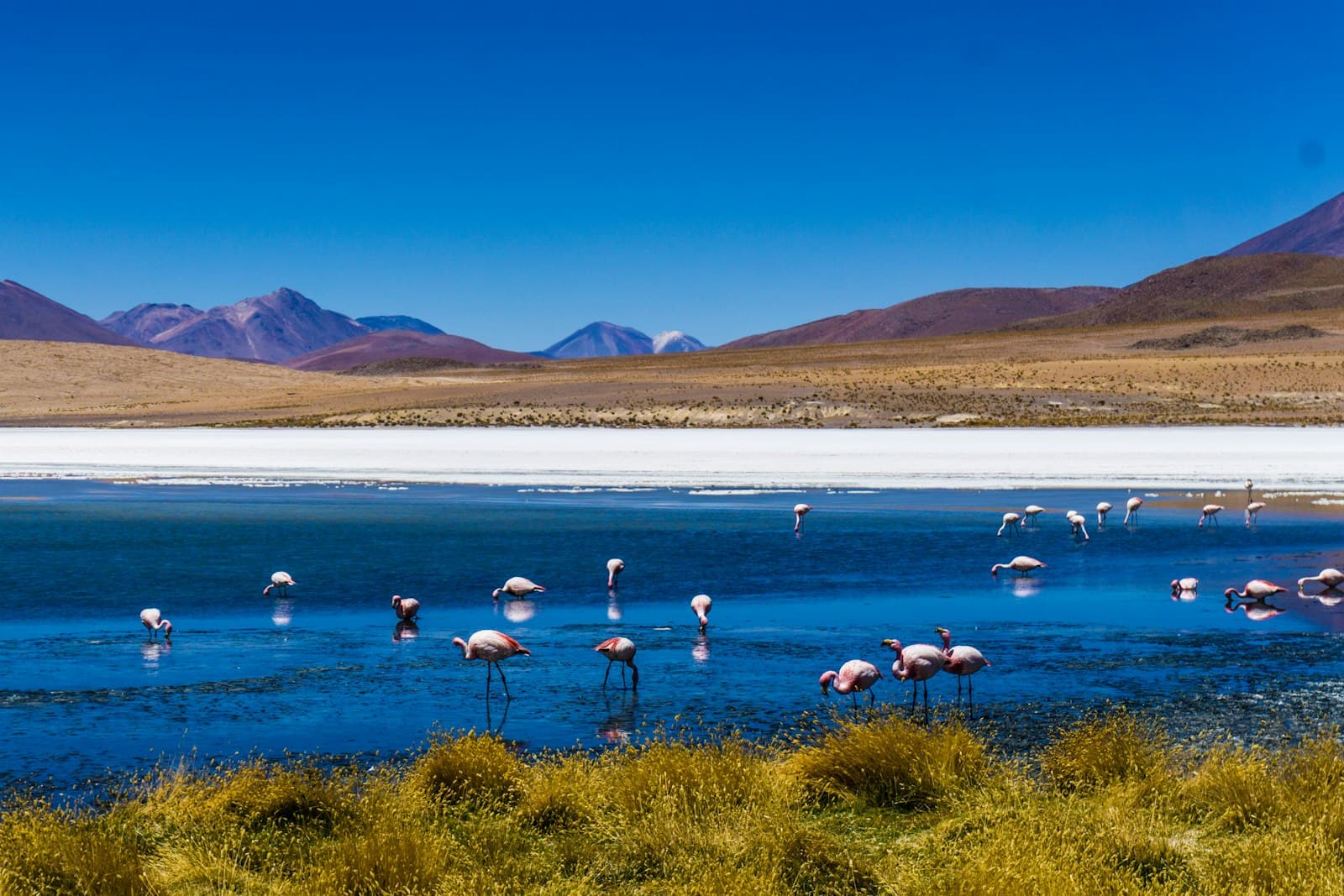
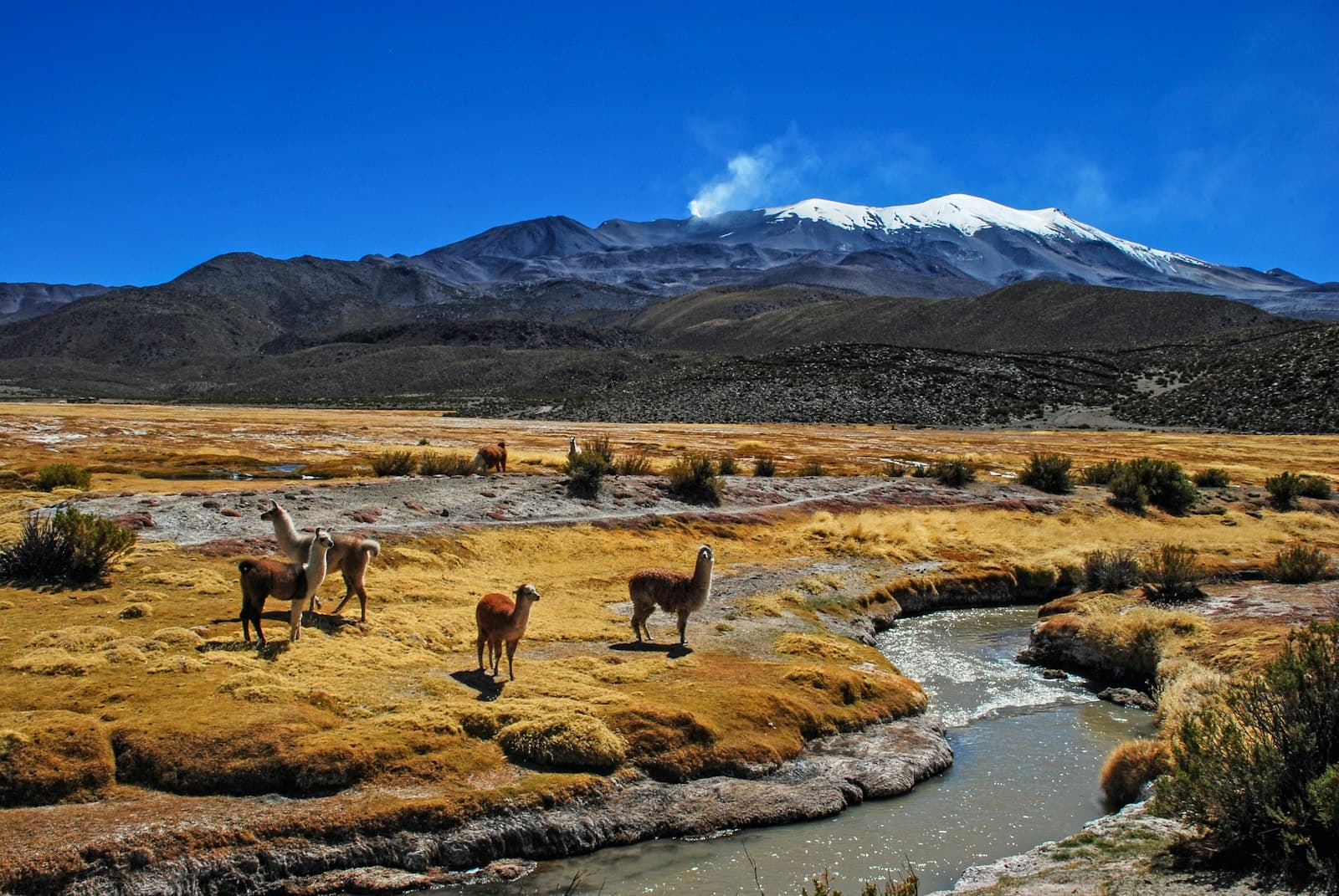
Tu tour de audioguía por Tarija te espera — elige tus lugares, tu idioma y empieza al llegar.
ComprarLume incluye una guía de realidad aumentada. Levanta el móvil y su cámara muestra la calle que tienes delante, con una flecha luminosa sobre la imagen real que siempre apunta a tu próxima parada — sin mapas que descifrar, sin giros equivocados. Como todo en Lume, funciona completamente sin conexión.
Tarija, conocida cariñosamente como la "Andalucía boliviana" o la "Capital del Vino de Bolivia", ofrece una experiencia distintiva en el sur del país. Situada en un valle fértil a una altitud de aproximadamente 1.854 metros (6.070 pies) sobre el nivel del mar, la ciudad goza de un clima templado y semiárido, un agradable contraste con el Altiplano más frío o la húmeda cuenca amazónica. Este clima acogedor, junto con sus ricos suelos aluviales, ha fomentado una próspera industria vinícola, estableciendo a Tarija como un actor significativo, aunque de menor escala, en la viticultura sudamericana.
La ciudad en sí irradia una atmósfera relajada, con un centro colonial transitable que invita a la exploración sin prisas. La identidad cultural de Tarija es una mezcla cautivadora, con semejanzas arquitectónicas y culinarias con el norte de Argentina y el sur de España. Los visitantes pueden disfrutar de cenas al aire libre, degustar vinos locales y descubrir una ciudad que, a pesar de su creciente importancia económica debido a las reservas de gas y el vino, mantiene un auténtico carácter boliviano.
Tarija, originalmente llamada San Bernardo de la Frontera de Tarija, fue establecida el 4 de julio de 1574 por el capitán español Luis de Fuentes y Vargas. Su propósito inicial fue estratégico: servir como fortificación militar y puesto fronterizo, defendiendo las posesiones españolas contra las tribus indígenas, particularmente los chiriguanos. Sin embargo, su ubicación en un valle fértil con un clima templado reveló rápidamente su potencial agrícola, sentando las bases para la futura viticultura.
A lo largo de su historia temprana, la lealtad de Tarija cambió. Fue separada de Potosí y anexada a la jurisdicción de Salta (actual Argentina) por un Real Decreto en 1807. Durante las guerras de independencia a principios del siglo XIX, los residentes de Tarija apoyaron activamente la Revolución de Mayo en Buenos Aires. A pesar de estos lazos con Argentina, los ciudadanos de Tarija, conocidos como chapacos, votaron en 1826 para reincorporarse a Bolivia. Esta decisión se solidificó oficialmente en 1831 con el establecimiento del Departamento de Tarija por el presidente boliviano Andrés de Santa Cruz. Argentina finalmente renunció a su reclamo sobre Tarija en 1899, a cambio de la Puna de Atacama.
Los siglos XIX y XX marcaron un punto de inflexión para Tarija, ya que se transformó en la capital vitivinícola de Bolivia. Si bien los sacerdotes jesuitas habían plantado viñedos ya en el siglo XVII, el desarrollo industrial de la vinificación comenzó en 1927 con la fundación de las primeras bodegas importantes. Este período también vio un desarrollo arquitectónico y cultural significativo, con la finalización de la Catedral en 1899 y la Casa Dorada, dando forma a la distintiva apariencia "andaluza" de la ciudad. Hoy, Tarija sigue siendo el epicentro de la vinificación boliviana, con sus viñedos de gran altitud produciendo vinos únicos y cada vez más reconocidos.
Comience su exploración en la Plaza Luis de Fuentes y Vargas, la plaza central de la ciudad, adornada con flores, palmeras y estatuas, y rodeada de arquitectura colonial. Desde aquí, una breve caminata lo lleva a la Casa Dorada, una mansión Art Nouveau construida entre 1878 y 1903. Ahora funciona como la Casa de la Cultura, su exterior dorado y sus intrincados detalles hablan del opulento pasado de Tarija.
Para una ventana al pasado antiguo de la región, visite el Museo Paleontológico, que alberga una colección de fósiles de animales prehistóricos descubiertos en el valle de Tarija. Justo más allá de la ciudad, el Mirador de los Sueños ofrece vistas panorámicas de Tarija y la región vinícola circundante desde una distintiva torre de observación en forma de copa de vino. Ninguna visita a Tarija está completa sin experimentar su floreciente escena vinícola. Realice un recorrido por el Valle de la Concepción para explorar viñedos y bodegas de gran altitud, degustando vinos tintos locales, especialmente el Tannat, y el espíritu nacional de Bolivia, el Singani. Para aquellos que aprecian la naturaleza, la Reserva Biológica Cordillera de Sama, a unas dos horas de Tarija, cuenta con humedales de gran altitud, bosques de cactus y un antiguo sendero inca.
El momento ideal para visitar Tarija es durante la estación seca, que abarca de abril a octubre. Durante estos meses, el clima es templado, seco y soleado, creando condiciones perfectas para explorar la ciudad y sus viñedos circundantes. Si bien las noches pueden ser frescas, particularmente de mayo a agosto, las temperaturas diurnas son agradables. La estación húmeda, de noviembre a marzo, trae lluvias más frecuentes, lo que puede afectar las condiciones de las carreteras a áreas más distantes.
A Tarija se puede llegar por aire, con el Aeropuerto Capitán Oriel Lea Plaza (TJA) que ofrece vuelos regulares a las principales ciudades bolivianas como La Paz, Cochabamba y Santa Cruz. Los autobuses de larga distancia también conectan Tarija con otras ciudades bolivianas e incluso destinos internacionales, aunque los viajes pueden ser extensos. Dentro de la ciudad, Tarija es bastante transitable a pie, especialmente su centro colonial. Para distancias más largas, los 'micros' (pequeños autobuses) y 'trufis' (taxis compartidos) ofrecen transporte público asequible, mientras que los taxis regulares también están fácilmente disponibles y son económicos.
El español es el idioma principal, y aunque Tarija generalmente se considera segura con una baja tasa de criminalidad, siempre es prudente asegurar las pertenencias personales y evitar áreas aisladas después del anochecer. El sol a la altitud de Tarija puede ser intenso, así que lleve protector solar y un sombrero. También es aconsejable llevar bolivianos (BOB) para las transacciones, ya que la aceptación de tarjetas de crédito puede ser limitada en establecimientos más pequeños. Para aquellos que planean explorar áreas más remotas o alquilar un automóvil, tenga en cuenta que si bien las carreteras en y alrededor de Tarija son generalmente buenas, algunas rutas pueden ser difíciles, especialmente durante la temporada de lluvias.
Tarija en coreano, en chino o en hebreo — y 29 idiomas más, cada parada narrada por una voz nativa. La mayor variedad de idiomas de cualquier audioguía autoguiada.
Disponible en: