The Squeeze
Você pode fazer caiaque pelo Rio Waikato até um vale isolado, mas a verdadeira recompensa está em como você chega às suas águas termais.
História completa desbloqueada no tour
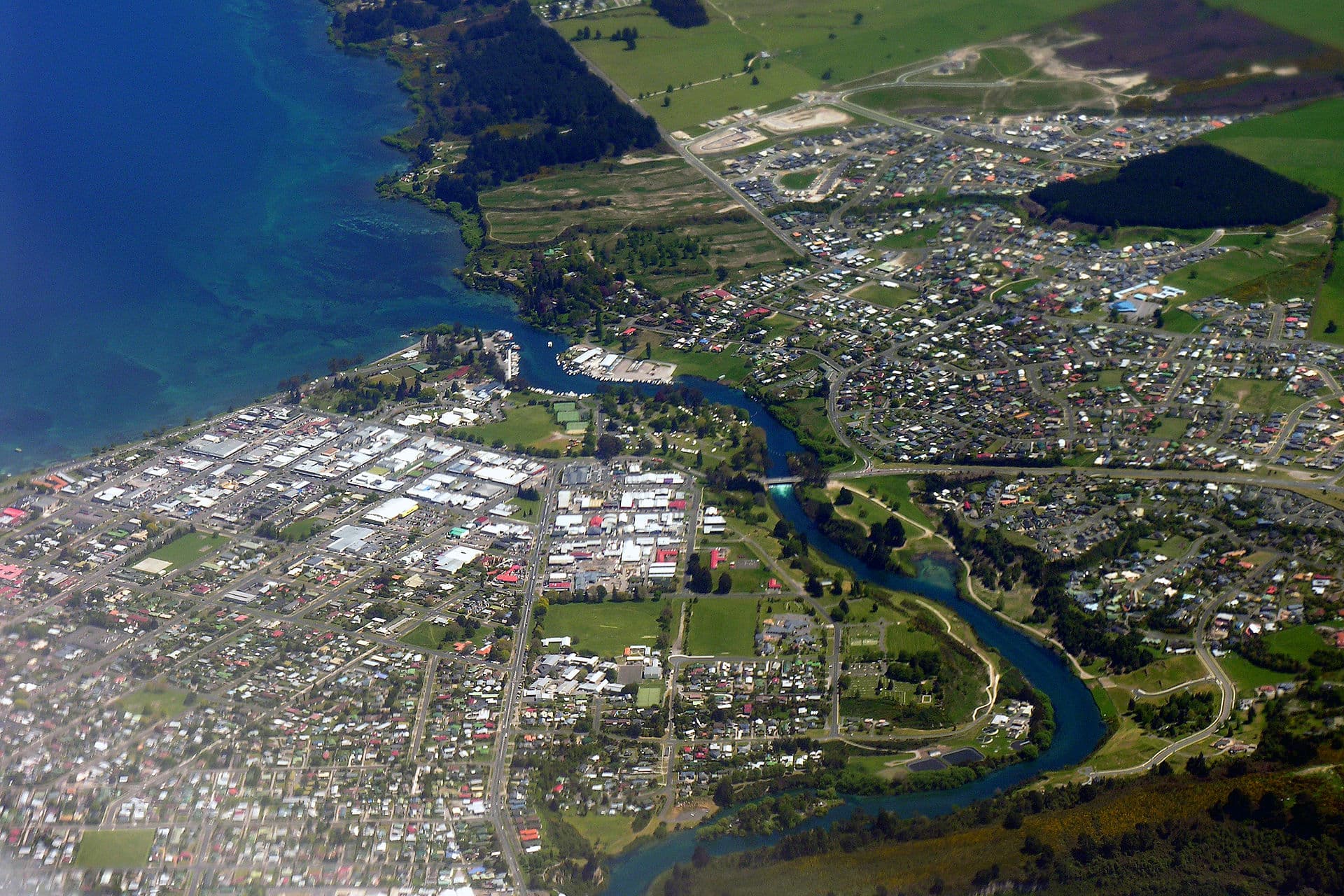 Phillip Capper from Wellington, New Zealand / CC BY 2.0, via Wikimedia Commons
Tour de áudio autoguiado por Taupo — rota GPS a pé, reprodução offline, narração envolvente em 32 idiomas.
“Onde o coração ardente da Terra encontra o maior lago da Nova Zelândia.”
Não os postais. As histórias que nem os locais conhecem — sussurradas ao seu ouvido, exatamente onde aconteceram.
Você pode fazer caiaque pelo Rio Waikato até um vale isolado, mas a verdadeira recompensa está em como você chega às suas águas termais.
As Huka Falls são a atração natural mais visitada da Nova Zelândia, mas suas águas poderosas e espumantes já guardaram um segredo sombrio.
O Lago Taupō é uma vasta extensão de água doce, mas sua superfície calma muitas vezes esconde um surpreendente evento geológico.
Descubra cada segredo de Taupo
Cada endereço, cada revelação na íntegra — no seu ouvido, exatamente onde aconteceu.
Você escolhe as suas paragens. Você caminha. A voz revela o que os outros perdem.


O seu tour áudio autoguiado de Taupo está pronto — escolha os seus pontos de interesse, selecione o seu idioma e comece no momento em que chegar.
ComprarA Lume inclui um guia de realidade aumentada. Levante o telemóvel: a câmara mostra a rua à sua frente, com uma seta luminosa sobreposta à imagem real que aponta sempre para a sua próxima paragem — sem mapa para decifrar, sem voltas erradas. Como tudo na Lume, funciona totalmente offline.
Taupō, uma cidade na Ilha Norte central da Nova Zelândia, é moldada pelo imenso lago em sua orla. O Lago Taupō é o maior lago de água doce da Australásia, cobrindo uma área comparável a Singapura. Esta vasta extensão de água é, na verdade, a caldeira de um supervulcão, formada por uma erupção colossal há aproximadamente 26.500 anos. A atividade geotérmica contínua da região é um lembrete constante das forças poderosas sob a superfície, esculpindo uma paisagem de fumarolas, lama borbulhante e fontes termais naturais.
Conhecido como Taupō Moana, ou o 'mar interior da Nova Zelândia', pelo povo Māori local, o lago é um centro para atividades ao ar livre. Desde a pesca de trutas em suas águas claras e profundas até a exploração de paisagens vulcânicas, Taupō oferece uma gama diversificada de experiências. A própria cidade serve como porta de entrada tanto para o relaxamento sereno à beira do lago quanto para aventuras emocionantes, tudo isso emoldurado por maravilhas geológicas únicas.
A história de Taupō está profundamente entrelaçada com seu dramático passado geológico. A colossal erupção de Oruanui, há aproximadamente 26.500 anos, criou a imensa caldeira que agora abriga o Lago Taupō. Este evento ejetou um estimado de 1.170 quilômetros cúbicos de material e cobriu a Ilha Norte com cinzas vulcânicas. A erupção mais recente e importante, conhecida como erupção de Hatepe, ocorreu por volta de 181 d.C., moldando ainda mais os contornos modernos do lago.
O assentamento Māori na região do Lago Taupō estima-se ter começado há cerca de 700 anos. A tribo Ngāti Tūwharetoa, liderada pelo explorador e chefe Tia, chegou à área. O nome Māori completo da cidade, Taupō-nui-a-Tia, traduz-se como "O Grande Manto de Tia", um nome que se acredita ter se originado de Tia observando a semelhança das falésias da costa leste do lago com sua vestimenta. Os primeiros assentamentos Māori, ou pas, foram estabelecidos em áreas mais férteis ao redor do lago, como Pukawa, Te Rapa, Waitahanui e Motutere, pois o solo vulcânico inicialmente apresentava desafios para a subsistência.
O contato europeu com Taupō começou por volta de 1839 com a visita do missionário Henry Williams. No entanto, uma presença europeia significativa foi estabelecida em 1869, quando um posto da Força de Polícia Armada foi fundado para garantir as linhas de comunicação na Ilha Norte central. Um reduto, ou forte, foi construído em 1870 para guardar uma travessia do Rio Waikato perto do lago. Por aproximadamente 50 anos, a cidade viu um desenvolvimento limitado devido à deficiência de cobalto no solo, que dificultou a agricultura até que a terra fosse limpa e fertilizada na década de 1950.
A metade do século XX marcou um período de rápido crescimento para Taupō, impulsionado pela agricultura bem-sucedida, silvicultura e o desenvolvimento de usinas geotérmicas e projetos hidrelétricos. A usina geotérmica de Wairakei, a primeira do seu tipo na Nova Zelândia e a segunda do mundo, começou a operar em 1958. Essa expansão econômica levou à melhoria da infraestrutura e ao aumento do turismo. A introdução de trutas arco-íris da Califórnia no final da década de 1890 transformou o Lago Taupō em um renomado destino de pesca de trutas, atraindo pescadores de todo o mundo e estimulando a construção de pousadas e hotéis. Hoje, Taupō continua sendo um destino turístico popular, celebrado por seus parques naturais, atrações geotérmicas e uma ampla gama de atividades ao ar livre.
Taupō oferece uma mistura de maravilhas naturais e atividades de aventura. As icônicas Huka Falls são a atração natural mais visitada da Nova Zelândia, onde o Rio Waikato se canaliza por um desfiladeiro estreito, criando uma poderosa e espumante cascata de água turquesa. Para uma perspectiva única, considere um passeio de jet boat até a base das cachoeiras.
Explore a paisagem de outro mundo do Craters of the Moon Geothermal Walkway, onde fumarolas, piscinas de lama borbulhante e solos coloridos criam um ambiente semelhante à lua. Esta caminhada acessível oferece uma maneira segura de testemunhar o poder geotérmico bruto da Terra. Nas proximidades, os Wairakei Terraces & Thermal Health Spa oferecem piscinas termais aquecidas naturalmente para relaxamento.
A visita ao Lago Taupō não estaria completa sem ver as Esculturas em Rocha Māori de Ngātoroirangi Mine Bay. Essas impressionantes esculturas de 14 metros de altura, que retratam a cultura e a mitologia Māori, só podem ser vistas da água, muitas vezes por meio de um passeio de barco cênico ou caiaque. Para vistas panorâmicas do lago e dos picos vulcânicos circundantes, incluindo Mount Ruapehu, Ngauruhoe e Tongariro, considere uma caminhada até o Mount Tauhara.
Taupō é um destino para o ano todo, com cada estação oferecendo experiências distintas. Para atividades de clima quente como nadar no lago, passeios de barco, caiaque e desfrutar de cafés ao ar livre, os meses de verão (dezembro a fevereiro) são ideais, com máximas diárias médias acima de 21°C. O outono (março a maio) traz temperaturas mais amenas, paisagens bonitas e menos multidões, tornando-o adequado para escapadas relaxantes e passeios cênicos. O inverno (junho a agosto) é popular para aqueles que visitam as pistas de esqui próximas e desfrutam das piscinas termais e atrações geotérmicas de Taupō, com ar fresco e vistas das montanhas cobertas de neve. A primavera (setembro a novembro) oferece clima ameno, paisagens frescas e menos multidões, tornando-a um bom momento para passeios turísticos e aventuras ao ar livre.
Taupō está localizado centralmente na Ilha Norte da Nova Zelândia e é facilmente acessível. Fica a aproximadamente 3,5 horas de carro de Auckland e 4,5 horas de Wellington. Alugar um carro é altamente recomendado para explorar as atrações da região com conforto. As State Highways 1 e 5 passam por Taupō, e as estradas são geralmente excelentes, embora o cuidado seja aconselhável no inverno devido ao potencial de gelo.
O Centro de Visitantes i-SITE de Taupō, na Tongariro Street, é um recurso abrangente para folhetos, reservas de atividades e informações. Embora não haja serviço de ônibus local dentro da cidade, o ônibus urbano Taupō Connector opera diariamente e se estende a Acacia Bay e Waitahanui durante a semana. O estacionamento no centro de Taupō é geralmente gratuito. No entanto, esteja ciente de que os estacionamentos em locais populares como Huka Falls Lookout, Craters of the Moon e Spa Park são propensos a roubos, portanto, sempre remova objetos de valor e tranque seu veículo. O clima de Taupō pode mudar rapidamente, então leve sapatos confortáveis para caminhar, camadas quentes, uma jaqueta leve, protetor solar, óculos de sol e roupa de banho para as piscinas termais.
Taupo — coreano, chinês, hebraico e mais 29 idiomas, cada parada narrada por uma voz nativa. A maior variedade de idiomas entre os passeios de áudio autoguiados.
Disponível em: