Te Puna Quarry Park
Este parque verde e artístico nem sempre foi um santuário de jardins e esculturas.
História completa desbloqueada no tour
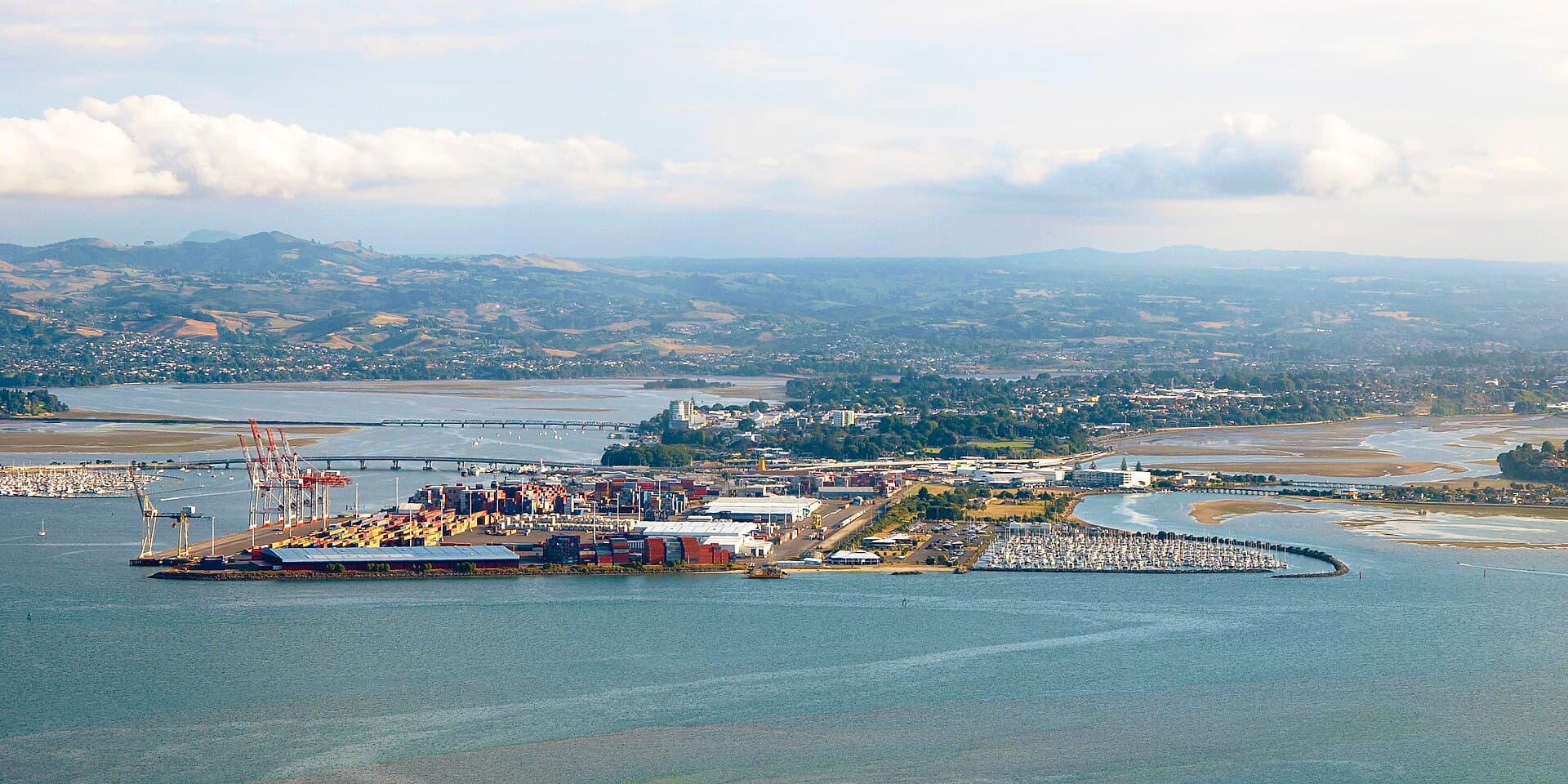 Ulrich Lange, Bochum, Germany / CC BY-SA 3.0, via Wikimedia Commons
Tour de áudio autoguiado por Tauranga — rota GPS a pé, reprodução offline, narração envolvente em 32 idiomas.
“Onde o Pacífico encontra uma cidade costeira, e a história se desenrola na brisa.”
Não os postais. As histórias que nem os locais conhecem — sussurradas ao seu ouvido, exatamente onde aconteceram.
Este parque verde e artístico nem sempre foi um santuário de jardins e esculturas.
Uma batalha crucial de 1864 em Tauranga viu uma força Māori em menor número alcançar uma vitória surpreendente contra tropas britânicas.
A construção da Ponte da Baía de Tauranga foi um projeto longamente debatido que moldou significativamente o crescimento da cidade.
Descubra cada segredo de Tauranga
Cada endereço, cada revelação na íntegra — no seu ouvido, exatamente onde aconteceu.
Você escolhe as suas paragens. Você caminha. A voz revela o que os outros perdem.


O seu tour áudio autoguiado de Tauranga está pronto — escolha os seus pontos de interesse, selecione o seu idioma e comece no momento em que chegar.
ComprarA Lume inclui um guia de realidade aumentada. Levante o telemóvel: a câmara mostra a rua à sua frente, com uma seta luminosa sobreposta à imagem real que aponta sempre para a sua próxima paragem — sem mapa para decifrar, sem voltas erradas. Como tudo na Lume, funciona totalmente offline.
Tauranga, uma cidade costeira na região Bay of Plenty da Nova Zelândia, é a quinta área urbana mais populosa do país. É conhecida por suas praias convidativas, clima ameno e uma graciosa mistura de tradições Māori com cultura contemporânea. Situada na extremidade sudeste da Baía de Tauranga, a cidade encontra abrigo atrás da Ilha Matakana e do vulcão extinto Mauao, carinhosamente conhecido como "The Mount" por seus habitantes. Este ambiente natural oferece uma variada gama de atrações, desde praias de areia dourada perfeitas para nadar e surfar até as águas mais calmas da baía, ideais para caiaque e stand-up paddle.
Tauranga é um dos centros urbanos de mais rápido crescimento na Nova Zelândia, ancorado por um porto movimentado que lidera a nação em tonelagem bruta de exportação e eficiência. Essa expansão fomentou uma infraestrutura moderna e uma atmosfera enérgica, atraindo visitantes domésticos e internacionais. A paisagem cultural da cidade é dinâmica, com galerias de arte, apresentações e festivais que destacam o talento local e uma profunda conexão com sua herança Māori.
## Primeiros Assentamentos Māori e Chegada Europeia Os primeiros colonos conhecidos em Tauranga foram os Māori, que chegaram no século XIII a bordo das waka (canoas) Tākitimu e Mātaatua. O próprio nome Tauranga é uma palavra Māori que significa "lugar de descanso" ou "ancoradouro seguro". A região abrigou extensos assentamentos Māori durante a era pré-colonial, com muitos locais significativos ao redor da baía.
O contato europeu começou no início do século XIX. Em 23 de junho de 1826, o Herald foi o primeiro navio europeu a entrar na Baía de Tauranga, com o Reverendo Henry Williams conduzindo um serviço cristão em Otamataha Pā. Comerciantes europeus, principalmente em busca de linho, tornaram-se ativos na Bay of Plenty durante a década de 1830. James Farrow, o primeiro comerciante não-Māori permanente, adquiriu terras em Otūmoetai Pā em 1838, marcando a primeira compra de terras autenticada na Bay of Plenty. Uma estação missionária da Church Missionary Society foi estabelecida em 1835 por William Wade, com o Reverendo Alfred N. Brown chegando em 1838. Uma estação missionária católica também foi aberta em 1840, embora tenha fechado em 1863 devido às guerras de terra.
## Guerras da Nova Zelândia e Confisco de Terras A metade do século XIX trouxe conflitos significativos para Tauranga durante as Guerras da Nova Zelândia. A Campanha de Tauranga, de janeiro a junho de 1864, viu batalhas entre forças britânicas e tribos Māori locais. A Batalha de Gate Pā, em 29 de abril de 1864, foi um evento notável onde os defensores Māori repeliram com sucesso as forças britânicas, apesar de estarem em menor número, resultando em baixas britânicas substanciais. Após esses conflitos, aproximadamente 50.000 acres de terra foram confiscados do iwi (tribo) Ngāi Te Rangi. Assentamentos militares foram estabelecidos, e a cidade de Tauranga começou a crescer, tornando-se oficialmente uma cidade em 1963.
## Desenvolvimento Moderno e Crescimento A importância de Tauranga cresceu no século XX, particularmente com o desenvolvimento de instalações portuárias ultramarinas em Mount Maunganui na década de 1950 para exportação de produtos florestais. O Porto de Tauranga é agora o maior porto da Nova Zelândia em tonelagem bruta de exportação e eficiência. Melhorias nas ligações de comunicação, incluindo estradas e instalações aeroportuárias aprimoradas, contribuíram ainda mais para a expansão da cidade. A construção da Ponte da Baía de Tauranga, concluída em 1988, também desempenhou um papel crucial na conexão da região. Hoje, Tauranga é uma das cidades de mais rápido crescimento da Nova Zelândia, com sua população aumentando significativamente entre os períodos de censo. Esse rápido crescimento estabeleceu Tauranga como um importante centro de negócios, comércio e atividades culturais na Bay of Plenty.
Tauranga apresenta uma variada gama de atrações, harmonizando o esplendor natural com encontros culturais. Comece sua exploração subindo Mauao (Mount Maunganui), um vulcão extinto que oferece vistas expansivas da Bay of Plenty. A Caminhada ao Cume de Mauao geralmente leva cerca de 40 minutos, com vários caminhos que levam ao pico de 232 metros (761 pés). Em sua base, a Praia de Maunganui é reconhecida entre as melhores praias do mundo, perfeita para surfe, natação e relaxamento em suas areias brancas.
Para uma fuga natural diferente, o McLaren Falls Park, uma reserva de 190 hectares, apresenta cachoeiras, trilhas para caminhada e um desfiladeiro de vaga-lumes, melhor observado após o anoitecer. Outro espaço verde distinto é o Te Puna Quarry Park, uma pedreira transformada que agora abriga jardins diversos e mais de 50 esculturas artísticas.
Mergulhe no passado de Tauranga no The Elms | Te Papa Tauranga, um dos sítios históricos mais antigos da Nova Zelândia, que oferece visitas guiadas à sua casa missionária, biblioteca e jardins. O Historic Village oferece um vislumbre de tempos passados com edifícios históricos originais e réplicas, lojas boutique e estúdios de arte. Para entusiastas de arte, a Galeria de Arte Toi Tauranga apresenta exposições locais e internacionais. A área à beira-mar The Strand serve como um centro vibrante para restaurantes e encontros culturais. Você também pode embarcar em um cruzeiro de golfinhos e vida selvagem na Bay of Plenty para observar a vida marinha.
O período ideal para visitar Tauranga para atividades de clima quente vai de final de dezembro a meados de março, coincidindo com a estação de verão. Durante esses meses, as temperaturas geralmente variam de 20°C a 26°C (68°F a 79°F), criando condições perfeitas para dias de praia, natação e esportes aquáticos. No entanto, este também é o período mais movimentado, com preços de acomodação mais altos e multidões maiores.
O outono, de março a maio, oferece clima agradável com temperaturas diurnas confortáveis e água do mar quente, tornando-o adequado para atividades ao ar livre sem a correria do verão. A primavera, de setembro a novembro, também apresenta uma boa opção, com temperaturas em elevação, flores desabrochando e menos multidões. Mesmo no inverno, de junho a agosto, Tauranga experimenta temperaturas amenas e dias ensolarados, estabelecendo-a como um destino durante todo o ano, embora as atividades de praia sejam mais limitadas.
O Aeroporto de Tauranga (TRG) está localizado ao lado da Baía de Tauranga, no subúrbio de Mount Maunganui, a aproximadamente 3 km a nordeste do centro de Tauranga. É servido pela Air New Zealand, com voos conectando a Auckland, Wellington e Christchurch, bem como por companhias aéreas regionais. Táxis e serviços de transporte de aeroporto estão prontamente disponíveis para transporte de e para o aeroporto. É aconselhável chegar 2 horas antes de um voo doméstico.
O transporte público em Tauranga é confiável. Para hospedagem, as opções variam de hotéis boutique como o Clarence Hotel e o Trinity Wharf Tauranga, frequentemente encontrados perto da orla, a várias casas de férias e albergues. Tauranga é considerada uma cidade segura para viajantes, incluindo viajantes solo femininas, com baixas taxas de criminalidade e serviços públicos bem estruturados. No entanto, cautela geral é sempre recomendada, especialmente à noite. A moeda local é o Dólar Neozelandês (NZD).
Tauranga — coreano, chinês, hebraico e mais 29 idiomas, cada parada narrada por uma voz nativa. A maior variedade de idiomas entre os passeios de áudio autoguiados.
Disponível em: