Ponte Romana (Römische Brücke)
Jeder nennt sie die "Römische Brücke", und sie sieht auch so aus, aber ihre wahren Ursprünge sind etwas komplexer.
Die ganze Geschichte wird in der Tour freigeschaltet
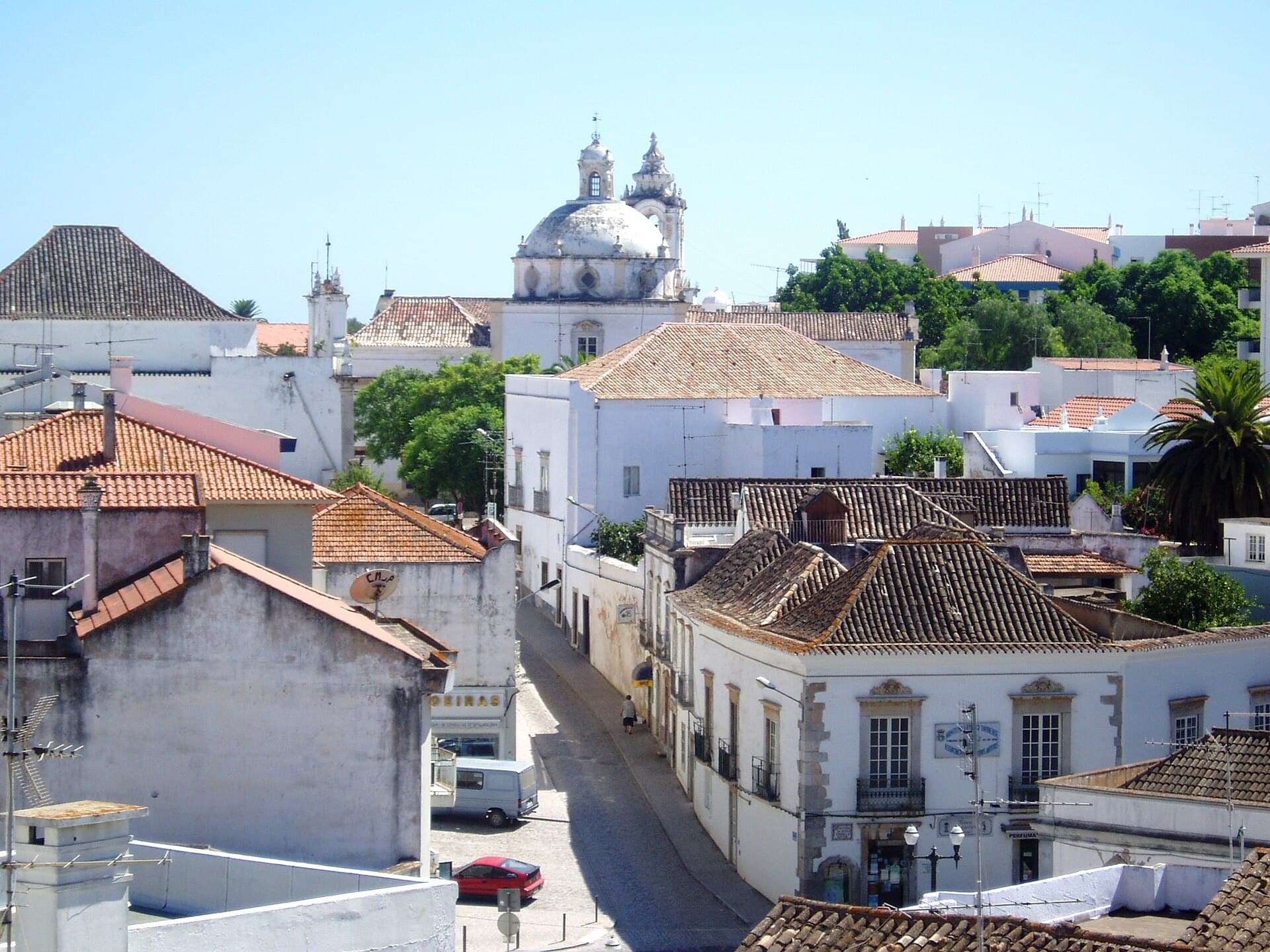 Panarria / CC BY-SA 3.0, via Wikimedia Commons
Selbstgeführte Audio-Walking-Tour durch Tavira — GPS-Route, Offline-Wiedergabe, erzählerische Narration in 32 Sprachen.
“Wo alte Echos auf den sanften Rhythmus des Gilão-Flusses treffen.”
Nicht die Postkarten. Die Geschichten, die selbst Einheimische nicht kennen – dir ins Ohr geflüstert, genau dort, wo sie geschahen.
Jeder nennt sie die "Römische Brücke", und sie sieht auch so aus, aber ihre wahren Ursprünge sind etwas komplexer.
An einem abgelegenen Strand stehen Hunderte von verrosteten Ankern aufrecht im Sand, ein stilles, eindrucksvolles Denkmal.
Der Fluss, der durch Tavira fließt, ändert auf mysteriöse Weise seinen Namen mitten im Lauf.
Entdecke jedes Geheimnis von Tavira
Jede Adresse, jede Enthüllung vollständig – in deinem Ohr, genau dort, wo es geschah.
Du wählst deine Stationen. Du gehst. Die Stimme enthüllt, was andere übersehen.


Lume enthält einen integrierten Augmented-Reality-Guide. Halten Sie Ihr Handy hoch: Die Kamera zeigt die Straße vor Ihnen, mit einem leuchtenden Pfeil über dem echten Bild, der immer auf Ihren nächsten Stopp zeigt — keine Karte zum Rätseln, keine falschen Abzweigungen. Wie alles bei Lume funktioniert es komplett offline.
Tavira, in der Ostalgarve, bietet ein unverwechselbares portugiesisches Erlebnis, das einen Kontrast zu den belebteren Küstenorten weiter westlich bildet. Diese Stadt, die vom langsam fließenden Fluss Gilão durchzogen wird, verbindet jahrhundertealtes maurisches Erbe mit einem einzigartigen portugiesischen Charakter. Ihr gut erhaltenes Zentrum zeichnet sich durch kopfsteingepflasterte Straßen, traditionelle Kachelhäuser und die charakteristischen tesoura (Scheren-) Dächer aus – ein vierseitiger Walmdachstil, der möglicherweise von der ostasiatischen Architektur beeinflusst wurde, die portugiesische Händler mitbrachten.
Die Atmosphäre der Stadt lädt zu unbeschwerten Tagen ein, sei es bei einem langen Mittagessen am Flussufer, der Erkundung lokaler Cafés oder einem Abend in den Bars des alten Viertels. Tavira ist ein Ort, der Neugier belohnt, mit Schichten von Geschichte, die subtil in sein Gefüge eingewoben sind. Es ist ein ideales Reiseziel für diejenigen, die einen reifen und authentischen portugiesischen Urlaub suchen, der lokalen Charme mit modernen Annehmlichkeiten verbindet und weit entfernt vom hektischen Tempo ist, das man anderswo in der Algarve findet.
Über die Stadt hinaus dient Tavira als Tor zum Naturpark Ria Formosa, einem artenreichen Schutzgebiet mit Lagunen, Wattflächen und vorgelagerten Inseln. Dieser natürliche Spielplatz bietet Möglichkeiten zur Vogelbeobachtung, zum Radfahren und zum Zugang zu einigen der ruhigsten Strände der Algarve.
Taviras Geschichte beginnt in der Spätbronzezeit, um das 8. Jahrhundert v. Chr., als phönizische Händler eine der ersten Siedlungen im Westen der Iberischen Halbinsel gründeten. Sie errichteten ein städtisches Zentrum mit beträchtlichen Mauern, Heiligtümern und zwei Häfen. Diese phönizische Präsenz, die bis ins späte 6. Jahrhundert v. Chr. andauerte, legte den Grundstein für das städtische Leben in der Algarve.
Während der Römerzeit wurde der ursprüngliche Standort von Tavira zu einem Übergangspunkt an einer bedeutenden Straße. Eine neue römische Hafenstadt, Balsa, entstand etwa 7 Kilometer westlich des heutigen Tavira. Balsa florierte, spielte eine Rolle in Pompeius des Großen Feldzug gegen Piraten im 1. Jahrhundert v. Chr. und entwickelte sich zu einer der größeren Städte im römischen Lusitanien. Balsa verfiel jedoch schließlich und wurde bis zum Ende des 4. Jahrhunderts v. Chr. verlassen.
Mit den islamischen Invasionen im Jahr 711 n. Chr. wurde Tavira Teil des Kalifats von Córdoba. Die maurische Periode, vom 8. bis zum 13. Jahrhundert, prägte die Landwirtschaft, Kultur und Architektur der Region tiefgreifend, was sich in den weiß getünchten Gebäuden, maurisch gestalteten Türen und charakteristischen Dächern zeigt. Die Almohadenburg wurde im 11. Jahrhundert erbaut, um eine Furt zu schützen, an der heute die "Römische Brücke" steht. Während dieser Zeit war Tavira oder "Tabira" (was "die Verborgene" bedeutet) eine bedeutende Siedlung im islamischen Al Garb, bekannt für ihre Hafenaktivitäten.
Die christliche Rückeroberung sah die Einnahme von Tavira von den Mauren im Jahr 1242 durch D. Paio Peres Correia, angeblich als Vergeltung für die Ermordung von sieben seiner Ritter. Zwei Jahre später schenkte D. Sancho II. Tavira dem Santiagoorden. Seine strategische Hafenlage wurde erkannt, und 1282 verlieh D. Dinis dem Alcaide (Bürgermeister) und den Seeleuten von Tavira Rechte und Privilegien, die denen von Lissabon gleichkamen. Taviras Bedeutung wuchs während der anfänglichen portugiesischen Expansion, insbesondere nach der Errichtung von Stützpunkten in Nordafrika, und wurde für die Unterstützung afrikanischer Eroberungen und die Bekämpfung der Piraterie unerlässlich. Im 15. und 16. Jahrhundert war Tavira eine wohlhabende Stadt, die gesalzenen Fisch, Trockenfrüchte und Wein in ferne Häfen exportierte.
Das 17. Jahrhundert brachte einen Niedergang, als die afrikanischen Eroberungen zurückgingen und der Fluss Gilão zu versanden begann, wodurch Handelsrouten zu anderen Häfen verlagert wurden. Das verheerende Erdbeben von 1755 beeinträchtigte die Stadt weiter und führte im 18. Jahrhundert zu umfangreichen Wiederaufbaumaßnahmen, die für viele der heute sichtbaren Barockgebäude verantwortlich sind. Trotz dieser Herausforderungen überstanden Taviras Gebäude weitgehend, da es keinen wirtschaftlichen Grund gab, sie abzureißen, wodurch sein einzigartiges architektonisches Inventar erhalten blieb. Heute bewahrt Tavira seinen authentischen Charme und bietet einen Einblick in eine reiche Vergangenheit ohne die überwältigenden Menschenmassen einiger anderer Reiseziele.
Taviras kompaktes Zentrum lädt zu Erkundungen zu Fuß ein, wobei die kopfsteingepflasterten Straßen und die Flussufer die Schwerpunkte bilden. Die Ponte Romana, eine Fußgängerbrücke mit sieben Bögen, verbindet die beiden Stadthälften über den Fluss Gilão und bietet malerische Ausblicke. In der Nähe befindet sich die Praça da República, der Hauptplatz der Stadt, ein zentraler Knotenpunkt mit Cafés und einem Denkmal für den Ersten Weltkrieg.
Steigen Sie hinauf zu den Ruinen des Castelo de Tavira für weite Ausblicke über die Terrakotta-Dächer, Kirchtürme und die fernen Lagunen der Ria Formosa. Innerhalb der Burgmauern finden Sie einen friedlichen Garten. Tavira ist bekannt für seine zahlreichen Kirchen, über 36 in der Gemeinde. Die Igreja de Santa Maria do Castelo, erbaut auf dem Gelände einer alten Moschee, beherbergt die Gräber von D. Paio Peres Correia und seinen Rittern. Die Igreja da Misericórdia gilt als die schönste Renaissancekirche der Algarve und ist bemerkenswert für ihr geschnitztes Steintor und die inneren Azulejo-Paneele.
Außerhalb der Stadt bringt eine kurze Fährfahrt zur Ilha de Tavira, einer vorgelagerten Insel mit langen Sandstränden. Am Praia do Barril finden Sie den ergreifenden Cemitério das Âncoras, einen Ankerfriedhof. Der umliegende Naturpark Ria Formosa ist ideal zum Vogelbeobachten, Radfahren entlang der Ecovia do Litoral oder zur Beobachtung der traditionellen Salinen, wo Salz noch von Hand geerntet wird.
Tavira genießt ein mediterranes Klima mit heißen, trockenen Sommern und milden Wintern. Die beste Zeit für angenehme Temperaturen und die Erkundung der Stadt und ihrer Strände ist zwischen Mai und September. Die Übergangszeiten im Frühling (April-Juni) und Frühherbst (September-Oktober) bieten warmes, sonniges Wetter mit weniger Menschenmassen, was sie ideal für Sightseeing, Radfahren und Vogelbeobachtung in der Ria Formosa macht. Juli und August sind die heißesten und belebtesten Monate, perfekt für einen strandorientierten Urlaub, aber rechnen Sie mit mehr Menschen und höheren Preisen. Die Winter (November-Februar) sind mild und friedlich, mit Tageshöchstwerten um 15-18°C, geeignet für eine ungestörte Erkundung der Altstadt.
Tavira liegt günstig in der Ostalgarve, etwa 30 Kilometer (17-18 Meilen) östlich von Faro und etwa 15 Meilen von der spanischen Grenze entfernt. Der internationale Flughafen Faro (FAO) ist der nächstgelegene größere Flughafen. Von Faro aus erreichen Sie Tavira mit einer 35-minütigen Taxifahrt (ca. 40 Euro) oder einer langsameren, günstigeren Bus- und Zugkombination (ca. 5,25 Euro insgesamt). Die Stadt selbst ist sehr gut zu Fuß erkundbar, mit ihren kopfsteingepflasterten Gassen, Burggärten und der Flussuferpromenade, die alle leicht erreichbar sind.
Obwohl ein Auto für die Erkundung von Tavira nicht unerlässlich ist, ist es nützlich für den Besuch weniger zugänglicher Strände, von Dörfern im Landesinneren oder für Tagesausflüge entlang der Algarveküste und sogar nach Spanien. Parkplätze sind auf beiden Seiten des Flusses vorhanden, können aber im Sommer knapp sein. Tavira verfügt über einen Busbahnhof am Fluss und zwei Bahnhöfe, die Verbindungen nach Faro, Lissabon und in andere Teile Portugals bieten. Lokale Taxis und Fahrdienst-Apps wie Bolt sind ebenfalls verfügbar.
Tavira gilt als sicheres Reiseziel mit einer entspannten Atmosphäre. Die Lebenshaltungskosten sind im Allgemeinen günstig, und die Stadt ist gut mit Annehmlichkeiten wie Banken, einem städtischen Lebensmittelmarkt und einer Vielzahl von Restaurants ausgestattet.
Tavira — Koreanisch, Chinesisch, Hebräisch und 29 weitere Sprachen, jede Station von einer muttersprachlichen Stimme erzählt. Die größte Sprachauswahl aller selbstgeführten Audiotouren.
Verfügbar auf: