Площадь Анибала Пинто
На большинстве центральных площадей Чили есть видный фонтан.
Полная история открывается в туре
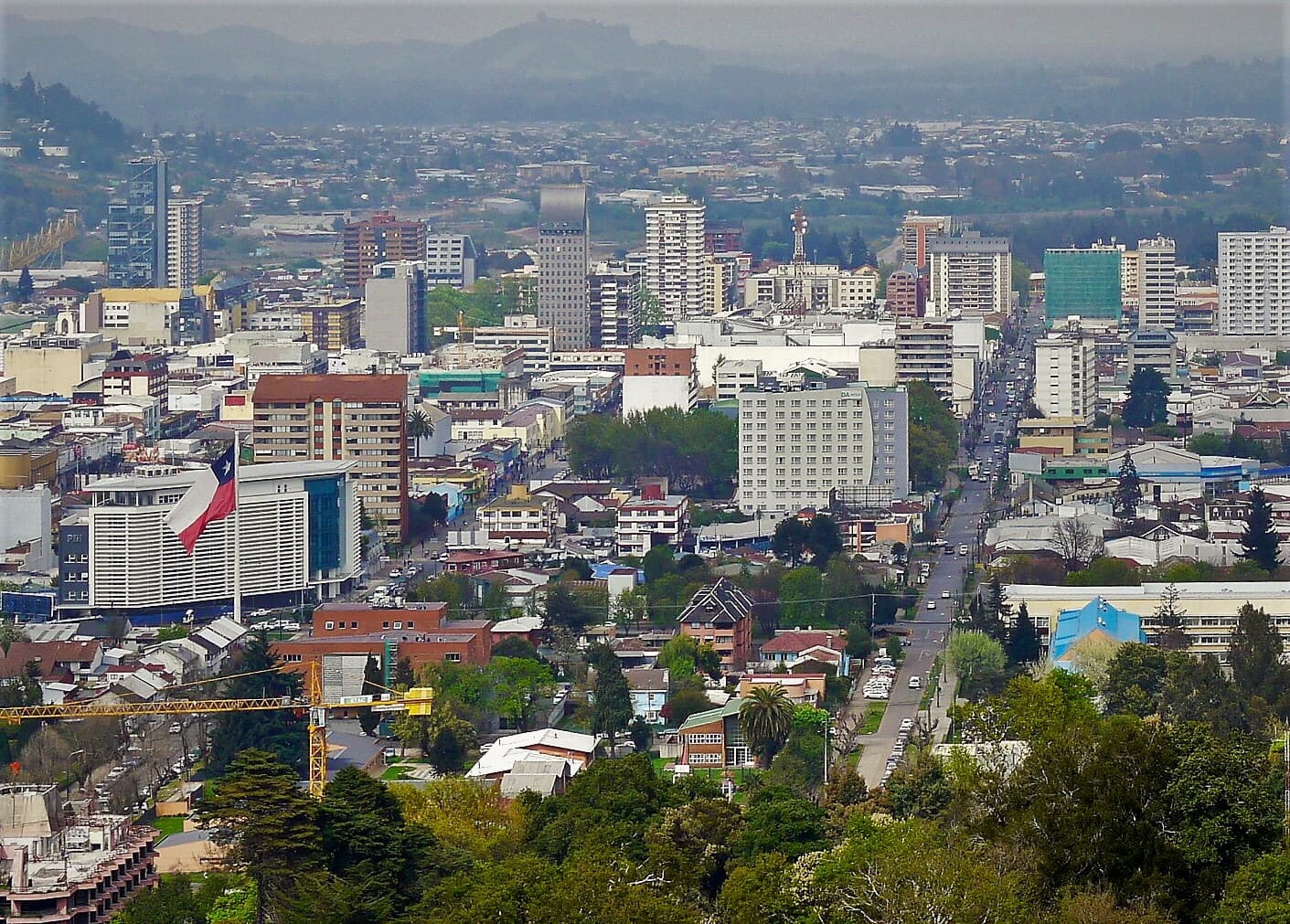 Héctor Montero / CC BY-SA 2.0, via Wikimedia Commons
Самостоятельная аудиопрогулка по Темуко — GPS-маршрут, офлайн-воспроизведение, увлекательное повествование на 32 языках.
“Где древние корни мапуче переплетаются с современной чилийской жизнью.”
Не открытки. Истории, которые не знают даже местные жители — шепотом в вашем ухе, прямо там, где они произошли.
На большинстве центральных площадей Чили есть видный фонтан.
Этот природный памятник в черте города хранит секрет самого существования Темуко.
Помимо оживленных продуктов и ремесел, присмотритесь к тележкам, которые вы можете увидеть.
Откройте для себя каждый секрет Темуко
Каждый адрес, каждое полное раскрытие — в вашем ухе, прямо там, где это произошло.
Вы выбираете остановки. Вы гуляете. Голос раскрывает то, что упускают другие.


Ваш самостоятельный аудиотур по Темуко готов — выберите свои достопримечательности, выберите свой язык и начните в момент прибытия.
КупитьВ Lume встроен гид дополненной реальности. Поднимите телефон: камера показывает улицу перед вами, а поверх реального изображения светится стрелка, всегда указывающая на вашу следующую остановку — не нужно разбираться с картой и сворачивать не туда. Как и всё в Lume, это работает полностью офлайн.
Темуко, столица чилийского региона Араукания, является оживленным центром, где стойкий дух народа мапуче встречается с динамизмом современного города. Расположенный на юге центральной части Чили, примерно в 670 километрах (416 милях) к югу от Сантьяго, он служит важными воротами в потрясающий Озерный край страны и величественные Анды.
Идентичность города глубоко укоренена в его коренном наследии, а значительное население мапуче влияет на его культуру, искусство и кухню. Посетители могут ощутить это уникальное сочетание на оживленных местных рынках, в специализированных музеях и в повседневном ритме жизни. Стратегическое расположение Темуко также делает его идеальной базой для изучения множества природных достопримечательностей, от древних лесов и вулканических ландшафтов до безмятежных озер и национальных парков.
Земля, на которой сейчас находится Темуко, исторически была заселена народом мапуче, одной из самых стойких коренных групп Южной Америки, известной своей глубокой культурой и тесной связью с землей. Их язык, мапуче, до сих пор влияет на местные названия и обычаи, а само название «Темуко» означает «вода тему», относясь к местному лекарственному растению.
Темуко был официально основан 24 февраля 1881 года как военный форт во время чилийской «Оккупации Араукании», кампании по интеграции территории мапуче. Мануэль Рекабаррен, руководивший проектом, первоначально назвал его Фуэрте Рекабаррен. Основание города последовало за договором, подписанным на Серро-Ньелол, где мапуче уступили часть земли для его строительства. Первоначально военный лагерь, Темуко быстро превратился в гражданское поселение, и его первые главные улицы сформировались всего через год после основания.
Выгодное расположение Темуко в плодородной Центральной долине Чили, на берегу реки Каутин, способствовало развитию сельского хозяйства и превратило его в жизненно важный торговый центр для таких продуктов, как пшеница, яблоки и древесина. Прибытие железной дороги в начале 20-го века еще больше ускорило его рост, связав Темуко с другими важными регионами и способствуя торговле. В этот период также были построены здания, отражающие европейские архитектурные стили, такие как Кафедральный собор Темуко.
В конце 19-го и начале 20-го веков европейские иммигранты, в частности из Германии и Франции, внесли свой вклад в мультикультурный характер города. Темуко также имеет большое литературное значение; лауреаты Нобелевской премии Габриэла Мистраль и Пабло Неруда провели здесь свои formative годы. Мистраль была директором школы для девочек, куда молодой Неруда приходил, чтобы поделиться с ней своими ранними стихами.
Сегодня Темуко — быстрорастущий город с диверсифицированной экономикой, служащий центром туризма, сельского хозяйства и образования. Здесь расположены крупные университеты, и он является домом для самого большого коренного населения среди всех городов Чили, со значительной популяцией мапуче. Город продолжает сочетать свои древние корни с современной городской жизнью, предлагая уникальный культурный опыт на юге Чили.
Начните свое исследование с Площади Анибала Пинто, центральной площади города, примечательной своей уникальной художественной галереей в центре и Монументом Араукании, бронзовой скульптурой, изображающей историю региона. Вокруг площади расположены ключевые здания, такие как Кафедральный собор и его колокольня.
Для глубокого погружения в местную культуру и вкусы отправляйтесь на Ферья Пинто, оживленный рынок и объект культурного наследия. Здесь вы найдете свежие продукты, региональные специи, такие как меркен, и широкий ассортимент ремесленных изделий мапуче, включая текстиль и серебряные украшения.
Чтобы понять сложное прошлое региона, посетите Региональный музей Араукании. Расположенный в историческом доме Тьерса, этот музей демонстрирует обширную коллекцию артефактов мапуче наряду с экспонатами, подробно рассказывающими о европейской колонизации.
Чтобы подышать свежим воздухом и насладиться панорамным видом на город, поднимитесь на Природный памятник Серро-Ньелол. Этот охраняемый холм, всего в нескольких кварталах от центра города, предлагает пешеходные тропы через местный тропический лес Вальдивии и имеет историческое значение как место подписания мирного договора между мапуче и чилийской армией.
Любители поездов и литературы оценят Национальный железнодорожный музей Пабло Неруды. Этот музей, расположенный на старой железнодорожной станции, сохраняет историю железных дорог Чили с коллекцией паровозов и вагонов, прославляя связь знаменитого поэта с городом.
В Темуко умеренный морской климат с четко выраженными сезонами. Лучшее время для посещения для занятий на свежем воздухе — летние месяцы с декабря по февраль. Температура в этот период приятно теплая, в среднем около 25°C (77°F), что идеально подходит для приключений на природе и исследования окрестных озер и национальных парков. Весна (сентябрь-ноябрь) и осень (март-май) предлагают более мягкую погоду и меньше туристов, а осенью можно любоваться красивой осенней листвой. Зимы (июнь-август) прохладные и дождливые, но могут быть хорошим временем, чтобы познакомиться с местной культурой и кухней в помещении.
Темуко хорошо связан для путешественников. Самый удобный способ прибыть — по воздуху: международный аэропорт Ла-Араукания (ZCO) предлагает регулярные рейсы в Сантьяго и обратно, время в пути около 1,5 часов. Для наземного транспорта из различных чилийских городов, включая Сантьяго, курсируют междугородние автобусы, время в пути составляет примерно 12-14 часов.
В пределах города центр проходим, многие достопримечательности легко доступны пешком. Общественные автобусы (микро) и такси легко доступны для более дальних поездок. Если вы планируете исследовать более широкий регион Араукания, включая национальные парки и близлежащие города, рекомендуется арендовать автомобиль. Погода может быть непредсказуемой, поэтому желательно одеваться многослойно и иметь водонепроницаемую куртку. Уважение к культуре мапуче важно; знание нескольких основных фраз на мапуче может быть продуманным жестом.
Темуко: корейский, китайский, иврит и ещё 29 языков — каждую остановку озвучивает носитель языка. Самый широкий выбор языков среди аудиоэкскурсий без гида.
Доступные языки: