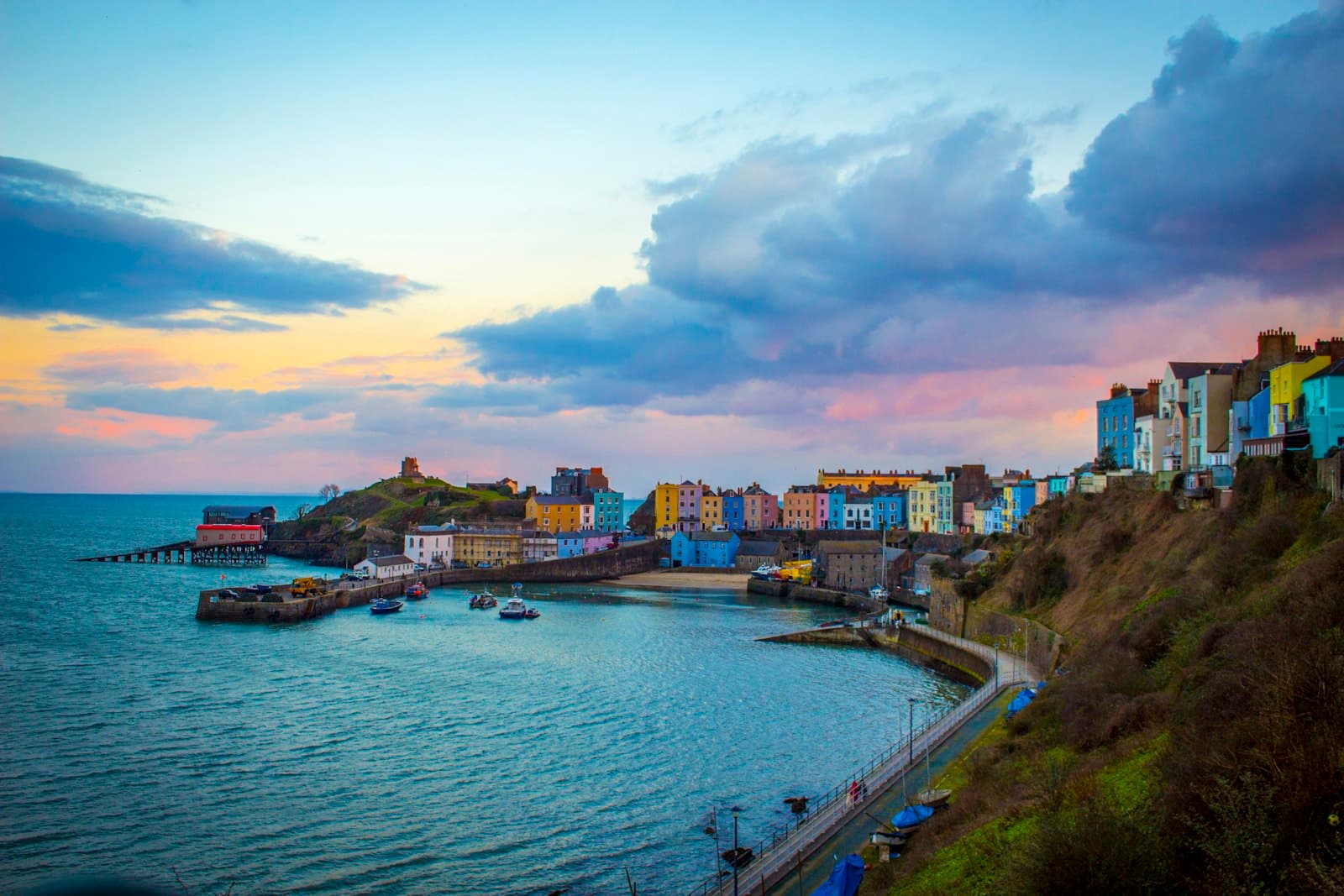
Die bunten Häuser des Hafens von Tenby
Die fröhlichen, pastellfarbenen Häuser, die Tenbys Hafen säumen, sind ikonisch, doch ihr leuchtendes Aussehen hat einen überraschend jungen Ursprung.
Die ganze Geschichte wird in der Tour freigeschaltet
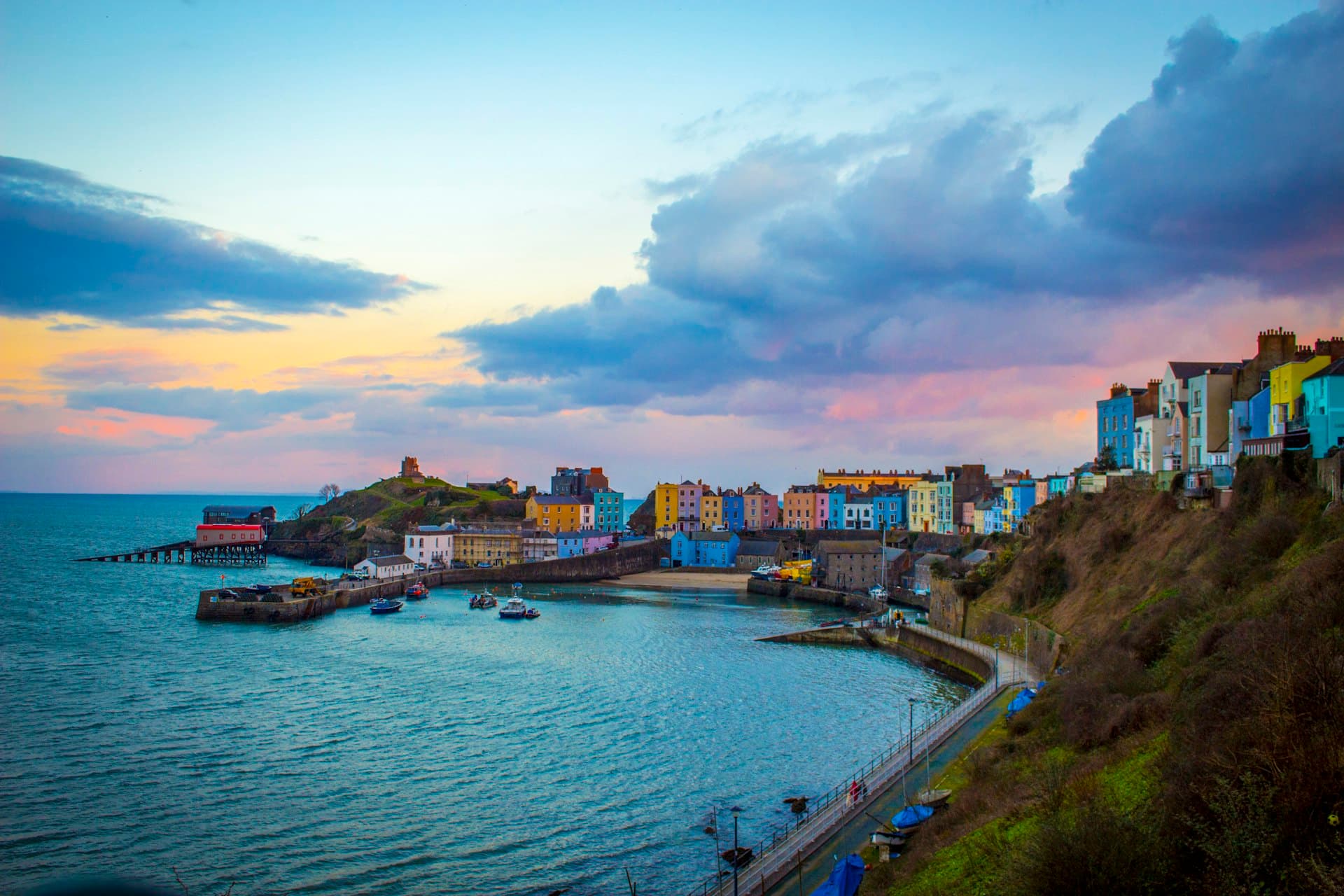 Photo: Beata Mitręga / Unsplash
Selbstgeführte Audio-Walking-Tour durch Tenby — GPS-Route, Offline-Wiedergabe, erzählerische Narration in 32 Sprachen.
“Wo alte Mauern goldene Sandstrände umarmen und lebendige Geschichten sich entfalten.”
Nicht die Postkarten. Die Geschichten, die selbst Einheimische nicht kennen – dir ins Ohr geflüstert, genau dort, wo sie geschahen.
Die fröhlichen, pastellfarbenen Häuser, die Tenbys Hafen säumen, sind ikonisch, doch ihr leuchtendes Aussehen hat einen überraschend jungen Ursprung.
Unter Tenbys reizvollen Straßen liegt ein Netz von Tunneln, die einst für die Flucht eines zukünftigen Königs entscheidend waren.
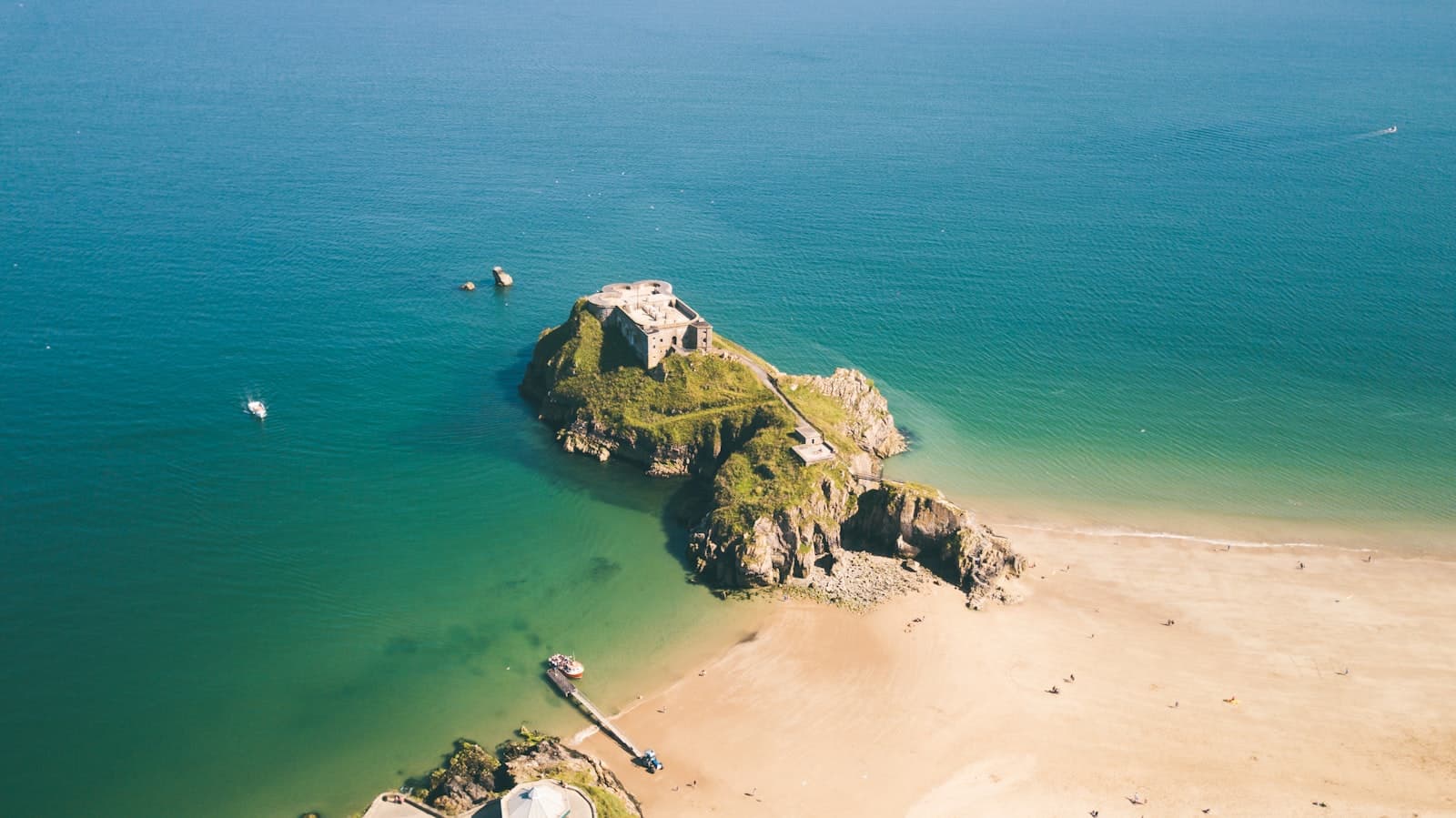
Diese Gezeiteninsel, gekrönt von einer viktorianischen Festung, hat eine Vergangenheit, die mehr als nur militärische Verteidigung umfasst.
Entdecke jedes Geheimnis von Tenby
Jede Adresse, jede Enthüllung vollständig – in deinem Ohr, genau dort, wo es geschah.
Du wählst deine Stationen. Du gehst. Die Stimme enthüllt, was andere übersehen.
Deine selbstgeführte Audio-Tour durch Tenby ist bereit – wähle deine Sehenswürdigkeiten, deine Sprache und starte, sobald du ankommst.
KaufenLume enthält einen integrierten Augmented-Reality-Guide. Halten Sie Ihr Handy hoch: Die Kamera zeigt die Straße vor Ihnen, mit einem leuchtenden Pfeil über dem echten Bild, der immer auf Ihren nächsten Stopp zeigt — keine Karte zum Rätseln, keine falschen Abzweigungen. Wie alles bei Lume funktioniert es komplett offline.
Tenby, oder Dinbych-y-Pysgod (was auf Walisisch „kleine Festung der Fische“ bedeutet), ist eine Küstenstadt in Pembrokeshire, Wales, die für ihre mittelalterlichen Stadtmauern, schönen Sandstrände und ihren malerischen Hafen bewundert wird. Dieses reizvolle Küstenziel verbindet mühelos historischen Charme mit beeindruckender Naturschönheit und ist damit ein beliebter Ort für Familien, Geschichtsinteressierte und Strandliebhaber gleichermaßen.
Mit seinen engen, kopfsteingepflasterten Gassen und dem lebhaften Hafen bietet Tenby eine ansprechende Auszeit. Die Stadt ist ein idealer Ausgangspunkt für die Erkundung des Pembrokeshire Coast National Park und bietet eine Mischung aus Entspannung und Abenteuer. Ob Sie sich von alten Befestigungsanlagen, sonnenverwöhnten Sandstränden oder der einzigartigen Atmosphäre eines historischen Hafens angezogen fühlen, Tenby bietet ein unvergessliches walisisches Erlebnis.
Die Geschichte von Tenby reicht Tausende von Jahren zurück, archäologische Funde deuten auf eine Besiedlung seit der Eisenzeit hin. Seine strategische Lage an der äußersten Westküste Britanniens mit einem natürlichen, geschützten Hafen machte es zu einem idealen Siedlungsort, wahrscheinlich eine Höhensiedlung, die sich unter hibernisch-nordischem Einfluss zu einer Handelsstadt entwickelte. Die früheste schriftliche Erwähnung von Tenby findet sich in einem Gedicht aus dem 9. Jahrhundert, Etmic Dinbych.
### Normannische Eroberung und mittelalterliche Befestigungen Tenby wurde im frühen 12. Jahrhundert während der Invasion von Westwales von den Normannen erobert. Die erste Steinmauerbefestigung der Stadt wurde auf Castle Hill errichtet. Tenbys Bedeutung als wichtiger Seehafen im normannisch kontrollierten „Little England beyond Wales“ wuchs erheblich. Die Notwendigkeit stärkerer Verteidigungsanlagen wurde jedoch nach mehrmaliger Plünderung der Stadt und der Burg offensichtlich, unter anderem durch walisische Fürsten im Jahr 1150 und Llywelyn ap Gruffudd im Jahr 1260. Die beeindruckenden mittelalterlichen Stadtmauern, die heute größtenteils erhalten sind und das ikonische Barbakane-Torhaus Five Arches umfassen, wurden im 13. Jahrhundert von den Earls of Pembroke erbaut und im 15. Jahrhundert weiter verstärkt.
### Tudor-Ära und Niedergang Während der Tudor-Ära florierte Tenby als geschäftiger Hafen, der Waren wie Stoffe, Holz, Gewürze und sogar Orangen mit Spanien, Irland und dem Mittelmeerraum handelte. Dieser Wohlstand zog jedoch auch Piraten an, die sich angeblich in der Nähe von St Catherine's Island herumtrieben. Tenby wurde 1581 von Elisabeth I. formell als Borough eingemeindet. Das Vermögen der Stadt sank Mitte des 17. Jahrhunderts aufgrund zweier Schlüsselereignisse: seiner Erklärung für das Parlament während des englischen Bürgerkriegs, was dazu führte, dass es 1648 von parlamentarischen Truppen erobert wurde, und eines verheerenden Pestepidemie im Jahr 1650, die schätzungsweise die Hälfte seiner Bevölkerung forderte. Mit begrenzten Ressourcen und Menschen litt die Wirtschaft der Stadt unter einem schnellen und dauerhaften Niedergang.
### Viktorianische Wiederbelebung und heutige Zeit Bis zum Ende des 18. Jahrhunderts lag ein Großteil der Altstadt verlassen. Die georgianische Ära erlebte jedoch einen Tourismusboom, und Tenby wurde teilweise durch Investitionen von Persönlichkeiten wie Sir William Paxton als Kurort populär gemacht. Die Ankunft der Eisenbahnen im Jahr 1863 kurbelte die Tourismusindustrie weiter an. Heute ist Tenby immer noch ein beliebter Badeort, der für seinen historischen Charakter, seine goldenen Strände und seine lebhafte Atmosphäre gefeiert wird. Es zieht weiterhin Besucher mit seiner einzigartigen Mischung aus Geschichte und Küstenschönheit an.
Beginnen Sie Ihre Erkundung am Hafen von Tenby, einem charmanten Ort mit bunten Häusern und Booten. Von hier aus können Sie eine Bootsfahrt zur Caldey Island unternehmen, einer ruhigen Klosterinsel, auf der Zisterziensermönche Schokolade und Parfums herstellen. Zurück auf dem Festland schlendern Sie durch die engen, kopfsteingepflasterten Gassen von Tenby, wo Sie eine eklektische Mischung aus Geschäften, Boutiquen und Pubs finden.
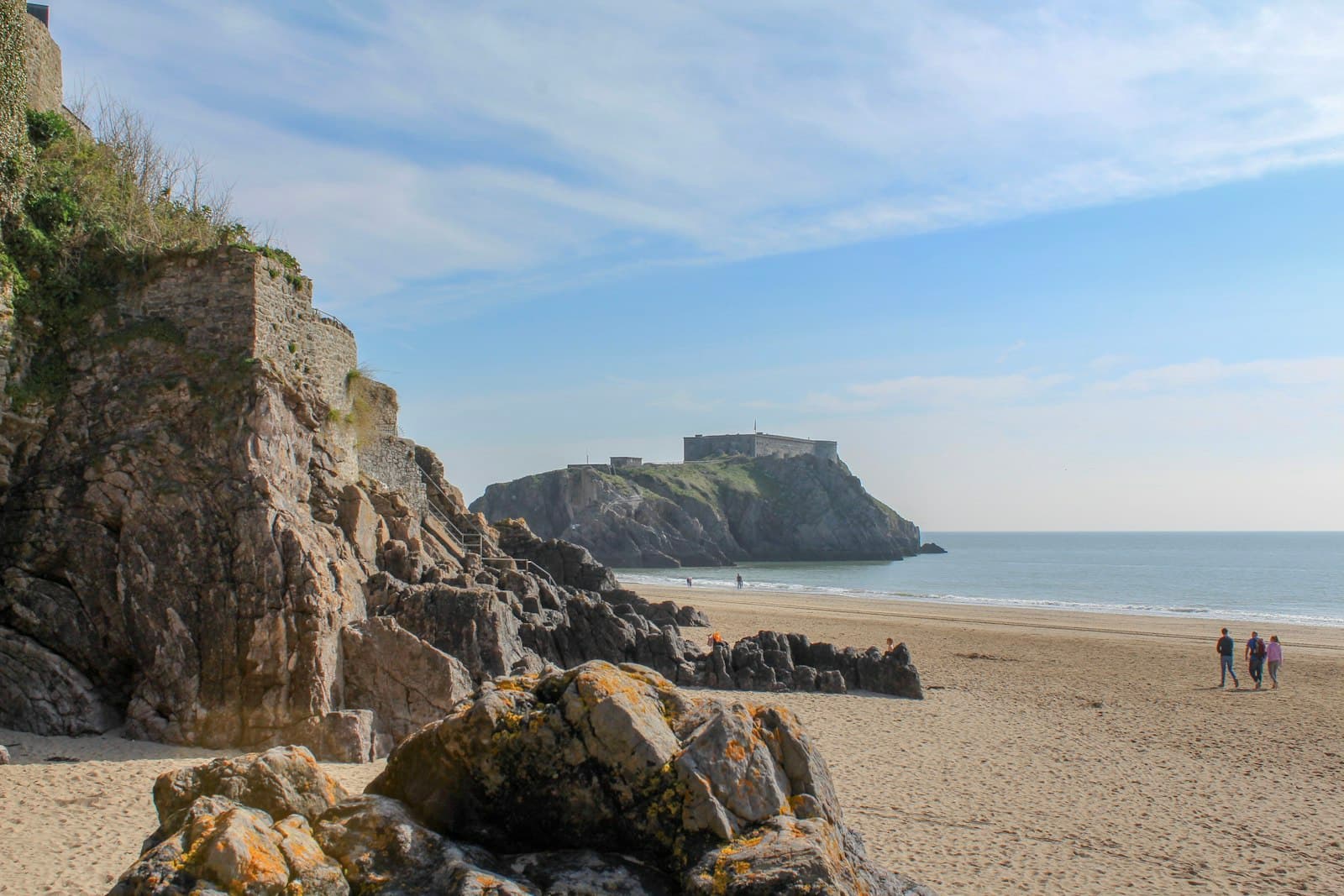
Die Stadt bietet drei Meilen Sandstrände: North Beach, Castle Beach und South Beach. Castle Beach, bewacht von den Ruinen der Tenby Castle, wurde zu einem der besten Strände Großbritanniens ernannt. Die mittelalterlichen Stadtmauern aus dem 13. Jahrhundert, einschließlich des beeindruckenden Barbakane-Torhauses Five Arches, sind ein markantes Merkmal und bieten eine greifbare Verbindung zur Vergangenheit von Tenby. Für einen tieferen Einblick in die lokale Geschichte besuchen Sie das Tenby Museum and Art Gallery, das älteste unabhängige Museum von Wales, das sich auf Castle Hill befindet. Von Castle Hill aus können Sie auch einen weiten Blick auf den Hafen und die Küste genießen. Bei Ebbe können Sie zur St Catherine's Island hinübergehen, um ihre Palmerston-Festung aus dem 19. Jahrhundert zu erkunden. Ein weiteres historisches Highlight ist das Tudor Merchant's House des National Trust, das einen Einblick in das Leben im 15. Jahrhundert bietet.
Die beste Zeit für einen Besuch in Tenby für Aktivitäten bei warmem Wetter ist von Anfang Juli bis Anfang September, wenn die durchschnittlichen täglichen Höchsttemperaturen über 16 °C liegen. Juli ist oft der klarste Monat mit weniger Wolkenbedeckung. Frühling und Frühherbst (Mai bis Anfang Juli und September/Oktober) bieten ebenfalls mildes Wetter, weniger Menschenmassen und eine wunderschöne Küstenlandschaft, was sie zu ausgezeichneten Wahlmöglichkeiten für einen Besuch macht. Während der Winter ruhiger ist, bieten der Weihnachtsmarkt von Tenby und saisonale Lichter eine gemütliche und festliche Atmosphäre.
Tenby ist mit dem Zug, dem Auto und dem Bus erreichbar. Direktzüge fahren von Swansea ab, mit Verbindungen von Cardiff über Carmarthen. Wenn Sie mit dem Auto anreisen, verbindet die A478 Tenby und bietet landschaftlich reizvolle Routen durch Pembrokeshire. Busse verbinden Tenby auch mit nahegelegenen Städten wie Pembroke und Saundersfoot.
Parkplätze können besonders in der Hochsaison begrenzt sein. Optionen sind der North Beach Car Park und der South Beach Car Park für den Strandzugang sowie mehrstöckige Parkhäuser in der Nähe des Stadtzentrums. Im Sommer sollten Sie Park-and-Ride-Dienste nutzen, um das Navigieren durch enge Stadtstraßen zu vermeiden. Das Stadtzentrum ist kompakt und am besten zu Fuß zu erkunden. Bootsfahrten zur Caldey Island verkehren regelmäßig vom Hafen zwischen Ostern und Oktober, je nach Wetterlage.
Tenby — Koreanisch, Chinesisch, Hebräisch und 29 weitere Sprachen, jede Station von einer muttersprachlichen Stimme erzählt. Die größte Sprachauswahl aller selbstgeführten Audiotouren.
Verfügbar auf: