Cascata delle Marmore
La cascata artificiale più alta d'Europa, la spettacolare Cascata delle Marmore, nasconde un segreto che ne spiega la sua stessa esistenza.
La storia completa si sblocca nel tour
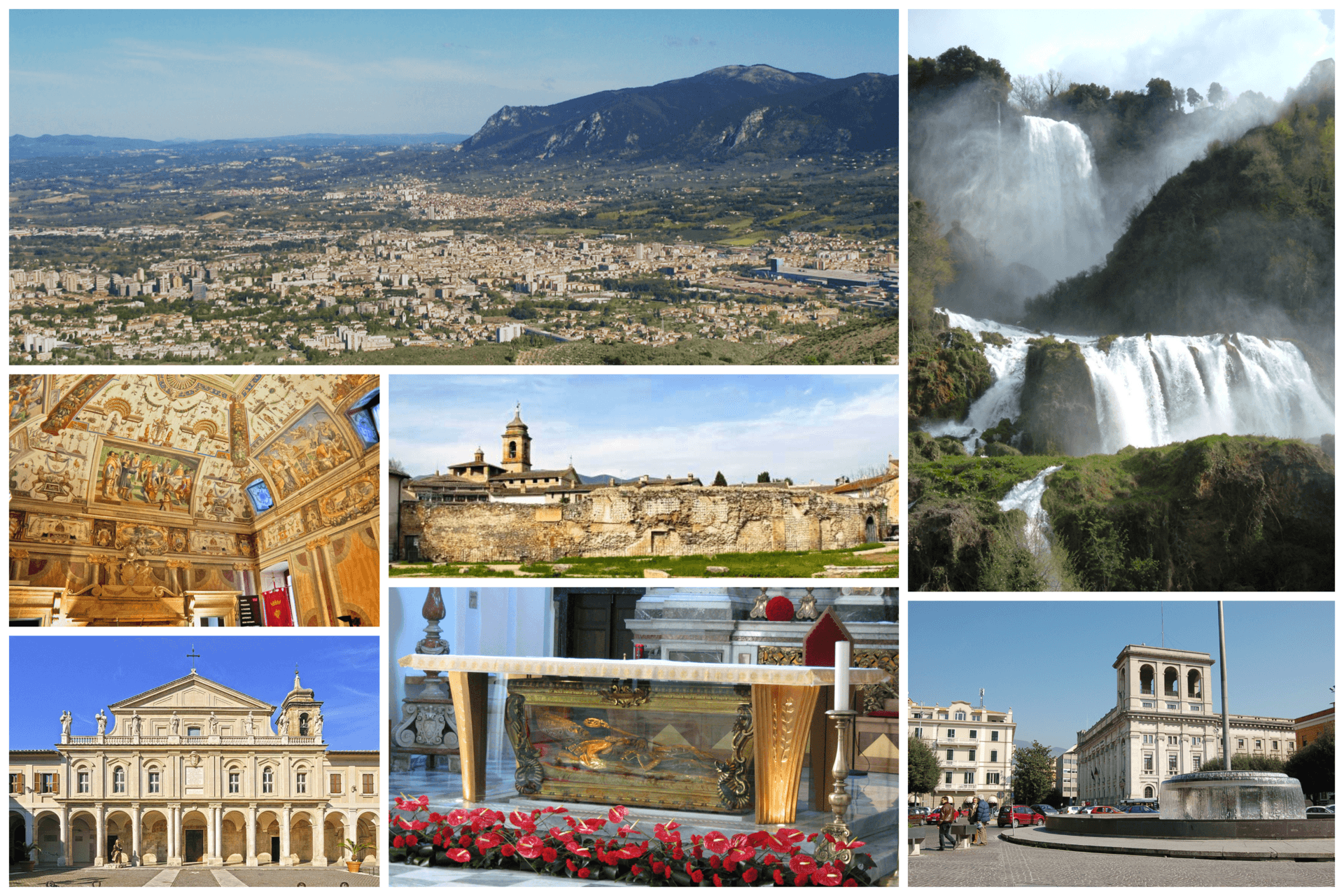 Pszimre / CC BY-SA 4.0, via Wikimedia Commons
Tour audio autoguidato di Terni — percorso GPS a piedi, riproduzione offline, narrazione coinvolgente in 32 lingue.
“Terni: dove antiche correnti incontrano la potenza industriale e storie d'amore fluttuano nell'aria.”
Non le cartoline. Le storie che nemmeno i locali conoscono — sussurrate nel tuo orecchio, proprio dove sono accadute.
La cascata artificiale più alta d'Europa, la spettacolare Cascata delle Marmore, nasconde un segreto che ne spiega la sua stessa esistenza.
Terni si autoproclama orgogliosamente 'Città degli Innamorati' perché il suo santo patrono, San Valentino, riposa qui. Tuttavia, la storia del suo legame con l'amore romantico è più intricata di quanto si possa immaginare.
Questo palazzo storico, con i suoi frammenti medievali e il design rinascimentale, ha assistito a molte trasformazioni, incluso un sorprendente e breve ruolo durante un periodo turbolento della storia recente d'Italia.
Scopri ogni segreto di Terni
Ogni indirizzo, ogni rivelazione completa — nel tuo orecchio, proprio dove è accaduta.
Scegli le tue tappe. Cammini. La voce rivela ciò che gli altri perdono.
Il tuo tour audio autoguidato di Terni è pronto — scegli i tuoi punti di interesse, seleziona la tua lingua e inizia nel momento in cui arrivi.
AcquistaLume include una guida in realtà aumentata. Alza il telefono: la fotocamera mostra la strada davanti a te, con una freccia luminosa sovrapposta all'immagine reale che punta sempre verso la tua prossima tappa — nessuna mappa da decifrare, nessuna svolta sbagliata. Come tutto in Lume, funziona completamente offline.
Terni, una città nella parte meridionale della regione Umbria in Italia, offre un mix avvincente di storia antica, patrimonio industriale e la bellezza del mondo naturale. Conosciuta sia come la 'Città dell'Acciaio' che la 'Città degli Innamorati', l'identità di Terni è plasmata dal suo ruolo cruciale nella rivoluzione industriale italiana e dalla sua associazione con San Valentino, il suo santo patrono. Situata nella piana del fiume Nera, la città funge da porta d'accesso a paesaggi pittoreschi e vanta una delle cascate artificiali più impressionanti d'Europa, la Cascata delle Marmore.
A differenza di molti centri umbri che conservano un carattere prevalentemente medievale, l'architettura di Terni è in gran parte moderna, conseguenza diretta della vasta ricostruzione dopo i pesanti bombardamenti alleati durante la Seconda Guerra Mondiale. Nonostante ciò, frammenti del suo passato romano, strutture medievali e una vivace scena artistica contemporanea coesistono, offrendo una prospettiva unica sulla resilienza e l'evoluzione italiana. Coloro che viaggiano a Terni possono immergersi in secoli di storia, esplorare suggestive attrazioni naturali e sperimentare una città che si è continuamente reinventata.
L'area circostante Terni è abitata fin dall'età del Bronzo, con i primi insediamenti stabiliti dagli Umbri Nahartes intorno al VII secolo a.C. Questi Nahartes erano un popolo forte e numeroso. Nel III secolo a.C., i Romani conquistarono Terni, rinominandola Interamna, che significa 'tra due fiumi', un riferimento alla sua posizione alla confluenza del fiume Nera e del torrente Serra. Durante questo periodo romano, Terni fiorì, diventando un importante municipium sulla Via Flaminia. Furono costruiti templi, un teatro, terme e un anfiteatro, e le colline circostanti erano costellate di ville rustiche.
Uno dei più significativi interventi romani fu la creazione della Cascata delle Marmore nel 271 a.C. Il console romano Manio Curio Dentato ordinò la costruzione di un canale per deviare le acque del fiume Velino oltre una scarpata naturale, formando la cascata per drenare le paludi malariche della Valle Reatina. Questa meraviglia ingegneristica, tuttavia, portò a lunghe dispute tra Terni e Rieti per le inondazioni a valle, un problema che persistette per secoli.
Dopo la caduta dell'Impero Romano, Terni subì invasioni da parte dei Goti e fu successivamente conquistata dai Longobardi nel 755 d.C., perdendo parte della sua importanza e diventando una città secondaria nel Ducato di Spoleto. Nel XII secolo, fu saccheggiata dal generale di Federico Barbarossa. Nonostante queste sfide, Terni sviluppò una propria costituzione nel XIV secolo e vide ampliate le sue mura cittadine. La città finì per passare sotto il dominio papale, un periodo che impedì lo sviluppo di signorie cittadine private viste altrove in Italia.
Il XIX secolo segnò una drastica trasformazione per Terni con l'avvento della Rivoluzione Industriale. Le abbondanti fonti d'acqua della zona si rivelarono ideali per le nuove industrie, tra cui acciaierie, fonderie e fabbriche di armi, juta e lana. Questa impennata industriale valse a Terni il soprannome di 'Città dell'Acciaio' e la rese un centro cruciale della Seconda Rivoluzione Industriale italiana. Tuttavia, la sua importanza industriale rese Terni un bersaglio primario per i bombardamenti alleati durante la Seconda Guerra Mondiale. La città subì 57 attacchi aerei, con il 40% dei suoi edifici distrutti o danneggiati, e oltre mille civili uccisi. Nonostante questa devastazione, Terni si ricostruì rapidamente e riemerse come un importante centro industriale dopo la guerra, in gran parte con architettura moderna.
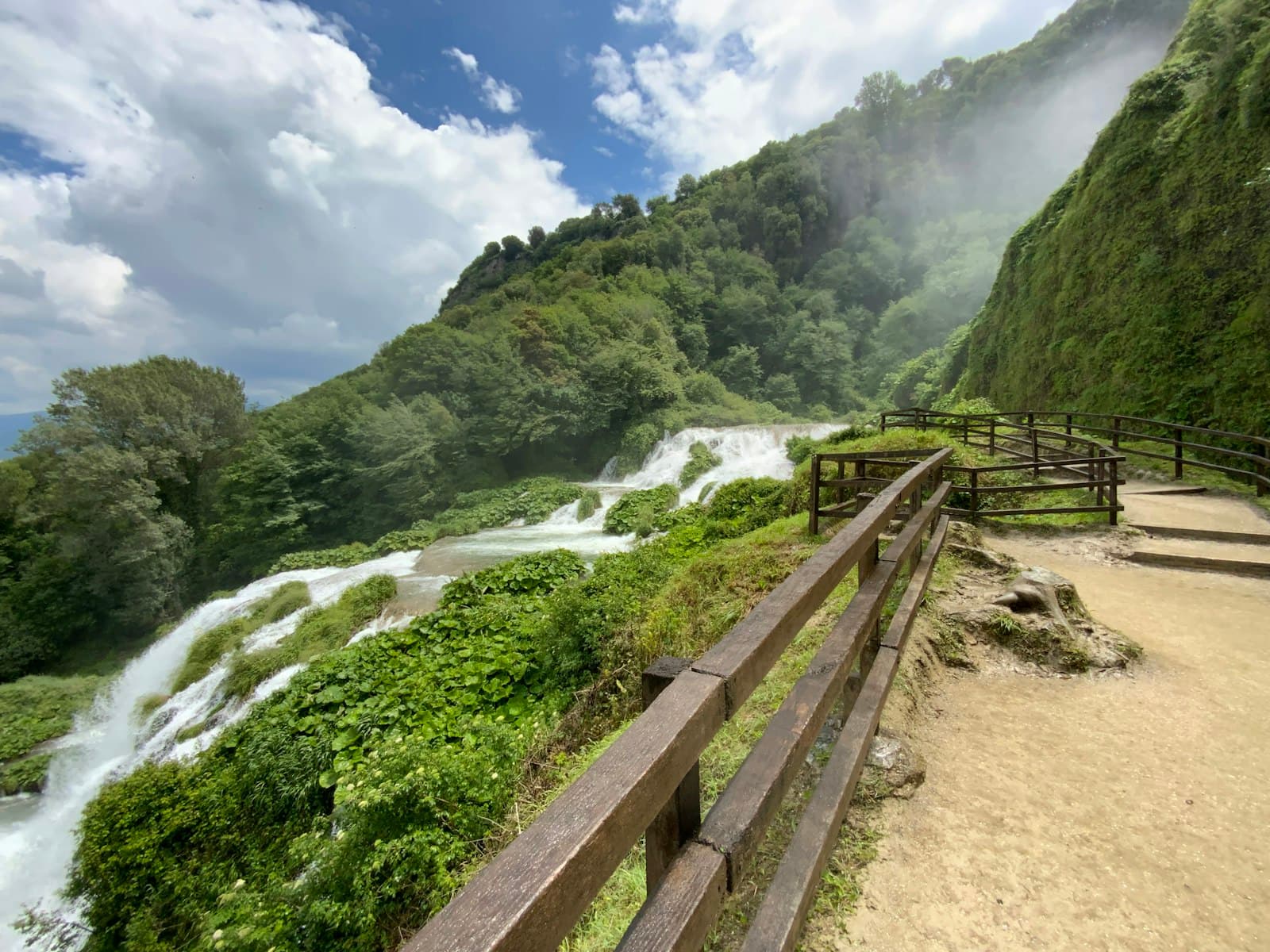
Terni offre una vasta gamma di attrazioni, che uniscono il suo passato antico con il suo presente industriale e le meraviglie del mondo naturale. Una visita alla Cascata delle Marmore è essenziale; questa imponente cascata artificiale, tra le più alte d'Europa, offre viste spettacolari e opportunità di escursioni lungo i suoi sei sentieri segnalati. Si può persino assistere alla spettacolare apertura delle paratoie, che trasforma il flusso d'acqua in un colossale impeto.
Nel centro città, esplorate il Duomo di Terni (Cattedrale di Santa Maria Assunta), una struttura del XII secolo ampiamente rimaneggiata nel XVII secolo, con un interno che conserva tracce di dipinti del XVI secolo. Nelle vicinanze, l'Anfiteatro Romano si erge come un significativo resto dell'antica Interamna. La Basilica di San Valentino, situata appena fuori dal centro città, è dedicata al santo patrono di Terni e custodisce le sue spoglie. Per uno sguardo al patrimonio industriale di Terni, visitate il CAOS Museum (Centro Arti Opificio SIRI), ospitato in un'ex fabbrica chimica, che include un museo archeologico e spazi d'arte contemporanea. Da non perdere l'imponente Grande Pressa Idraulica di fronte alla stazione ferroviaria, una massiccia struttura in acciaio che un tempo operava nelle acciaierie di Terni. Appena fuori città, l'antica città romana di Carsulae offre un'esperienza archeologica unica, con rovine ben conservate senza sovrapposizioni moderne.
I periodi più favorevoli per visitare Terni sono la primavera (metà aprile - metà giugno) e l'autunno (settembre - inizio ottobre). Durante questi periodi, il clima è mite e piacevole, con temperature ideali per esplorare siti storici e godersi attività all'aperto. La primavera porta fiori sbocciati e paesaggi verdi nella campagna circostante, mentre l'autunno sfoggia notevoli colori autunnali. Le estati possono essere calde, con luglio come mese più caldo, ma è un buon momento per attività all'aperto lungo i fiumi. Gli inverni sono generalmente miti, adatti per attrazioni al chiuso e cucina locale.
Terni è ben collegata e facilmente raggiungibile. La città si trova sulla linea ferroviaria che collega Roma ad Ancona, rendendo il viaggio in treno un'opzione comoda. Per chi guida, la A1 da Roma porta direttamente a Terni.
Sebbene l'area centrale di Terni sia piacevole per passeggiare, la città si estende su un'area considerevole, quindi gli autobus pubblici sono una buona opzione per spostarsi. Il parcheggio può essere difficile in alcune zone a causa del traffico e delle strade strette. Le opzioni di alloggio vanno da hotel moderni a bed & breakfast, molti situati vicino alla stazione ferroviaria e al centro città.
La cucina di Terni è robusta e sostanziosa, con piatti tipici umbri come cinghiale, tartufi e varie specialità di carne. Troverete una varietà di ristoranti che servono cucina tradizionale italiana, continentale e altre cucine internazionali. La città ospita anche la fiera del cioccolato 'Cioccolentino' a febbraio, in concomitanza con la celebrazione di San Valentino che dura un mese.
Terni — coreano, cinese, ebraico e altre 29 lingue, ogni tappa narrata da una voce madrelingua. La più ampia scelta di lingue tra i tour audio autoguidati.
Disponibile in: